
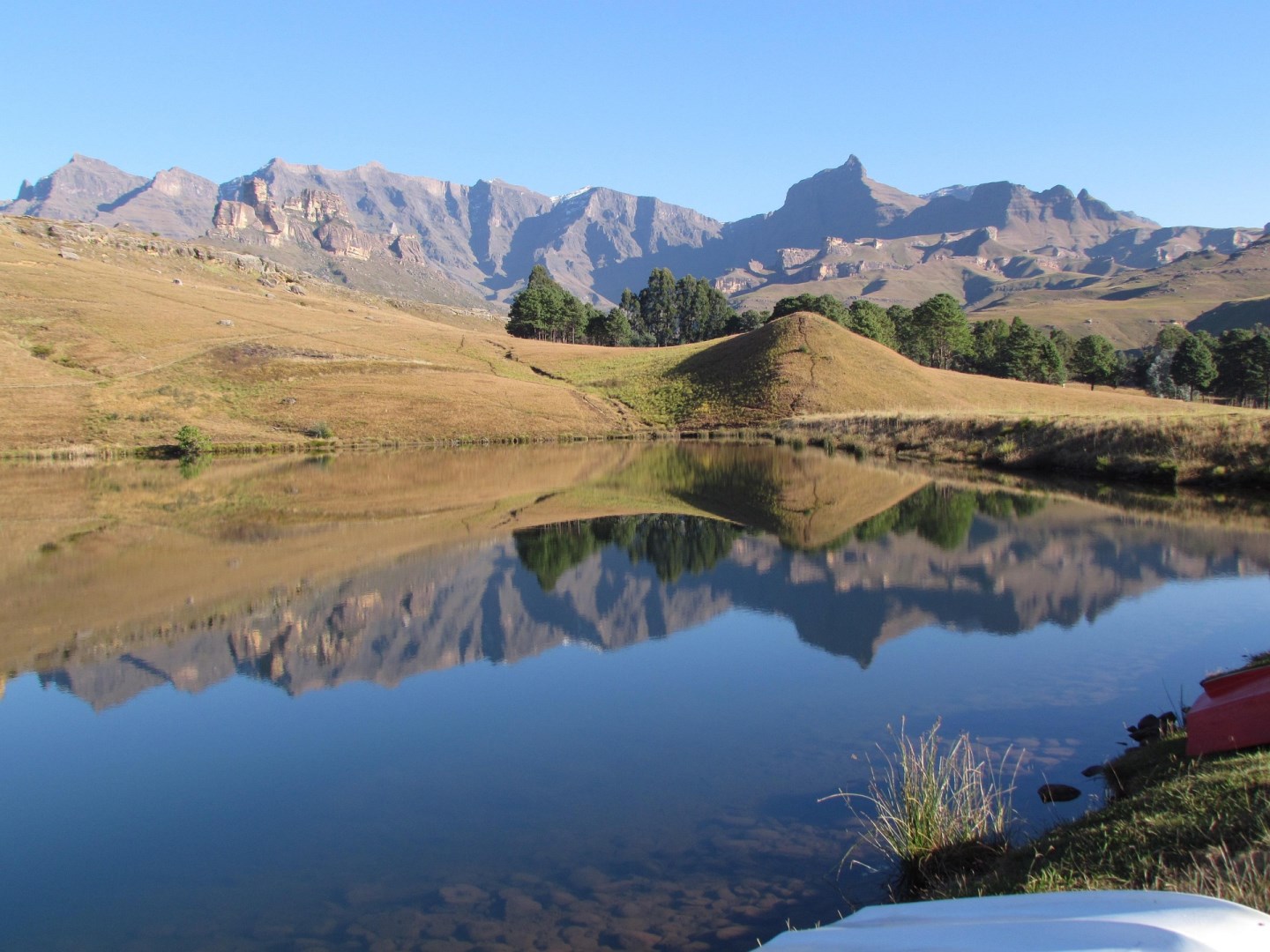
KwaZulu-Natal
KwaZulu-Natal is a province on South Africa’s east coast, stretching from the Indian Ocean beaches around Durban to the mountains of the Drakensberg and the savanna of the interior. Its landscapes include subtropical forests, grasslands, wetlands, estuaries, sugarcane fields, and protected wildlife areas.
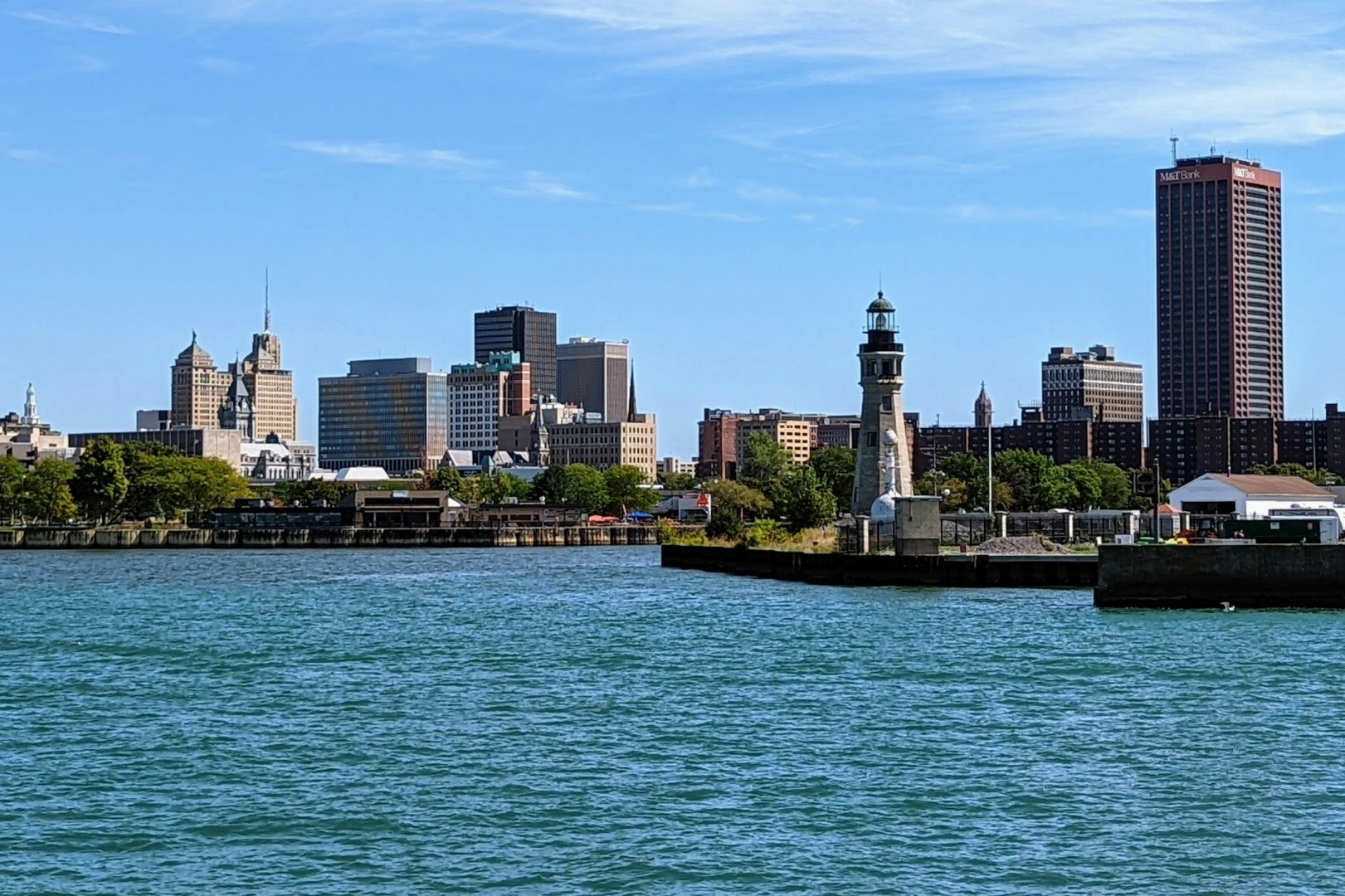
Buffalo
Buffalo, the second-largest city in New York State, sits at the eastern end of Lake Erie where the Niagara River begins its journey toward Niagara Falls. Once a powerhouse of American industry and trade, Buffalo thrived in the 19th and early 20th centuries as a major shipping and manufacturing hub, thanks to its strategic location along the Erie Canal and Great Lakes.

Dominica
Dominica, known as the “Nature Island of the Caribbean,” is a haven for eco-tourists and adventure seekers. Nestled between the French islands of Guadeloupe and Martinique, this lush island boasts a remarkable landscape of volcanic mountains, dense rainforests, and stunning waterfalls. Dominica’s most iconic natural wonder is the Boiling Lake, the second-largest hot spring in the world.
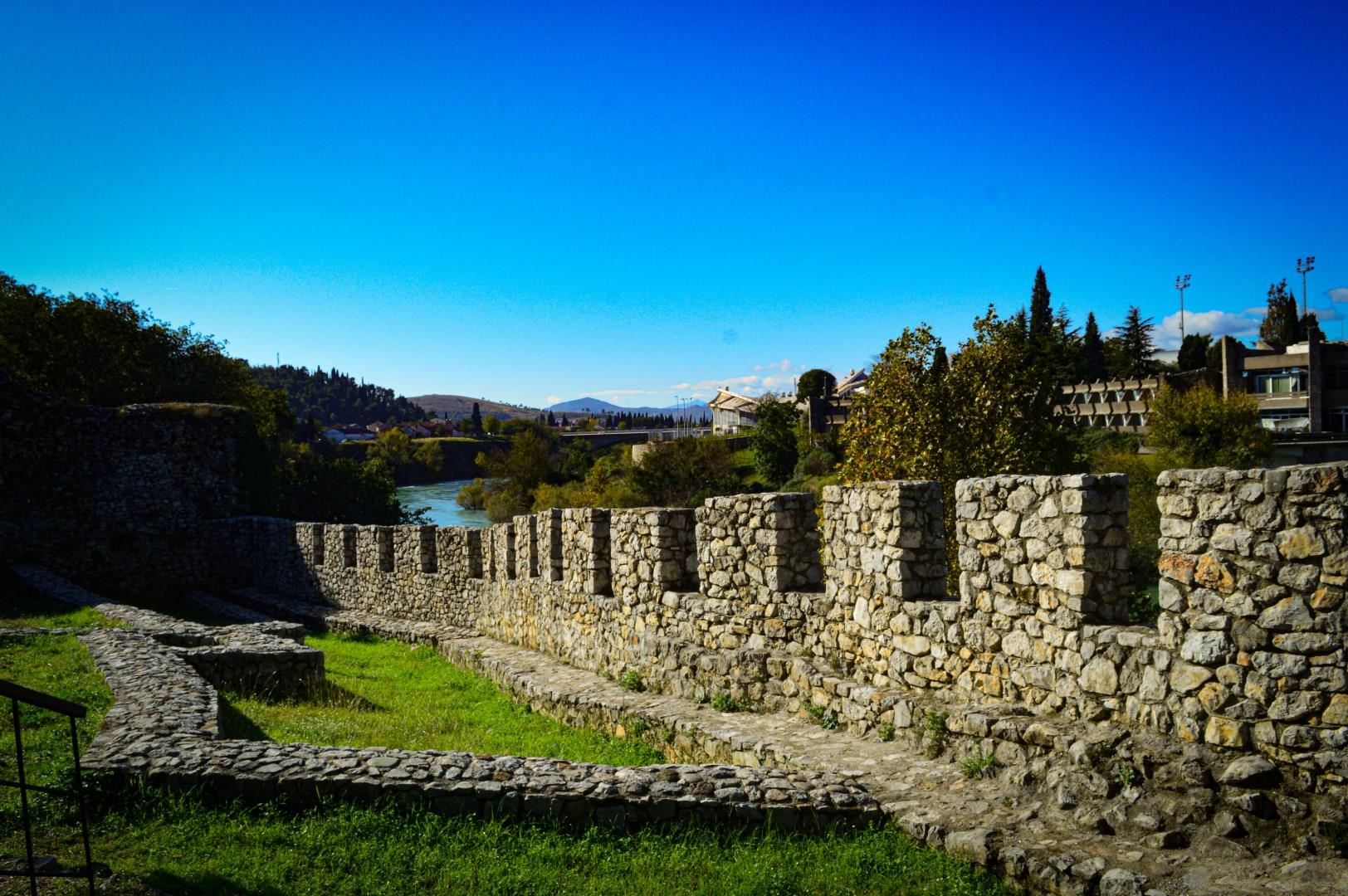
Podgorica
Podgorica, the capital of Montenegro, showcases the country’s contrasting landscapes and deep-rooted history. Although much of the city was rebuilt after World War II, traces of its Roman and Ottoman past still remain. Visitors can explore the ruins of Doclea, a Roman settlement just outside the city, where surviving columns and mosaics give a glimpse into life nearly two millennia ago.
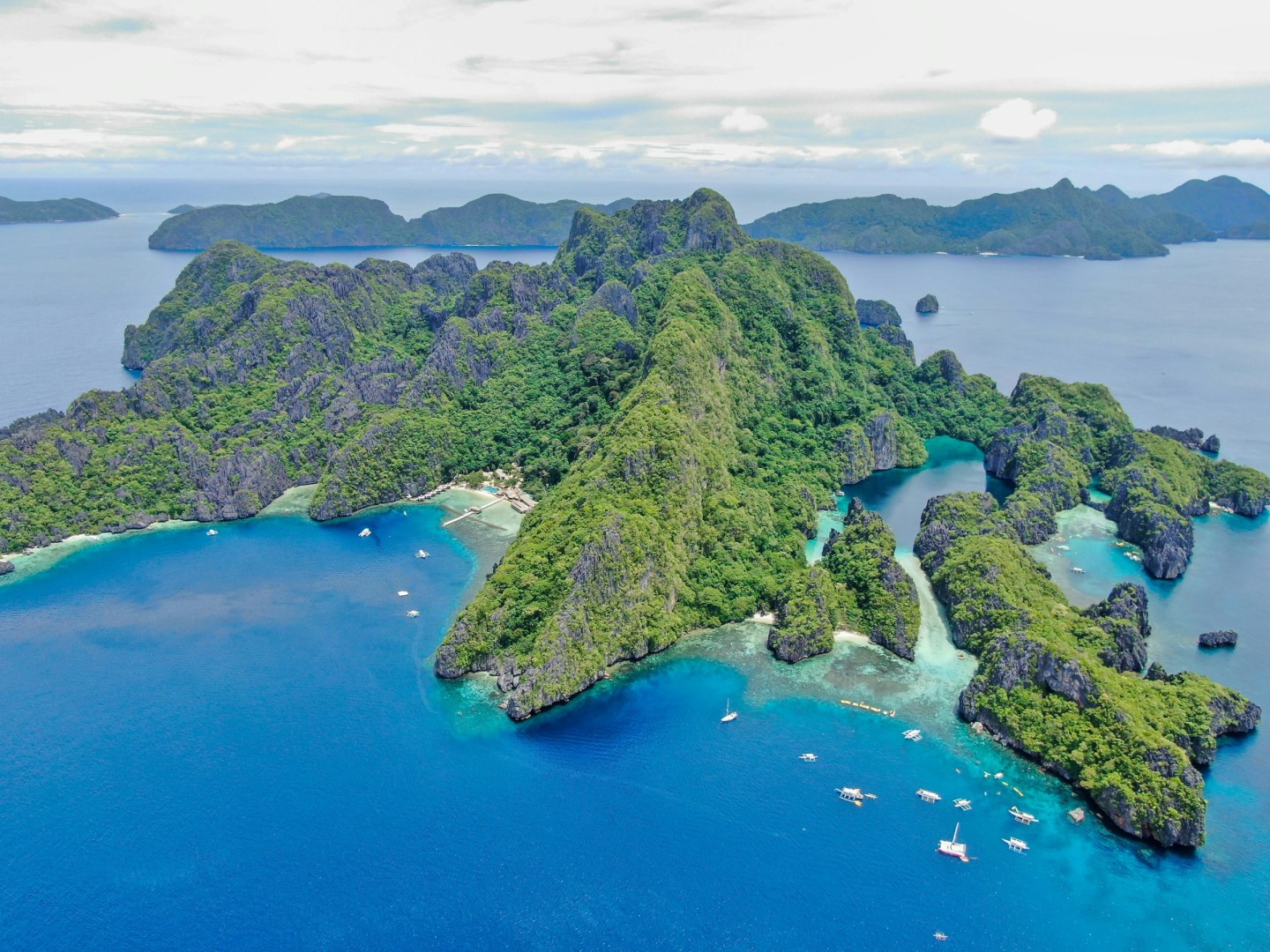
El Nido
El Nido is a coastal municipality in northern Palawan, Philippines, known for its limestone cliffs, turquoise lagoons, forested islands, and sheltered bays. The town sits at the northern end of the Palawan mainland, facing the Bacuit Archipelago, where numerous small islands rise from the sea. Its setting combines a compact seaside town with a large marine landscape that is explored mainly by boat.
