

Belém
Belém do Pará sits at the edge of the Amazon, where river and bay meet in a landscape with activity and color. The Ver-o-Peso Market spreads along Guajará Bay, welcoming early morning boats laden with fresh fish, herbs, fruits, and Amazonian goods. Recognized by UNESCO as a Creative City of Gastronomy, the local cuisine marries Indigenous, Portuguese, and African traditions to create dishes found nowhere else.
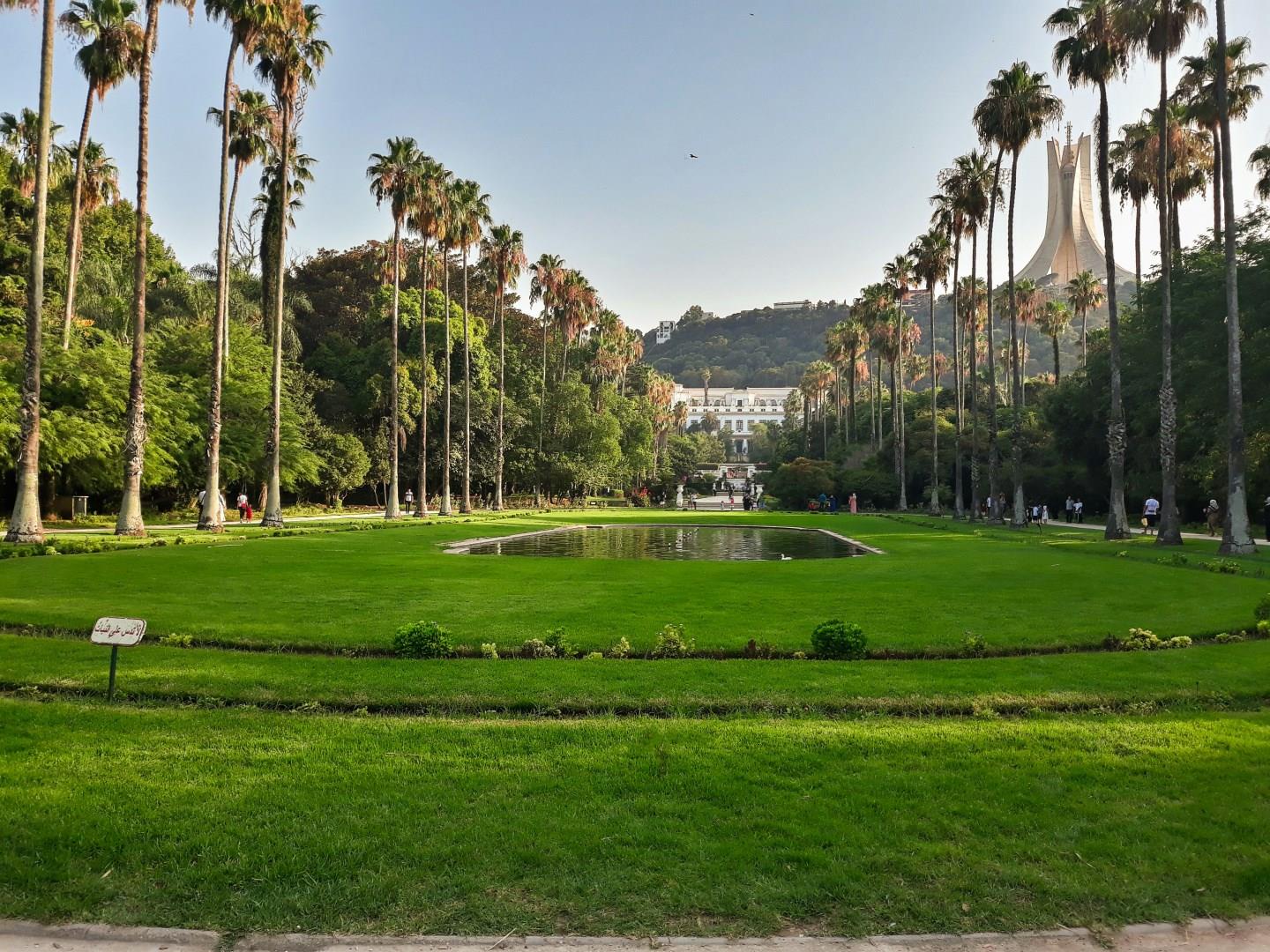
Algiers
Algiers is the capital and largest city of Algeria, occupying a series of hills along the western side of a broad Mediterranean bay. Its landscape combines a historic hillside core, modern districts, busy avenues, and a large waterfront. The white facades of the city rise above the sea, giving Algiers its familiar nickname, “Algiers the White.”
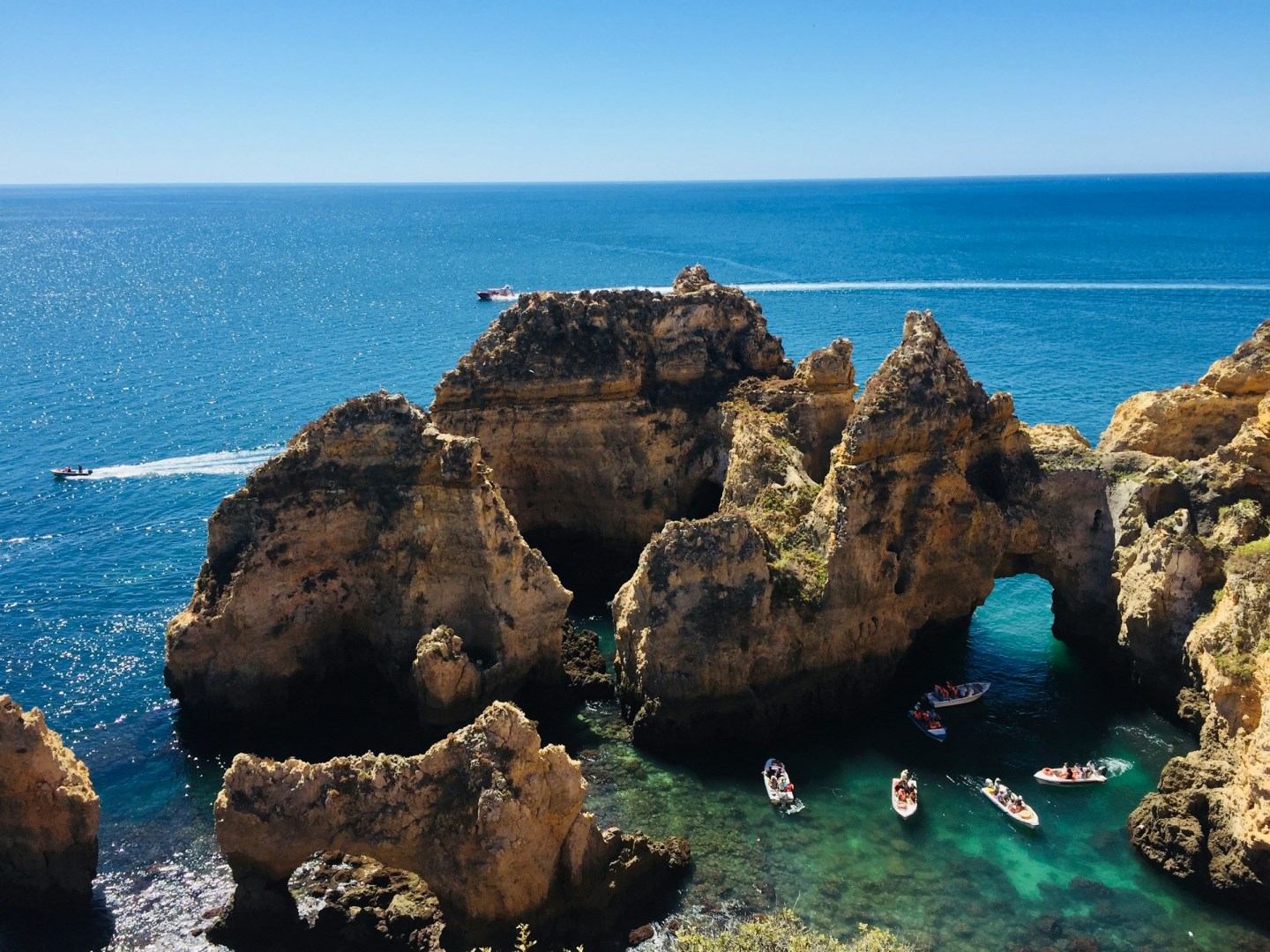
Lagos
Lagos sits on the southern edge of Portugal’s Algarve where a lively old port town meets wide Atlantic skies. Just a short stroll from the heart of town, the coast drops away into a spectacle at Ponta da Piedade, where golden sandstone cliffs rise out of the Atlantic and have been shaped into stacks, natural arches and grottoes over millennia. At the top, the Ponta da Piedade Lighthouse watches over this dramatic shoreline and offers a great backdrop for photos as the sun sets into the ocean.
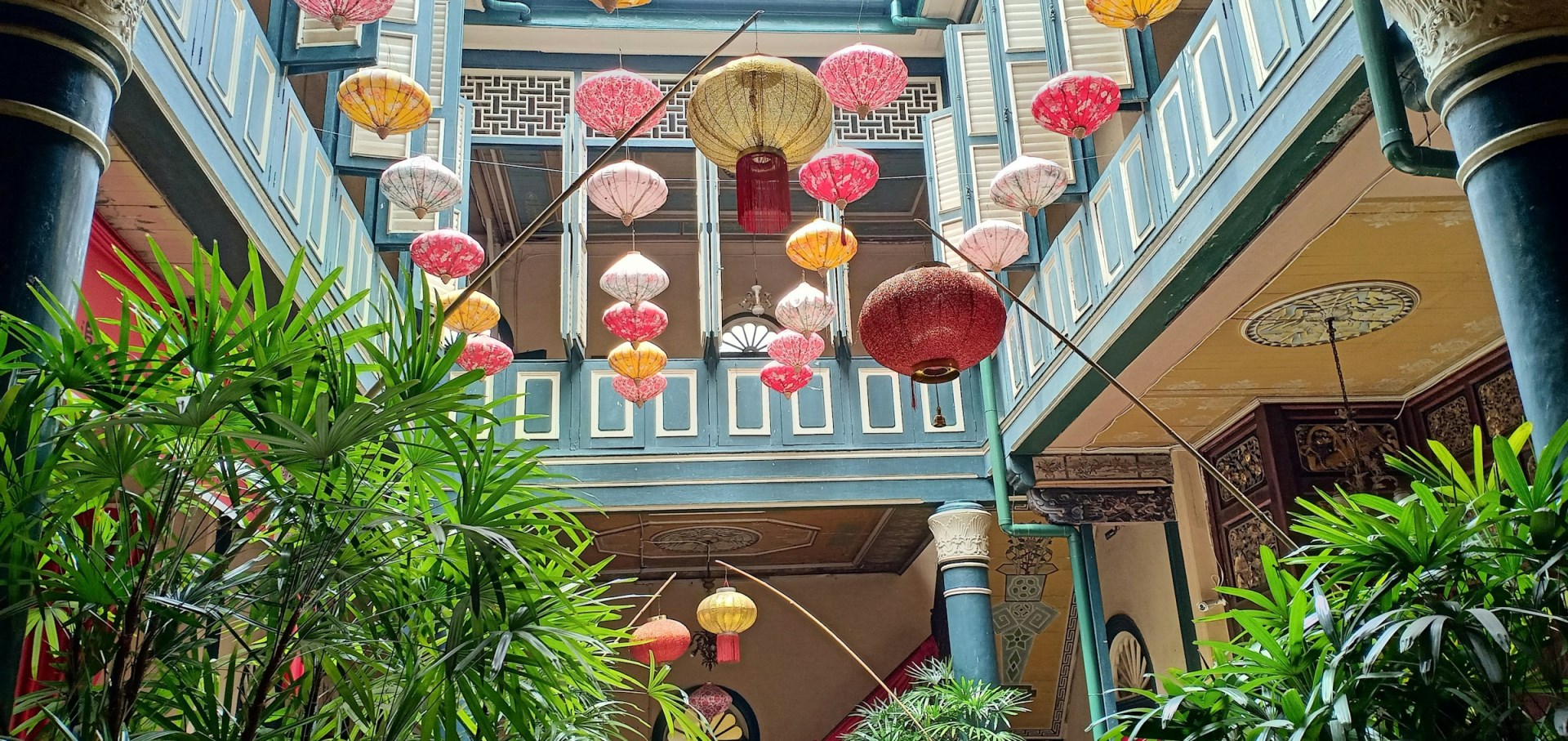
Medan
Medan is the capital of north Sumatra and the third largest city in Indonesia. It is a huge, sprawling city and a popular entry/exit point for travellers. The solid Dutch buildings of the affluent older suburbs inspire images of bloated bureaucrats and burghers from the colonial era, while jerry-built lean-tos house the bulk of its population.
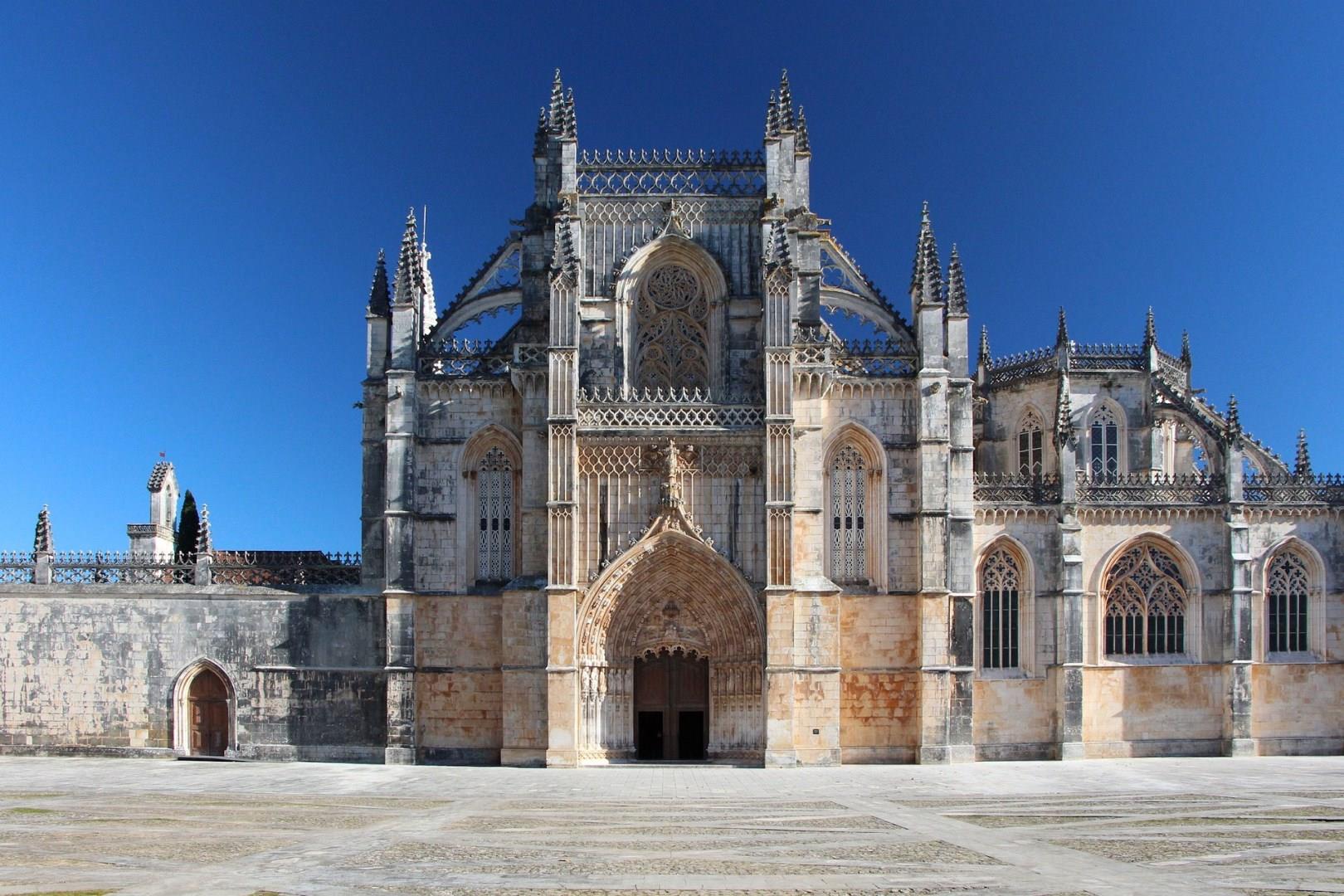
Batalha
Batalha, a small town in central Portugal, is steeped in history and home to one of the country’s most magnificent monuments, the Batalha Monastery. This UNESCO World Heritage Site, also known as the Monastery of Santa Maria da Vitória, was built to commemorate the Portuguese victory over Castile at the Battle of Aljubarrota in 1385. I
