
Palmeira
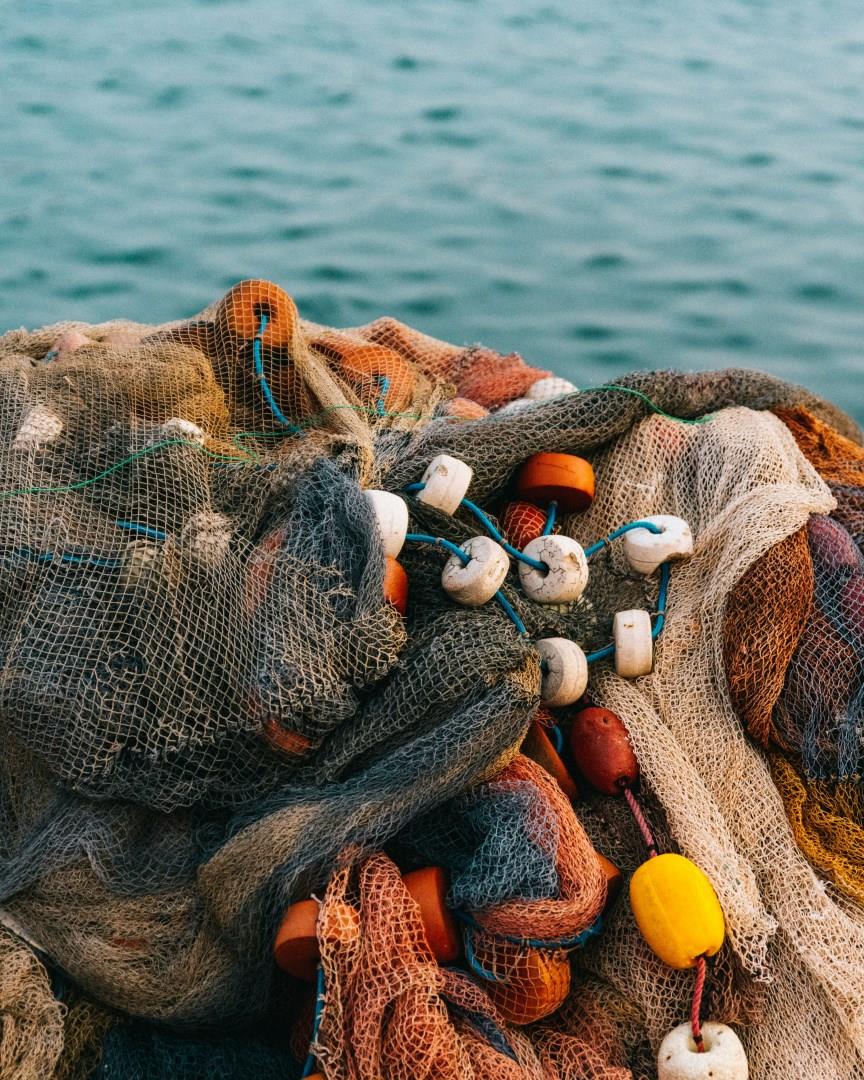
On the north-western coast of Sal Island in Cape Verde sits Palmeira, an authentic fishing settlement where day-to-day life still revolves around the sea. The village’s seaside restaurants serve grilled tuna, octopus, and flying fish fresh from the day’s catch. Just a short trip from the centre lies Buracona, a natural lava rock pool famous for the “Blue Eye,” a glowing underwater cave that shines when the sunlight hits at just the right angle.

Guernsey
Guernsey, the second-largest of the Channel Islands, blends coastal landscapes with a deep-rooted history shaped by centuries of outside influence. Though located closer to France than to mainland Britain, Guernsey is a British Crown Dependency with its own government and a distinct identity. The capital, St Peter Port, is a hillside town overlooking a natural harbor, where visitors can explore narrow lanes, stone stairways, and 18th-century buildings.
Luzon
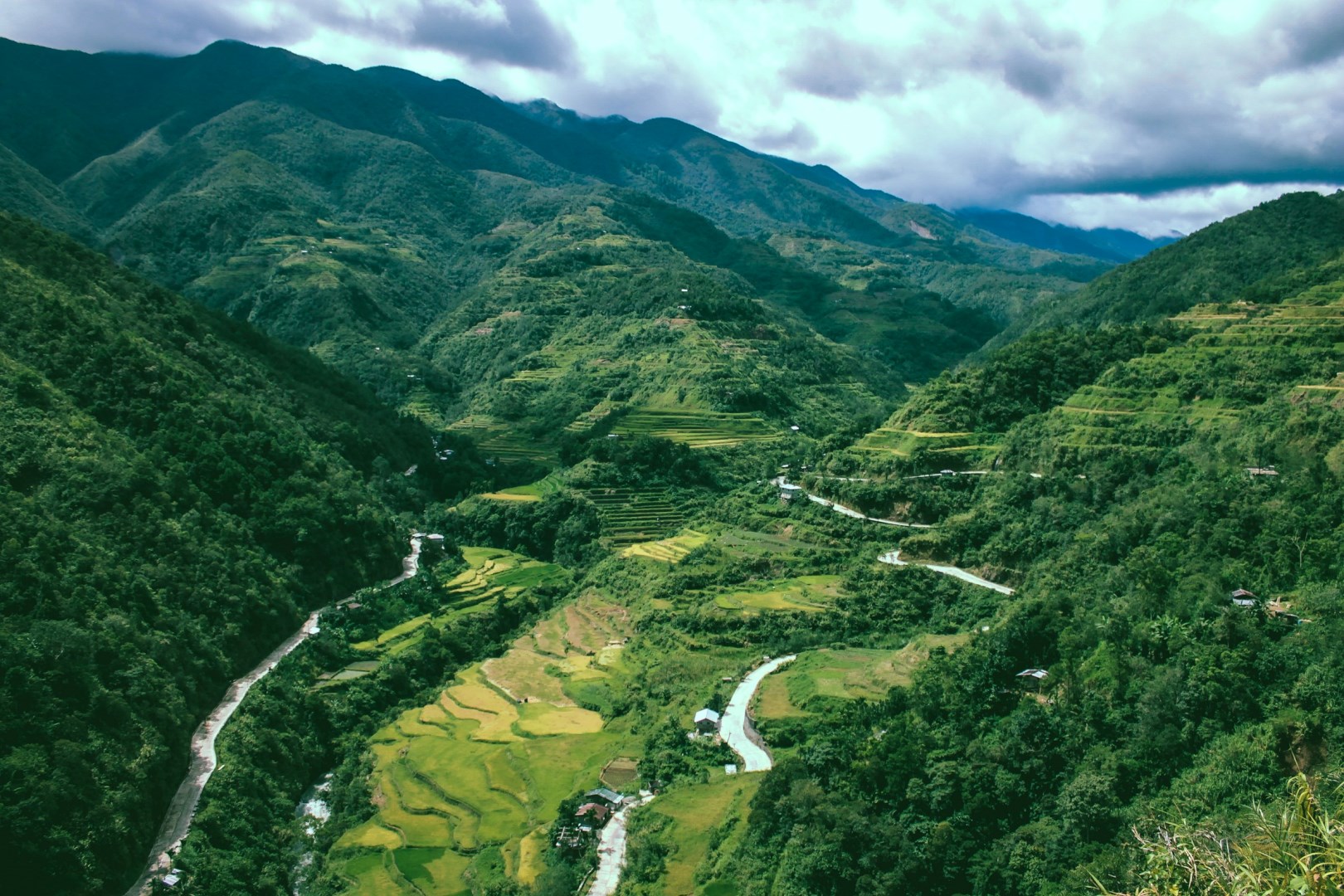
Luzon is the 15th largest island in the world, and the most populous island in the Philippines, home to 53 million people and the country’s capital, Manila. Luzon boasts a unique and eye-catching topography, with a variety of terrains and distinct geographical features. The north’s flat coastline and tropical pine forests meet at the site of Mount Pulag, Luzon’s tallest mountain peak.
Elbe River
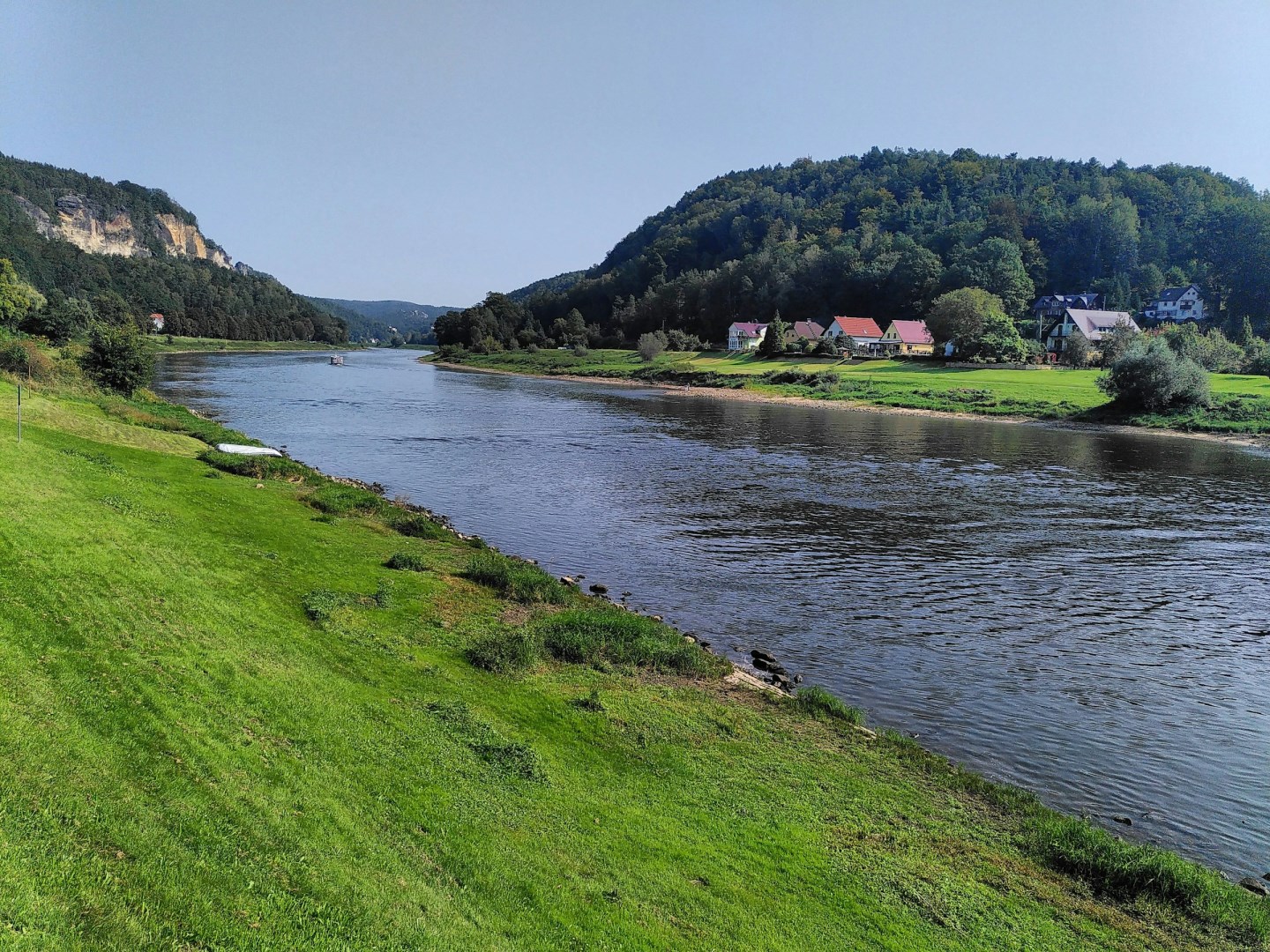
The Elbe is one of the Central Europe's greatest rivers, rising in the northern Czech Republic, traversing through Bohemia and Germany, and flowing into the North Sea not far from Hamburg. The river and its route have been largely untouched, so wildlife visibly abounds along its wetlands and wooded regions. Other scenery includes terraced vineyards and charming wine villages.

Ullapool
Ullapool is a village in the Scottish Highlands about 65 miles north-west of Inverness. Ullapool is known for the progressive, ecologically sound practices of its inhabitants and is the center for the Highland Environment Centre; a project of the Highland Eco Trust.
