

Nashville
Nashville, Tennessee, the dynamic "Music City," is a cultural gem in the American South that radiates energy and charm. Renowned for its rich musical heritage, Nashville is the birthplace of country music and home to iconic landmarks like the Grand Ole Opry and the Ryman Auditorium. The Country Music Hall of Fame and Museum captures this deep-rooted history through a vast collection of memorabilia and interactive exhibits that tell the story of American music.
Everglades National Park
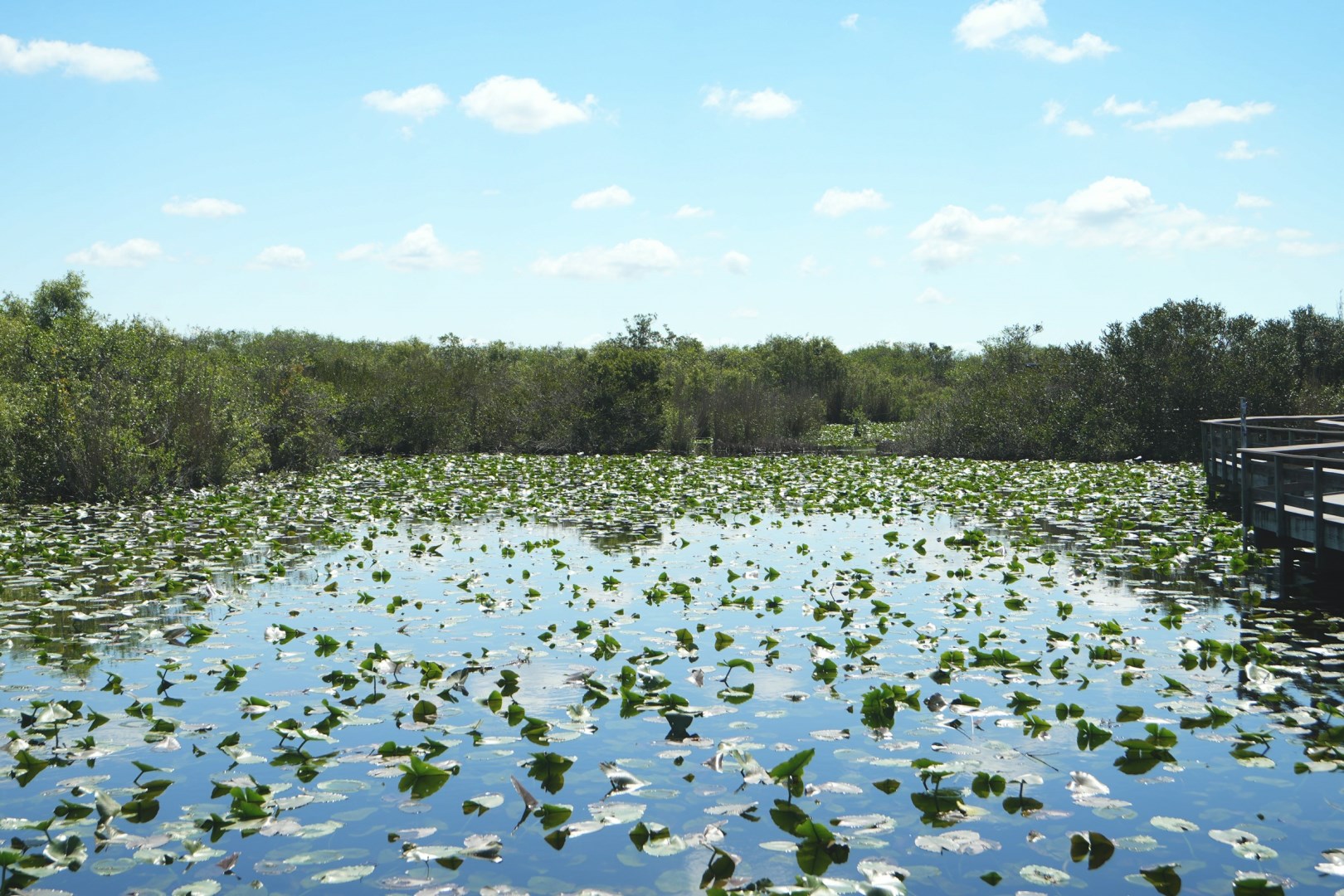
Everglades National Park protects a vast subtropical wetland at the southern tip of Florida, where freshwater moves slowly through sawgrass marshes, mangrove forests, hardwood hammocks, and coastal lagoons toward Florida Bay. Covering more than 1.5 million acres, it is the largest subtropical wilderness in the United States. The park is part of a much larger ecosystem whose waters originate in central and southern Florida and eventually reach the Gulf of Mexico and Florida Bay
Freetown
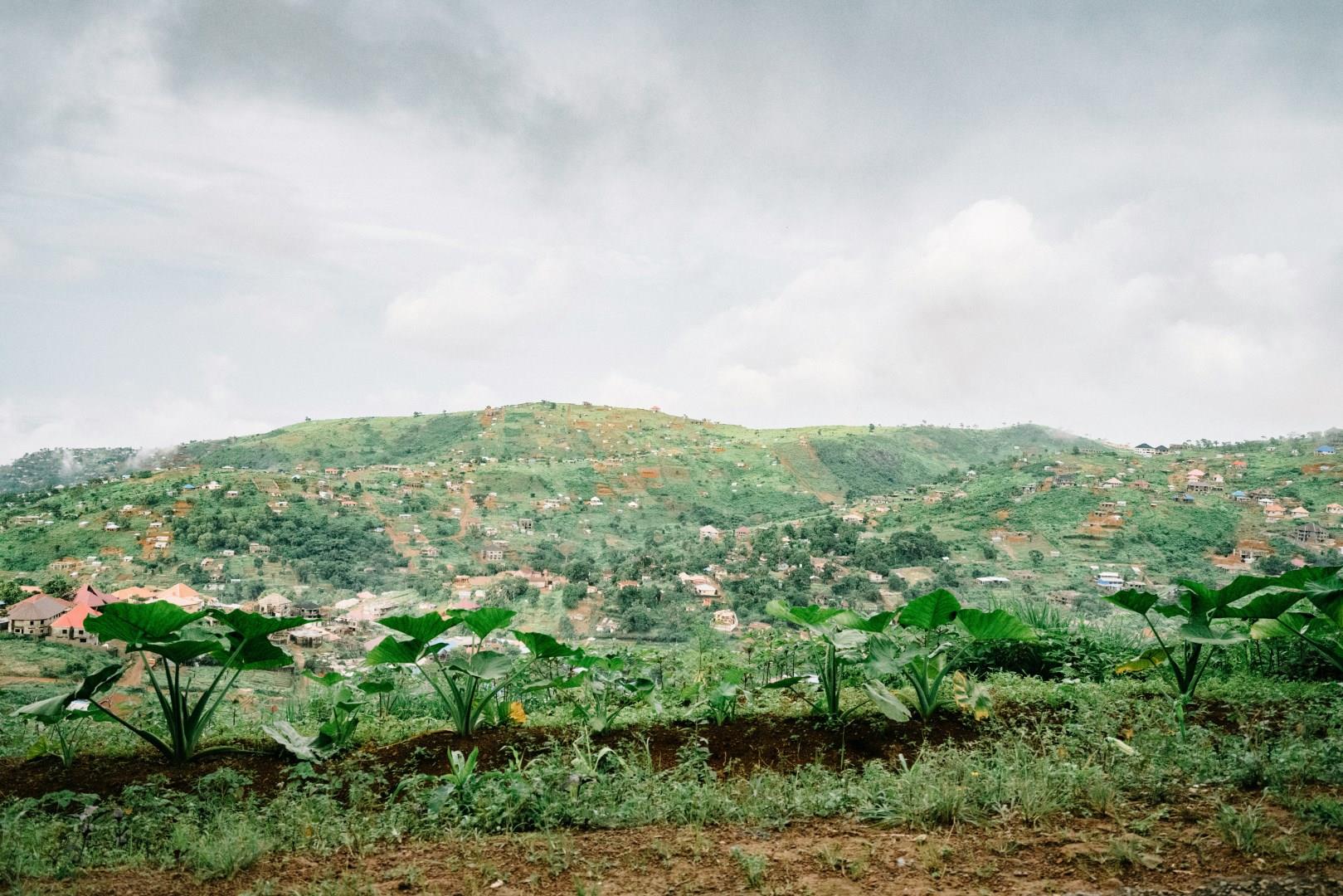
Freetown, the capital of Sierra Leone, is a city where history and daily life intertwine along the shores of the Atlantic. Founded in 1792 as a settlement for freed slaves from Britain and the Americas, it remains a place of cultural depth and resilience.
Conflict Islands
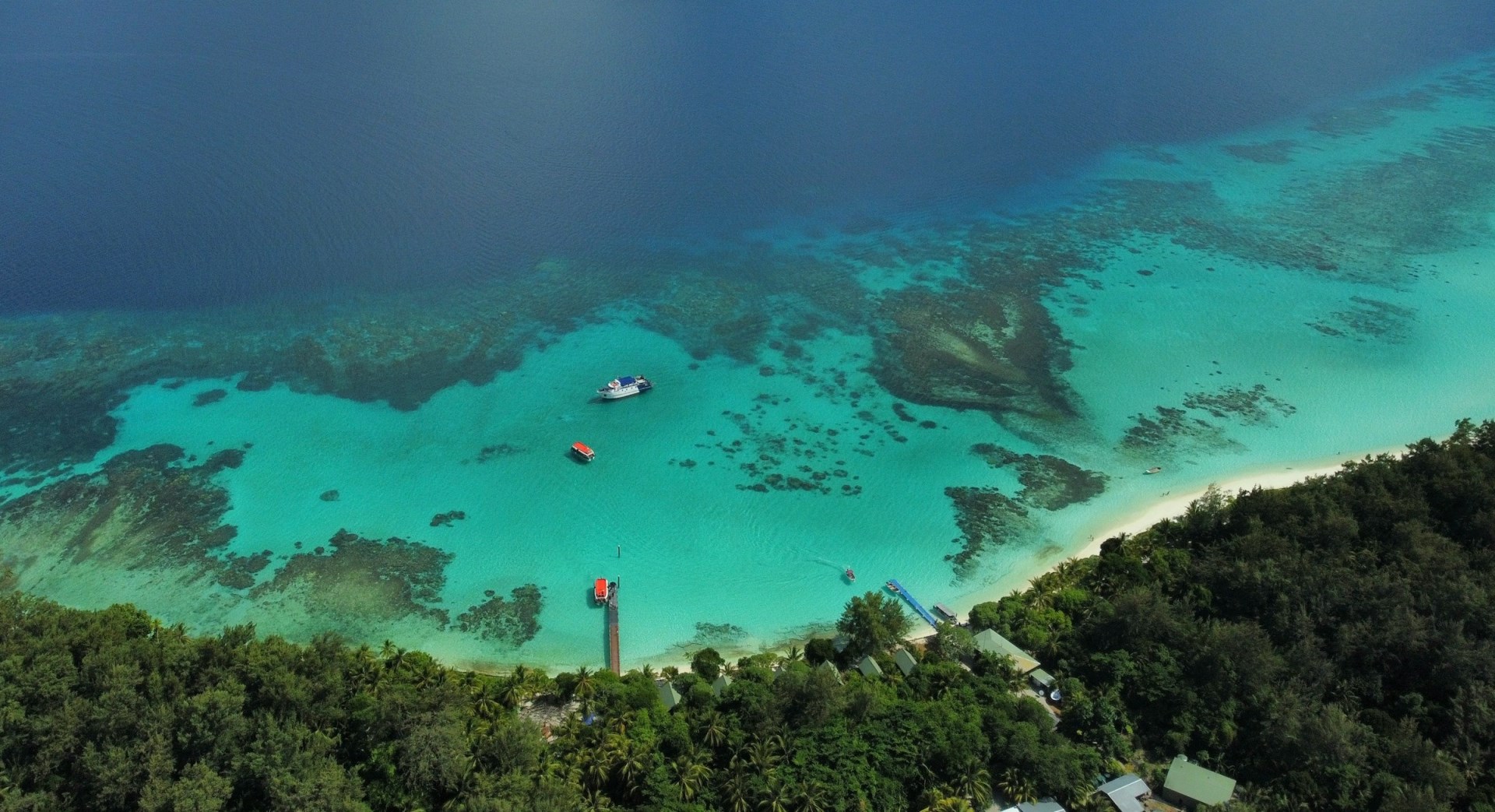
The Conflict Islands are a small group of coral islands and atolls in the Louisiade Archipelago of Papua New Guinea’s Milne Bay Province. They lie in the Solomon Sea, southeast of mainland Papua New Guinea, and are surrounded by clear lagoon waters, coral reefs, sandbars, and uninhabited islets.
Dushanbe
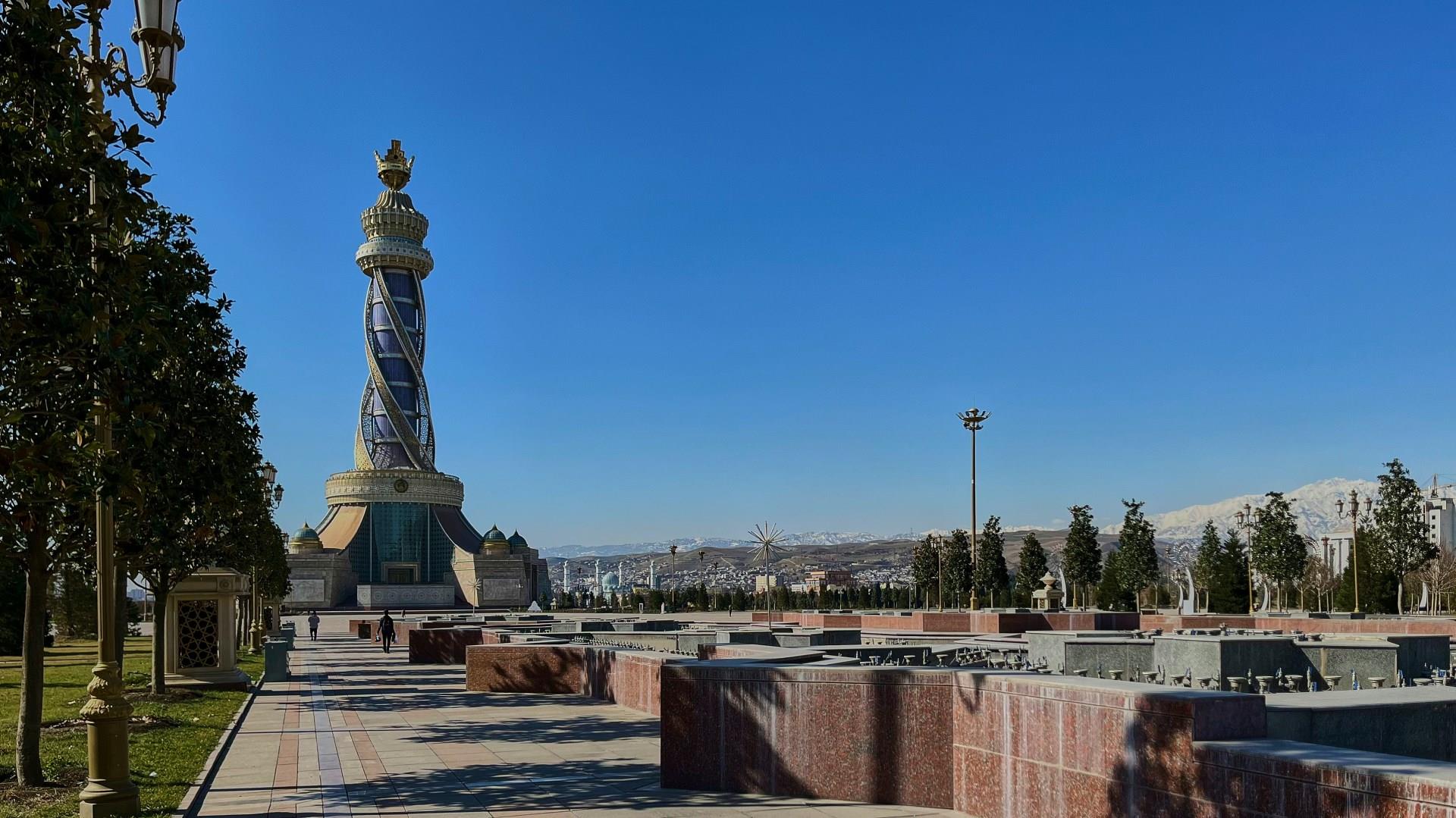
Dushanbe, the capital of Tajikistan, blends Soviet-era architecture with traditional Central Asian culture. The city is known for landmarks such as the National Library, Rudaki Park, and the striking Flagpole Square, which reflect both civic pride and the country’s heritage
