
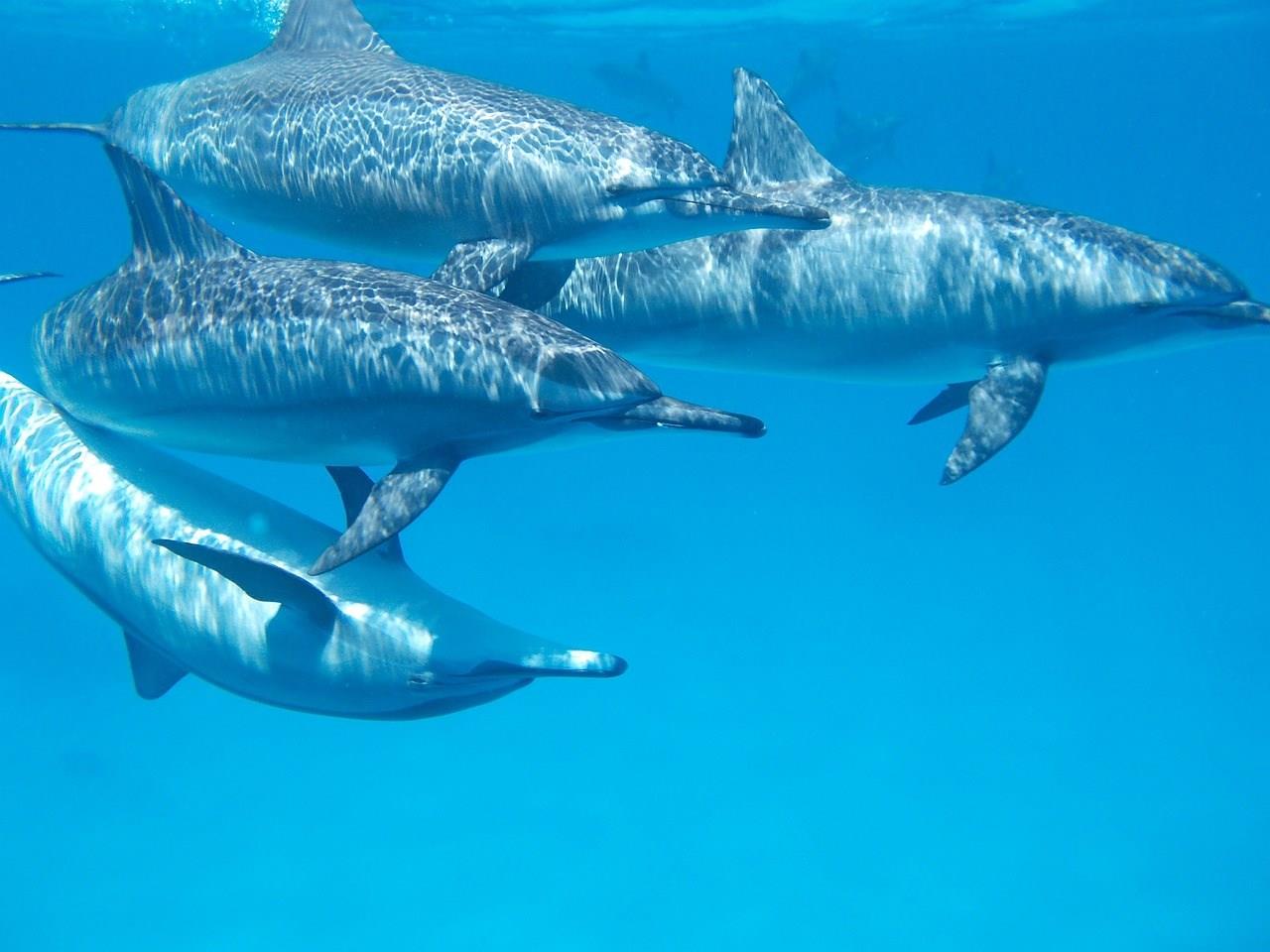
Pacific Ocean
The Pacific Ocean is both the largest and the deepest ocean on Earth. It extends from the Americas in the east to Asia and Australia in the west, and from the Artic Ocean in the north to Antarctica in the south.

Cook Islands
The Cook Islands, a group of 15 islands scattered across the South Pacific, offer a rare blend of Polynesian tradition and laid-back island charm. Rarotonga, the largest and most visited island, is ringed by a turquoise lagoon and backed by lush mountains. Visitors can circle the entire island in under an hour, stopping along the way for fresh coconut, beachside cafés, or a quick swim in the clear lagoon.
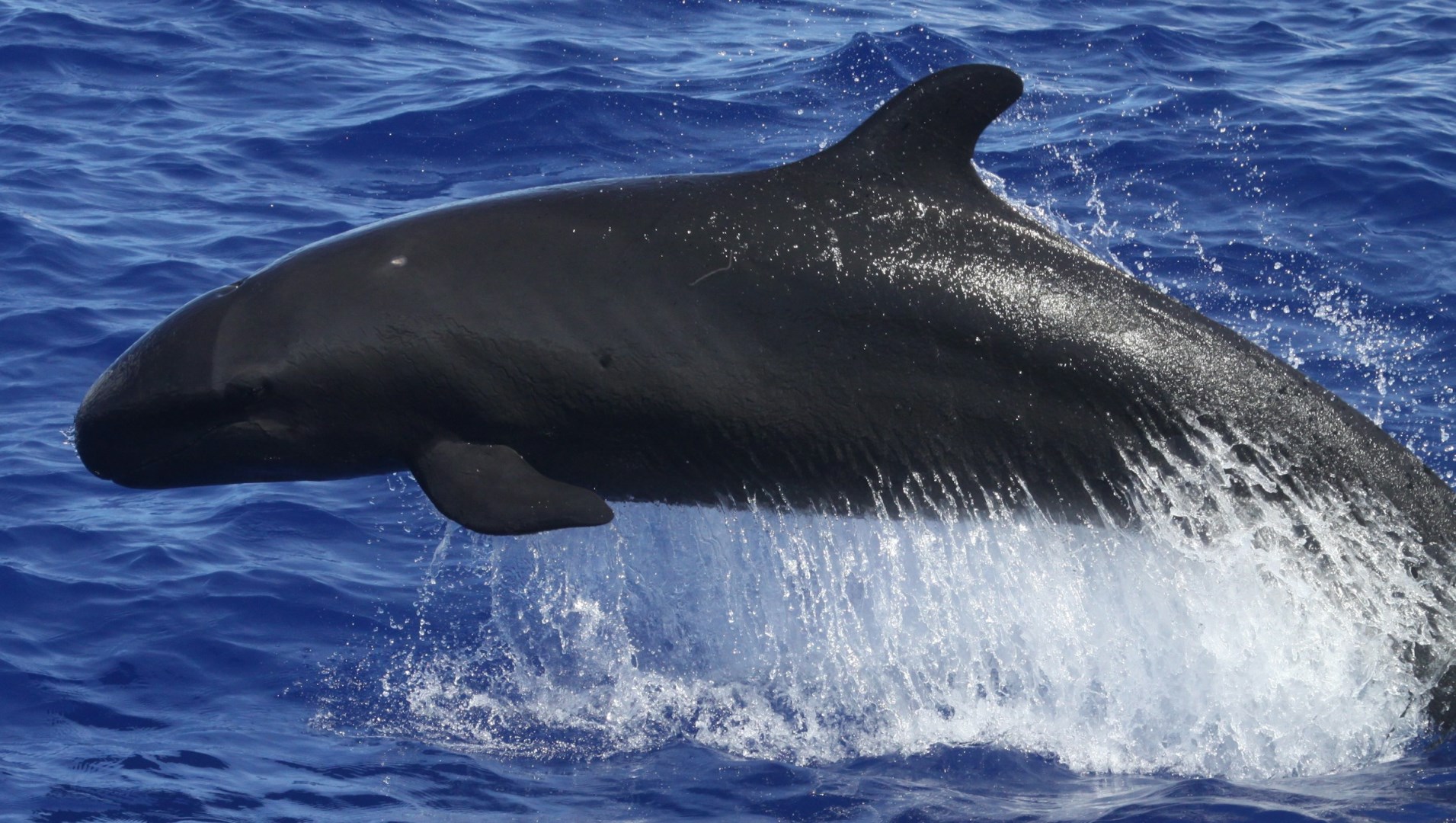
Rota Island
Rota is the southernmost island in the Northern Mariana Islands, situated between Guam and the larger islands farther north in the archipelago. Its landscape combines limestone hills, coastal cliffs, sandy beaches, forests, and small farming areas.
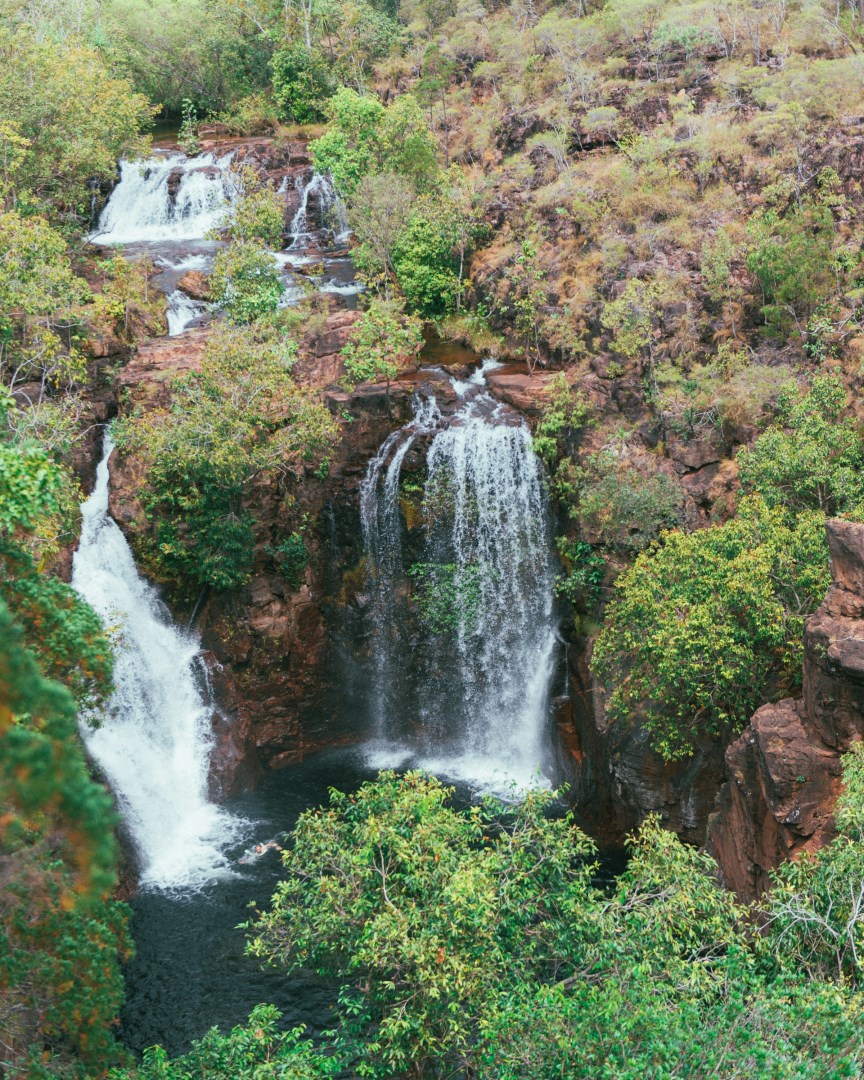
Karijini National Park
Wander through red gorges, swim in clear rock pools, and stand beneath spectacular waterfalls. It is an awe-inspiring journey into the rugged heart of the outback.
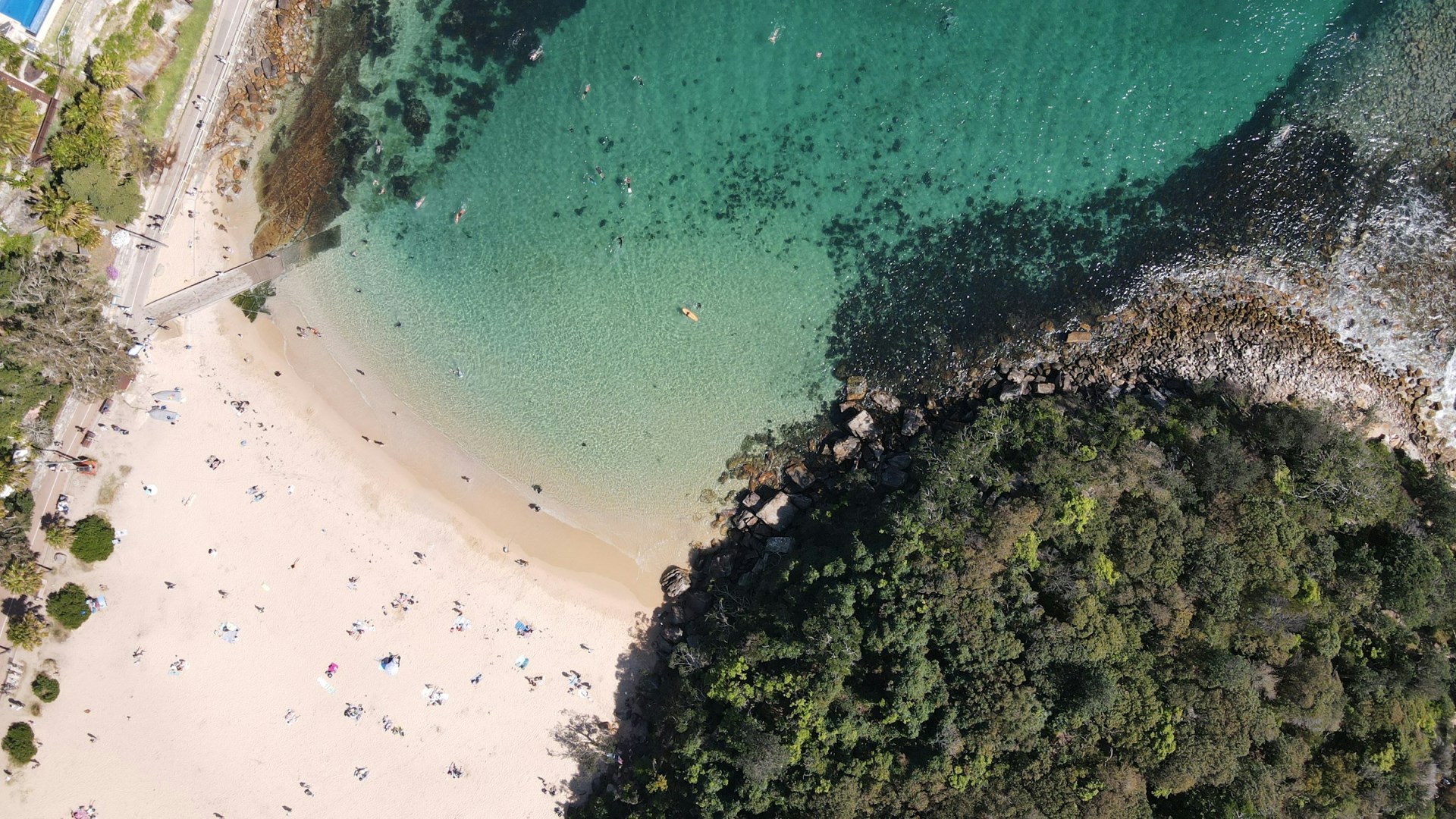
Manly
Manly, a seaside suburb of Sydney, Australia, is celebrated for its relaxed coastal charm and vibrant outdoor lifestyle. Situated on the northern beaches of Sydney Harbour, it offers a unique combination of golden sands, surf-friendly waves, and a bustling promenade filled with cafés, shops, and restaurants.
