
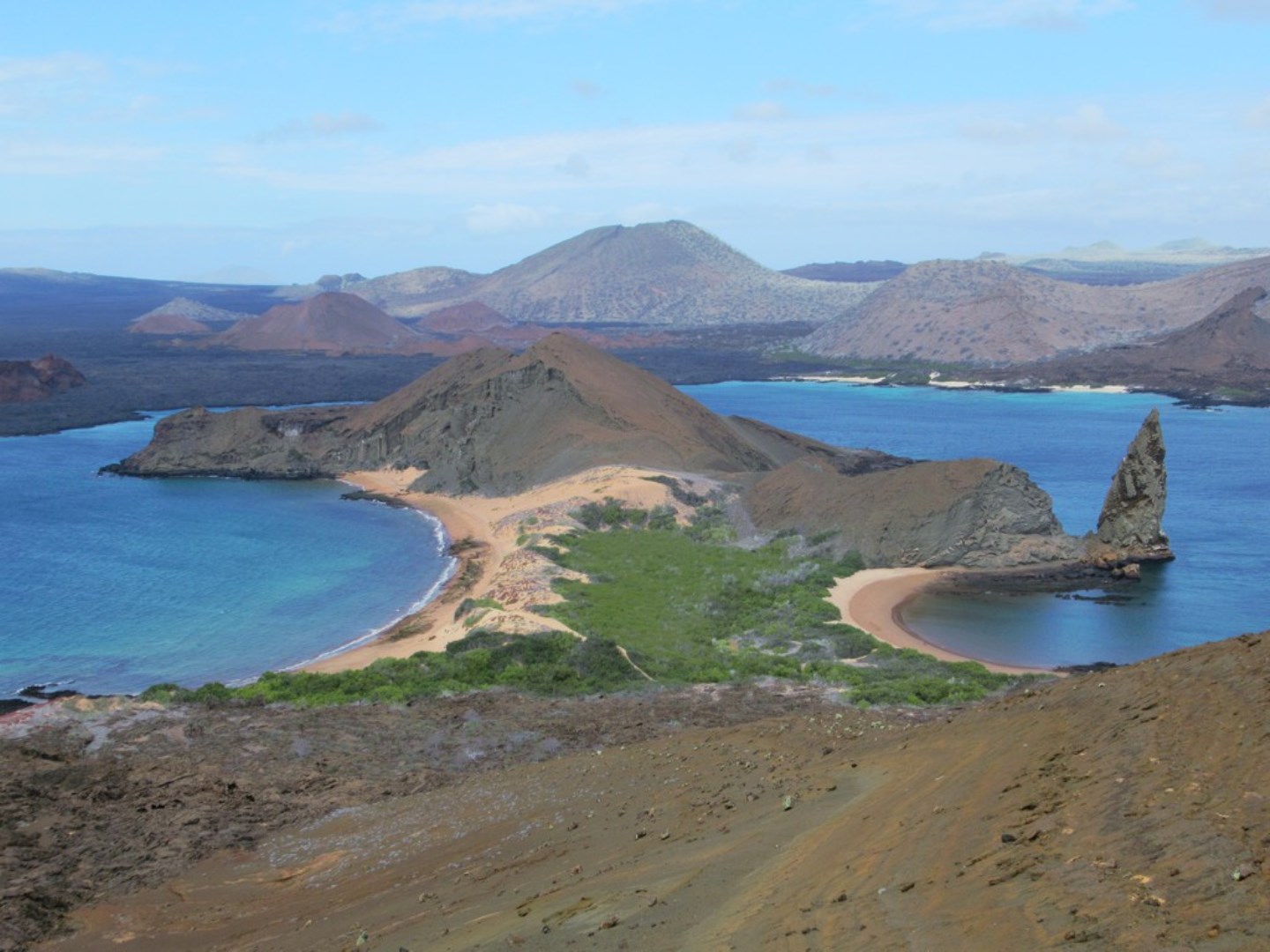
Sullivan Bay
Sullivan Bay, located on the eastern shore of Santiago Island in Ecuador’s Galápagos archipelago, offers a landscape that feels almost otherworldly at first glance. Instead of lush greenery, visitors are greeted by wide stretches of hardened lava. These black, rippled fields tell a story written in fire, where molten rock once flowed freely before cooling into intricate patterns that can still be traced today.
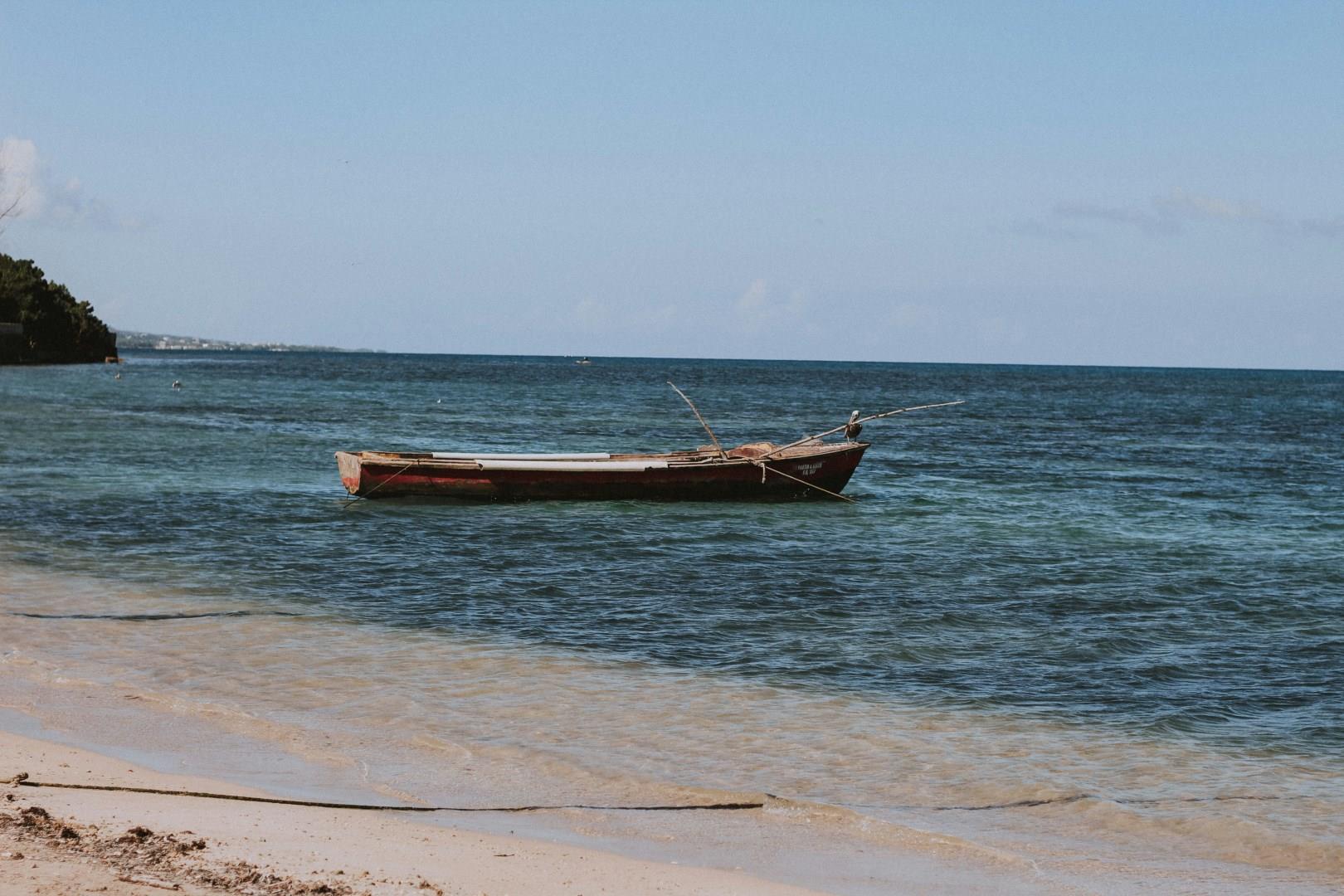
Falmouth
Falmouth, a charming port town on Jamaica’s north coast, offers a delightful mix of history, culture, and natural beauty. Founded in the 18th century, Falmouth is renowned for its well-preserved Georgian architecture, a testament to its once-thriving sugar trade.
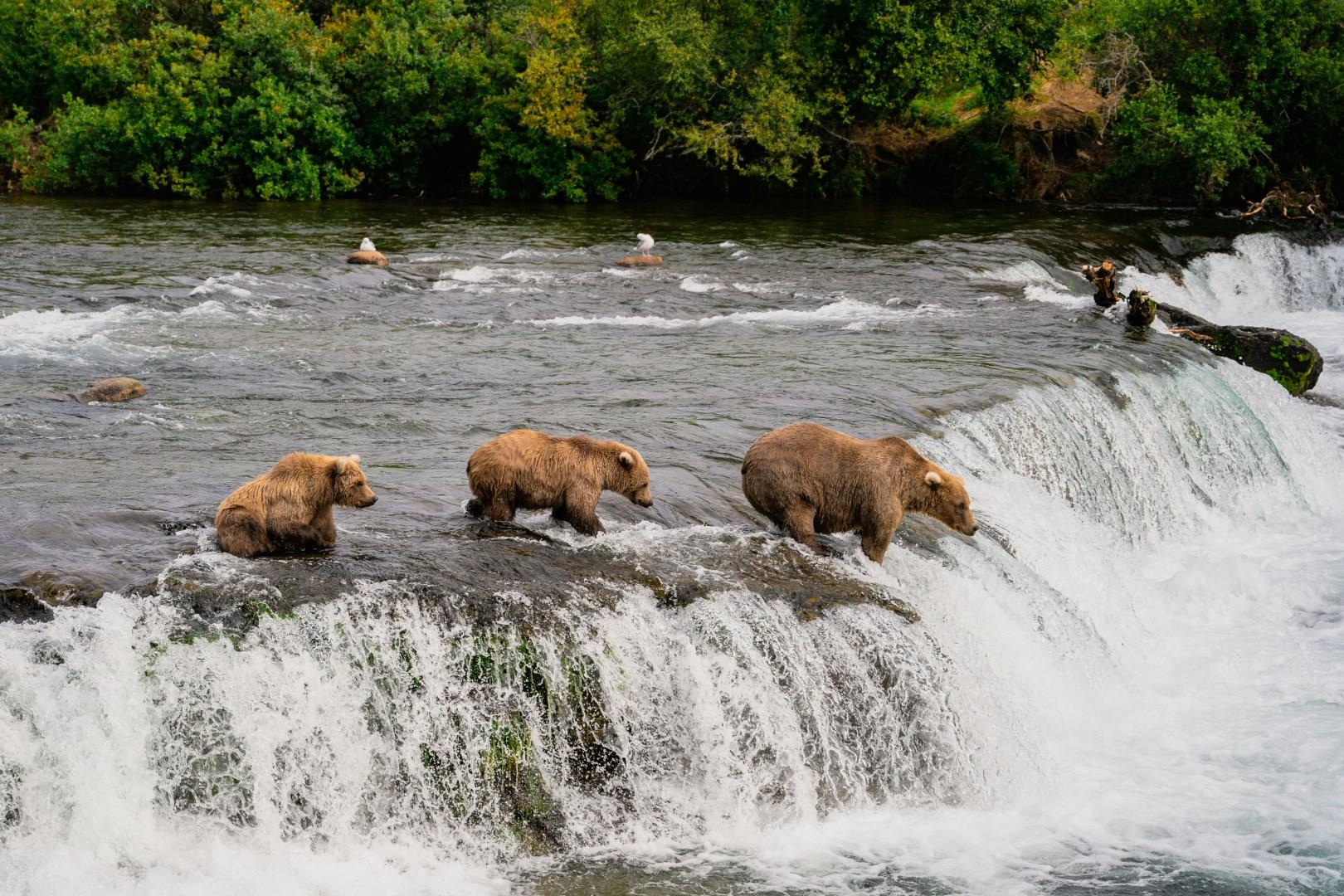
Katmai National Park
Katmai National Park and Preserve lies along Alaska’s remote Pacific coast, shaped by volcanism, glaciers, and deep time. The area gained prominence after the 1912 Novarupta eruption, one of the largest volcanic events of the 20th century, which transformed the landscape and led to the creation of the Valley of Ten Thousand Smokes.
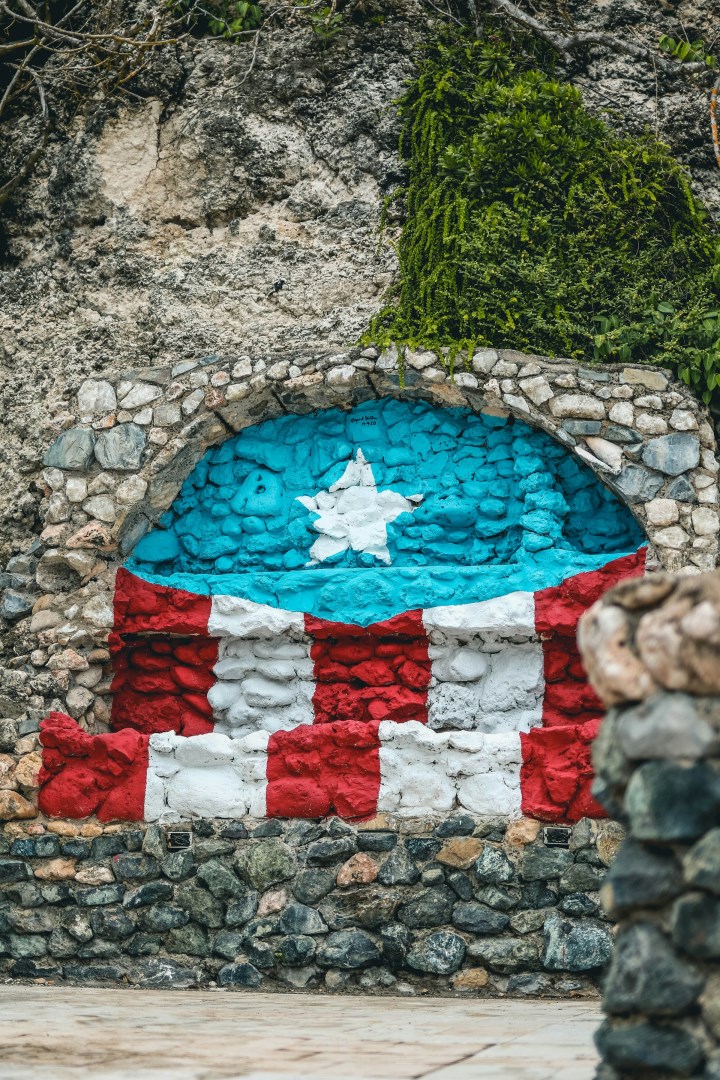
Isabela
Isabela is a coastal municipality on the northwestern side of Puerto Rico, where limestone hills meet the Atlantic Ocean. Its landscape includes long beaches, rocky shores, caves, karst formations, wetlands, and areas of tropical vegetation. Isabela is often associated with surfing and other coastal activities, while inland communities retain a strong agricultural character. The municipality is sometimes called the “Garden of the Northwest,” reflecting its fertile countryside and rural landscape
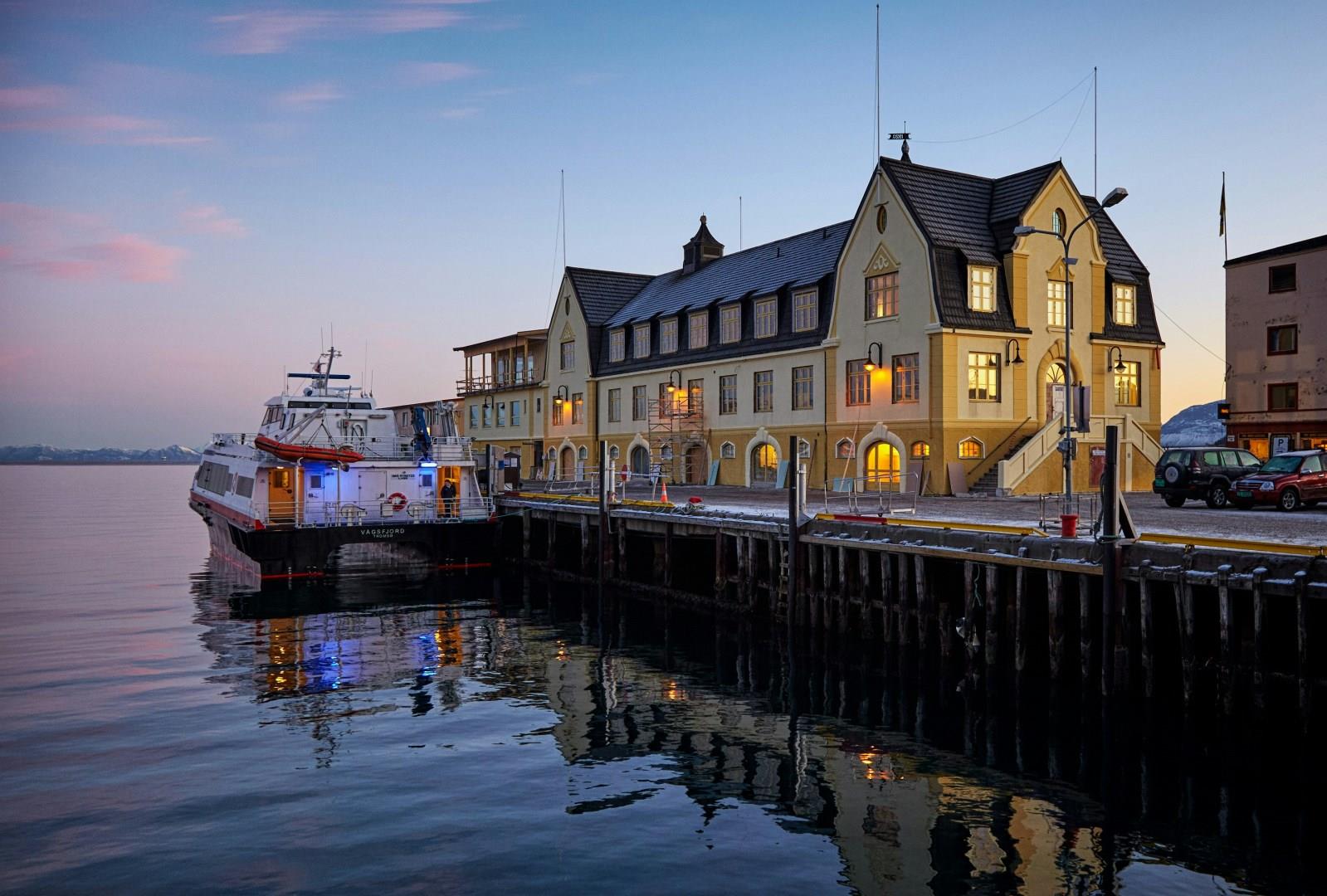
Harstad
Harstad is a coastal town in northern Norway, located on Hinnøya, the country’s largest island, and overlooking the strategic waters of Vågsfjorden. Its history spans from Viking settlements to modern fishing and shipping, giving the town a blend of maritime heritage and regional importance.
