
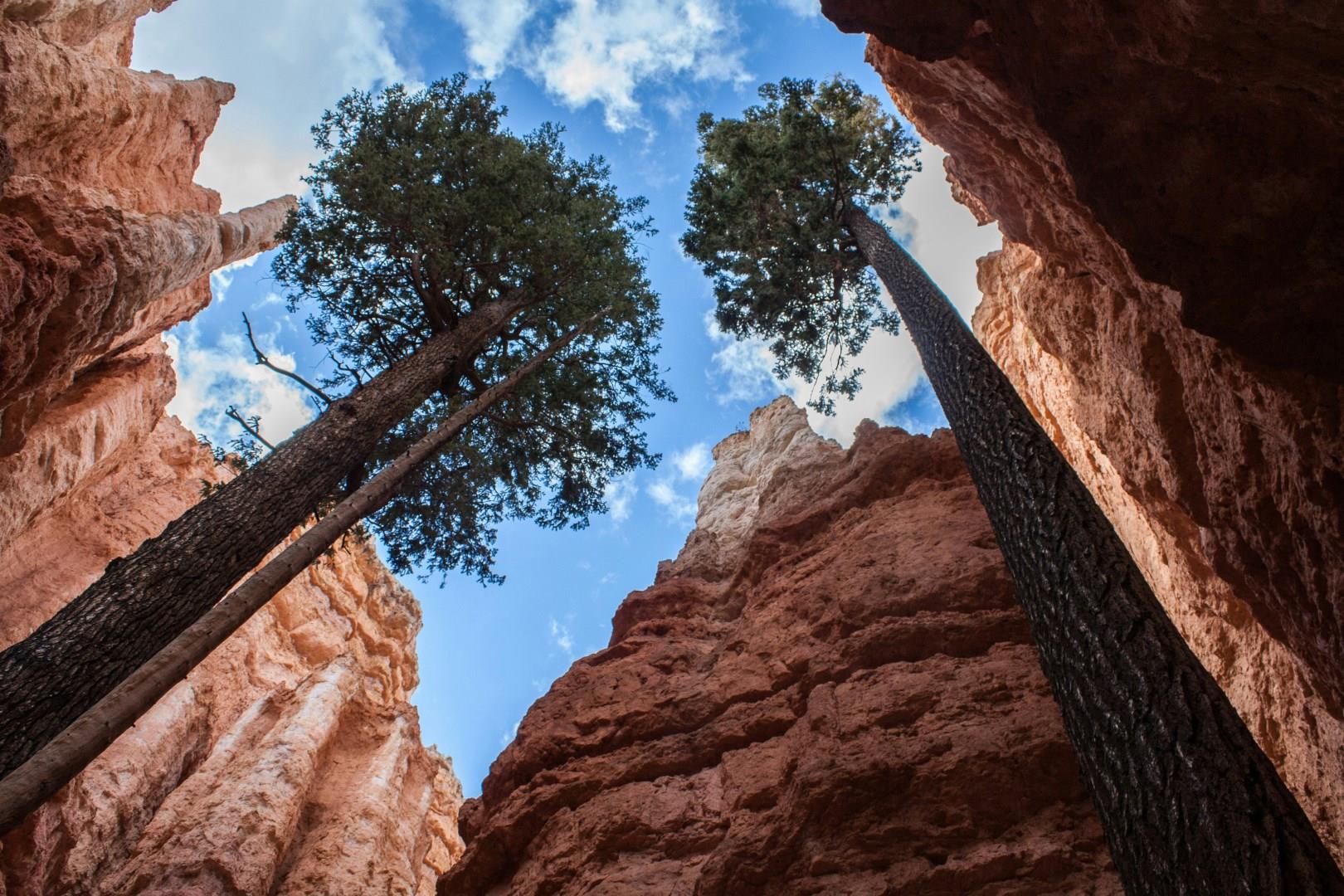
Bryce Canyon
Bryce Canyon, tucked into the high plateaus of southern Utah, offers one of the most unusual landscapes in the American Southwest. It’s not actually a canyon but a series of natural amphitheaters carved into the edge of the Paunsaugunt Plateau. What makes Bryce unique is its dense collection of hoodoos which are tall, thin spires of rock formed over millions of years by frost-wedging and erosion.
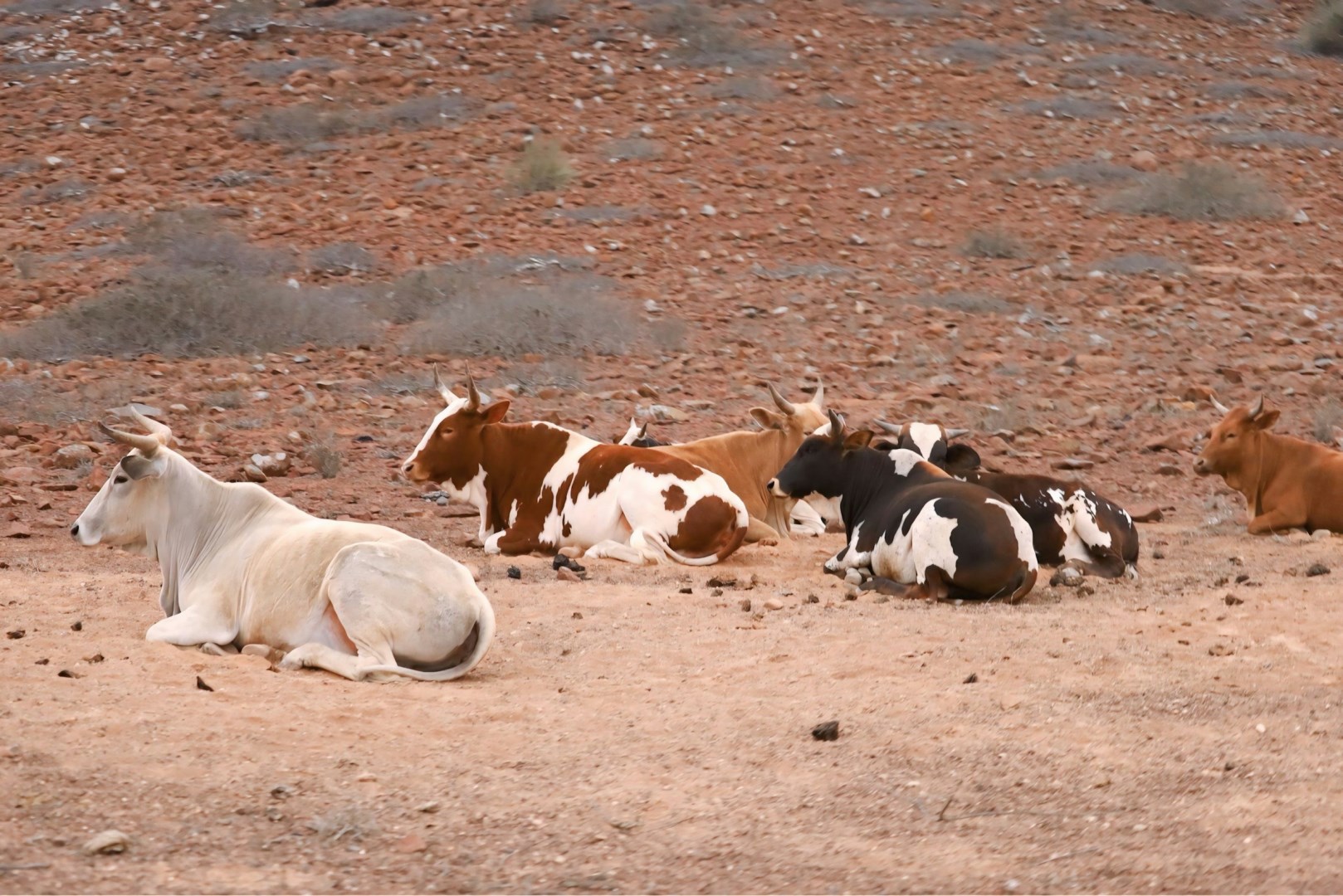
Namibe
Formerly Mocamedes, this port in southwest Angola has become an important industrial center since a rail line was built in 1905 connecting it with the interior of Angola. In 1967 when iron ore was discovered in Dongo, an additional line was laid and the port was enlarged.

Ishigaki
Ishigaki, the vibrant hub of the Yaeyama Islands in Japan, is a tropical paradise renowned for its stunning natural beauty and unique cultural heritage. As the largest island in the Yaeyama group, Ishigaki is celebrated for its breathtaking beaches and crystal-clear waters, such as the pristine Kabira Bay, famous for its turquoise hues and coral reefs.

Gobi Desert
The Gobi Desert, spanning across northern China and southern Mongolia, is one of the world’s most iconic and mysterious landscapes. Known for its vast stretches of arid plains, towering sand dunes, and rugged mountains, the Gobi offers a stark, breathtaking beauty that has captivated explorers and travelers for centuries.

Texas
Texas is a state where size meets story from high plains to coastal shores, every region brings something distinct to the table. In San Antonio, visitors can walk through centuries of layered history starting at the Alamo, a site of one of the most famous battles in the state’s fight for independence. The nearby San Antonio Missions, a UNESCO World Heritage Site, offers a deeper look into the Spanish colonial influence that shaped the region.
