

Turku
Turku, Finland’s oldest city, is a captivating blend of rich history and contemporary charm. Established in the early 13th century, Turku is renowned for its medieval architecture, including the majestic Turku Castle.

Aqaba
Red Sea beaches, world-class snorkeling and spectacular desert environments are all reasons to visit the port city of Aqaba, Jordan. Take a quick walk from the city's lovely waterfront promenade and behold its Old Town, which features the 14th century Mamluk Fort and the Aqaba Archaeological Museum.

Qatar
Qatar invites discovery through both its modern ambition and traces of its desert heritage. In Doha, the Museum of Islamic Art, designed by I. M. Pei, rises over the waterfront to display centuries of calligraphy, ceramics, textiles, and metalwork. Nearby, the National Museum of Qatar presents the nation's story through exhibits and architecture shaped like the desert rose. Each space offers both insight and reflection.

Ashland
Ashland is a small city in southern Oregon, set in the foothills of the Siskiyou Mountains near the California border. The community is known for its tree-lined streets, historic downtown, Lithia Park, and access to surrounding mountain landscapes. Ashland’s compact center contains independent shops, restaurants, galleries, and historic buildings, while Ashland Creek runs through the city and into the park.
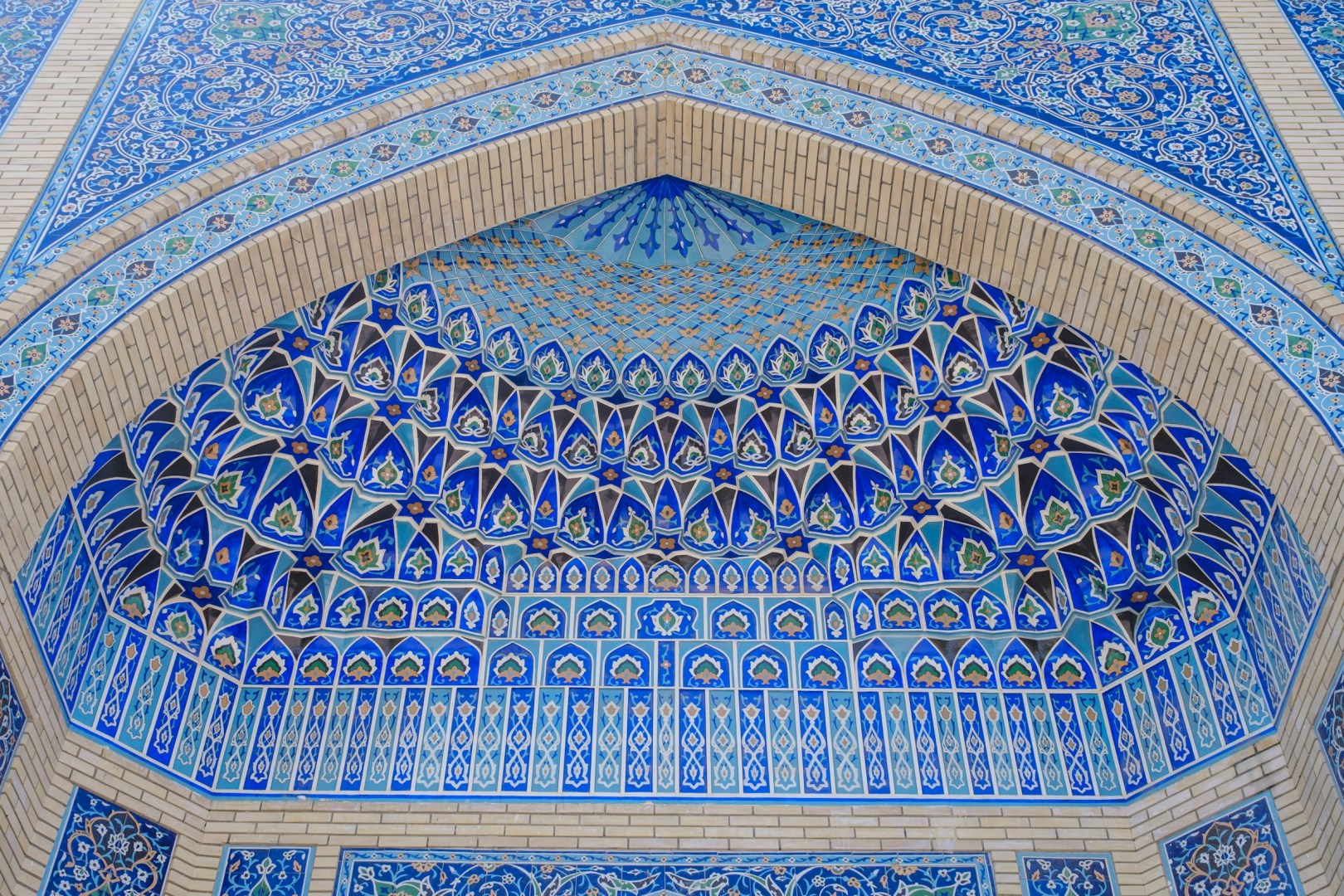
Zaamin
Zaamin is a mountain district in eastern Uzbekistan’s Jizzakh Region, known for its forests, highland landscapes, and traditional villages. The area lies around the Turkestan Range and is closely associated with Zaamin National Park, one of the country’s protected mountain areas. Zaamin has long been regarded as a destination for fresh mountain air and outdoor recreation, while its villages retain agricultural traditions and a quieter rural character.
