

Maui Island
Maui is a Hawaiian paradise offering an incredible variety of landscapes, experiences, and cultural traditions. Known for its valleys, beaches, and volcanic peaks, Maui attracts visitors who want to immerse themselves in nature and Hawaiian heritage. The island’s crown jewel is Haleakalā National Park, where the massive dormant volcano provides beautiful scenery and unforgettable sunrise views. Visitors can hike through the park or stargaze under one of the clearest night skies in the world.
Charlestown
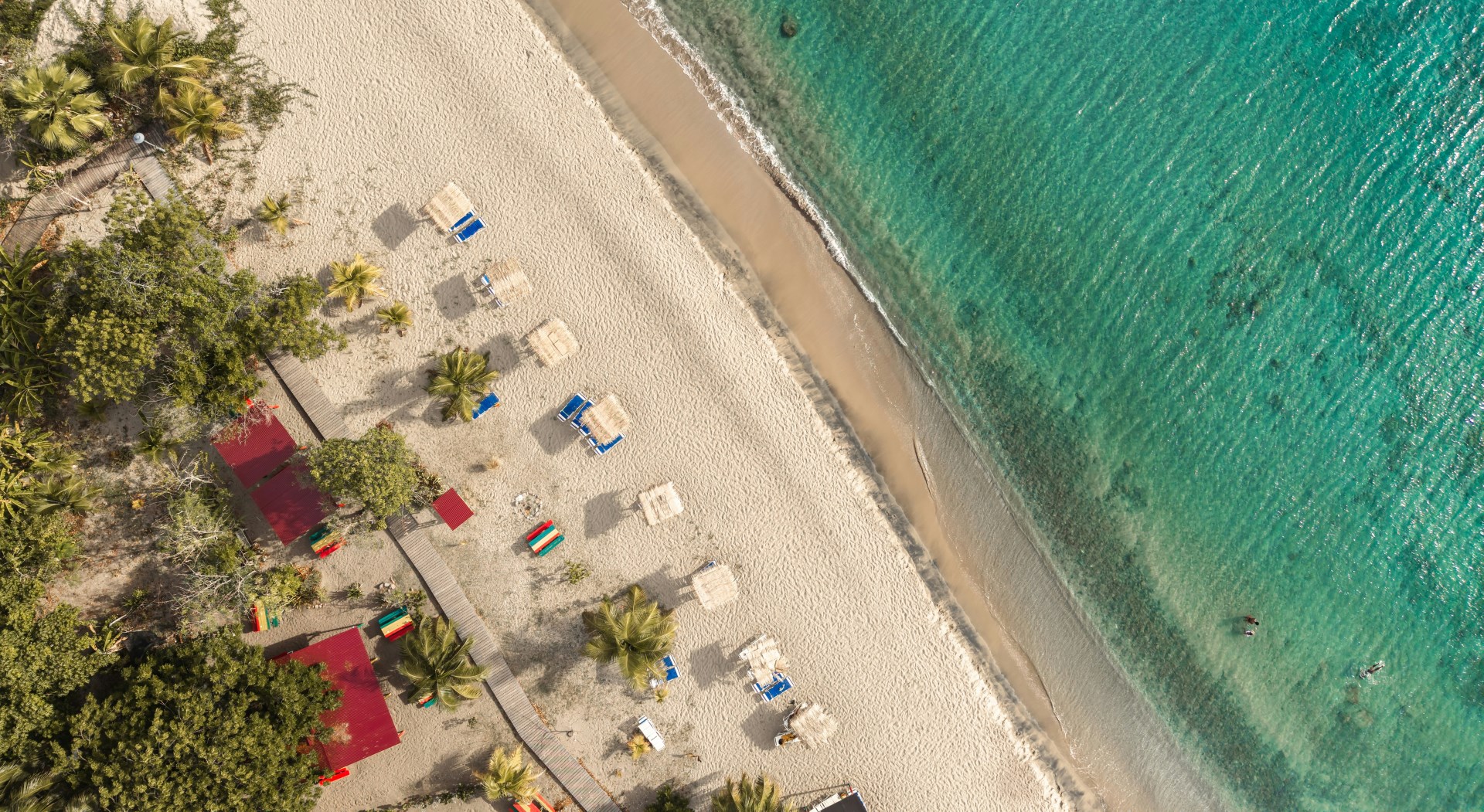
Charlestown is the historic capital of Nevis, located on the island’s west coast beside the Caribbean Sea. The compact town retains much of its Georgian-era layout, with low stone buildings, wooden houses, narrow streets, and a waterfront facing Saint Kitts across The Narrows. Charlestown also serves as an important ferry and water-taxi arrival point, connecting Nevis with neighbouring islands.

Puno
Situated on the shore of Lake Titicaca, Puno is referred to as the folkloric capital of Peru due to its artistic and cultural expressions, particularly dance. Notable landmarks include the Andean baroque-style Puno Cathedral and the Yavari, a 19th-century steamship. Products created from alpaca, llama, or sheep wool are a signature of the area, as well as musical instruments like the siku.
Cameroon
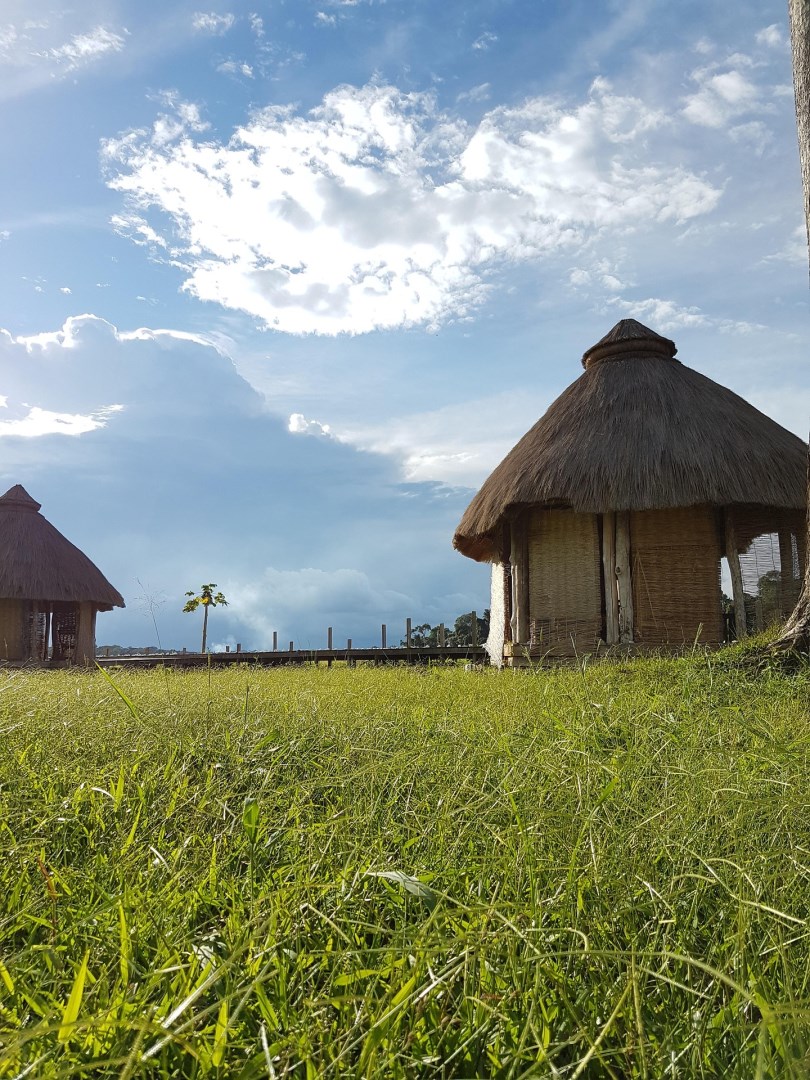
Cameroon is often called “Africa in miniature” for good reason. Within its borders, travelers can explore coastal beaches, dense rainforests, vast savannas, active volcanoes, and snow-capped peaks, all without crossing a border. The country’s most iconic landmark, Mount Cameroon, is the highest mountain in West Africa and an active volcano that draws hikers from around the world.
Ouro Preto
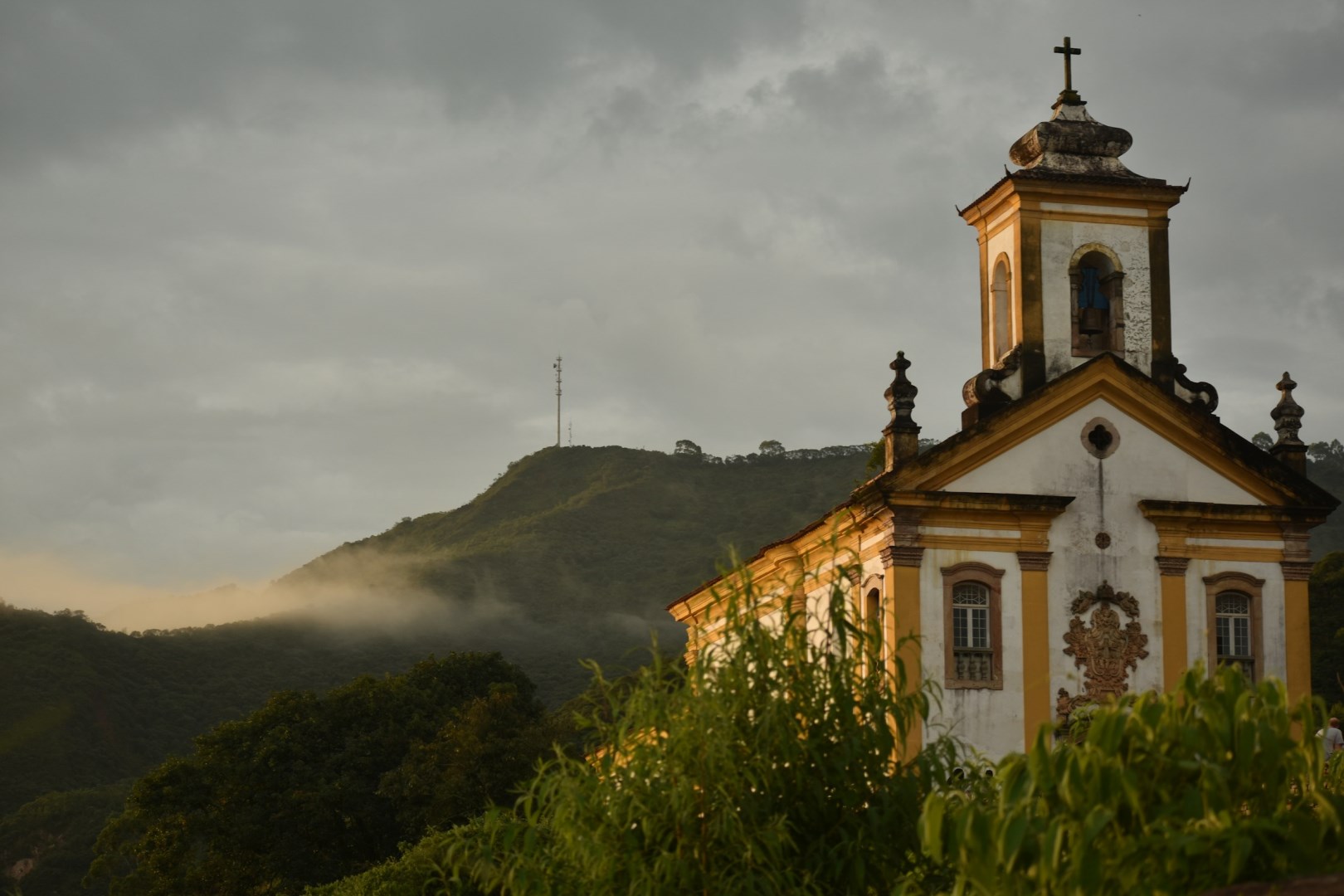
In Ouro Preto you will learn about the history of civilization. Walking around on the streets of Ouro Preto is an adventur full of discovery! With just a little time, you can wander freely between a world of history and that of actuality, with limits outlined by colonial architecture that now houses charming inns, restaurants, museums, shops, and more.
