
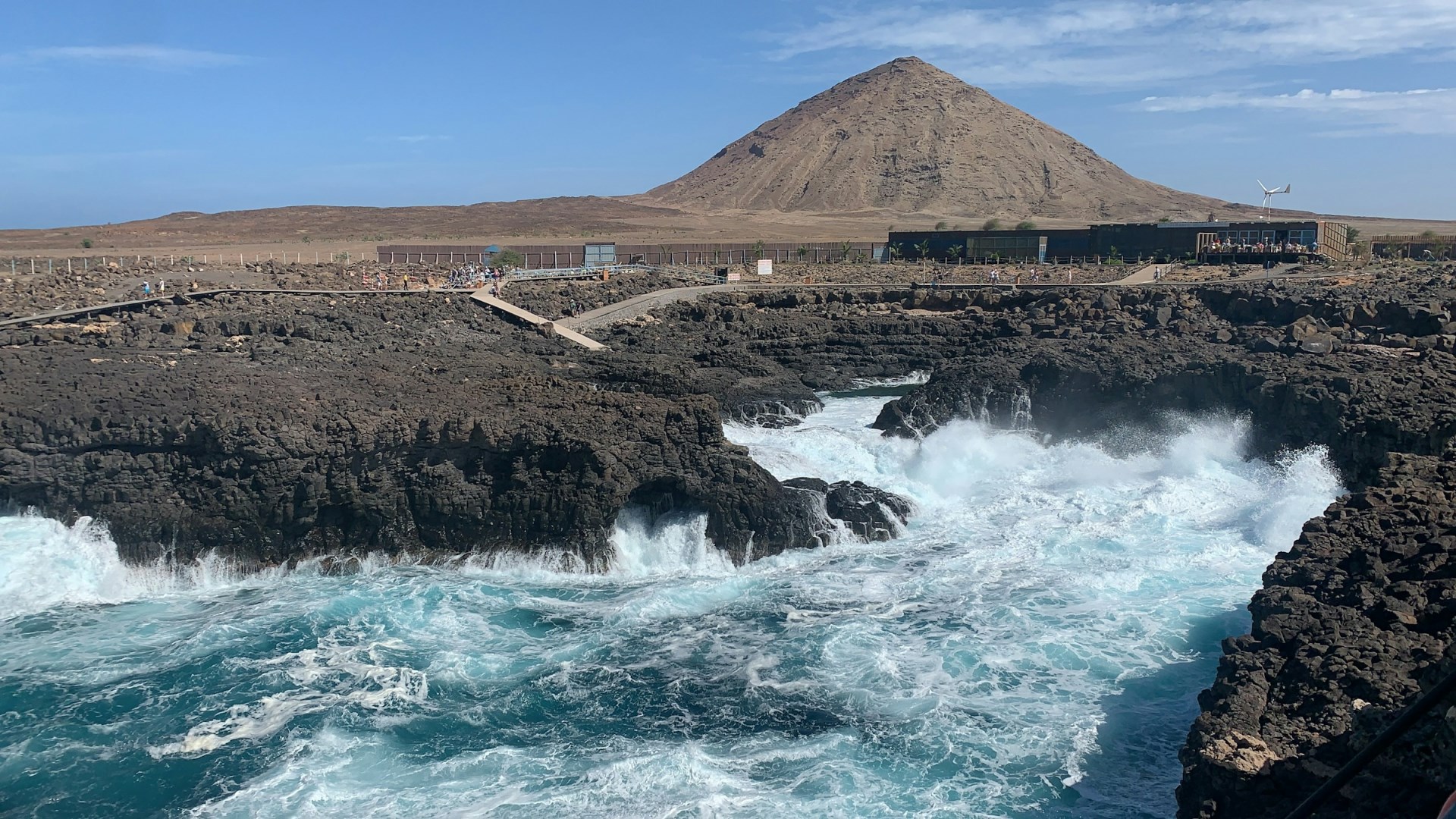
Sal
Sal is a relatively flat, dry island in Cabo Verde, known for its broad beaches, volcanic landscapes, and strong connection with the sea. Its main urban centers are Espargos, the island’s administrative capital, and Santa Maria, a coastal town that developed around fishing and salt production and is now the island’s principal tourism center.
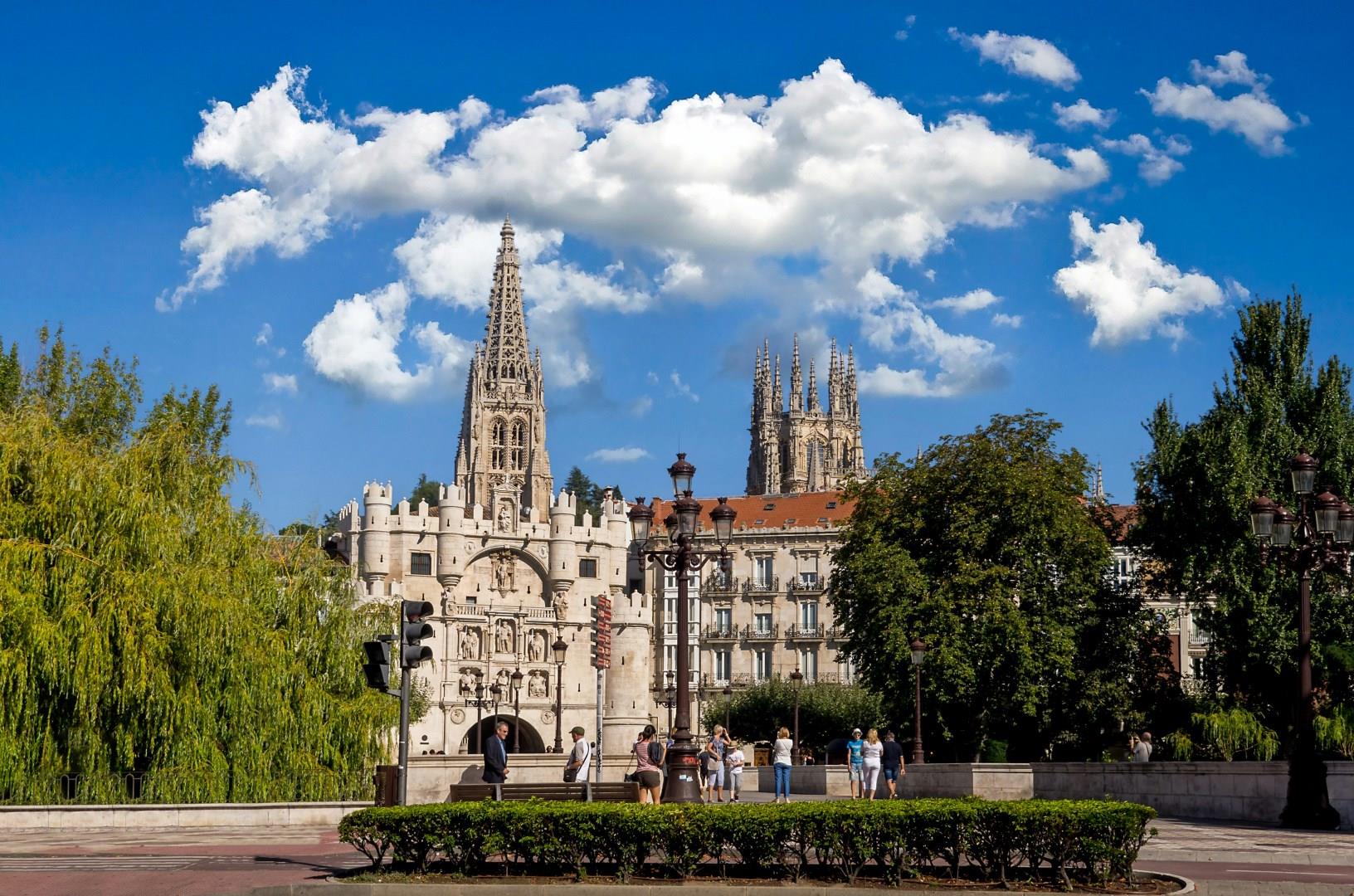
Burgos
Burgos, located in northern Spain, is a city where medieval heritage is still part of daily life. At its heart stands the Burgos Cathedral, a UNESCO World Heritage Site and one of the most striking examples of Gothic architecture in Europe. Construction began in 1221 and continued for over 300 years, resulting in a cathedral that features elaborate spires, stained glass, and the tomb of El Cid, Spain’s legendary military leader.

Great Exuma
The Exumas are located in the middle of The Bahamas, yet remain mostly undisturbed. A collection of some 365 cays and islands stretching over 120 miles, The Exumas are supported at the far southern tip of the chain by two main islands, Great Exuma and Little Exuma.

Amboseli National Park
Nestled in Kenya’s southern region, Amboseli is a captivating destination renowned for its stunning landscapes and vibrant wildlife. Dominated by the majestic Mount Kilimanjaro, Amboseli National Park offers a striking contrast between the snow-capped peak and the arid plains below. The park is famous for its expansive vistas and the opportunity to witness diverse wildlife, including large herds of elephants, which are a major attraction.
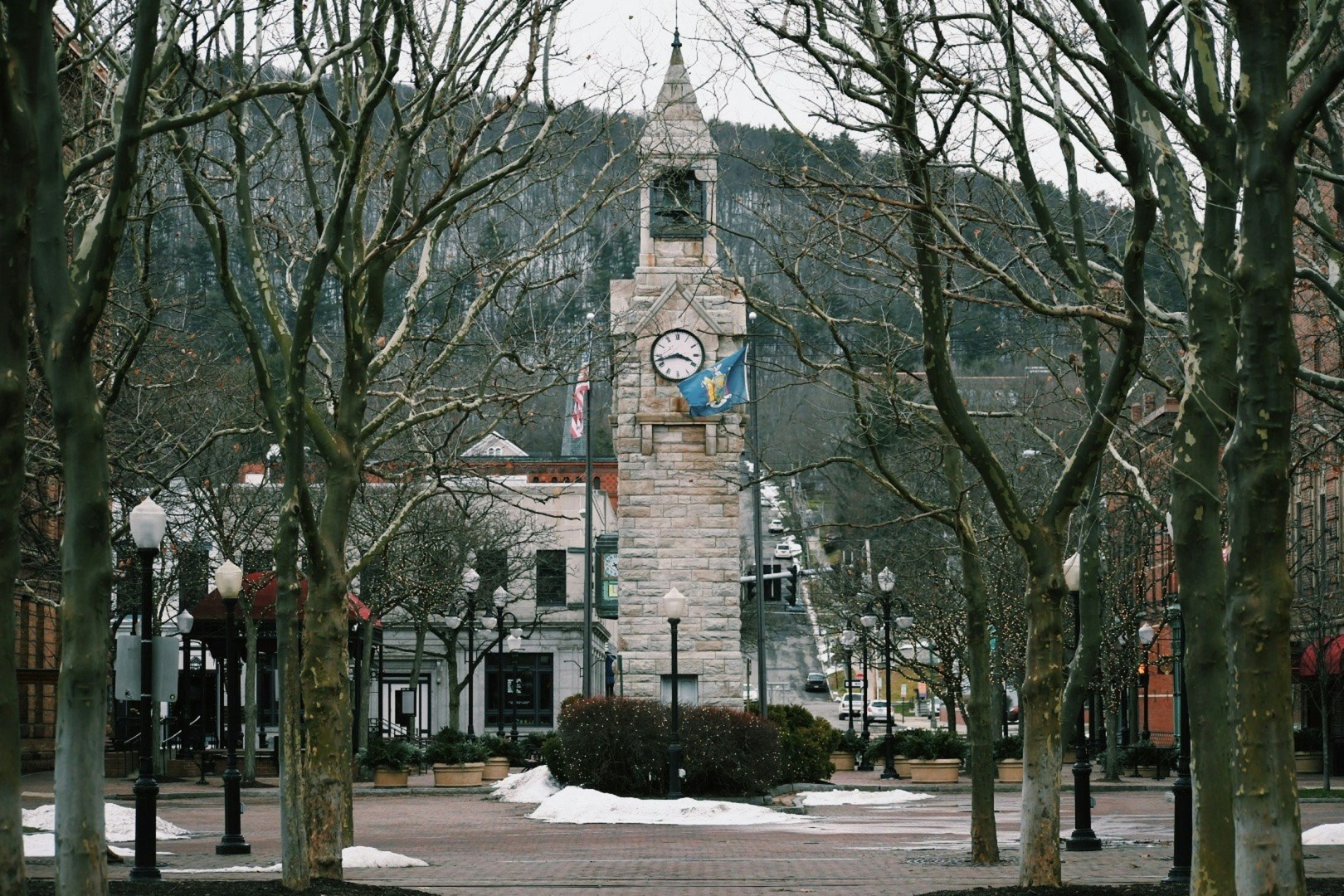
Corning
Corning is a small city in New York’s southern Finger Lakes region, set along the Chemung River and known internationally for its connection to glassmaking. The city combines a compact downtown with historic buildings, museums, galleries, and access to the surrounding hills and waterways. Market Street forms the center of the Gaffer District, where shops, restaurants, cafés, and local businesses occupy restored storefronts.
