

Kangaroo Island
This island is Australia's third largest, only a short flight or ferry trip from the mainland. The abundance of native flora and fauna are unthreatened due to its remoteness. Sea lions basking in the sun and penguins promenading are a spectacle to see. PirKangaroo Island, often described as Australia’s "Galápagos," is a wildlife sanctuary and nature lover's paradise located off the coast of South Australia.
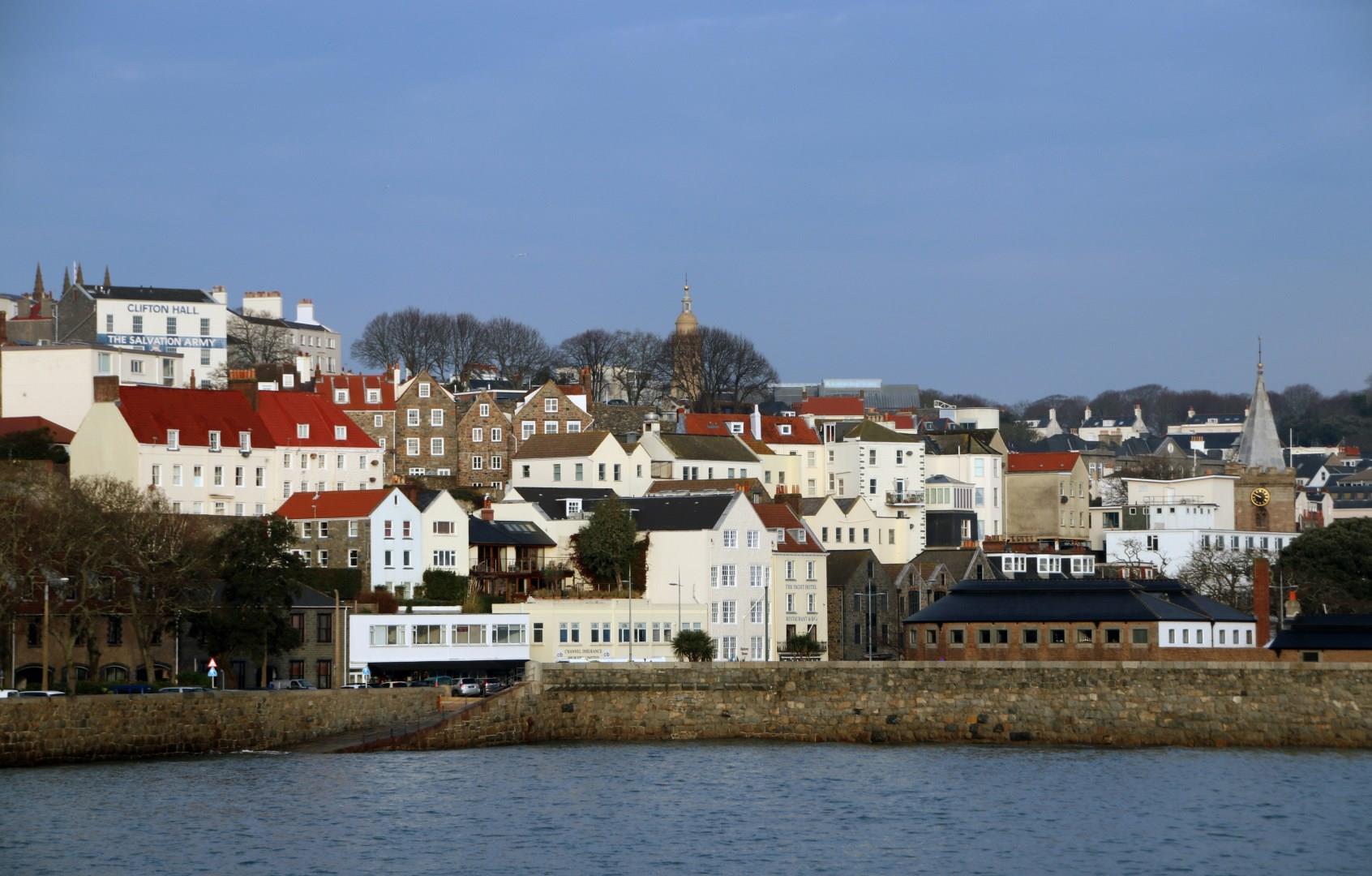
St. Peter Port
St. Peter Port, the charming capital of Guernsey, is a picturesque harbor town brimming with history and culture. Overlooking the serene waters of St. Peter Port Harbour, this city is renowned for its stunning waterfront views and vibrant maritime atmosphere. The harbor area is perfect for leisurely strolls, offering a mix of historical architecture and bustling market streets.
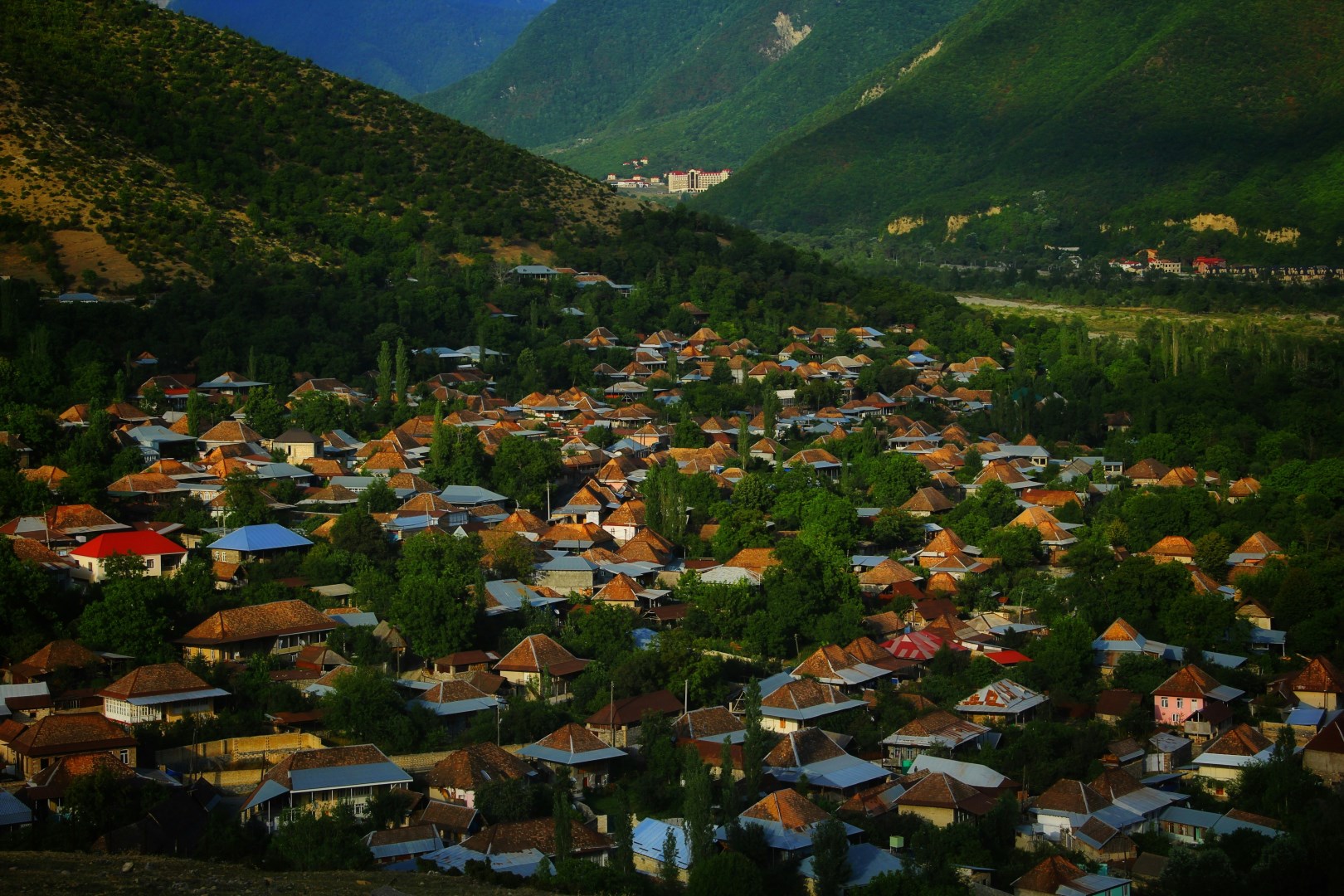
Sheki
Sheki is a historic city in northwestern Azerbaijan, located near the forested foothills of the Greater Caucasus Mountains. It developed as an important trading center along Silk Road routes connecting the Caucasus with Persia and Central Asia.
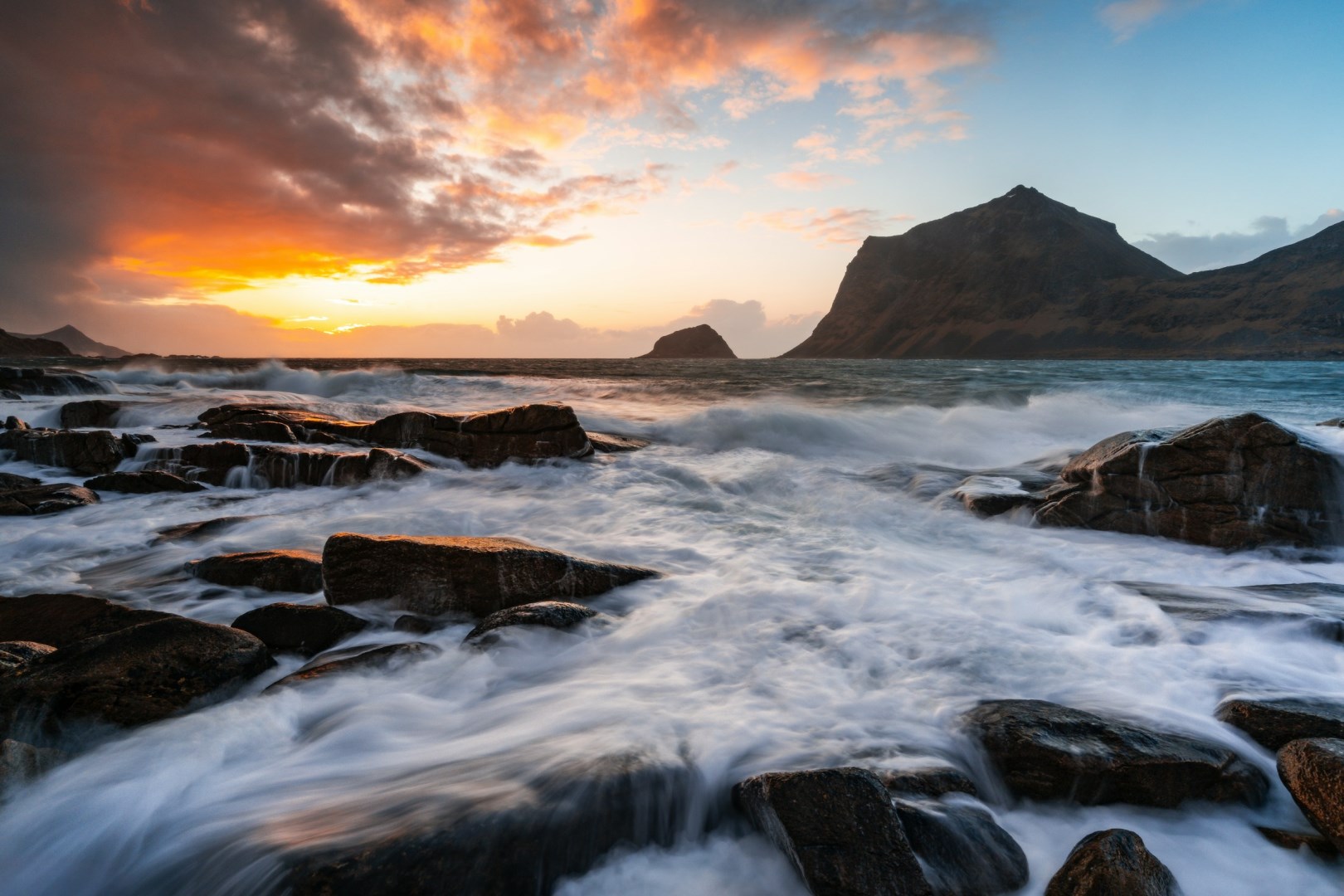
Leknes
Leknes sits in the heart of Norway’s Lofoten Islands, a small town shaped more by geography than by long urban history. It developed as a regional hub for farming, fishing, and transport, serving surrounding villages spread across Vestvågøy. Rather than presenting a preserved past, Leknes reflects contemporary life in the north, practical and closely tied to seasonal rhythms.

Slovenia
>Slovenia, tucked between the Alps and the Adriatic Sea, is a small country with a strong sense of identity and an impressive variety of landscapes. Its capital, Ljubljana, is known for its walkable center and mix of Baroque, Secessionist, and modern architecture. The Ljubljanica River runs through the city and is lined with open-air cafés and artisan shops.
