
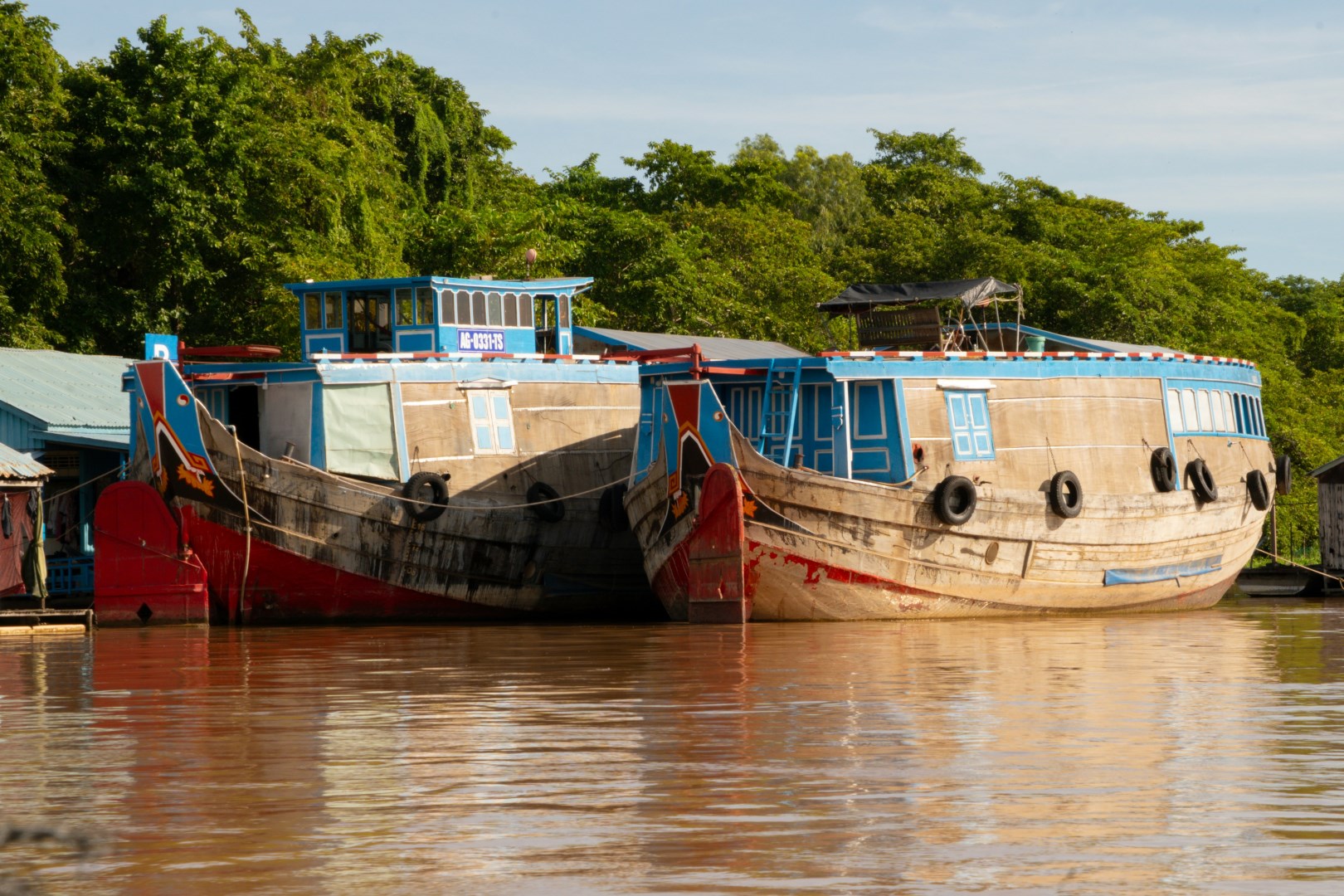
Chau Doc
Chau Doc is a riverside city in Vietnam’s An Giang Province, close to the border with Cambodia and the waterways of the Mekong Delta. The city is known for its floating fish farms, canal networks, and active river trade that connects nearby rural communities.
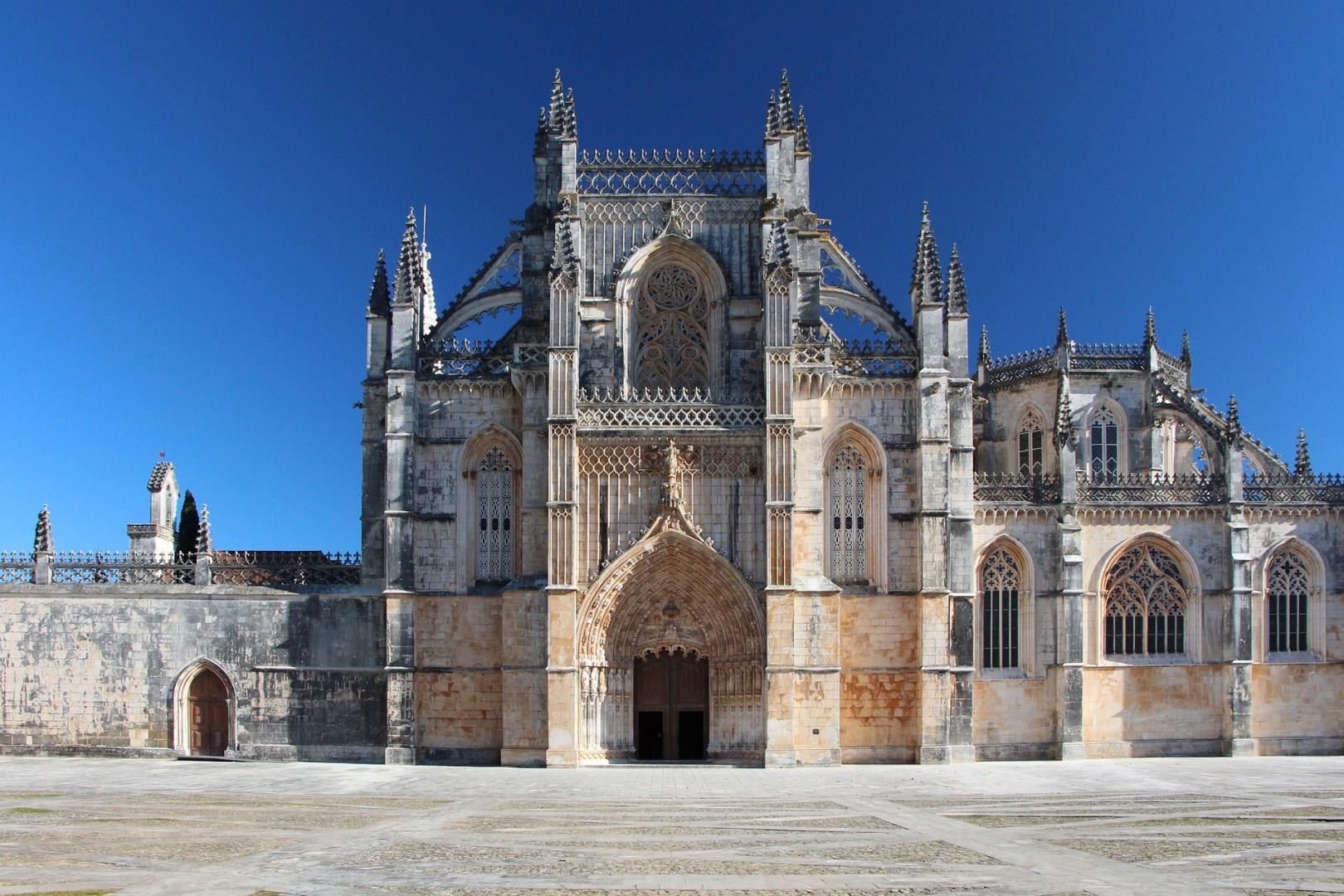
Batalha
Batalha, a small town in central Portugal, is steeped in history and home to one of the country’s most magnificent monuments, the Batalha Monastery. This UNESCO World Heritage Site, also known as the Monastery of Santa Maria da Vitória, was built to commemorate the Portuguese victory over Castile at the Battle of Aljubarrota in 1385. I

Dominica
Dominica, known as the “Nature Island of the Caribbean,” is a haven for eco-tourists and adventure seekers. Nestled between the French islands of Guadeloupe and Martinique, this lush island boasts a remarkable landscape of volcanic mountains, dense rainforests, and stunning waterfalls. Dominica’s most iconic natural wonder is the Boiling Lake, the second-largest hot spring in the world.

Winnipeg
Winnipeg sits at the meeting point of the Red and Assiniboine rivers, a location that has shaped its role as a gathering place for thousands of years. Long before it became a modern city, the area was central to Indigenous trade networks, a legacy that remains visible today through institutions like The Forks and the Canadian Museum for Human Rights.

Nafplion
Nafplion, a picturesque coastal town in the Peloponnese, is often hailed as one of Greece's most charming and romantic destinations. As the first capital of modern Greece, Nafplion boasts a rich history, evident in its well-preserved neoclassical buildings, Venetian fortresses, and Ottoman influences.
