

Egypt
Egypt is a land of timeless wonders, where ancient history meets modern vibrancy. The Great Pyramids of Giza, the Sphinx, and the Temple of Karnak are just a few of the awe-inspiring monuments that attract millions of tourists each year.
Chihuahua
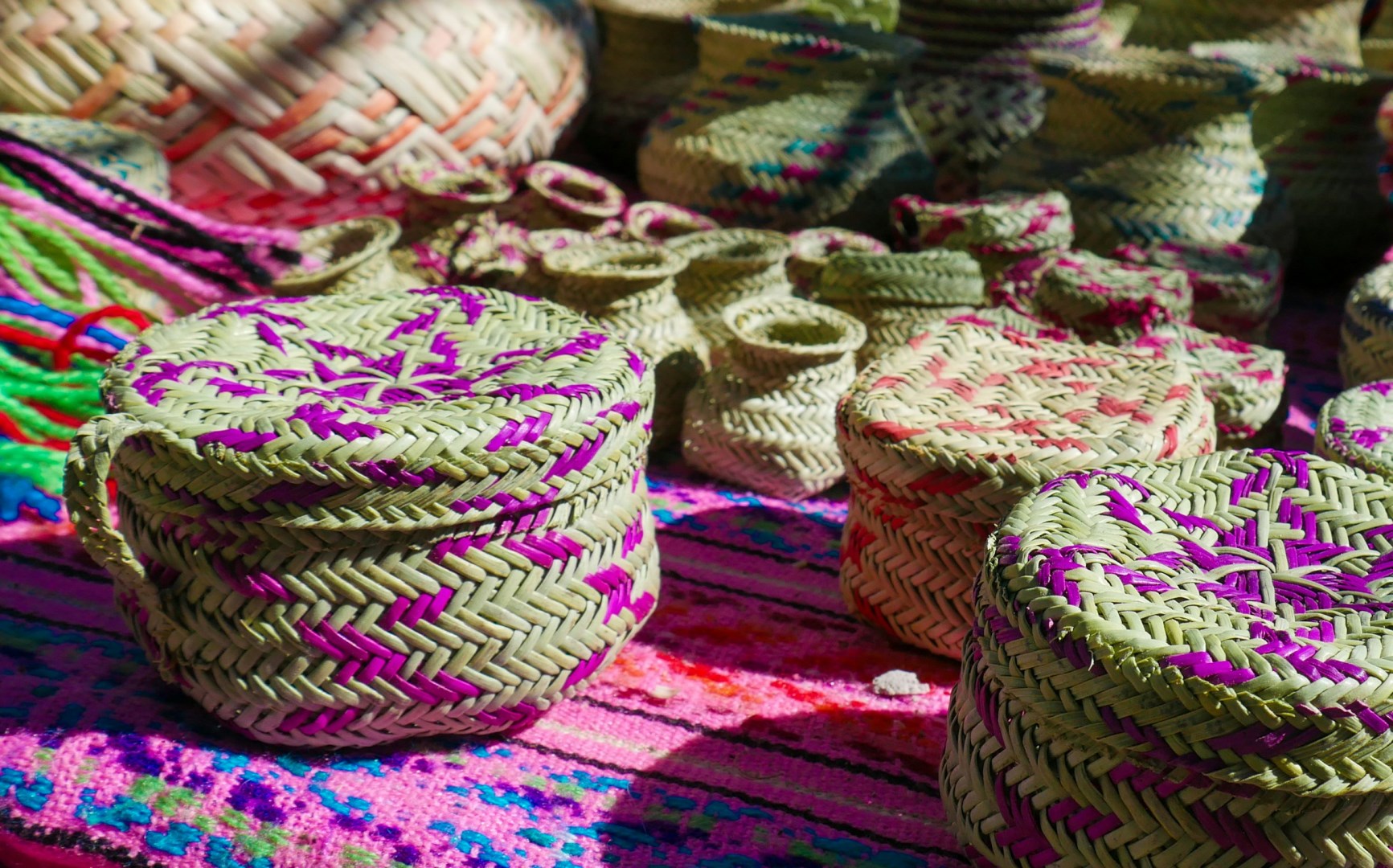
In northern Mexico, it is the capital of Chihuahua State and known most for the hairless dogs that bear the same name. Pancho Villa operated out of the surrounding mountains. It is a major mining and cattle raising center. The smelting plant employs many of the citizens.
Opatija
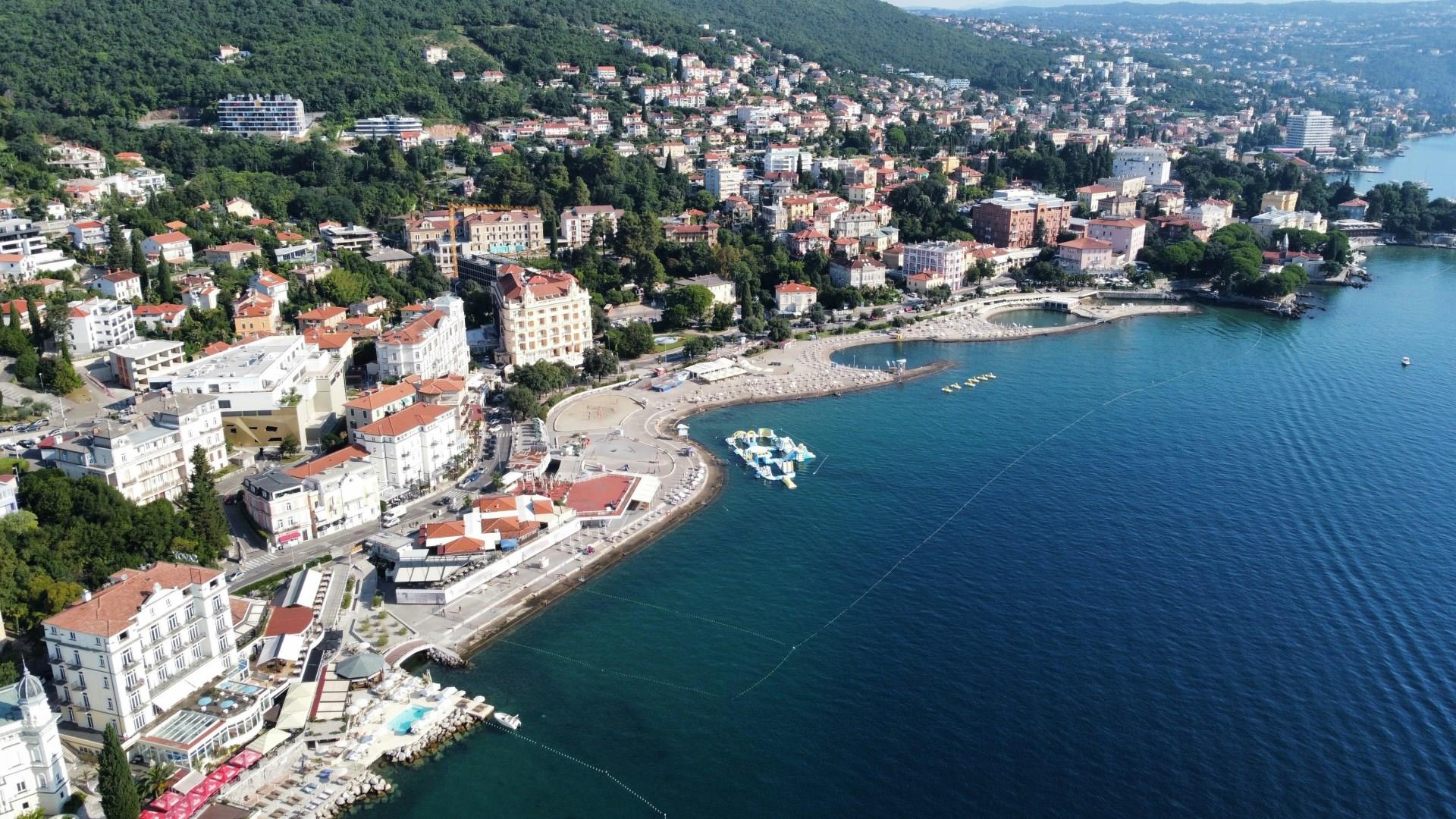
Opatija, located on Croatia’s Kvarner Bay, has been drawing visitors since the 19th century, when Austro-Hungarian aristocrats built grand villas along its Adriatic shoreline. Today, many of those same buildings still stand with some restored as luxury hotels and others preserved as cultural landmarks. The town’s most recognizable structure, Villa Angiolina, opened in 1844 and marked the start of Opatija’s rise as a fashionable seaside resort.
El Jem
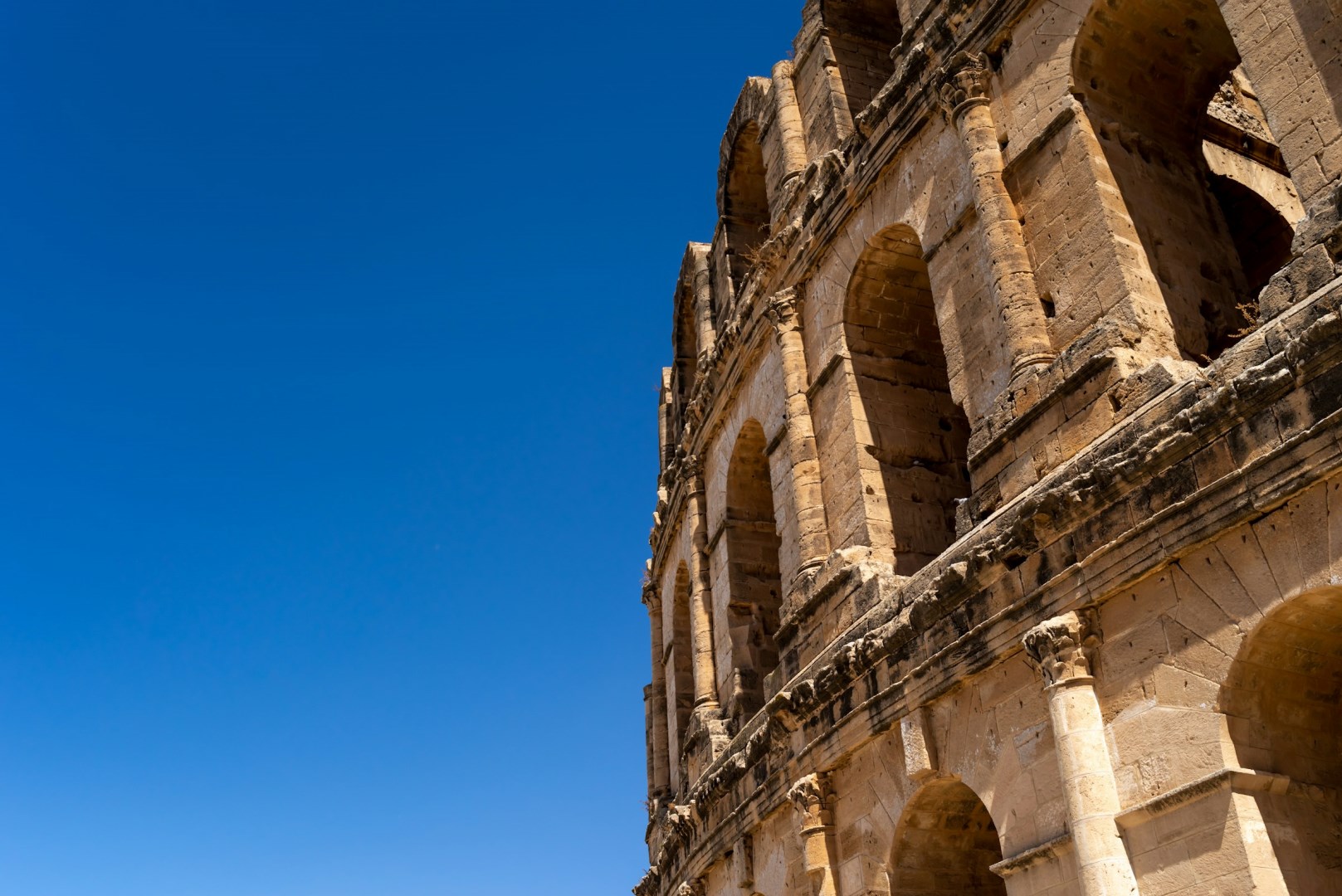
El Jem is a town in central Tunisia best known for its exceptionally preserved Roman amphitheatre, which dominates the surrounding plain. The monument was built as a free-standing structure of stone blocks and could accommodate an estimated 35,000 spectators, making it one of the largest amphitheatres in the Roman world. El Jem developed in an important agricultural region associated with olive cultivation and the production and trade of olive oil.
Kalmar
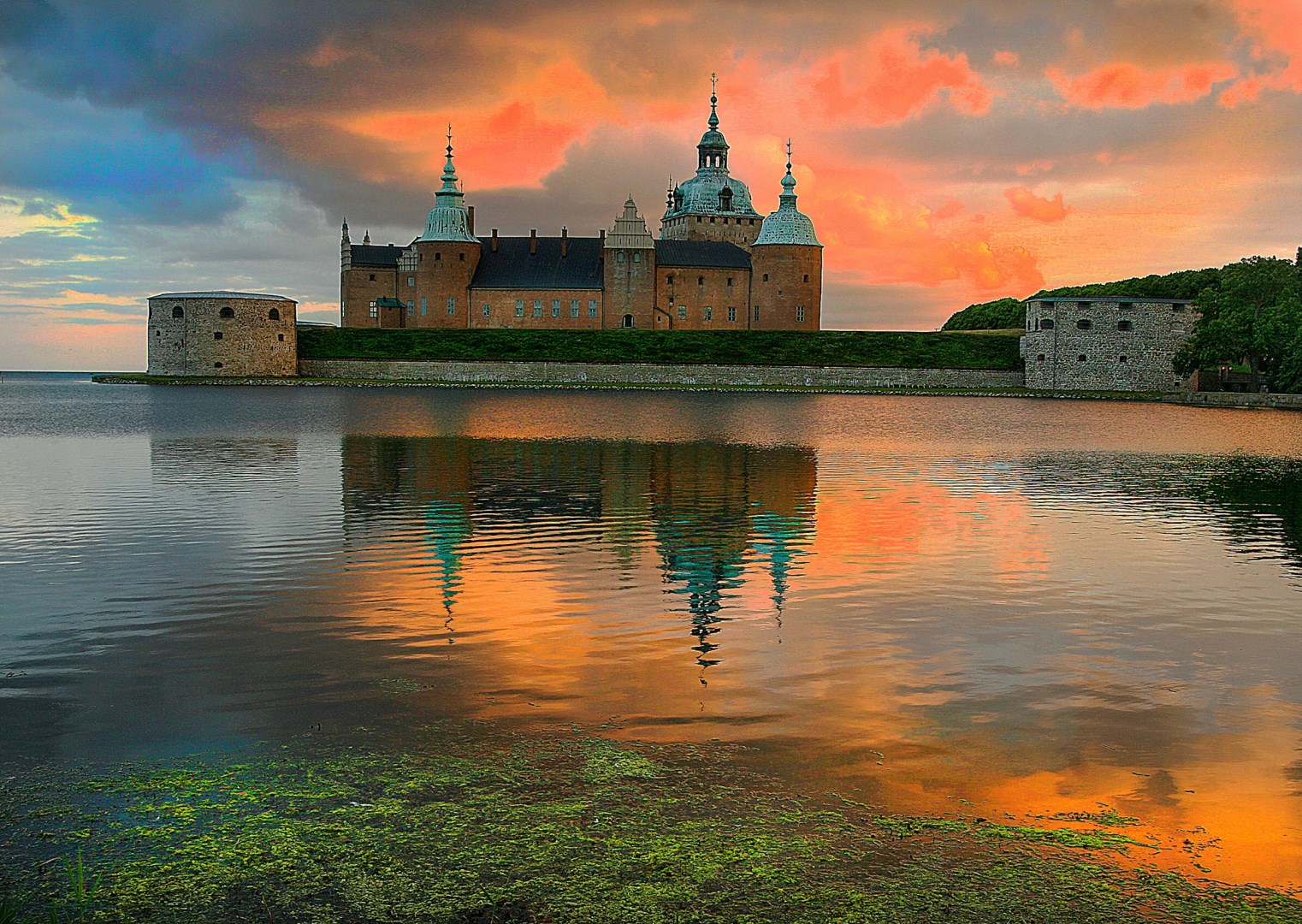
Kalmar Union, combination of the crowns of Denmark, Sweden, and Norway, effected at Kalmar, Sweden, by Margaret I in 1397. Because all three crowns were elective, the union could not be maintained by inheritance. Margaret's successors controlled Sweden intermittently until Gustavus I of Sweden dissolved the union (1523). Norway became independent in 1814.
