
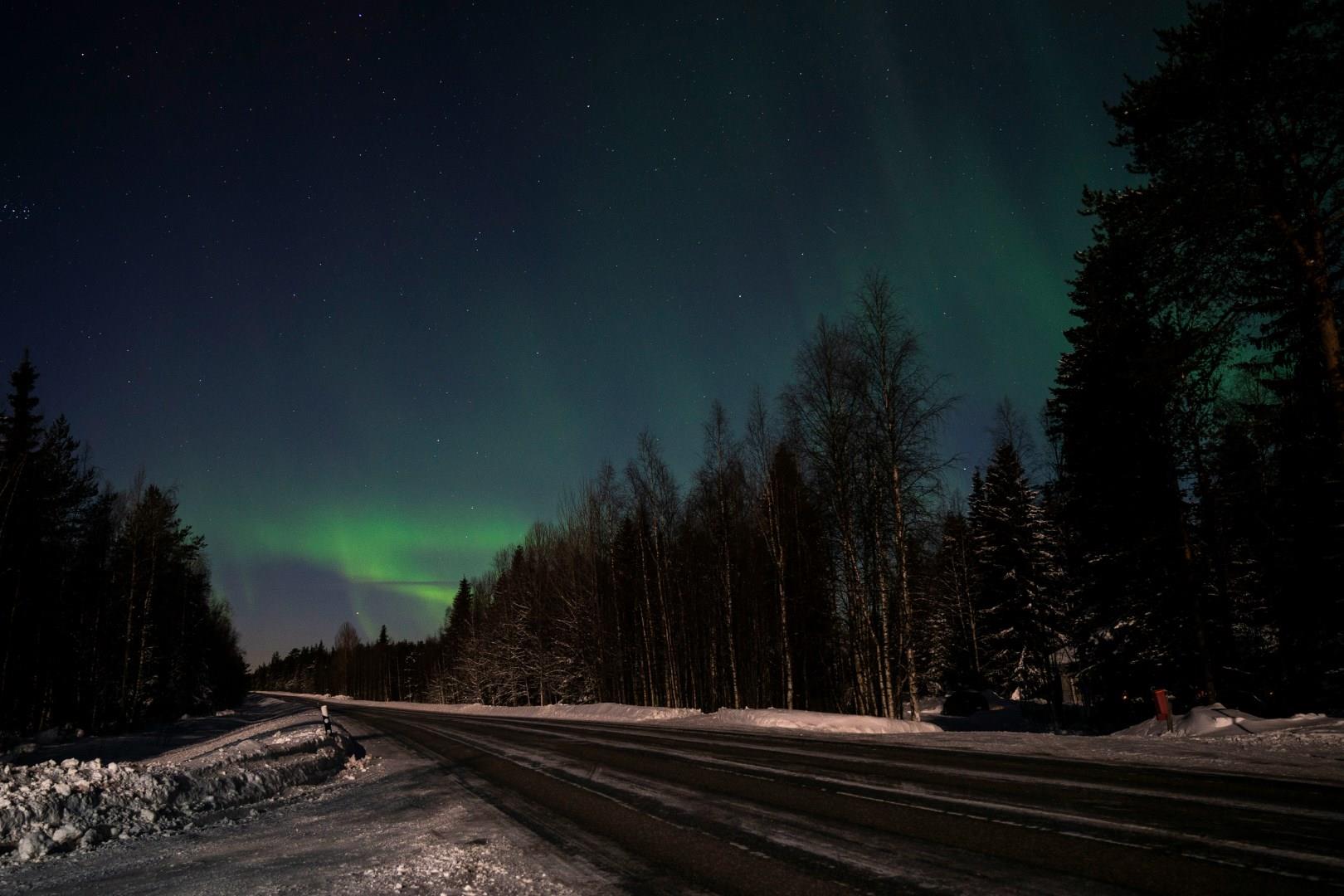
Rovaniemi
Rovaniemi, located just a few kilometers south of the Arctic Circle, is widely recognized as the official hometown of Santa Claus. From late August through early April, the Northern Lights are visible on clear nights, and several local guides offer nighttime tours to remote locations for optimal viewing. During summer, the sun doesn't set for weeks, giving travelers the rare chance to hike or kayak under a sky that stays bright at midnight.
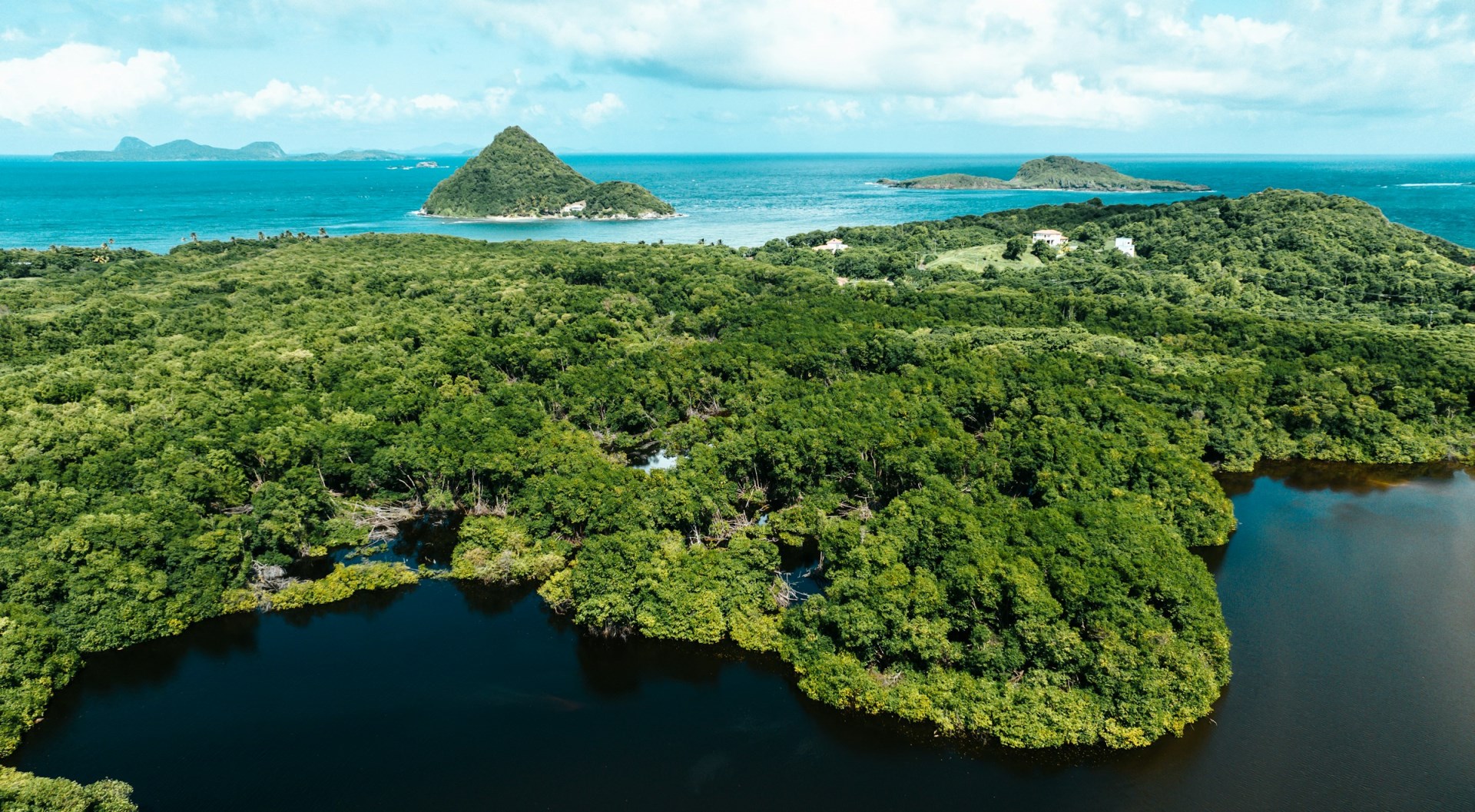
Levera Beach
Levera Beach lies on Grenada’s northeastern coast, near the village of Sauteurs, where the island meets the Atlantic Ocean. The beach is backed by low hills, coastal vegetation, and open land, with views toward the small islands of the Grenadines offshore. Unlike the developed beaches around the southwest coast, Levera has a more natural setting and is part of the wider Levera National Park landscape.

Cancún
Cancún sits on the northeastern tip of Mexico’s Yucatán Peninsula, where the Caribbean Sea meets a narrow stretch of sand shaped by ancient Maya trade routes and modern development. While widely known as a resort destination, Cancún’s roots trace back to a quiet fishing area near important pre-Hispanic sites, with nearby Isla Mujeres and the mainland serving as part of a broader coastal network connected to inland Maya cities.
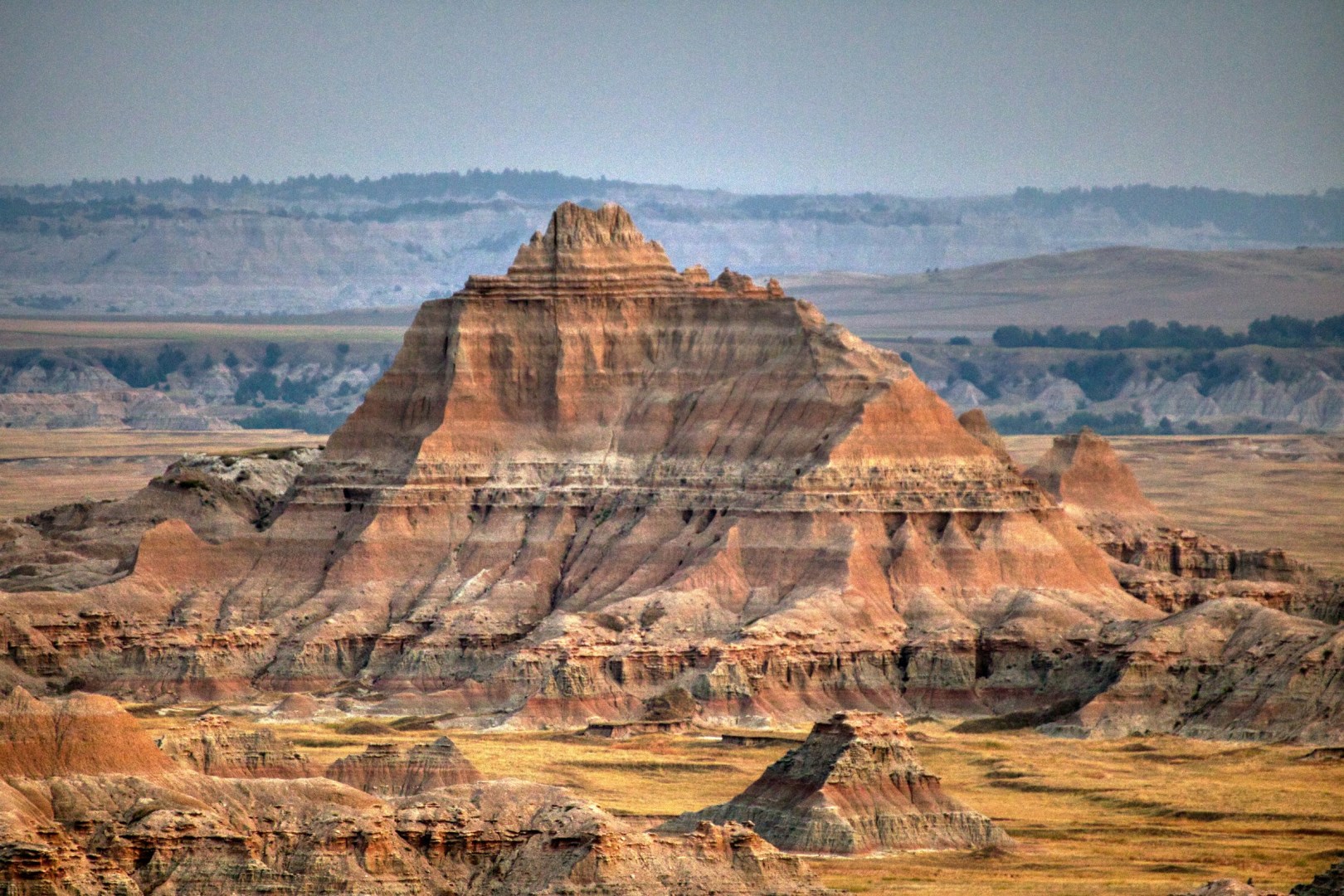
Badlands National Park
Badlands National Park stretches across southwestern South Dakota, where layered rock formations and sharply eroded spires reveal nearly 75 million years of geological history. The park’s banded cliffs and pinnacles were shaped by wind and water, exposing ancient seabeds and fossil-rich layers that have made the area one of North America’s most important paleontological sites.
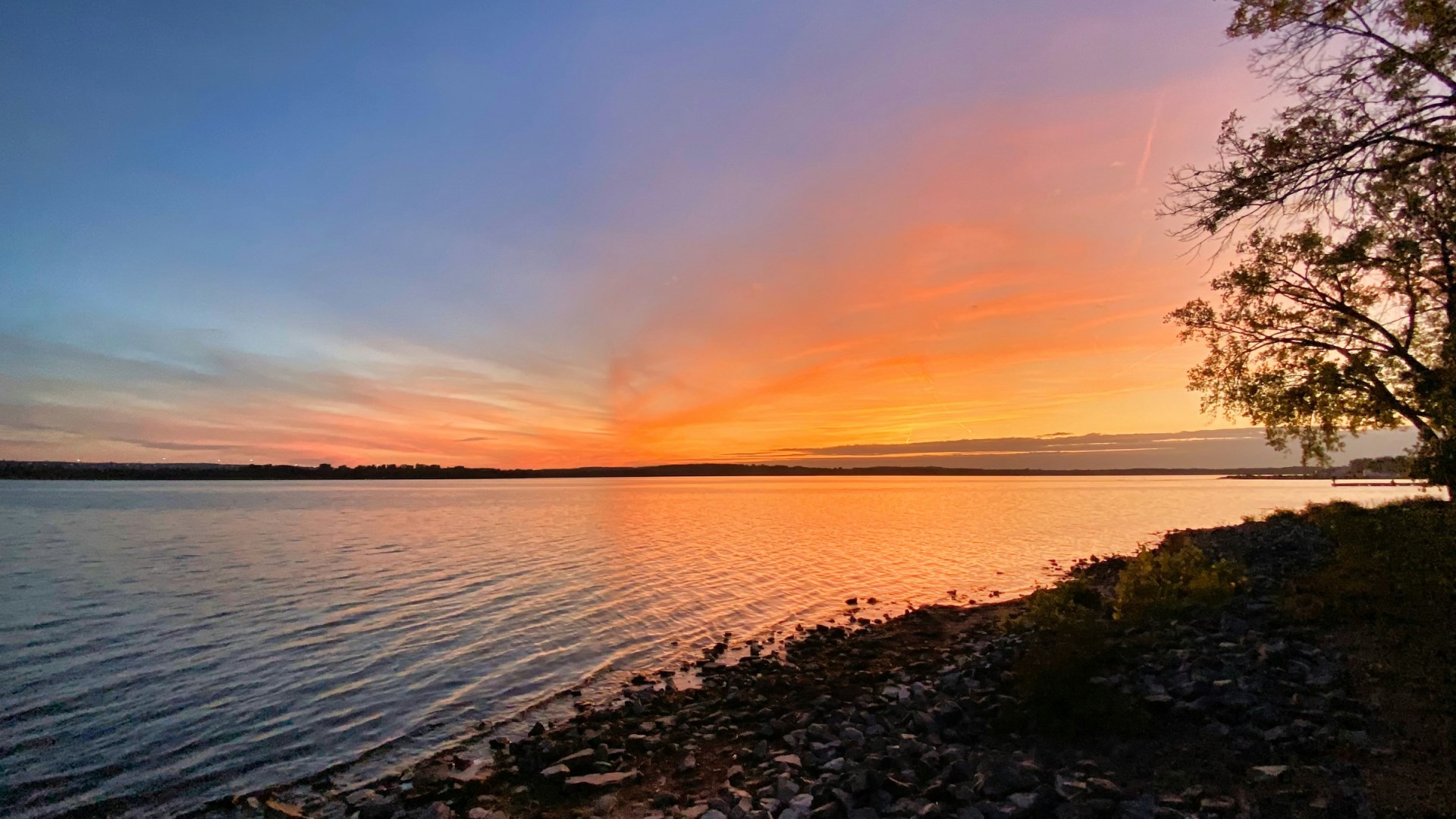
Liverpool
Liverpool, New York, offers a charming retreat with its blend of historical appeal and picturesque landscapes. Nestled along the eastern shore of Onondaga Lake, this village boasts a rich history dating back to the early 19th century. A highlight of Liverpool's heritage is the Onondaga Lake Park, which provides scenic walking trails, picnic areas, and views of the lake
