
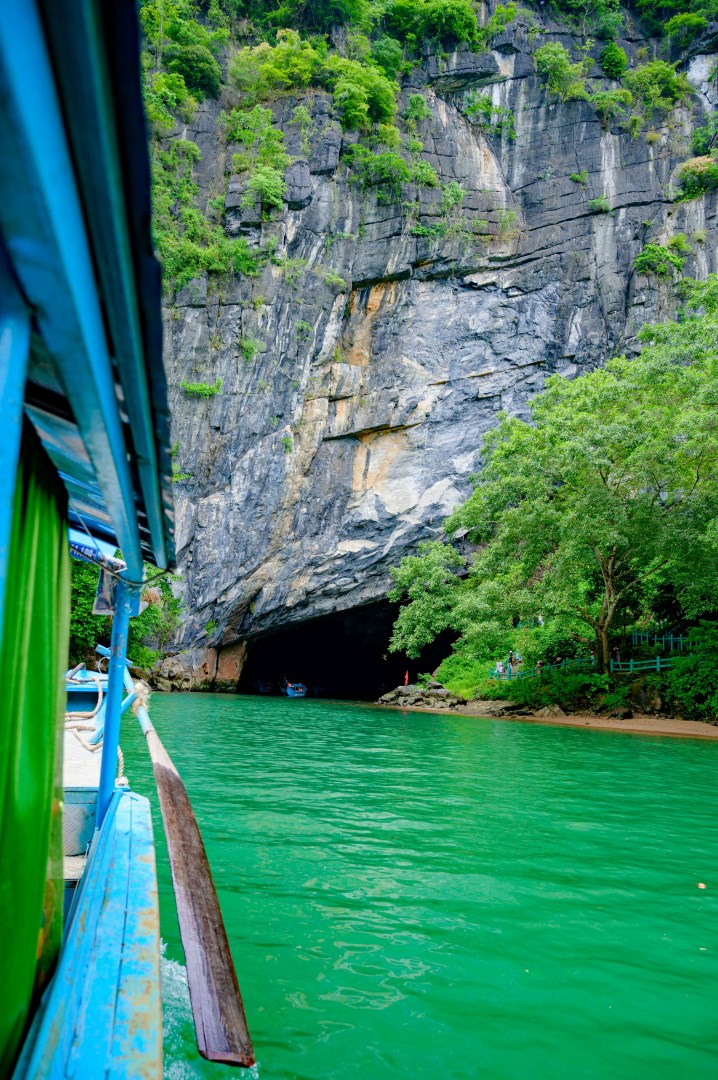
Phong Nha - Ke Bang National Park
Kẻ Bàng National Park lies in central Vietnam, near the border with Laos, and is known for its vast network of limestone mountains and underground rivers. The park forms part of one of the oldest karst landscapes in Asia, shaped over millions of years into a maze of caves, cliffs, and dense forest. Among its most famous features is Sơn Đoòng Cave, recognized as the largest cave on Earth, with sections so vast that clouds can form inside and a jungle grows beneath its collapsed roof.
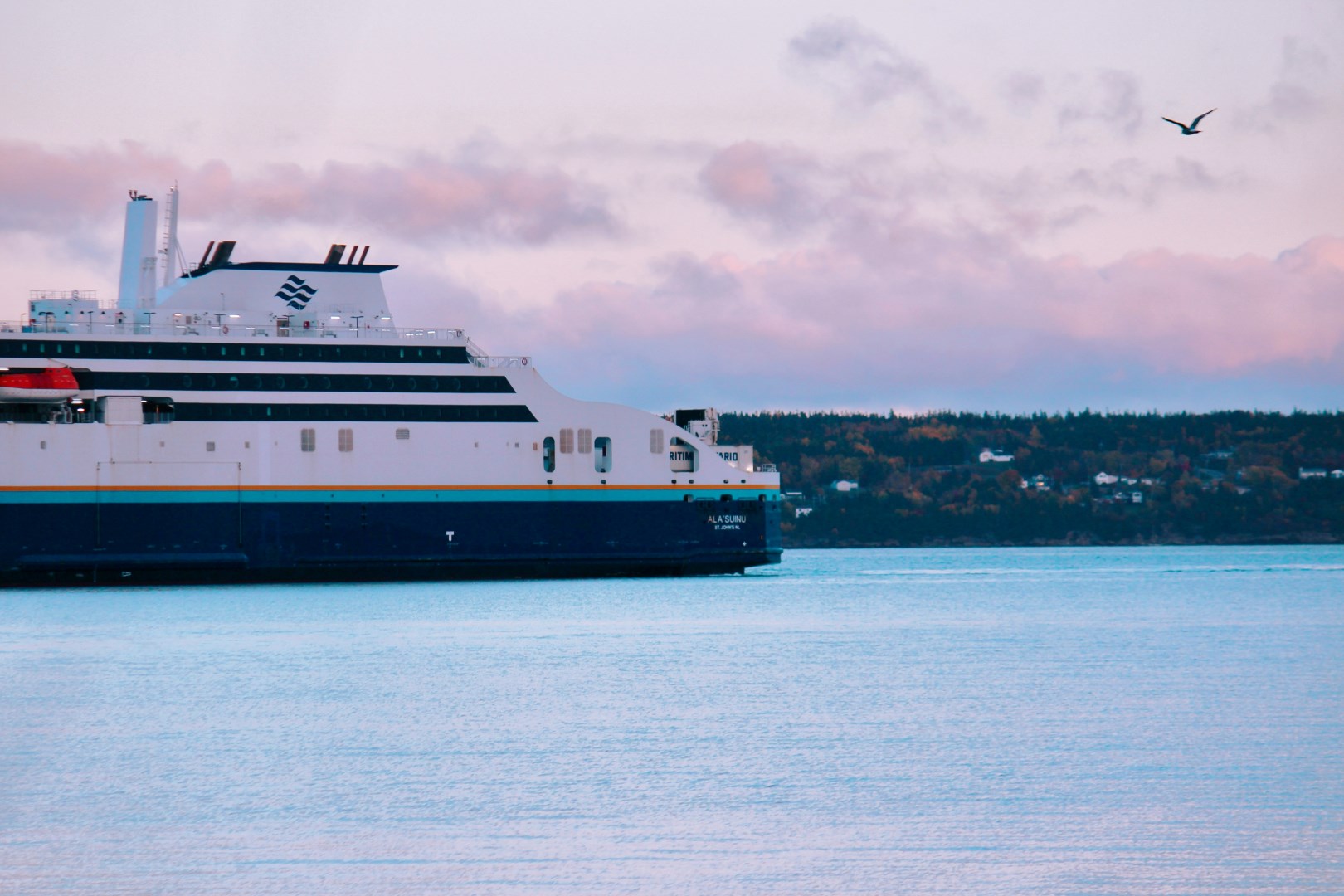
Sydney, Nova Scotia
Situated on the eastern edge of Cape Breton Island, Sydney in Nova Scotia welcomes visitors with a strong connection to the sea and a deep-rooted cultural identity. The city’s waterfront is a natural gathering place, where boardwalks stretch along the harbor and offer views of fishing boats, cruise ships, and open water. One of its most recognizable landmarks is the world’s largest fiddle, a towering tribute to the region’s musical traditions.
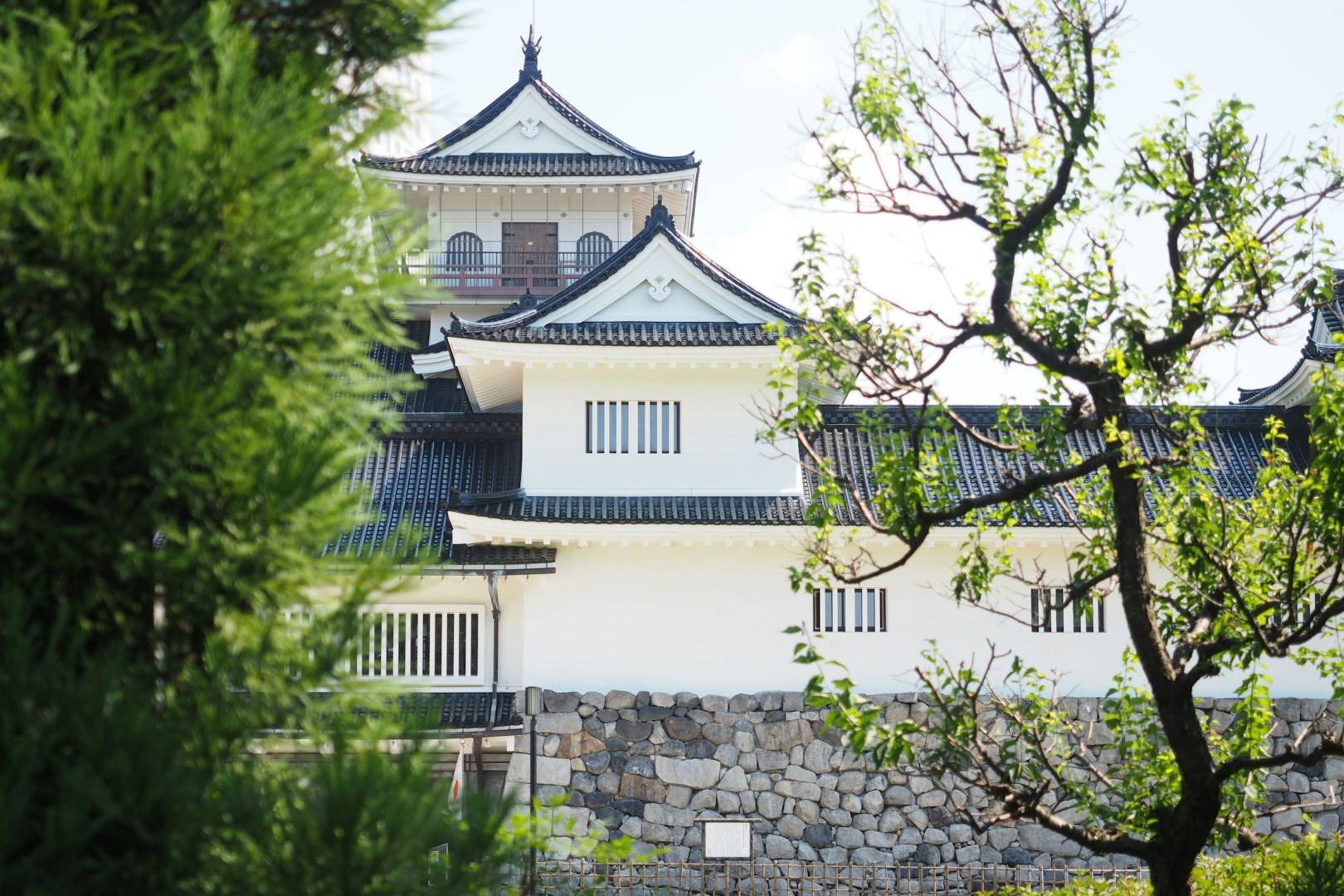
Toyama
Toyama is a regional capital on the Sea of Japan coast, set between Toyama Bay and the mountains of the Northern Japan Alps. The city is known for its close relationship with both the sea and the alpine interior, with waterways, fertile plains, and snow-fed rivers shaping the surrounding landscape. Toyama also serves as a gateway to the Tateyama Kurobe Alpine Route and the mountain communities of the wider prefecture.

Karlskrona
Karlskrona is a coastal city in southeastern Sweden, spread across islands and peninsulas in the Blekinge archipelago. Founded as a naval base, it was carefully planned around the needs of Sweden’s fleet, and its historic naval environment remains central to the city’s identity. The central island of Trossö contains the main urban district, while nearby islands and waterfronts provide a close connection to the Baltic Sea.
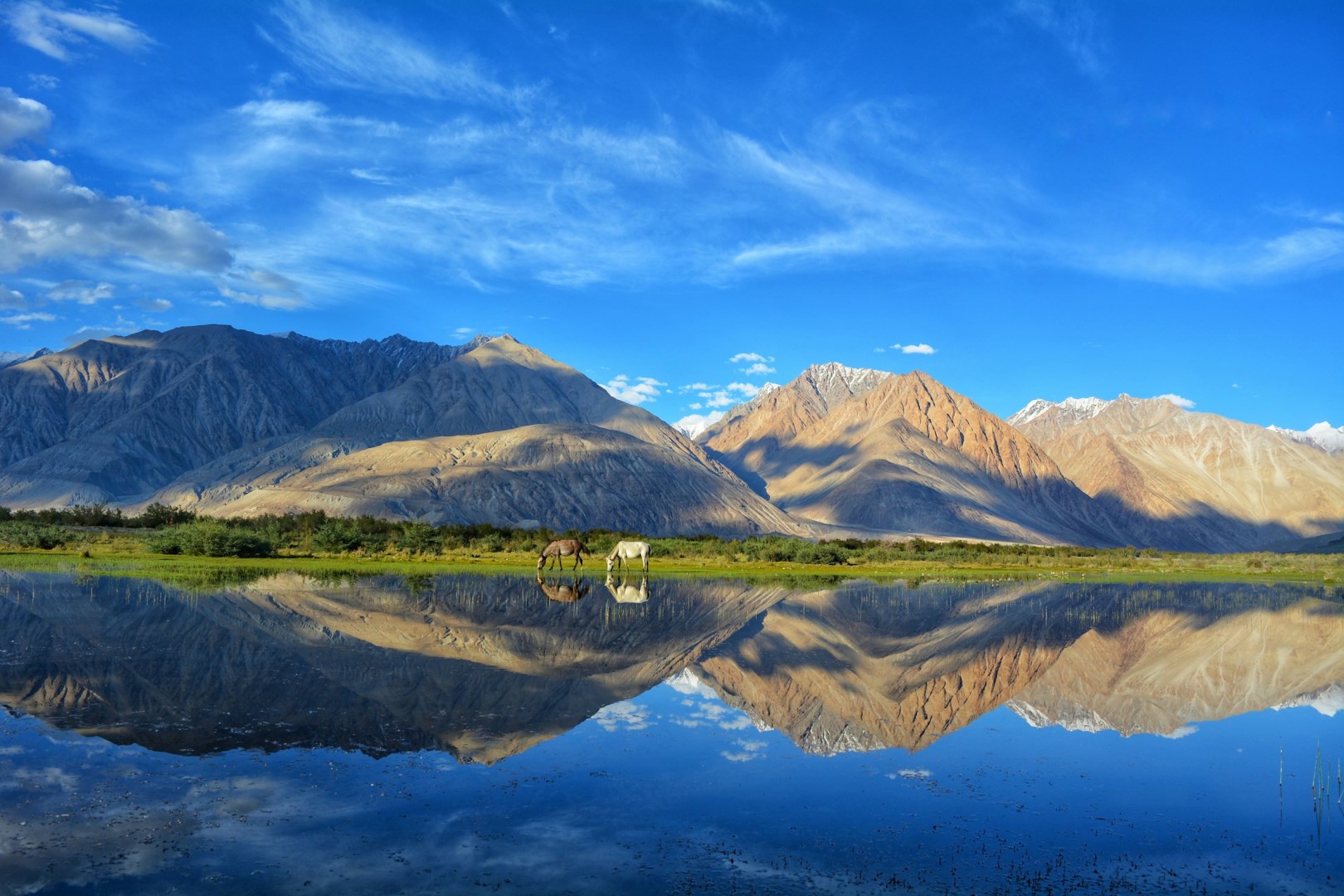
Leh
Leh is the principal town of Ladakh, set in a high mountain valley surrounded by the Ladakh Range and shaped by the Indus River system. At an elevation of roughly 3,500 metres, it is known for its dry climate, rugged mountains, clear skies, and compact old town of whitewashed buildings. Leh also serves as a major base for journeys into Nubra Valley, Pangong Lake, and other parts of Ladakh. Its location between major Himalayan ranges has long influenced settlement, trade, agriculture, and the dis
