
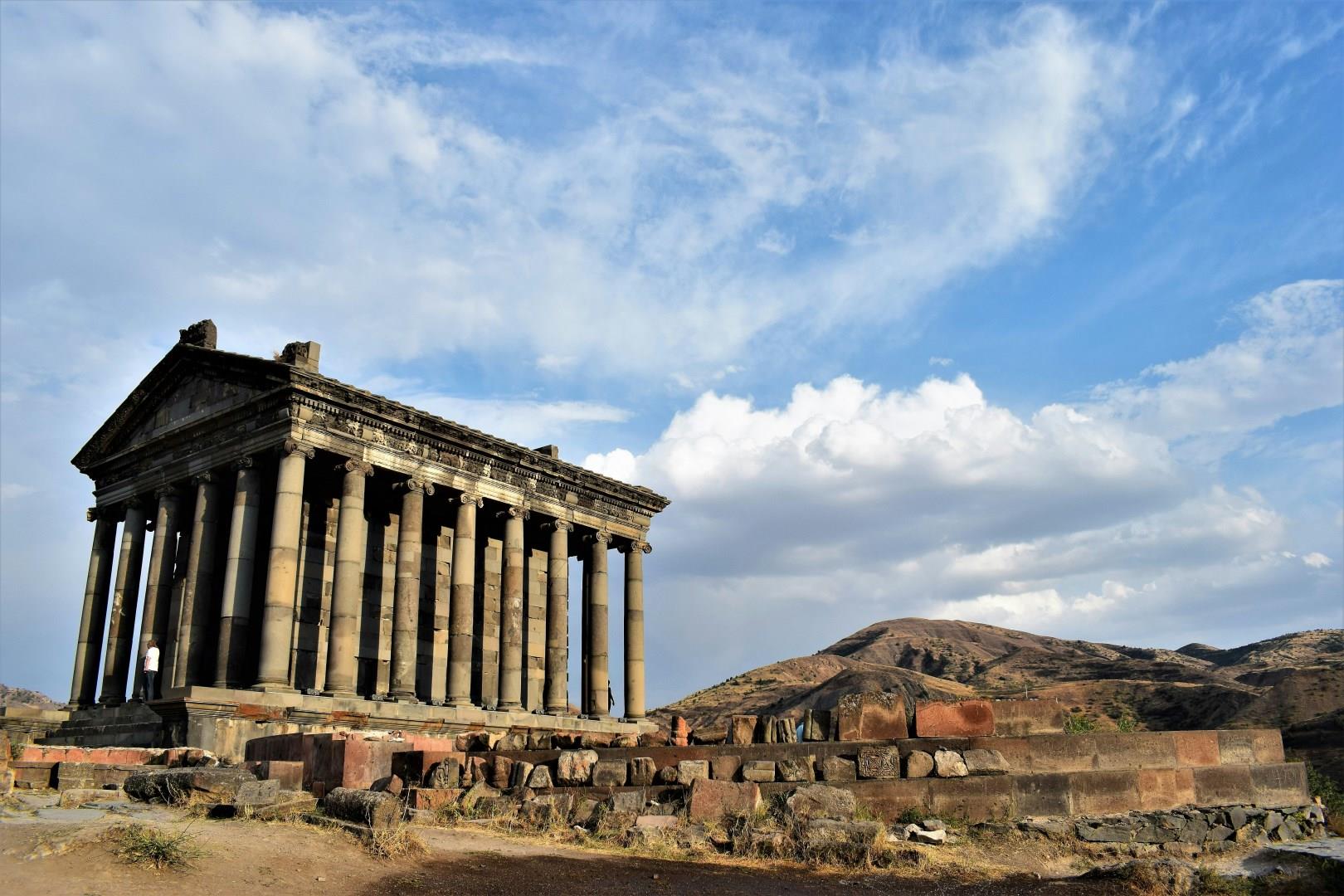
Armenia
Armenia, set at the crossroads of Europe and Asia, is a country rich in history and breathtaking landscapes. Known as one of the world’s oldest nations, it offers travelers a glimpse into ancient traditions that remain alive today. The dramatic scenery ranges from high mountains and deep gorges to serene lakes, creating endless opportunities for exploration.
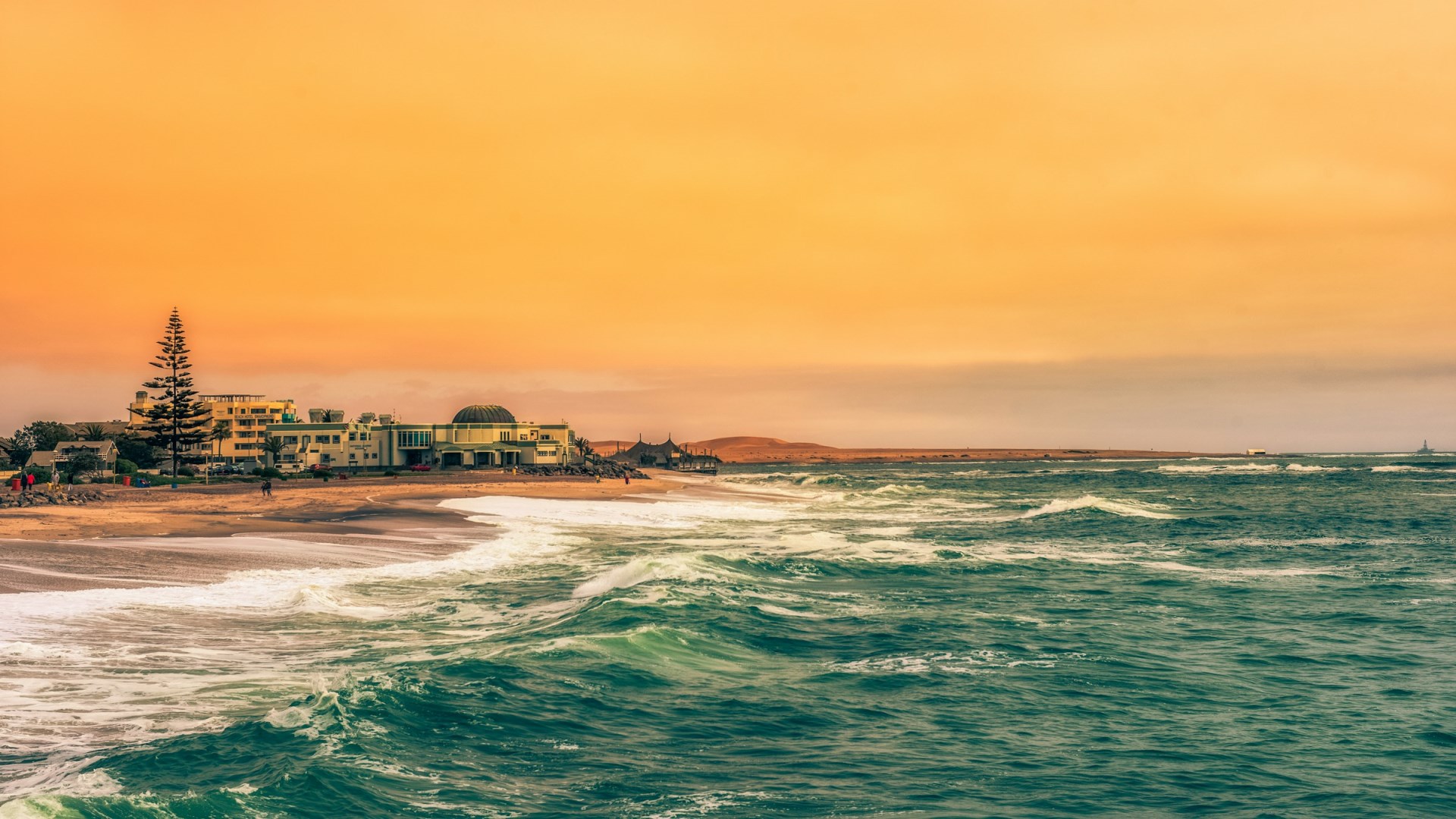
Swakopmund
Swakopmund, on Namibia’s Atlantic coast, is a town where desert meets ocean in striking contrast. Founded by German colonists in the late 19th century, its streets are lined with colonial-era buildings painted in pastel colors, giving the town a distinctly European feel.
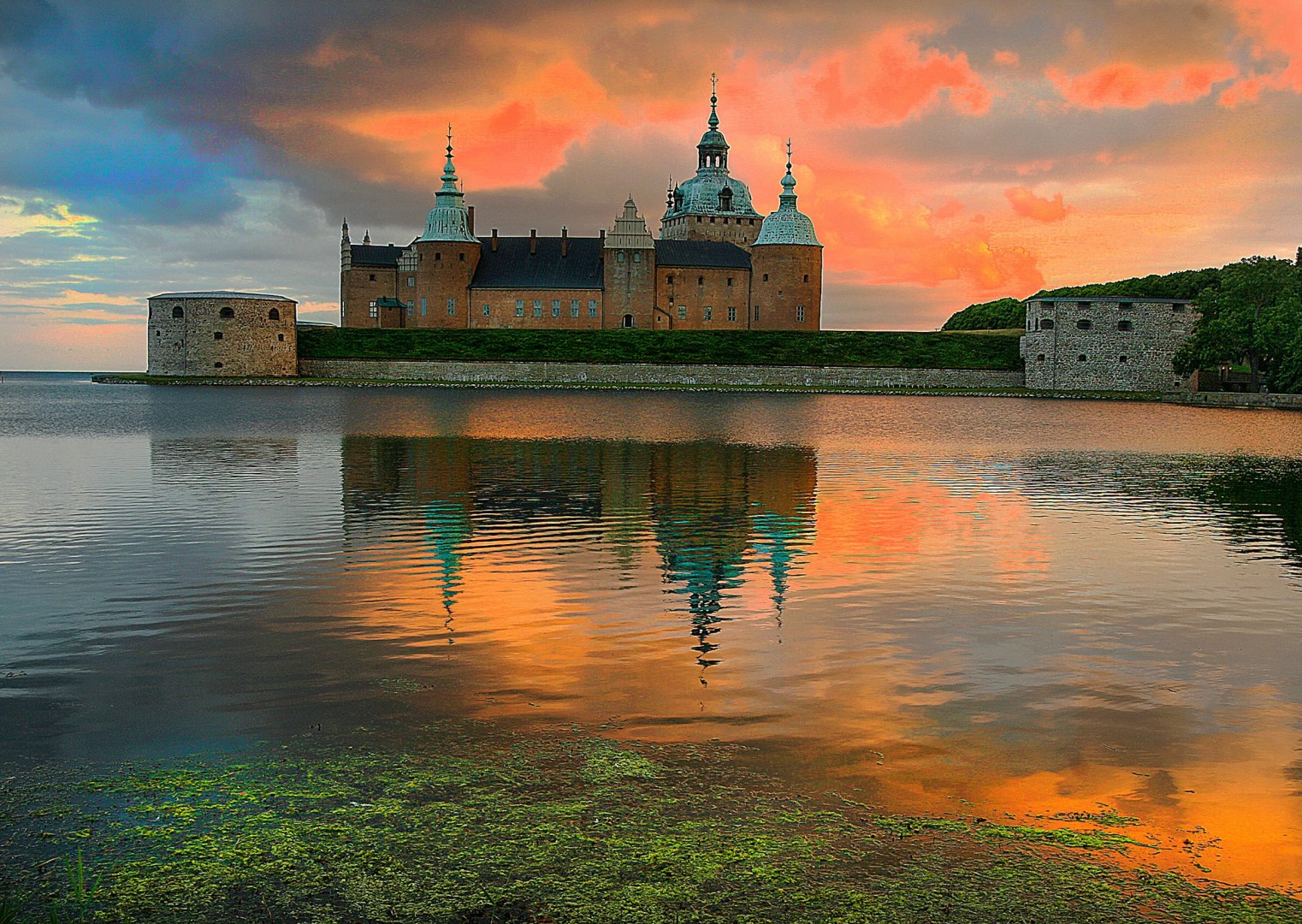
Kalmar
Kalmar Union, combination of the crowns of Denmark, Sweden, and Norway, effected at Kalmar, Sweden, by Margaret I in 1397. Because all three crowns were elective, the union could not be maintained by inheritance. Margaret's successors controlled Sweden intermittently until Gustavus I of Sweden dissolved the union (1523). Norway became independent in 1814.
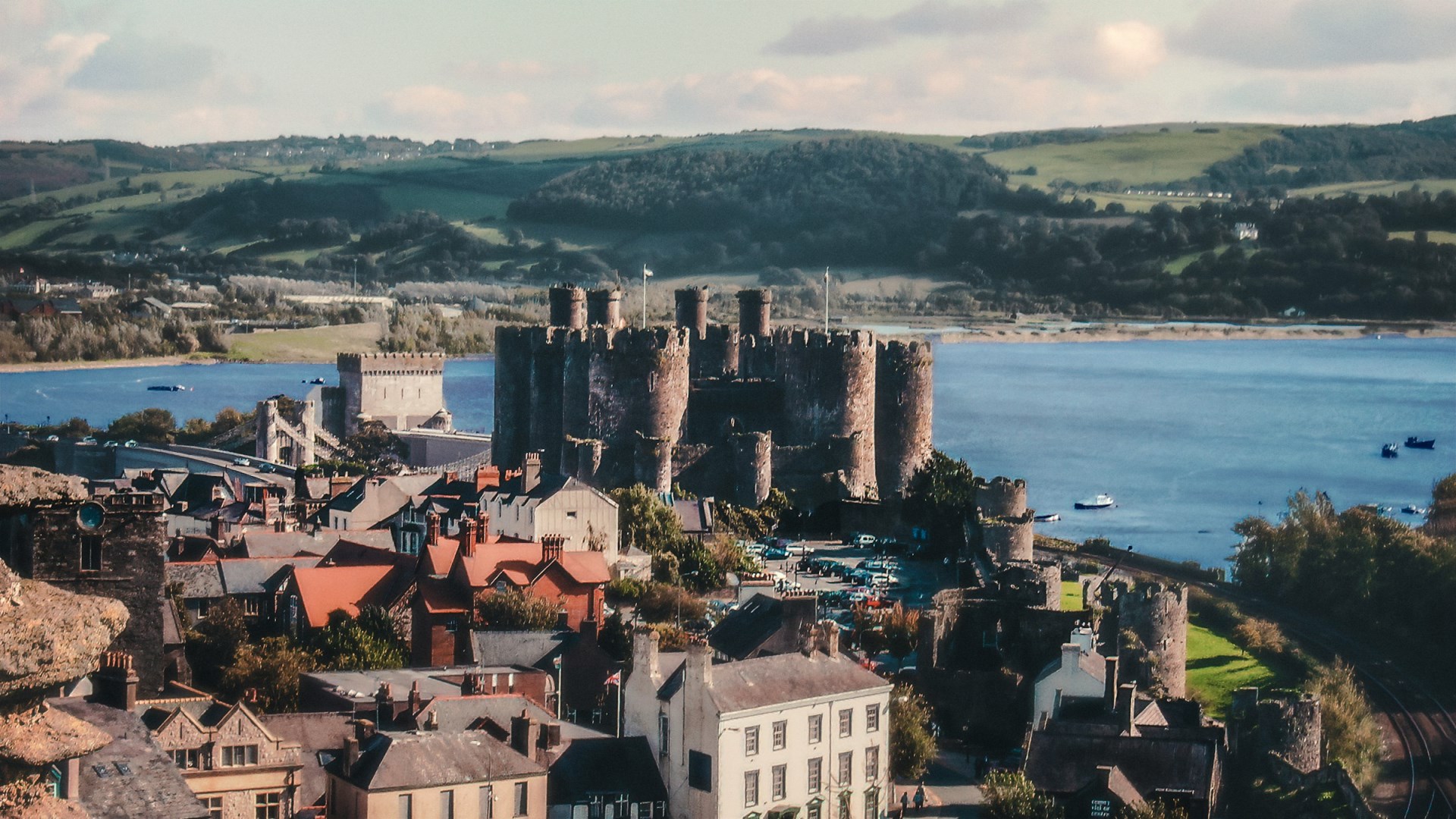
Conwy
Located approximately 50 miles west of Chester, along the northern Welsh coast, is the beautiful small town of Conwy. In 1283, King Edward I set out to build a series of magnificent castles, of which Conwy was one of the largest. In addition, the town was fortified with walls which still exist today, making this one of the finest surviving fortified medieval towns in the world.
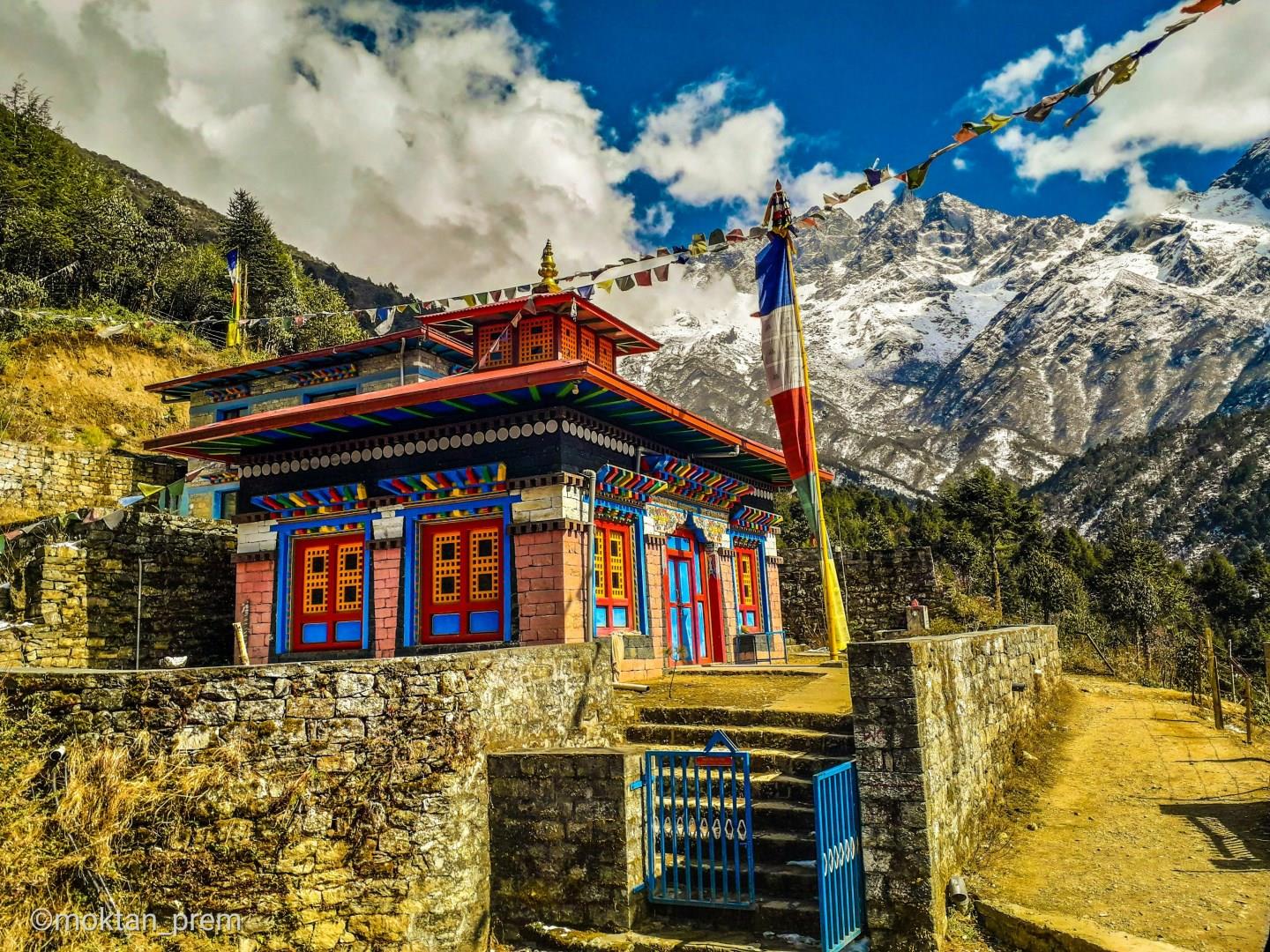
Lukla
Lukla, a mountain town perched at 2,860 meters in eastern Nepal, is best known as the gateway to the Everest region. The town is home to Tenzing-Hillary Airport, one of the world’s most thrilling landing strips, named after the legendary climbers who first reached Everest’s summit in 1953. The short, sloped runway hugs the mountain, offering a once-in-a-lifetime arrival that travelers remember long after their journey ends.
