

Eryri National Park (Snowdonia)
Snowdonia, a majestic national park in North Wales, offers a stunning tapestry of natural beauty and adventure. At its heart is Mount Snowdon, the highest peak in Wales, reaching 1,085 meters (3,560 feet). The mountain is accessible via several well-marked trails, with the Snowdon Mountain Railway providing a scenic ride to the summit. From the top, panoramic views stretch over rugged landscapes and, on clear days, to the distant peaks of Ireland.
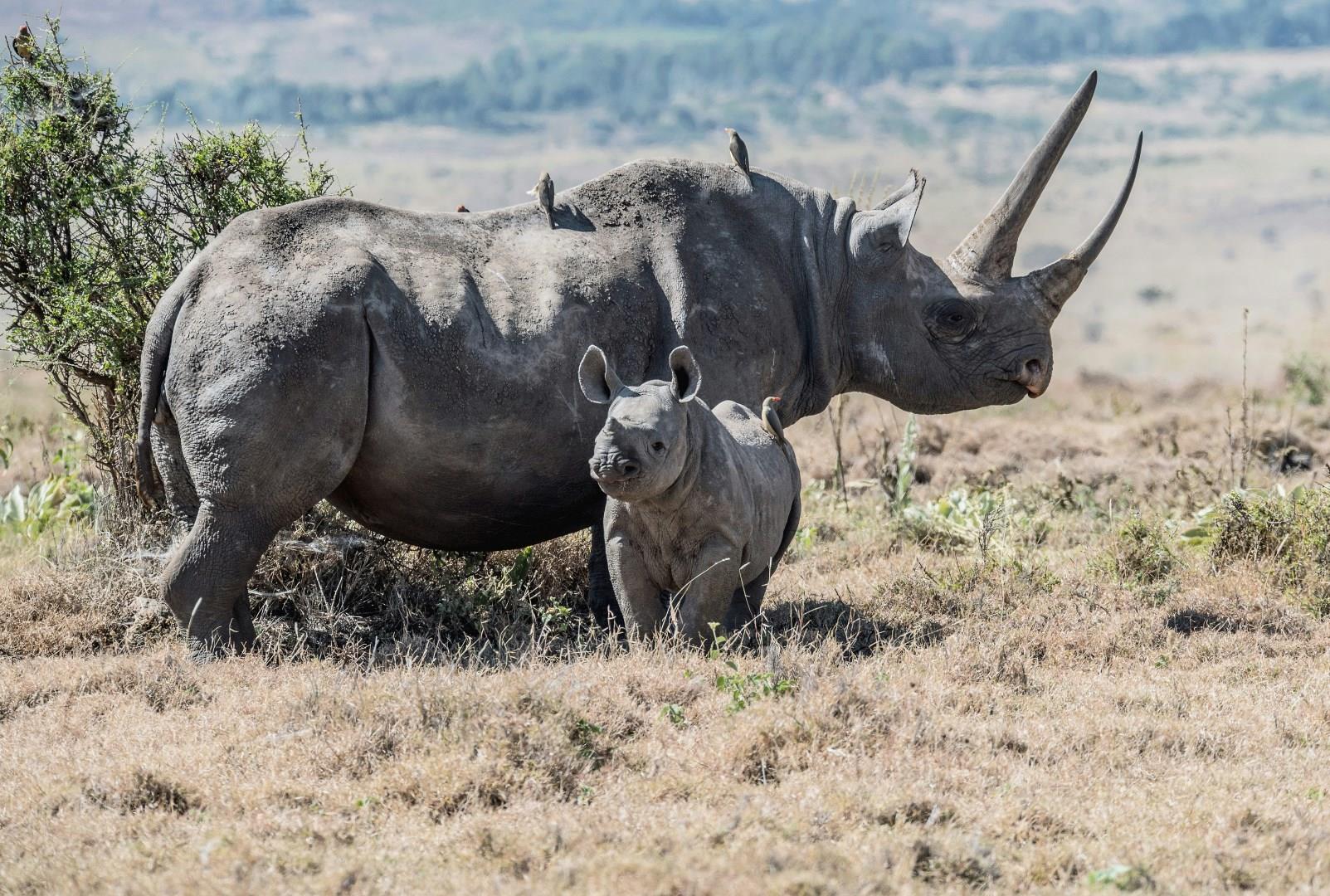
Lewa Wildlife Conservancy
Lewa Wildlife Conservancy lies in northern Kenya at the foothills of Mount Kenya, where open savannah, wooded hills, and seasonal rivers create a varied and striking landscape.

Iguassu Falls
Iguassu Falls, straddling the border between Brazil and Argentina, is a breathtaking natural wonder that captivates visitors with its sheer scale and beauty. This UNESCO World Heritage Site boasts the largest waterfall system in the world, with nearly 275 individual falls cascading over a rugged landscape.

Morelia
Morelia, the capital of Michoacán, is a city that wears its history in stone. Built in the 16th century and recognized as a UNESCO World Heritage Site, its historic center is filled with over 200 colonial-era buildings made from pink cantera, a soft volcanic stone that gives the city its distinct look. The centerpiece is the Morelia Cathedral, a massive baroque structure that features twin towers that light up every Saturday night with a fireworks and music display.
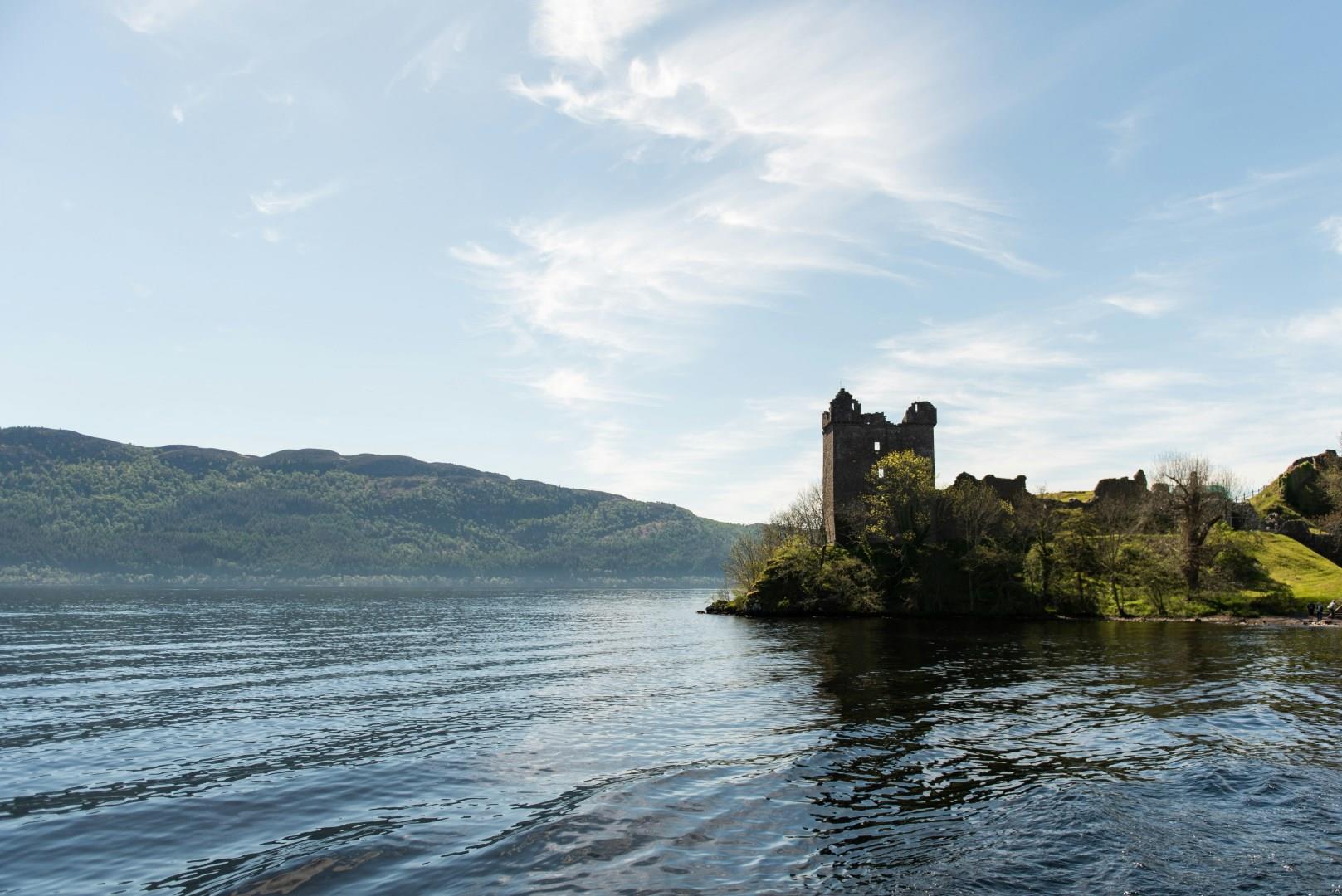
Loch Ness
Loch Ness stretches over 23 miles through the Scottish Highlands, holding more freshwater than all the lakes in England and Wales combined. Best known for its elusive resident, the so-called Loch Ness Monster, the loch has sparked international curiosity since the first modern "sighting" in 1933. While Nessie remains elusive, the surrounding landscape offers clear reasons to visit with steep hillsides, forested trails, and ancient ruins framing one of Scotland’s most iconic bodies of water.
