

Las Vegas
Las Vegas, Nevada, is an electrifying city where glitz and glamour meet entertainment and excitement. Known as "The Entertainment Capital of the World," Las Vegas offers an unparalleled array of attractions, from its iconic casinos and luxurious hotels to its world-class dining and live shows. The city's entertainment scene is second to none, featuring legendary headliners, cutting-edge performances, and an array of themed attractions.
Middletown
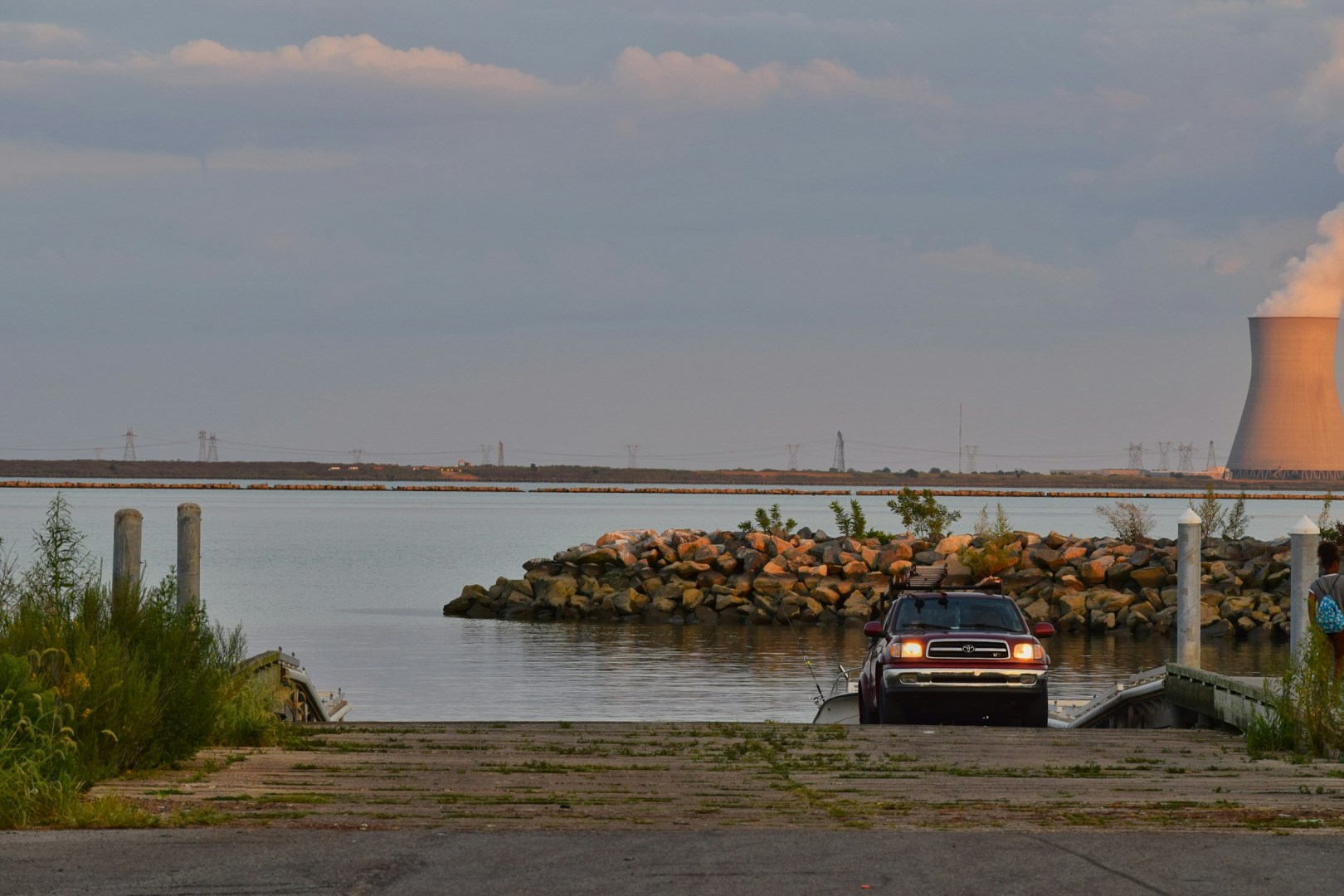
Middletown, Delaware, offers a delightful blend of small-town charm and modern appeal, making it an increasingly popular destination for visitors. Nestled in the heart of New Castle County, Middletown is known for its picturesque landscapes and rich history. The town has grown rapidly in recent years, but it has retained its historic character, with spots like the Everett Theatre, which first opened in 1922, offering a nostalgic glimpse into Middletown's past.
Libreville
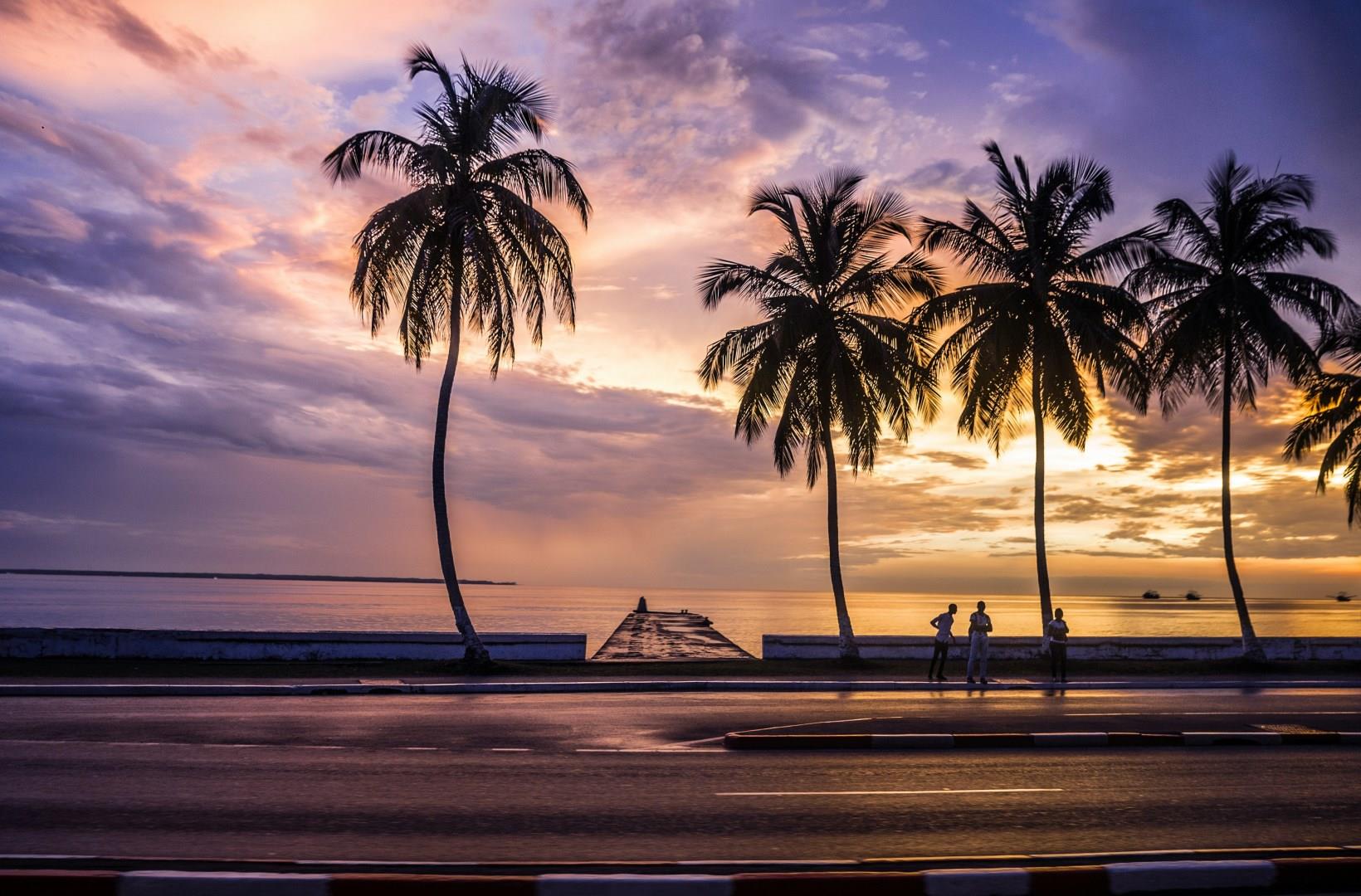
Libreville, the capital of Gabon, stretches along the Atlantic coast with a mix of modern streets, colonial-era buildings, and bustling markets.
Moreton Island
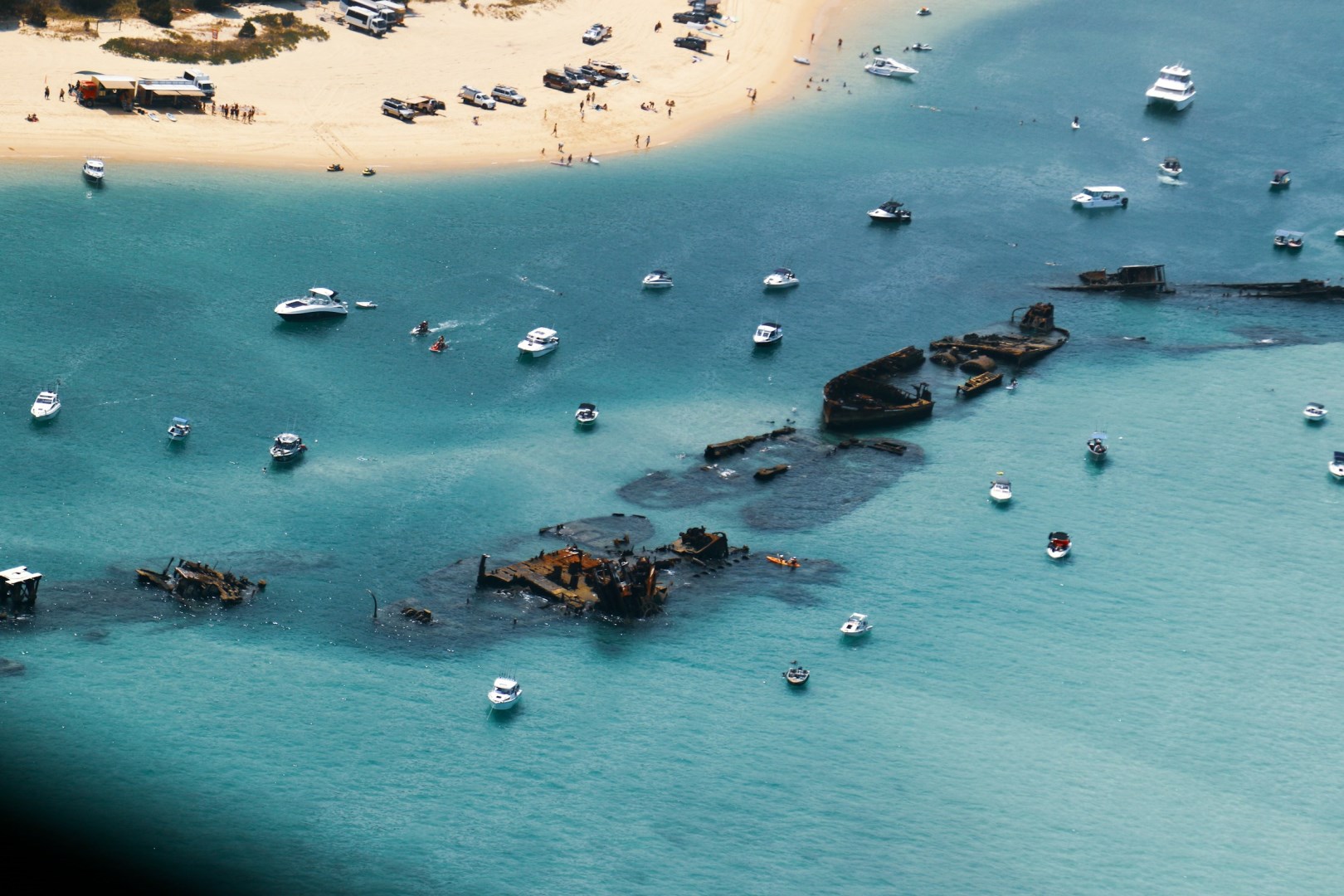
There is a whole host of wildlife on Moreton Island which you can see on the numerous beaches, and along the walking and 4WD trails. Many wading birds can be found on the island, in particular between September and April when many birds migrate from other countries. You may also be lucky enough to see Green and Loggerhead Turtles which often nest between November - February.
Vicenza
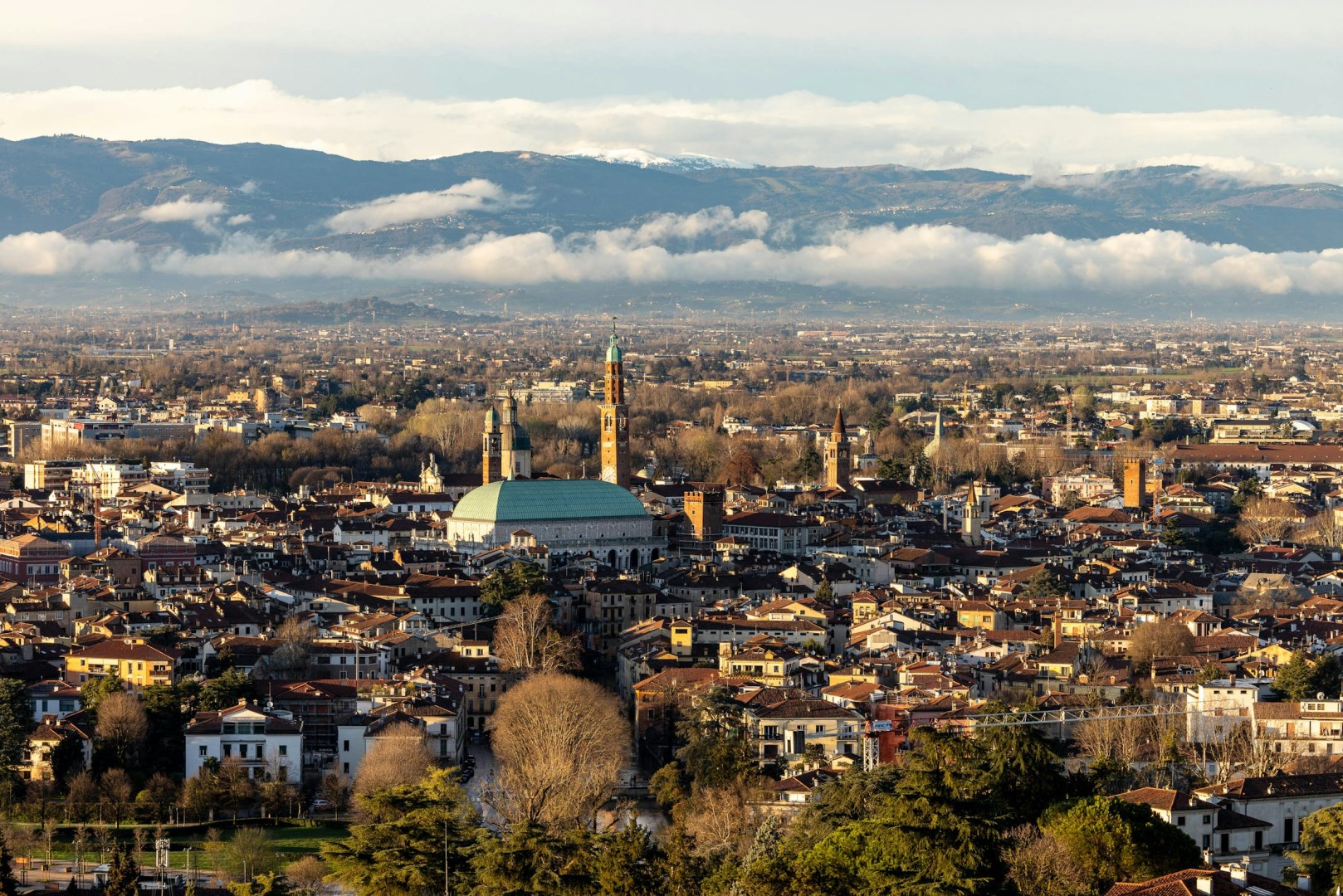
A little overshadowed by its close vicinity to such cities as Venice and Verona, Vicenza is known as a provincial city, tied up to the secular tradition of religiosity and conservatism, but also animated by an industriousness that has favored the development of great industries and innovative productive trends.
