
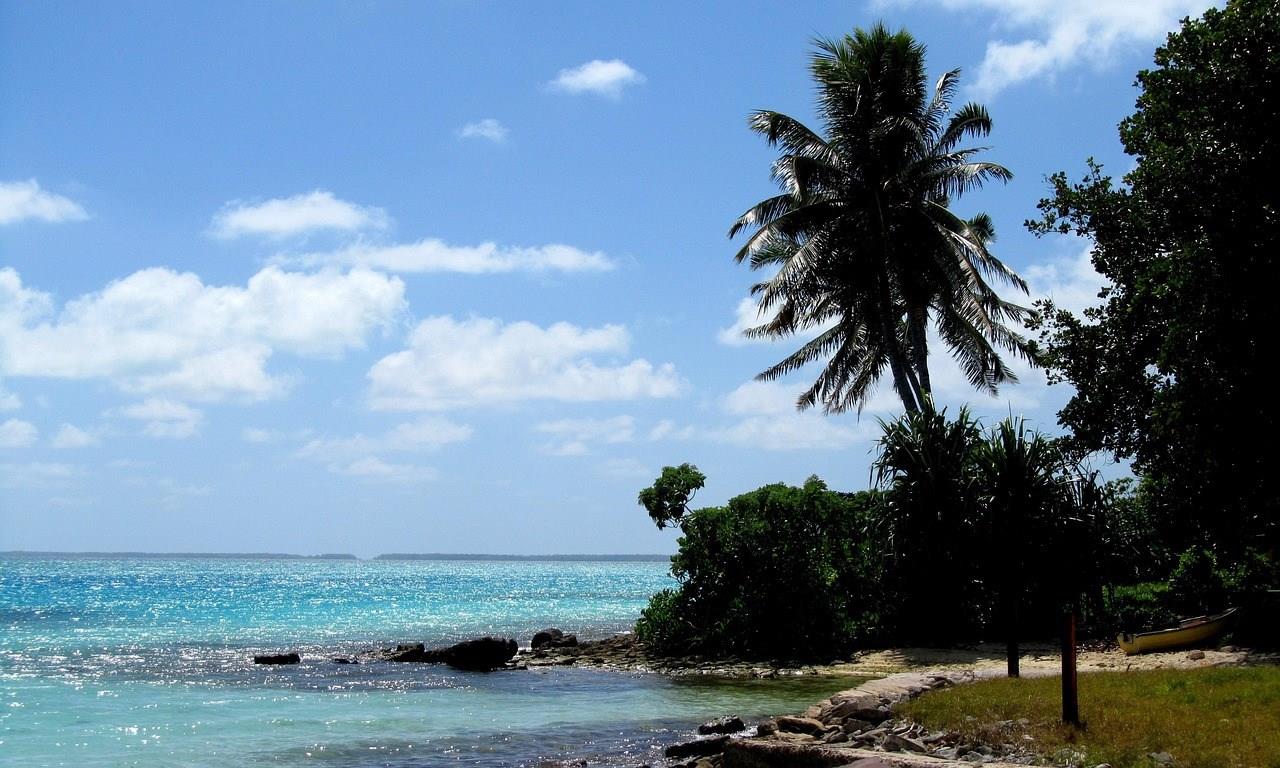
Fanning Island
Fanning Island, also known as Tabuaeran, is one of the Line Islands in the Republic of Kiribati. Sitting just four degrees north of the equator, this remote atoll is a rare find for travelers seeking raw, untouched Pacific beauty. With no large hotels or chain resorts, visitors often arrive by cruise or private yacht and are welcomed with coconut-leaf garlands and traditional songs.

Tennessee
Tennessee welcomes visitors with a rhythm that shifts from Appalachian mountain towns to Memphis blues clubs, all while telling stories that have shaped the American experience. In East Tennessee, the Great Smoky Mountains National Park is the most visited national park in the country, known for its mist-covered peaks, preserved log cabins, and seasonal displays of wildflowers and fireflies.
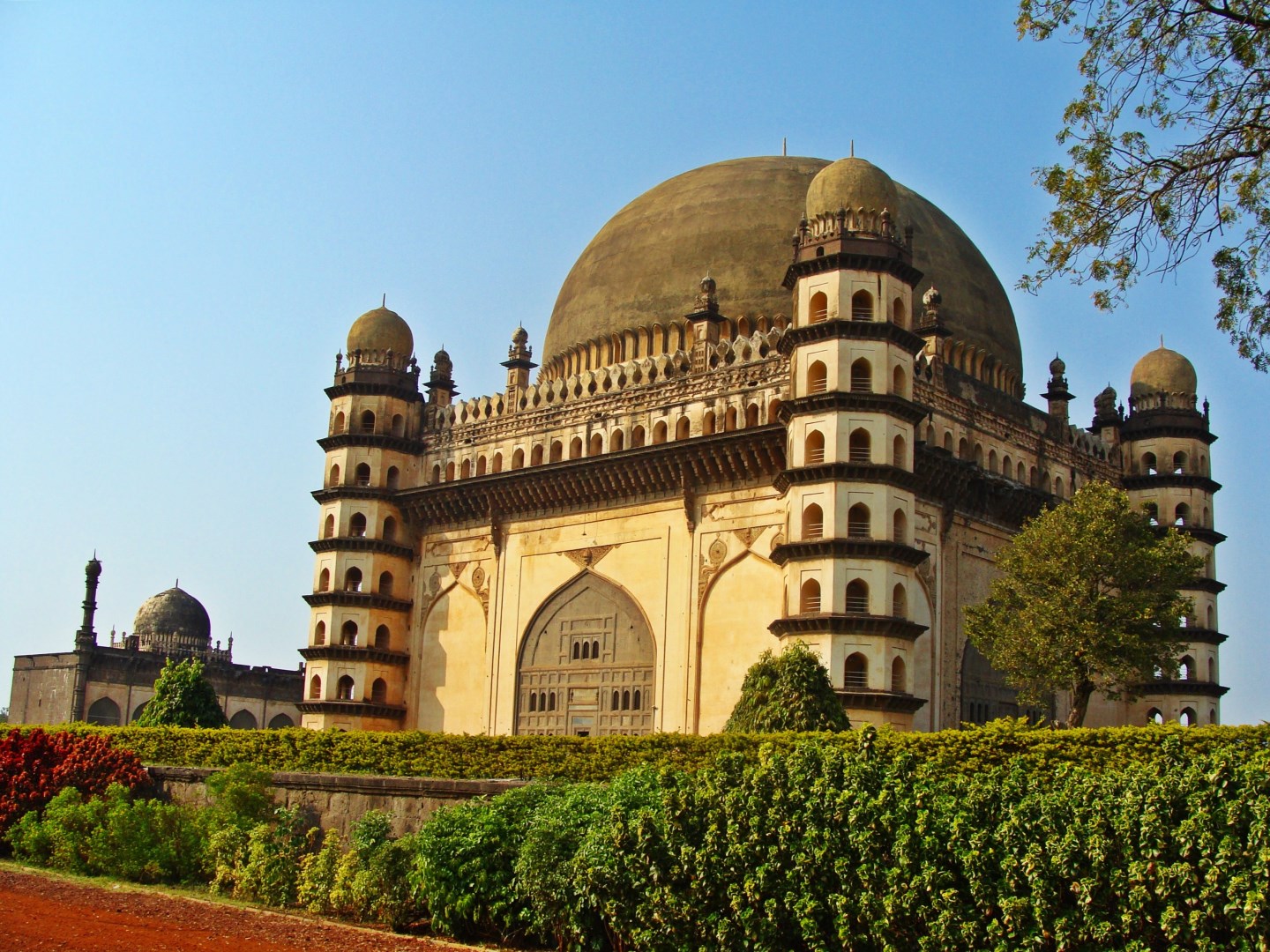
Bijaipur
Bijaipur is a small rural destination in Rajasthan, India, set within the Aravalli hills and surrounded by farmland and quiet village landscapes. It is best known for its historic fort, Castle Bijaipur, which has been adapted into a heritage stay.
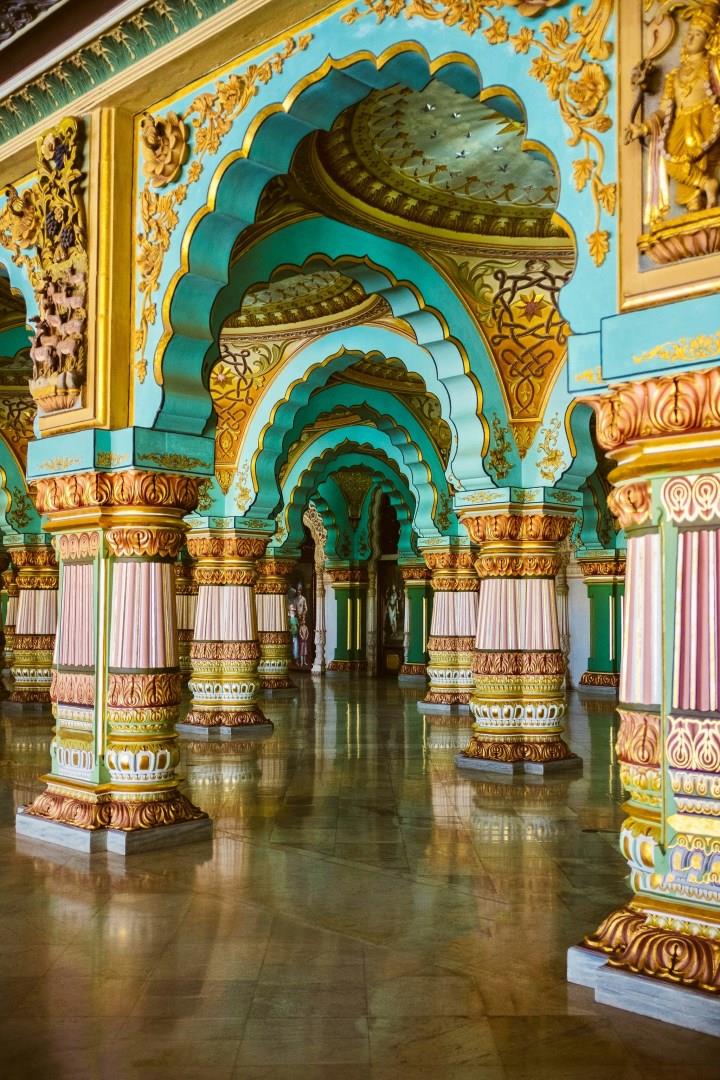
Mysore
Mysore, often called the “Cultural Capital of Karnataka,” is a city where centuries-old royal heritage meets living tradition. Located at the foothills of the Chamundi Hills, it is best known for its palaces, wide boulevards, and colorful festivals. Once the seat of the Wadiyar dynasty, Mysore still carries an unmistakable royal influence that can be seen in its architecture, markets, and cultural celebrations.

Palma
Enchanting Palma is the capital of Mallorca, Spain’s island paradise in the Balearic Sea. This picturesque town boasts historic castles and cathedrals, glittering beaches, and some of the island’s best culinary delights. Don’t let this city’s small size fool you; Palma houses truly magnificent architectural gems that make this island getaway well worth exploring.
