

Wurzburg
Raise a glass and toast Würzburg, an enchanting, Franconian wine-producing area on the Main River, and one of Germany's oldest cities. Wine bars and cellars abound here, but there's also plenty of wonderful history and striking Baroque and rococo architecture to behold.

Nile River
The River Nile, most often associated with Egypt and its ancient civilizations, actually flows through eight other countries including Uganda, Ethiopia, Sudan, and Kenya. It is formed by two major tributaries, the White Nile and Blue Nile, and is considered by many to be the longest river in the world when measured from its source waters in Rwanda and Burundi.

Dominica
Dominica, known as the “Nature Island of the Caribbean,” is a haven for eco-tourists and adventure seekers. Nestled between the French islands of Guadeloupe and Martinique, this lush island boasts a remarkable landscape of volcanic mountains, dense rainforests, and stunning waterfalls. Dominica’s most iconic natural wonder is the Boiling Lake, the second-largest hot spring in the world.

Curacao
Curacao, a gem in the Caribbean Sea, offers a captivating blend of Dutch colonial charm and vibrant Caribbean culture. Its capital, Willemstad, is a UNESCO World Heritage Site renowned for its colorful 17th-century architecture and historic waterfront. The city's iconic Handelskade, lined with pastel-hued buildings, presents a picturesque setting for leisurely strolls and waterfront dining.
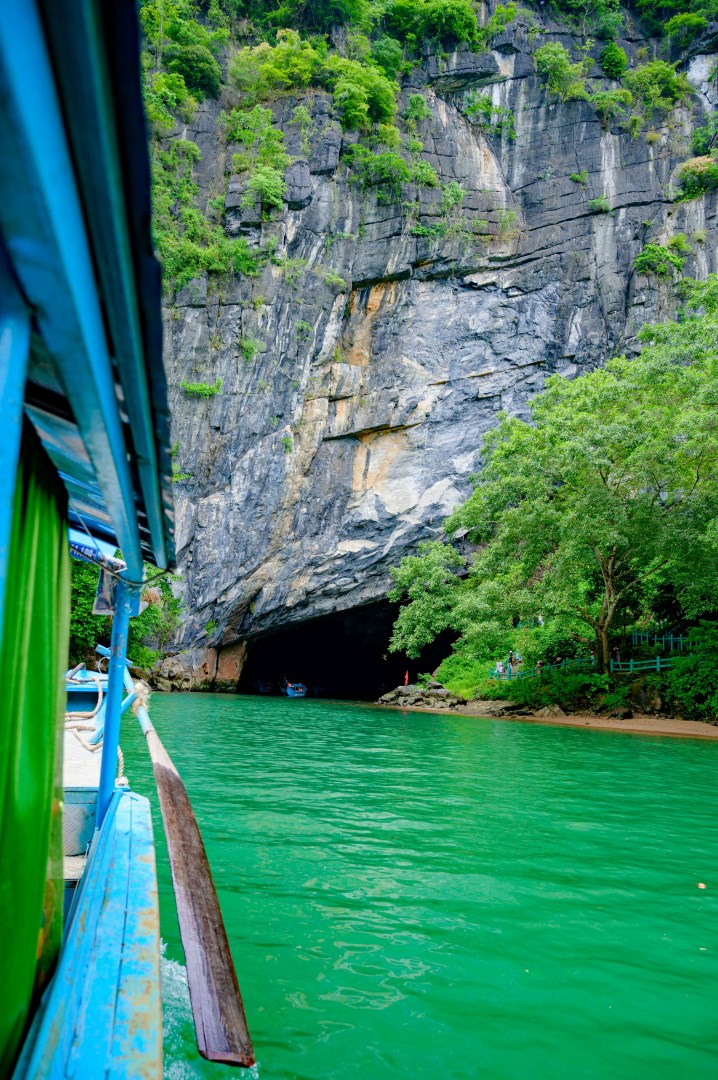
Phong Nha - Ke Bang National Park
Kẻ Bàng National Park lies in central Vietnam, near the border with Laos, and is known for its vast network of limestone mountains and underground rivers. The park forms part of one of the oldest karst landscapes in Asia, shaped over millions of years into a maze of caves, cliffs, and dense forest. Among its most famous features is Sơn Đoòng Cave, recognized as the largest cave on Earth, with sections so vast that clouds can form inside and a jungle grows beneath its collapsed roof.
