

Monastir
Monastir, a coastal gem in Tunisia, offers a perfect blend of history, culture, and sun-soaked relaxation. Overlooking the azure waters of the Mediterranean Sea, the city is famous for its majestic Ribat, a well-preserved Islamic fortress dating back to 796 AD. This imposing structure, used historically to defend against Byzantine and European invaders, offers visitors panoramic views of the coastline and the city below.
Nanyuki
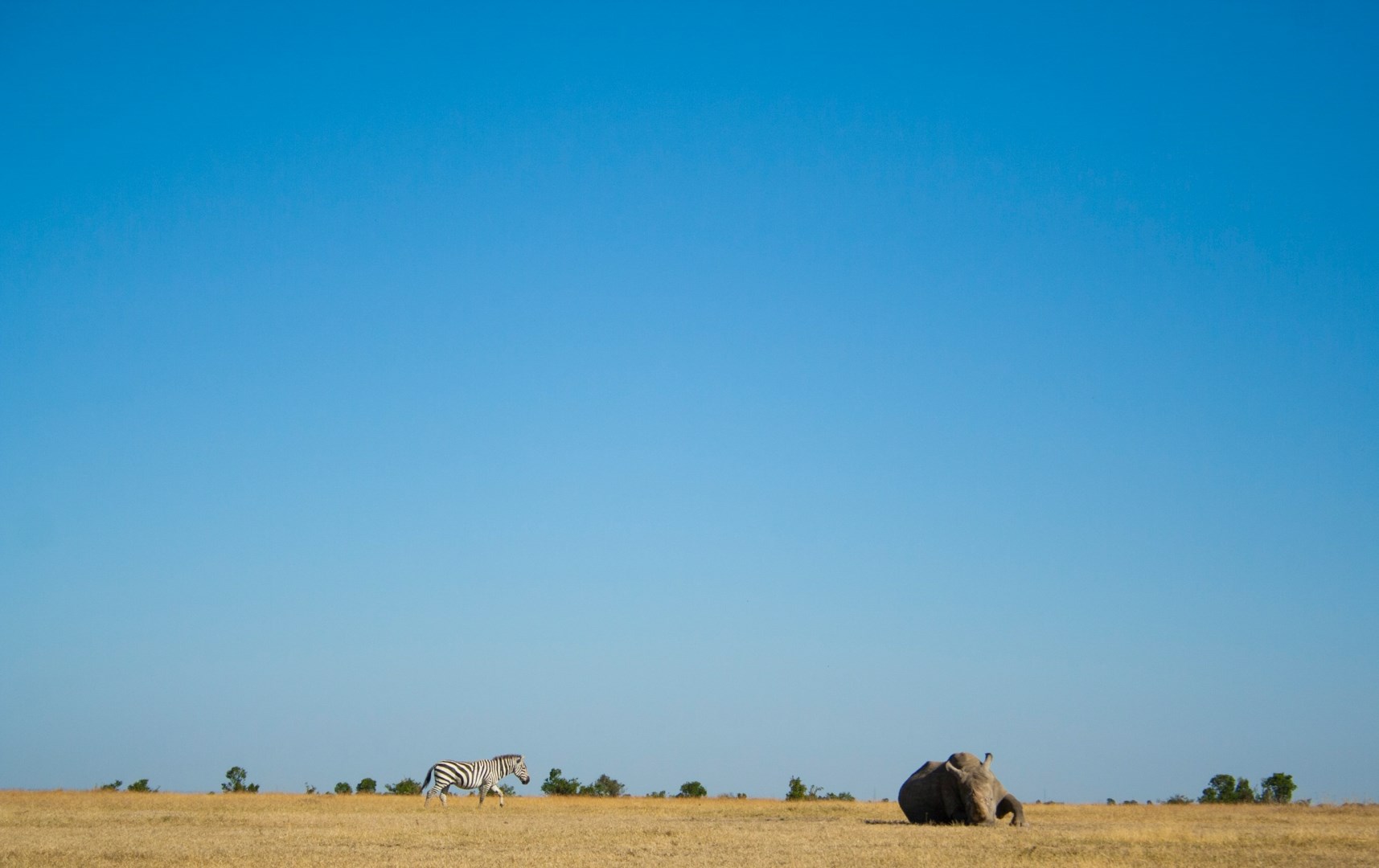
Nanyuki, located on the equator in central Kenya, is a lively town that serves as a gateway to Mount Kenya and the Laikipia Plateau. Founded by British settlers in the early 20th century, it still carries traces of its colonial past while embodying the energy and diversity of modern Kenya.
Mamora Bay
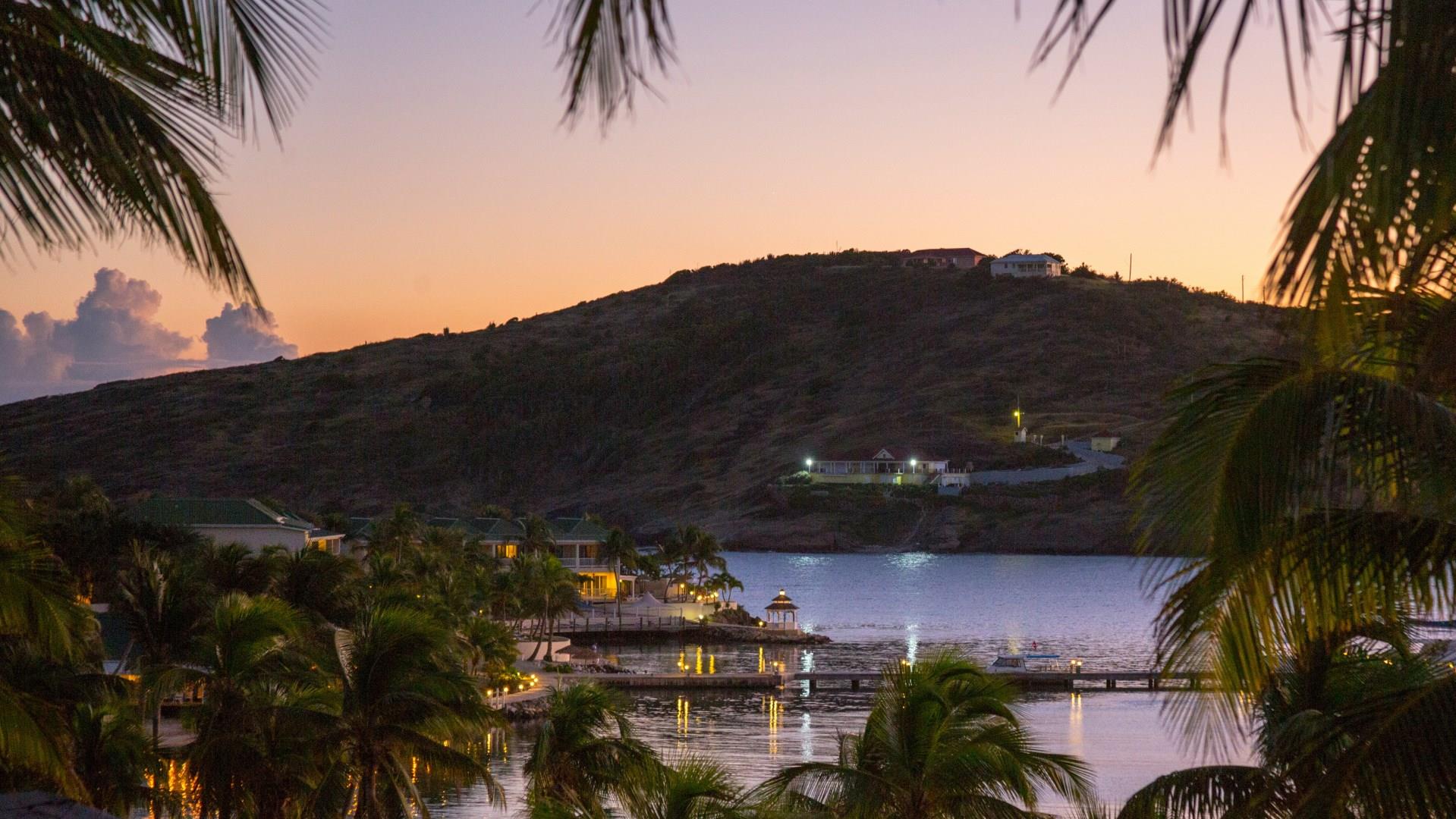
Mamora Bay, tucked into Antigua’s southern coastline, is a serene crescent-shaped bay framed by gentle hills and swaying palms. Known for its calm, sheltered waters, the bay offers a tranquil setting that contrasts with the island’s more rugged Atlantic side.

Riga
Riga, the vibrant capital of Latvia, offers a captivating blend of medieval charm and contemporary energy. Founded in 1201, Riga’s Old Town, a UNESCO World Heritage Site, is a treasure trove of stunning architecture and historical landmarks. Wander through its cobblestone streets to admire the intricately carved facades of buildings like the House of the Blackheads, a striking 14th-century guildhall that epitomizes Riga's rich merchant history.
Kings Canyon
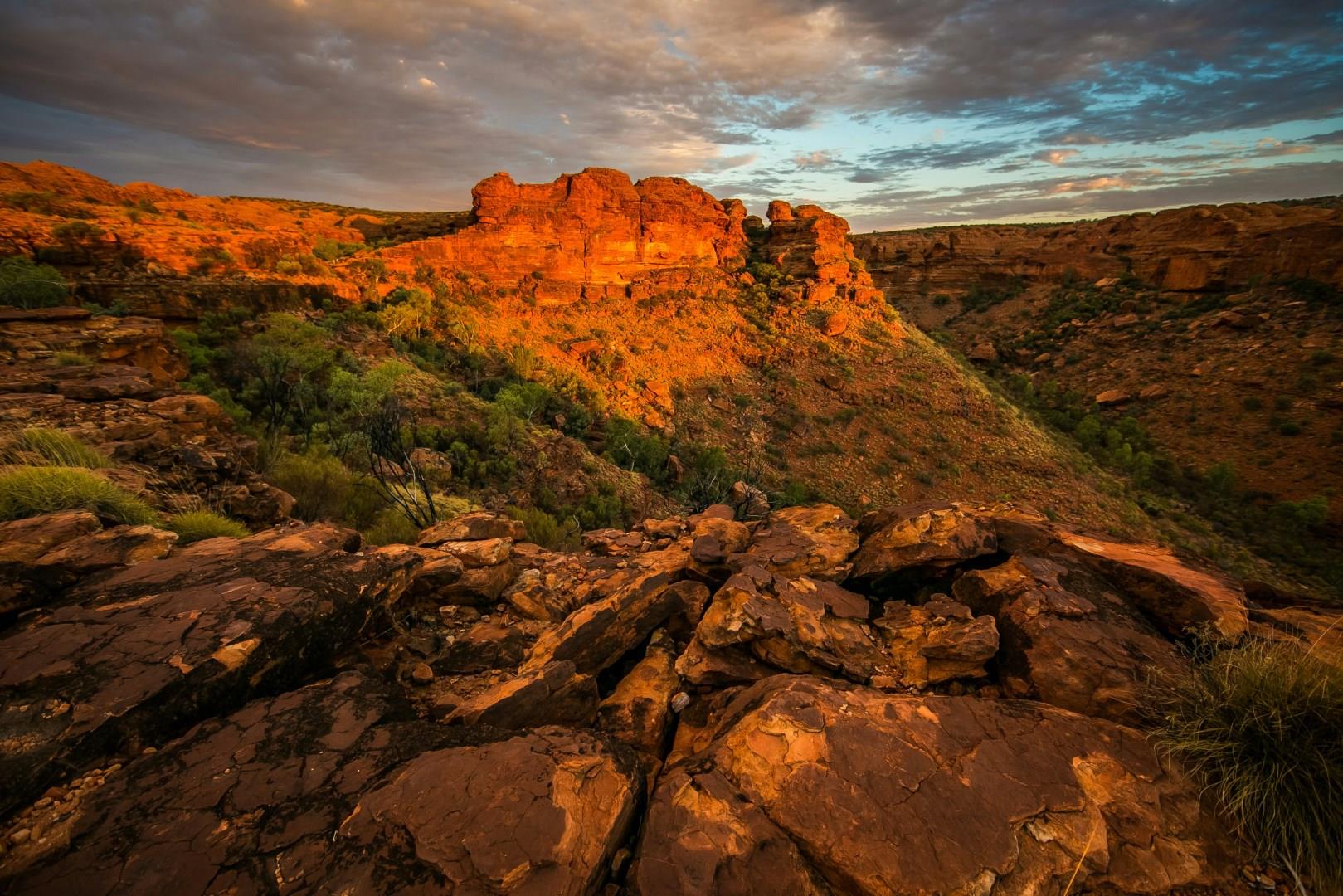
Kings Canyon, located in Australia’s Northern Territory within Watarrka National Park, is one of the Red Centre’s most striking natural landmarks. Carved over millions of years, the canyon holds deep cultural significance for the Anangu people, particularly the Luritja, for whom the area remains a sacred landscape tied to creation stories, ceremony, and traditional knowledge.
