
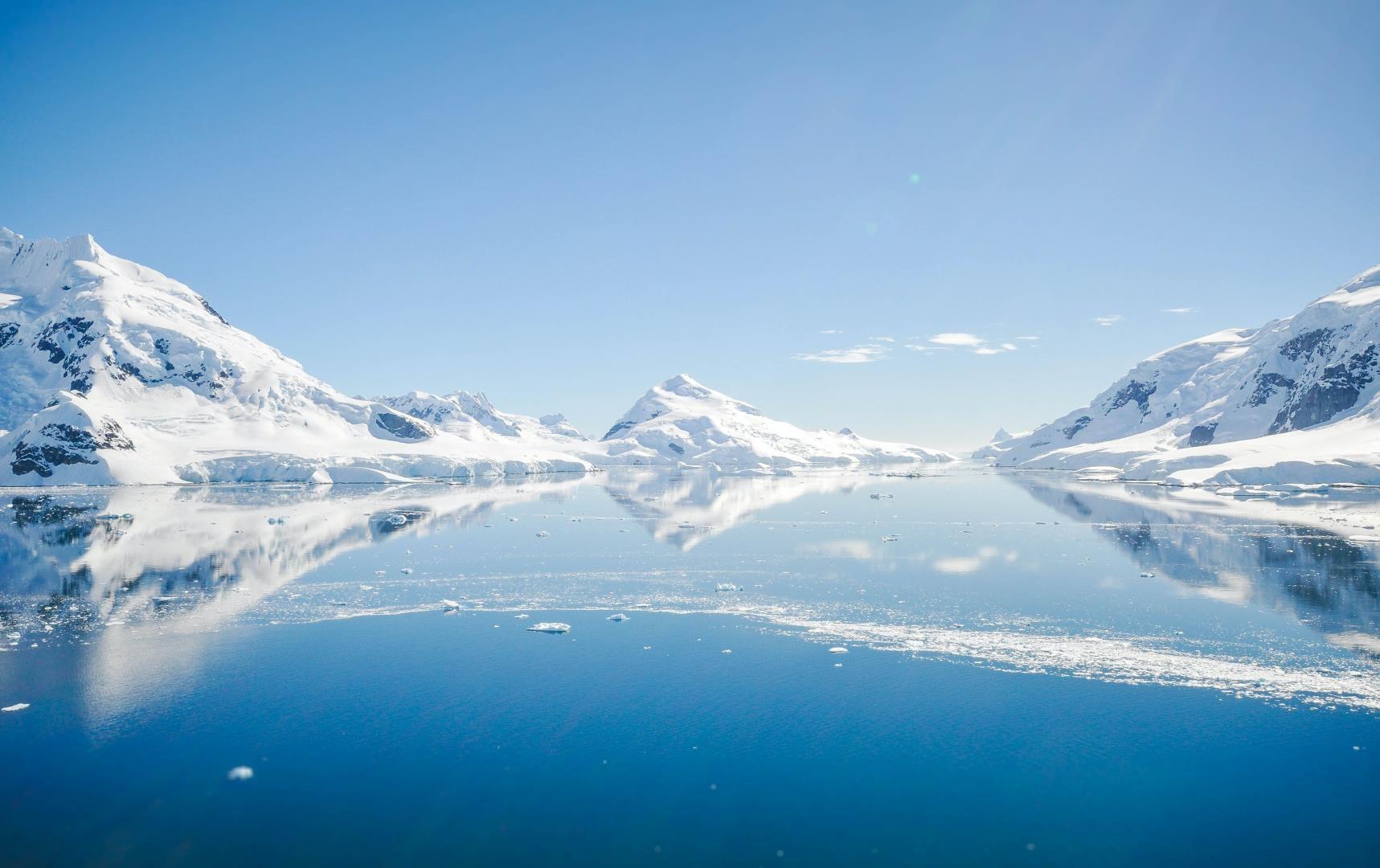
South Shetland Islands
Mist, research stations, and penguins are just a few of the things that define the South Shetland Islands, an archipelago off the coast of Antarctica. These 11 Antarctic islands, most notably King George Island, have served as a base for researchers from Chile, Argentina, and a variety of other countries. The archipelago has also become a popular cruise destination for tourists to the Antarctic region.
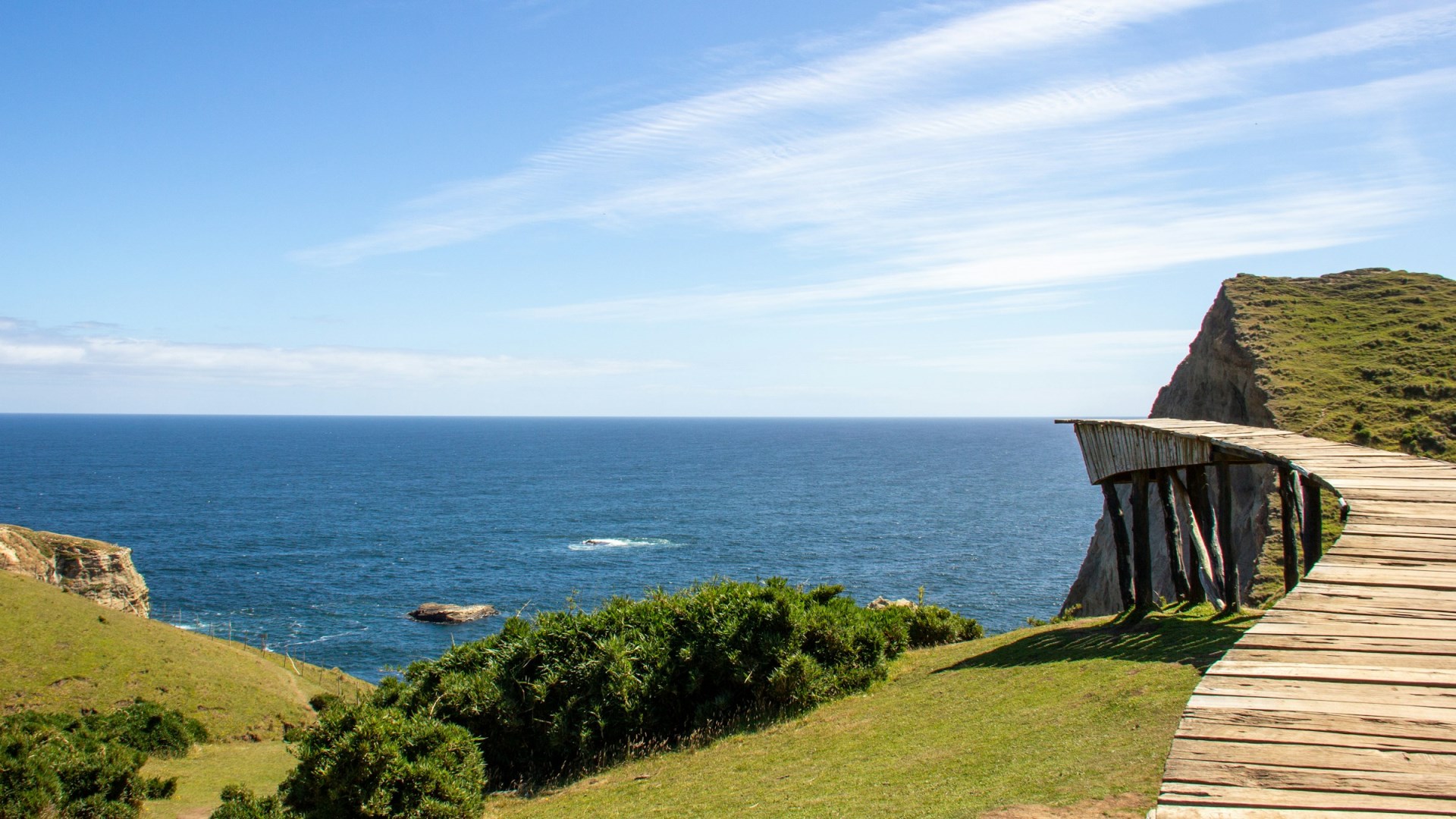
Chiloé Island
Chiloé Island is the largest island in the Chiloé Archipelago in southern Chile, separated from the mainland by the Chacao Channel and surrounded by the Gulf of Corcovado and the Pacific Ocean. Its landscape is shaped by wooded hills, farmland, wetlands, beaches, and a network of channels and smaller islands. Rural communities are scattered across the island, while towns such as Castro, Ancud, and Chonchi provide commercial and cultural centers.
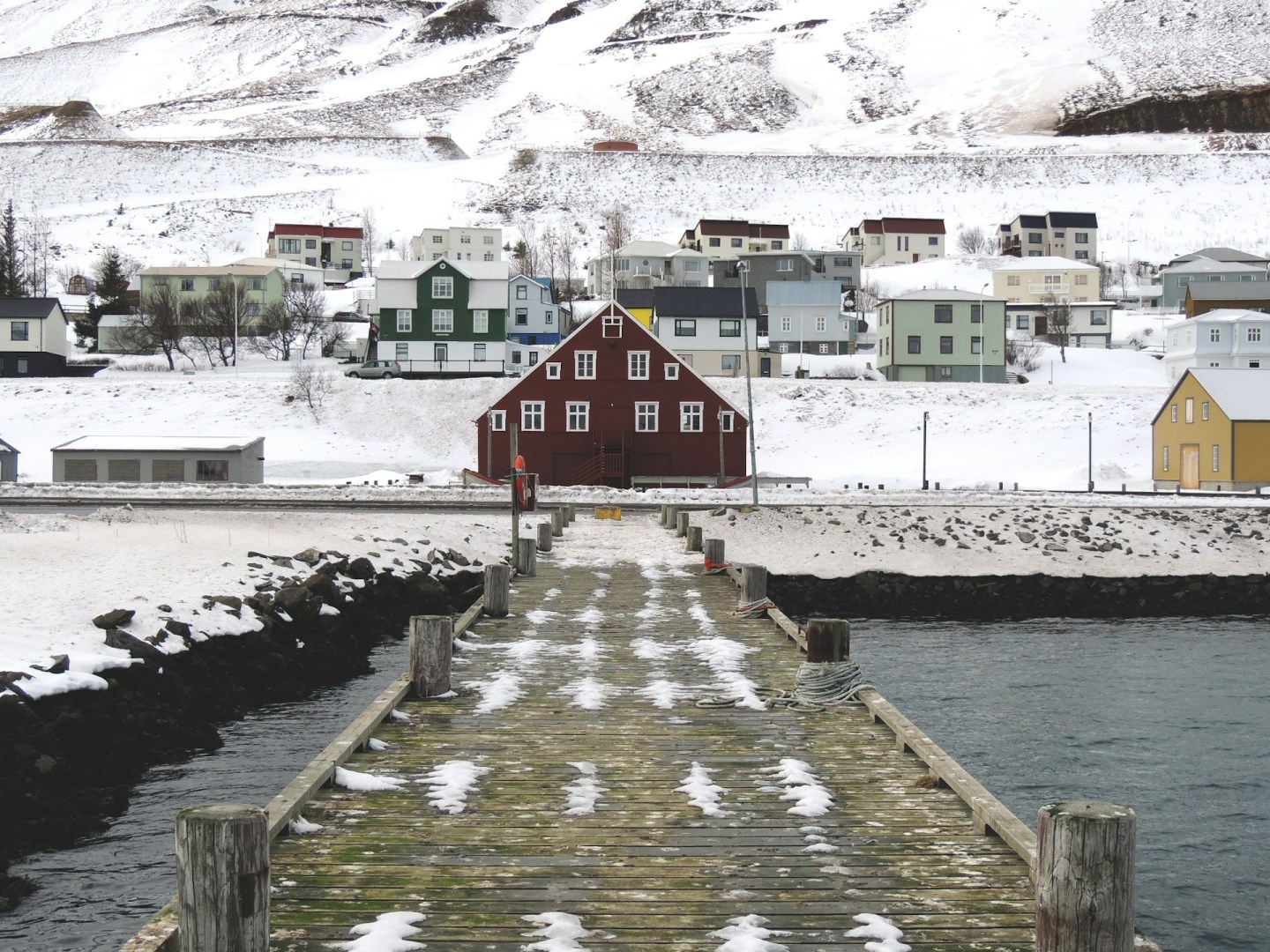
Siglufjörður
Siglufjörður is Iceland’s northernmost mainland town, set at the head of a narrow fjord on the mountainous Trollaskagi Peninsula. Steep slopes rise closely around the harbor, giving the settlement a compact setting shaped by the sea and mountains. Fishing remains central to local life, while the harbor, small streets, cafés, galleries, and museums reflect the town’s role as a regional community.
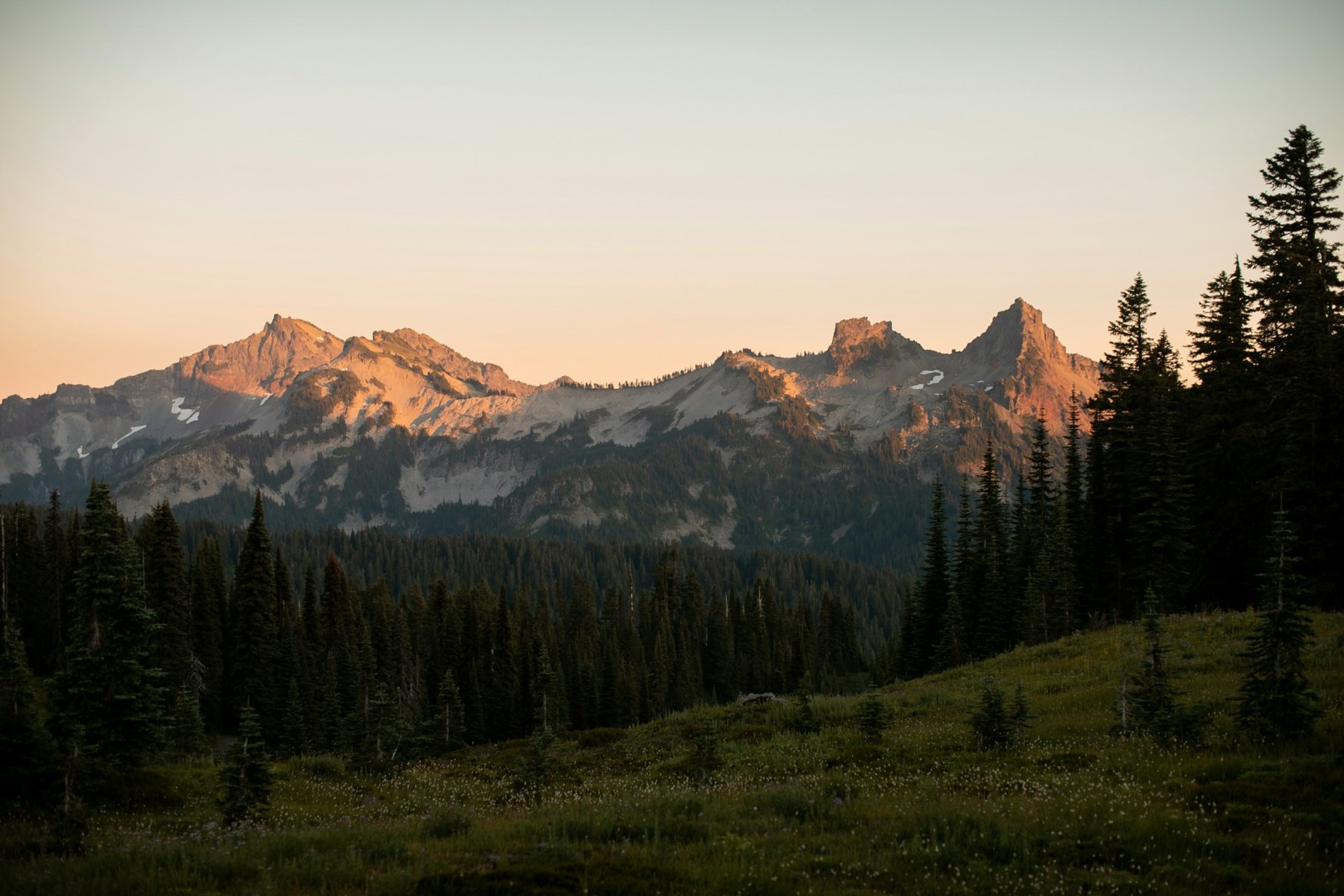
Mount Rainier National Park
Mount Rainier National Park is centered on Mount Rainier, a massive glaciated volcano rising above the forests and valleys of Washington’s Cascade Range. The mountain dominates the surrounding landscape, with glaciers, snowfields, alpine meadows, old-growth forests, rivers, and waterfalls extending across the park. Its varied elevations create distinct environments, from dense lowland forest to open subalpine terrain and rugged alpine slopes.
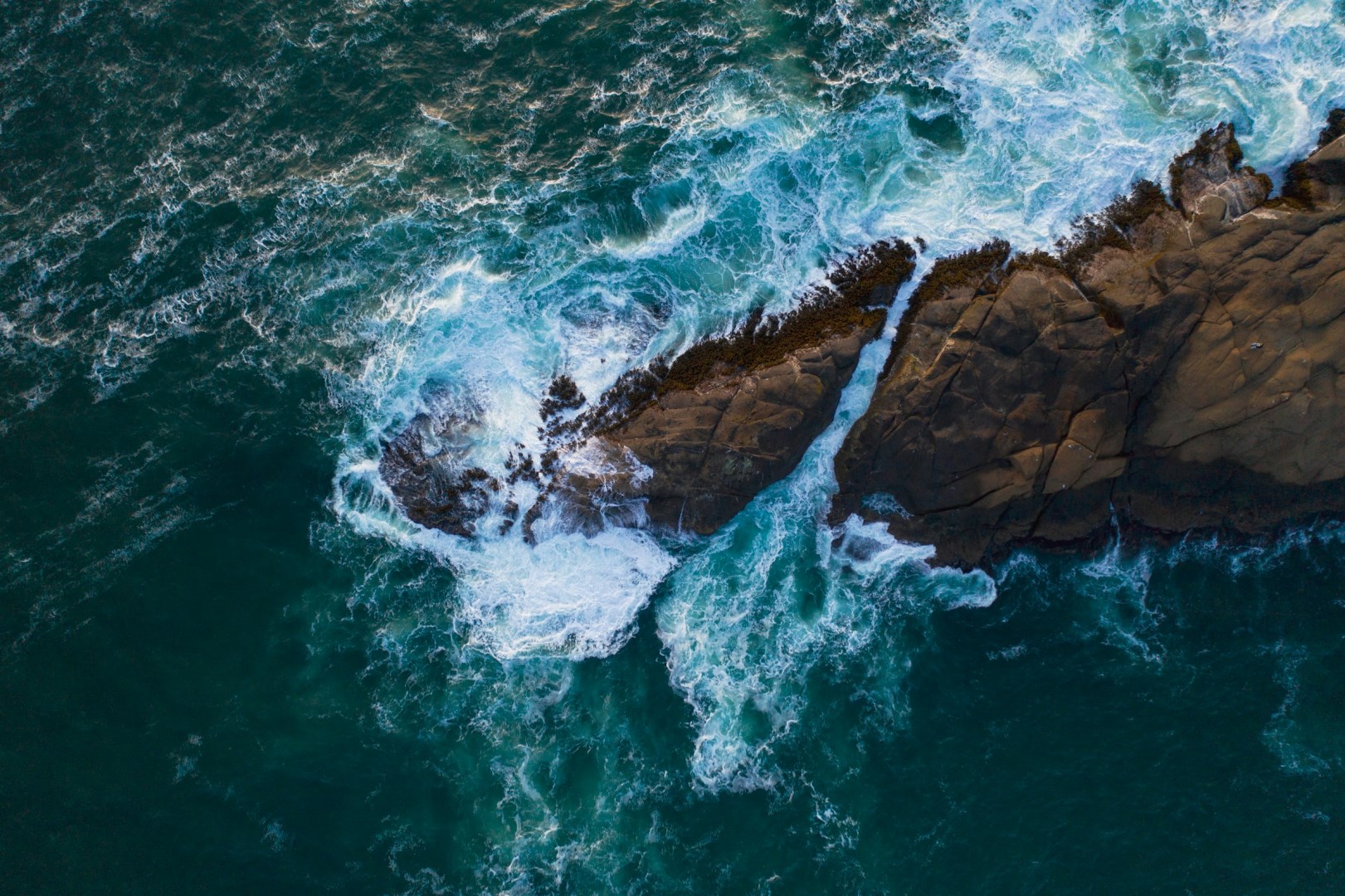
Depoe Bay
Located on the Oregon coast, and is one of the prettiest beach towns in Oregon.
