
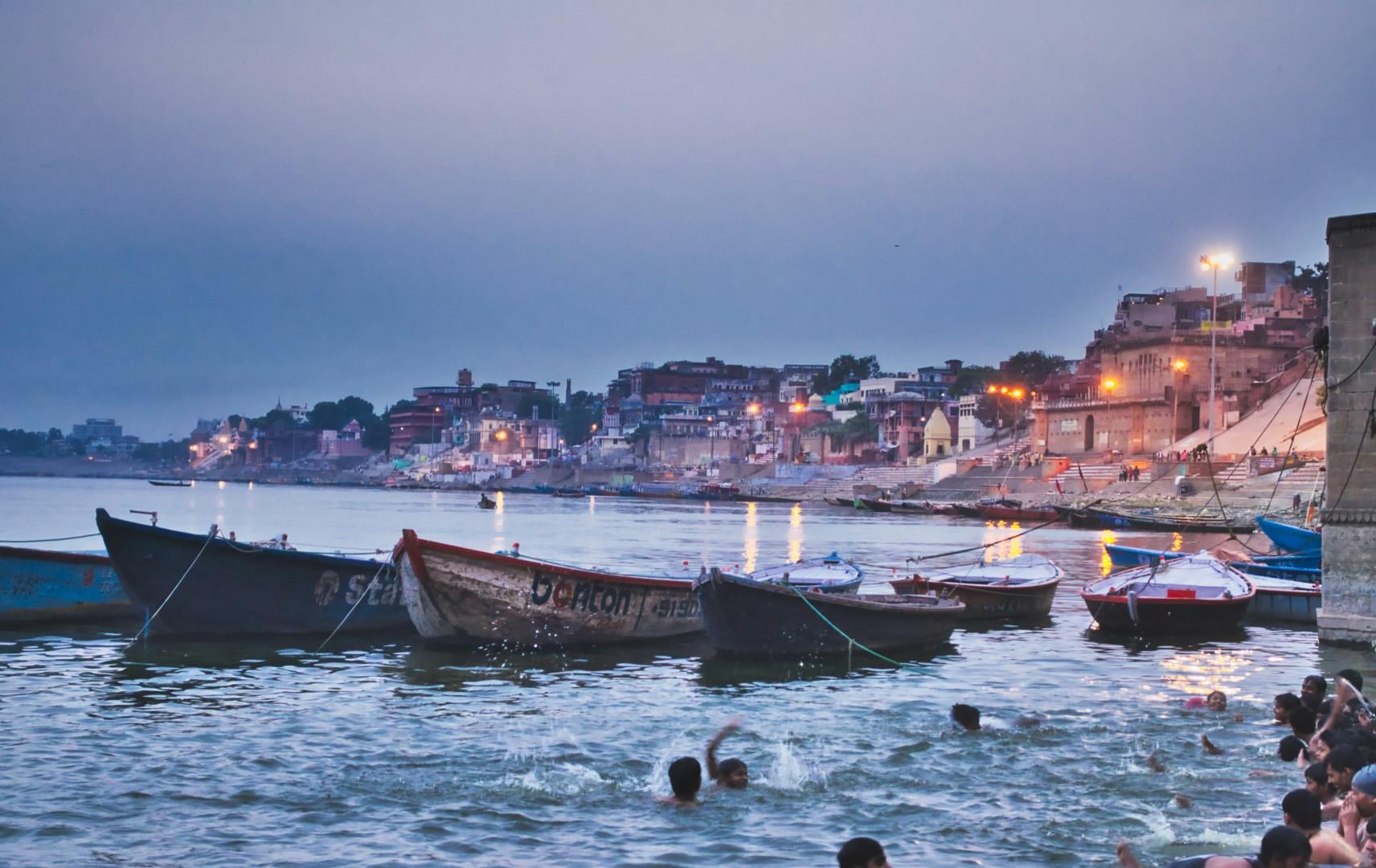
Varanasi
Varanasi sits along the sacred Ganges River in northern India as one of the oldest continuously inhabited cities in the world. It is a place where daily life and rituals flow together on the long stone steps called ghats that reach down to the water. Visitors often rise early for a sunrise boat ride, watching as light spreads across the river and pilgrims make gentle offerings to the water.
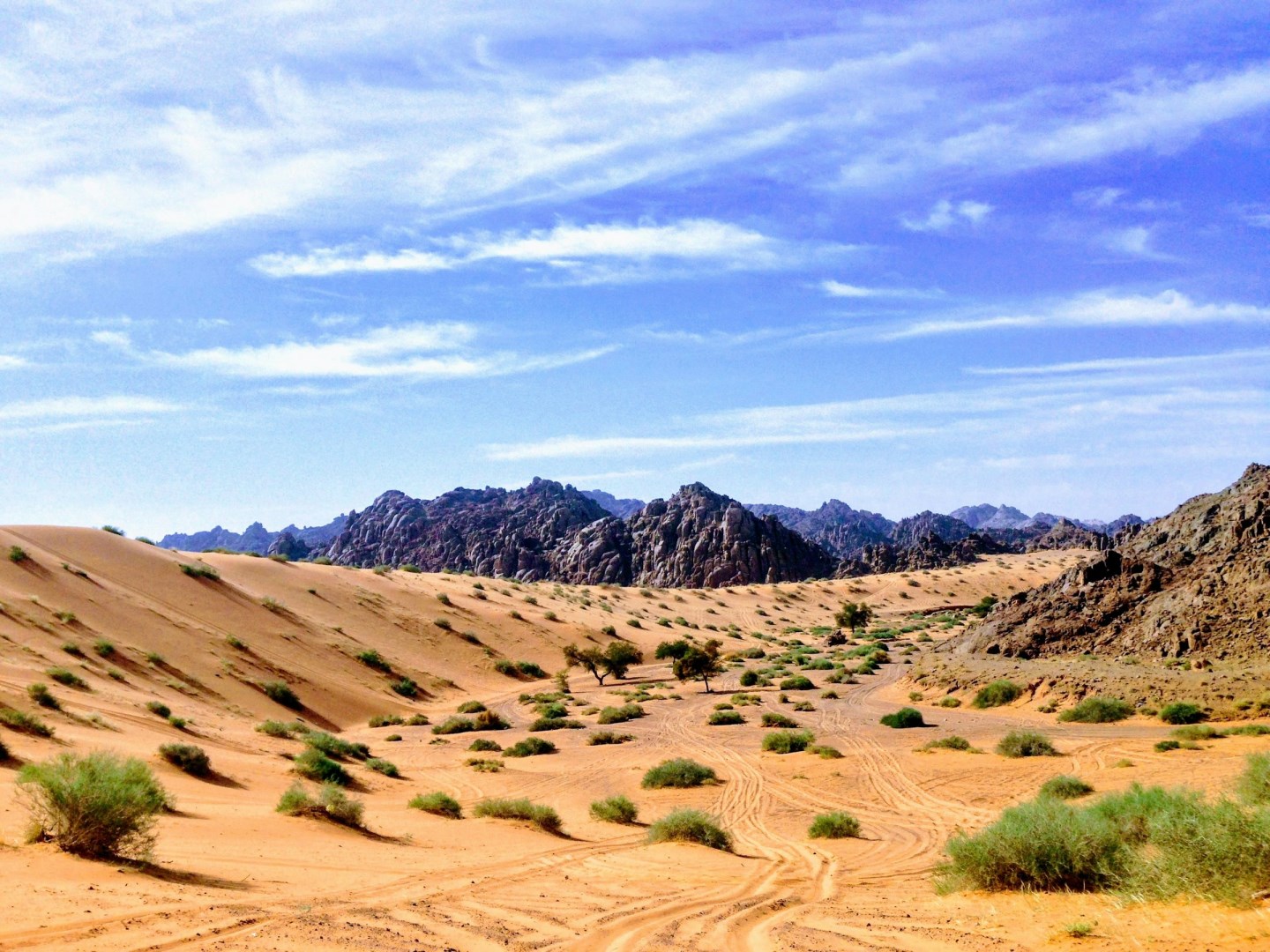
Ha’il
Ha'il is a city in north-central Saudi Arabia and the capital of Ha'il Province, located near the western edge of the vast An Nafud desert. The city lies in an oasis region where groundwater supports palm groves and agriculture, creating a cultivated landscape between surrounding desert and mountains.
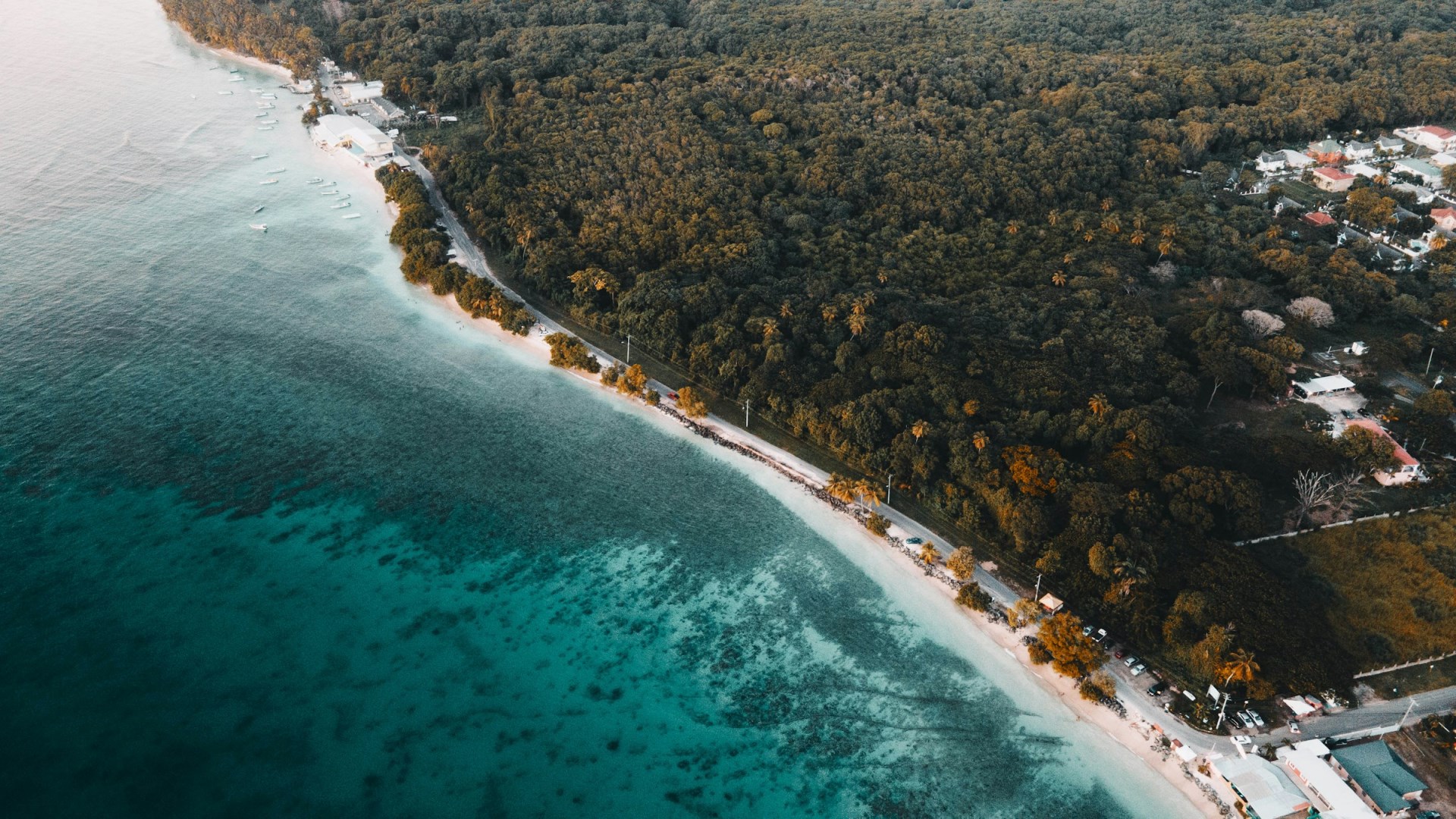
Crown Point
Crown Point is a coastal area at the southwestern tip of Tobago, known for sandy beaches, shallow Caribbean waters, and its proximity to the island’s main airport. The area sits between Store Bay and the shoreline around Pigeon Point, with low hills and tropical vegetation extending inland. Crown Point forms part of Tobago’s main visitor district, with hotels, guesthouses, restaurants, shops, and small businesses spread through the surrounding communities.

Santo Domingo
The capital city of the Dominican Republic is rich in history and beauty, boasting 16th-century Spanish architecture and the oldest cathedral in the Americas. The narrow streets of the old colonial city are a testament to the complex mixture of forces that contributed to the construction of the first European city in the Western Hemisphere.
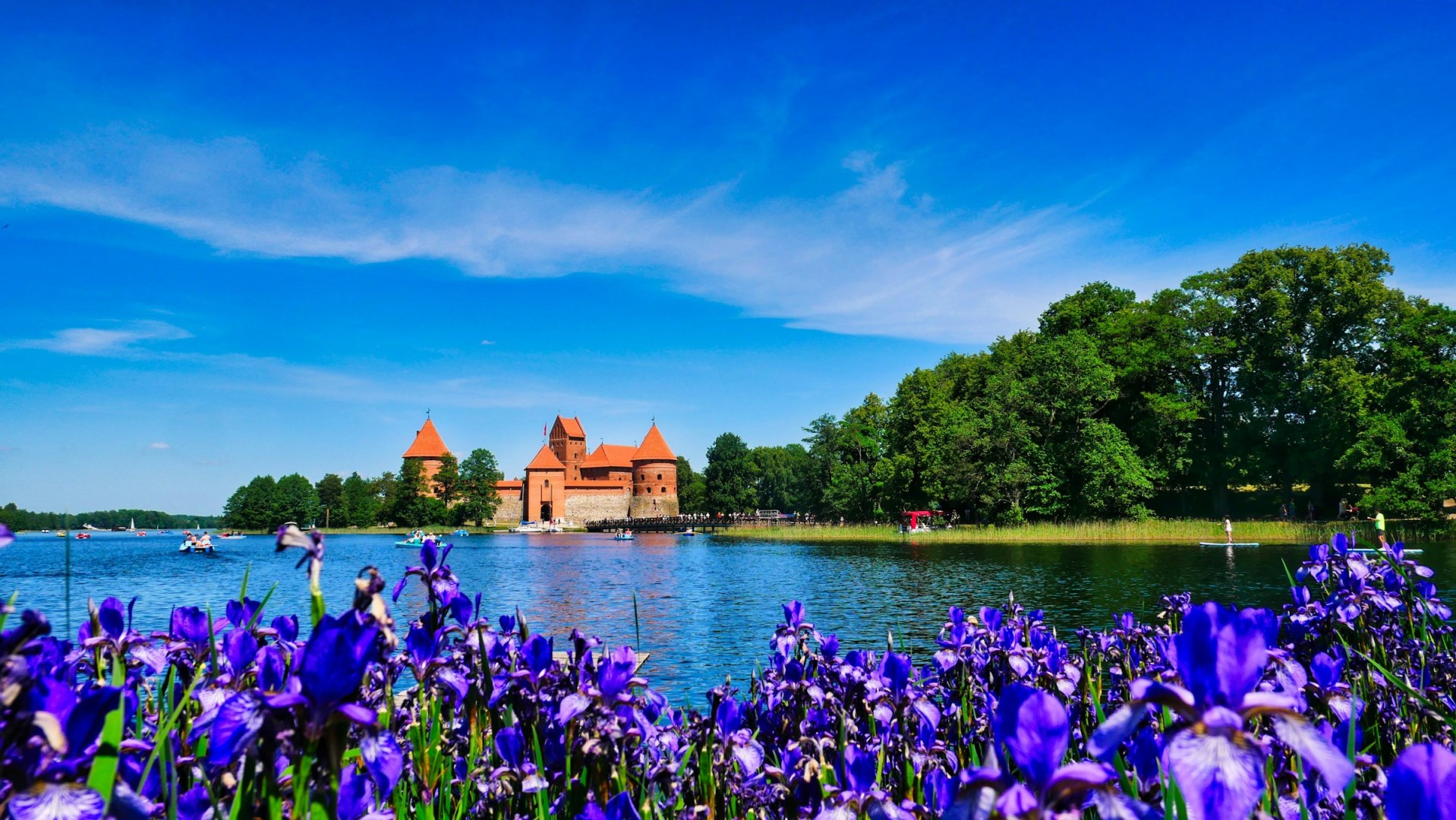
Trakai
Trakai is a small historic town west of Vilnius, surrounded by lakes and wooded landscapes in southeastern Lithuania. Its most recognizable landmark is Trakai Island Castle, a red-brick fortress built on an island in Lake Galvė and connected to the shore by a wooden bridge. The town itself is set between several lakes, including Lake Galvė, Lake Totoriškės, and Lake Luka, giving its streets and waterfront a distinctly waterside setting.
