

Ensenada
Ensenada is an enchanting port city on the coast of Baja California, Mexico. Stroll along the harbor on the Malecón Promenade for spectacular panoramic views of the Pacific Ocean, or hit the town for a taste of Ensenada's thrilling night life and delectable local eats.

Warsaw
Warsaw stands as one of Europe’s most resilient cities, having rebuilt itself almost entirely after World War II. The Old Town, meticulously reconstructed using paintings by Italian artist Bernardo Bellotto, feels centuries old but is, in fact, less than a hundred years in its current form. Behind the medieval facades lie stories of uprisings, resistance, and quiet defiance. Visitors walking through Castle Square can enter the Royal Castle, where Poland’s Constitution of May 3, 1791 was adopted.
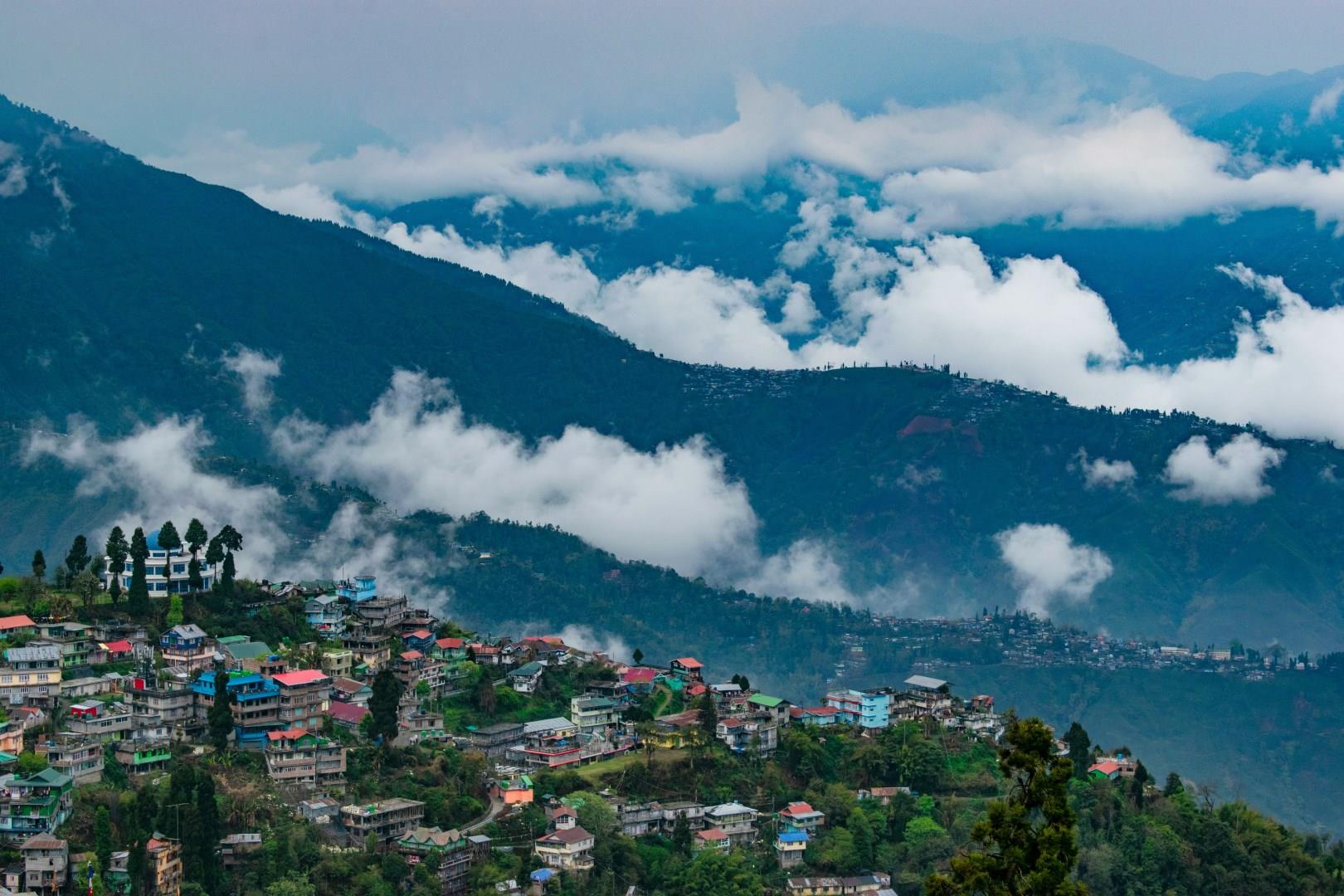
Darjeeling
Darjeeling sits along a ridge in the eastern Himalaya, shaped by colonial history and long-standing ties to the surrounding hills.
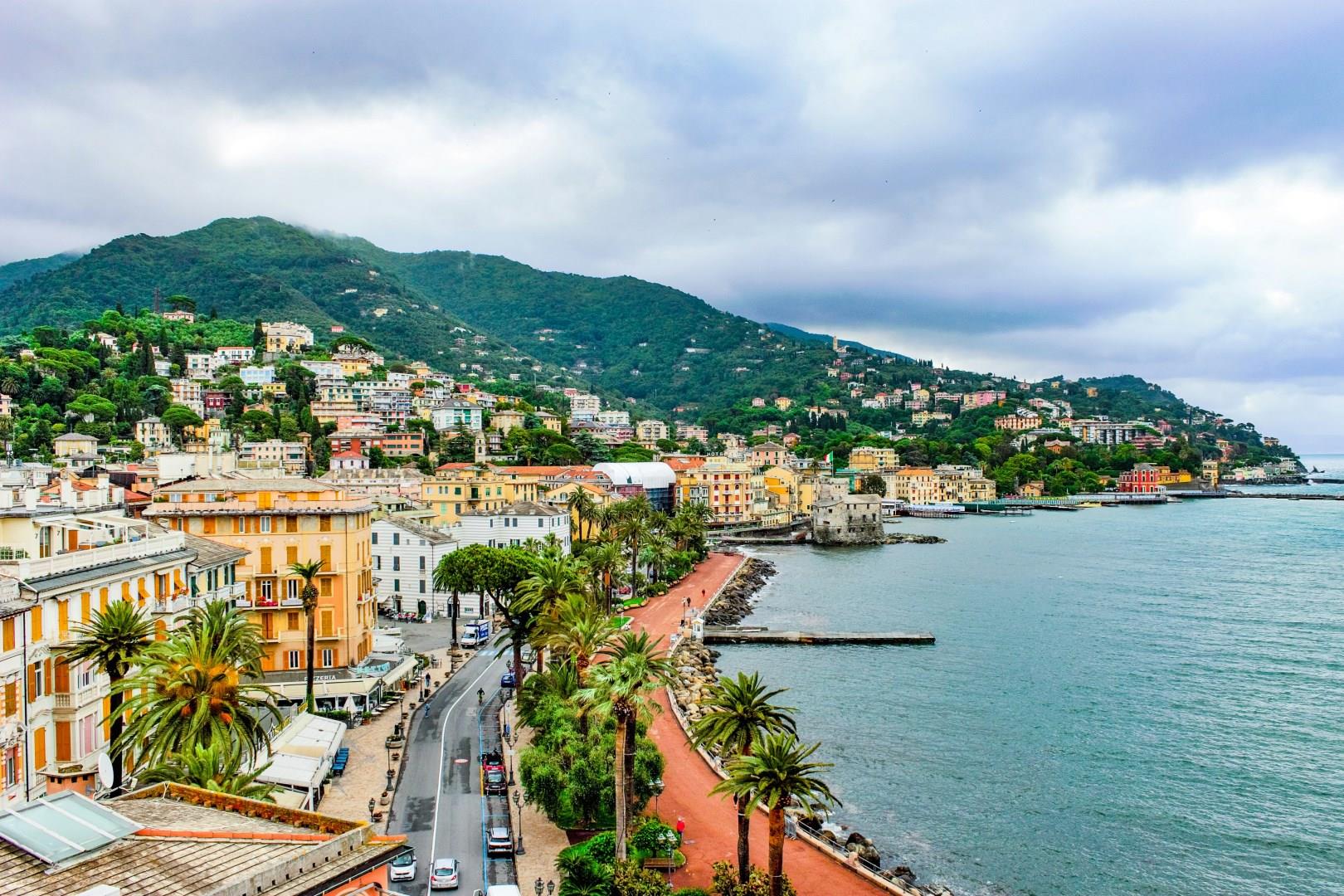
Rapallo
Rapallo, set along Italy’s Ligurian coast between Portofino and Chiavari, is a seaside town that combines history, elegance, and Riviera charm.
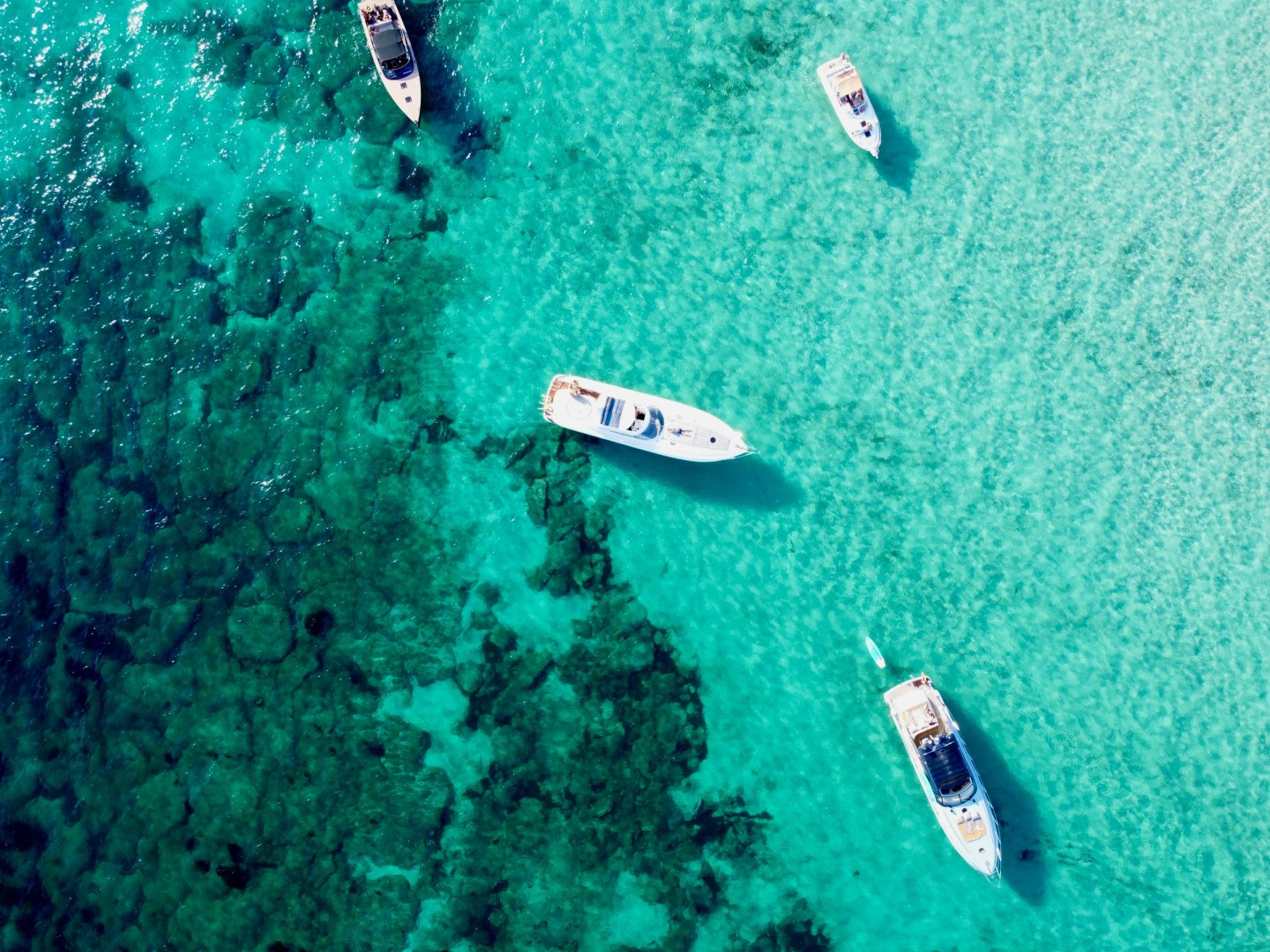
Ibiza
Ibiza, one of Spain’s Balearic Islands, is a captivating destination known for its vibrant nightlife, stunning landscapes, and rich cultural history. This island offers an intoxicating blend of sun-drenched beaches, crystal-clear waters, and an exhilarating party scene.
