

Halong Bay
Halong Bay, located in northeastern Vietnam, is a stunning UNESCO World Heritage site known for its emerald waters and towering limestone islands. This natural wonder offers a variety of activities for visitors, including cruising, kayaking, snorkeling, and exploring extraordinary caves like the Sung Sot.
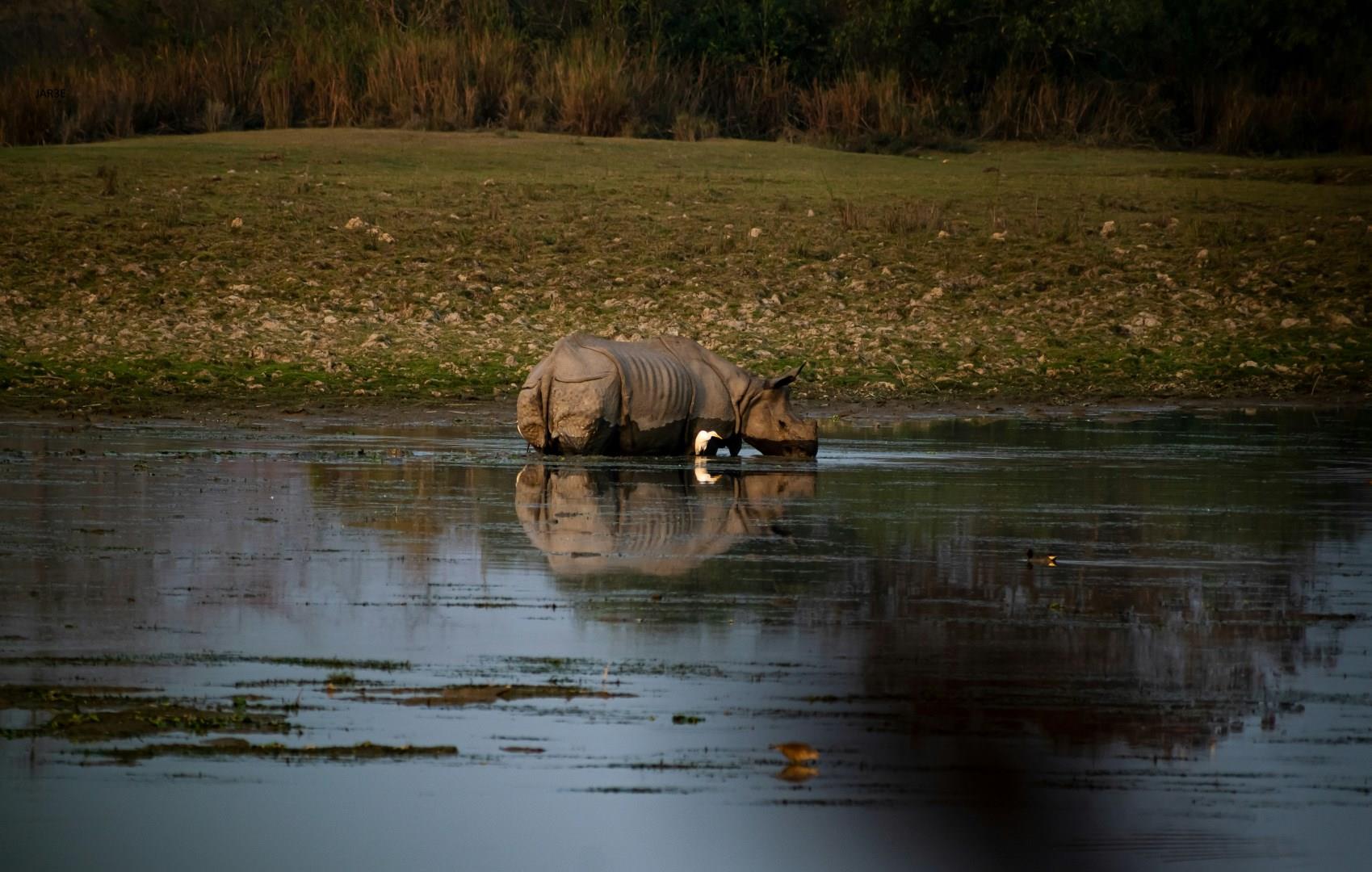
Kaziranga National Park
Kaziranga National Park stretches across the floodplains of the Brahmaputra River in Assam, shaped as much by water as by wildlife. Established in the early 20th century, it became central to conservation efforts in India, most notably for the greater one-horned rhinoceros. The park’s history reflects a long negotiation between protection, seasonal flooding, and the human communities that live around its edges.
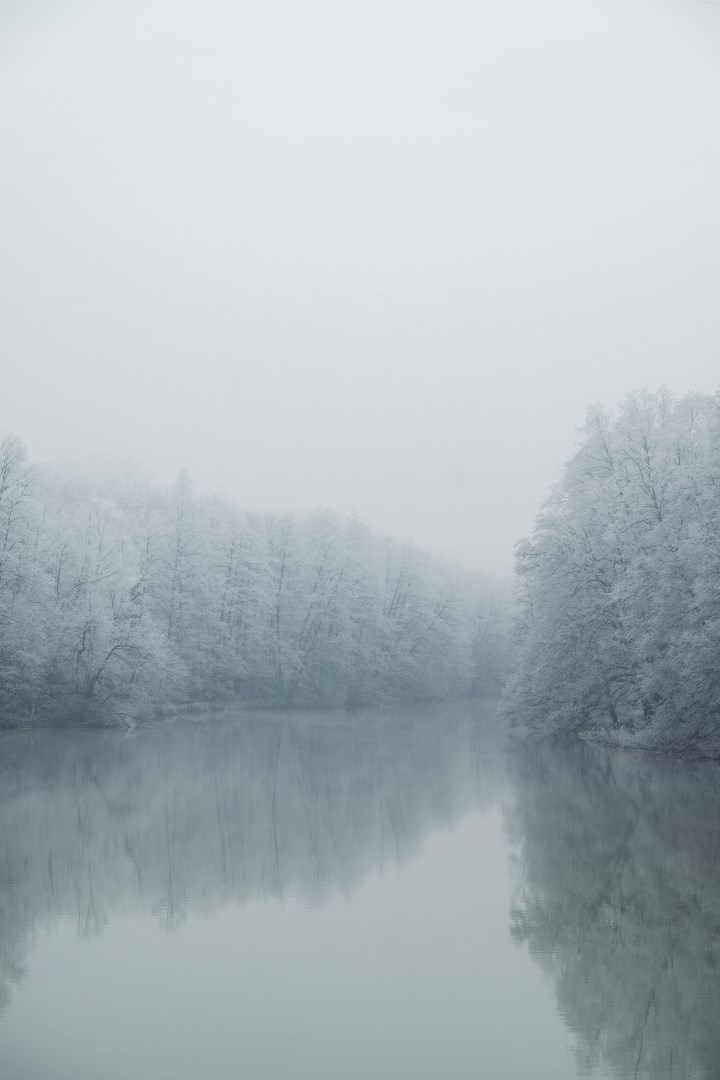
Vilshofen
Vilshofen is a town in Lower Bavaria, Germany, located where the Vils River meets the Danube. The town is known for its riverside setting, colorful historic center, and role as a regional transportation point along the Danube corridor.

Netherlands
The Netherlands offers travelers a landscape where innovation and tradition intersect. In cities like Amsterdam, visitors can explore centuries-old canal networks and Golden Age architecture while also encountering contemporary art installations and sustainable urban design. The Rijksmuseum houses masterpieces by Rembrandt and Vermeer, while a short walk away, the Van Gogh Museum brings visitors closer to one of history’s most studied painters.
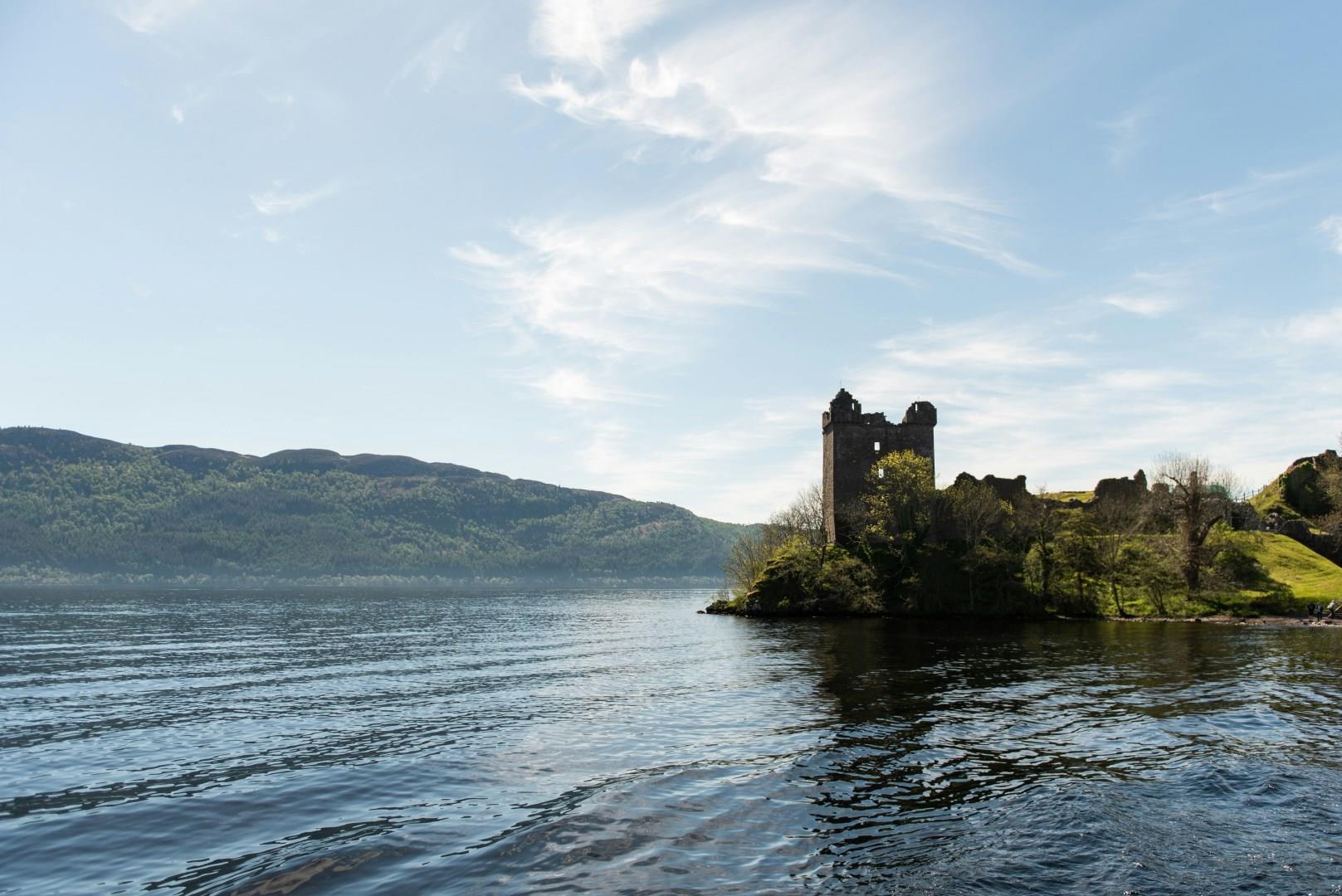
Loch Ness
Loch Ness stretches over 23 miles through the Scottish Highlands, holding more freshwater than all the lakes in England and Wales combined. Best known for its elusive resident, the so-called Loch Ness Monster, the loch has sparked international curiosity since the first modern "sighting" in 1933. While Nessie remains elusive, the surrounding landscape offers clear reasons to visit with steep hillsides, forested trails, and ancient ruins framing one of Scotland’s most iconic bodies of water.
