
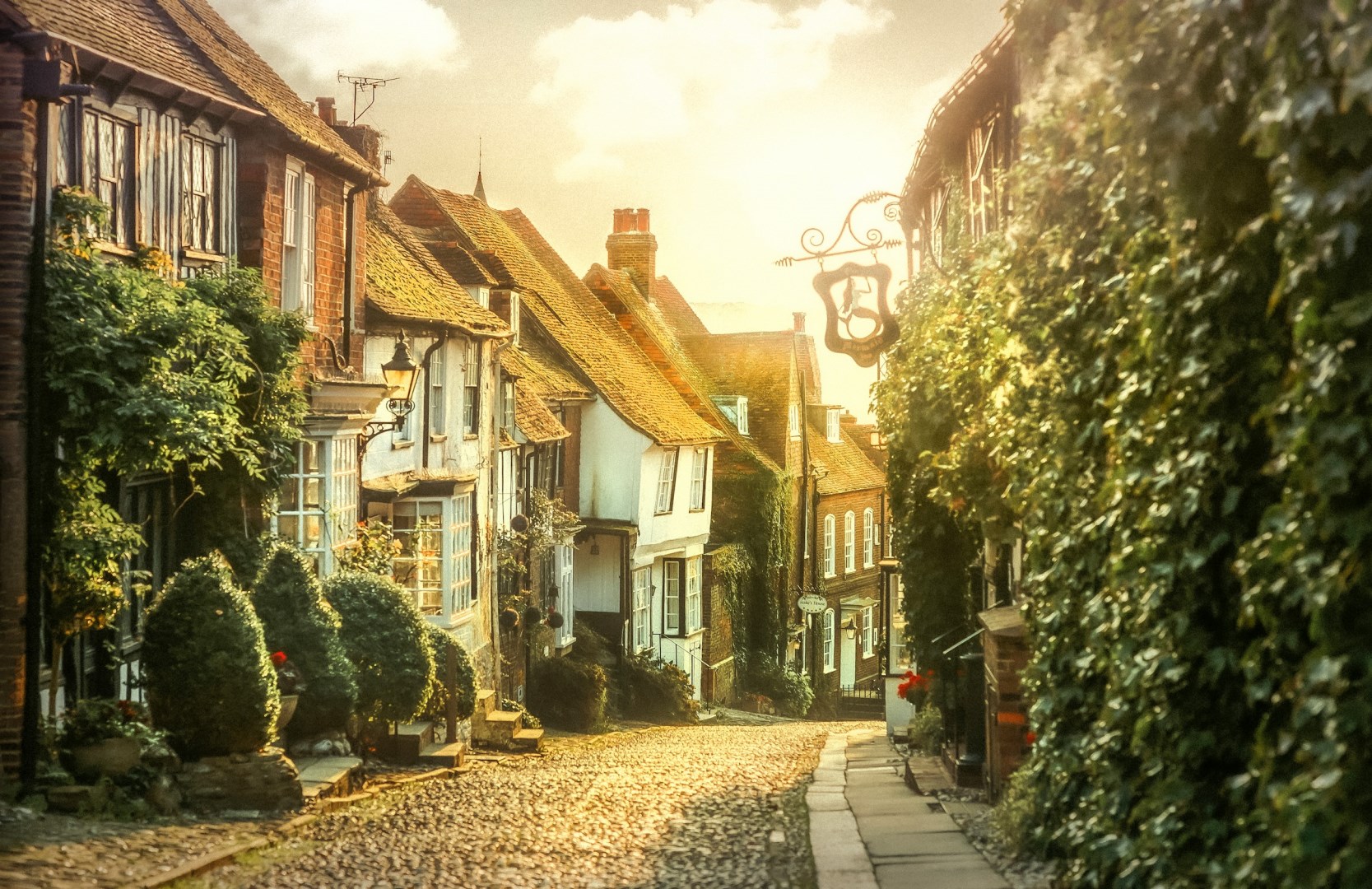
Rye
Rye is a diverse town, supported by fishing, boat-building, pottery-making, and light industry such as electronics. Visit the Rye Heritage Centre at Strand Quay, offering exhibitions of Rye's history. A more colorful depiction of its history is portrayed by a very impressive Sound and Light Show. Also visit the various sweet shops specialising in homemade fudge. Rye Harbour and the Pett Level lakes offer excellent birdwatching. The Rye Golf Club at Camber has on of Britain's finest coastal cours

Abel Tasman National Park
Abel Tasman National Park, located at the northern tip of New Zealand's South Island, is a paradise for nature lovers and outdoor enthusiasts. Renowned for its golden beaches, lush forests, and crystal-clear waters, the park offers an array of activities, from hiking to kayaking. The Abel Tasman Coastal Track, one of New Zealand's Great Walks, stretches over 60 kilometers and provides breathtaking views of the coastline, making it a must-do for visitors.

Panama Canal
An essential passageway between the Atlantic and Pacific Oceans, the Panama Canal is an extraordinary technological landmark and a testament to human innovation. Built in the early twentieth century by American engineers, the canal weaves through the Panamanian isthmus and allows easy access for commercial freighters and cruise ships alike.
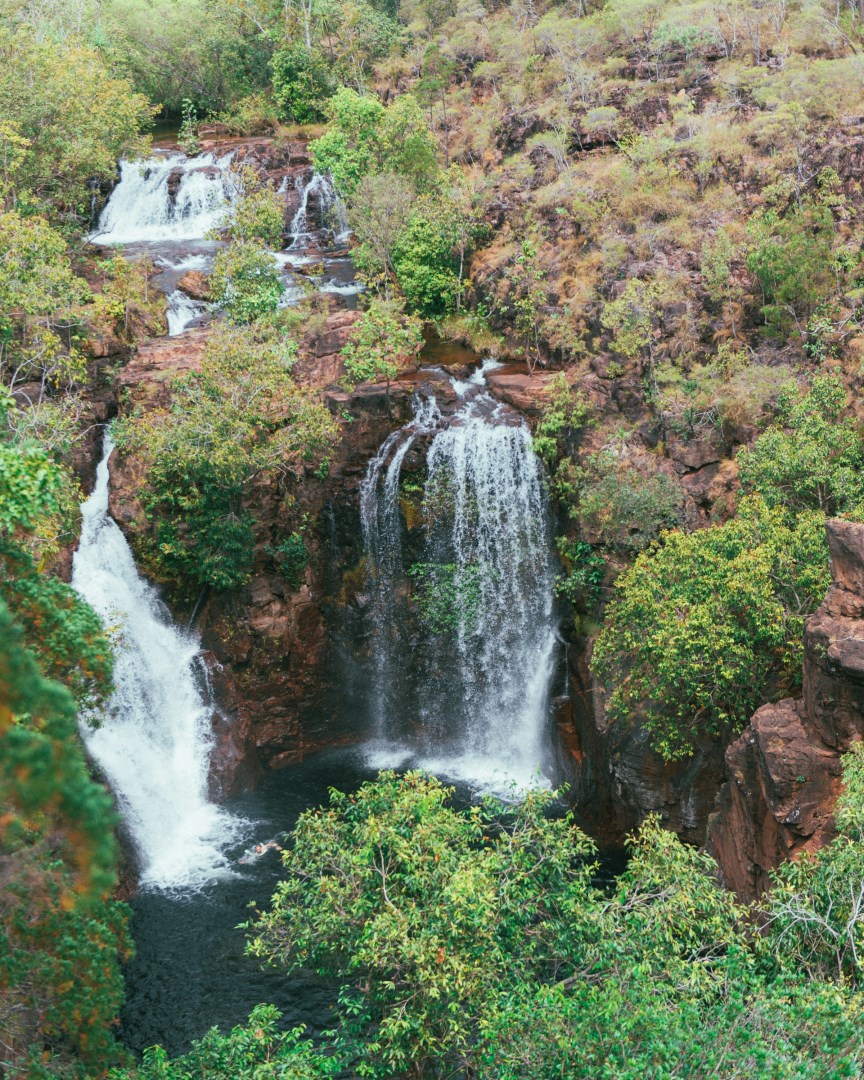
Karijini National Park
Wander through red gorges, swim in clear rock pools, and stand beneath spectacular waterfalls. It is an awe-inspiring journey into the rugged heart of the outback.
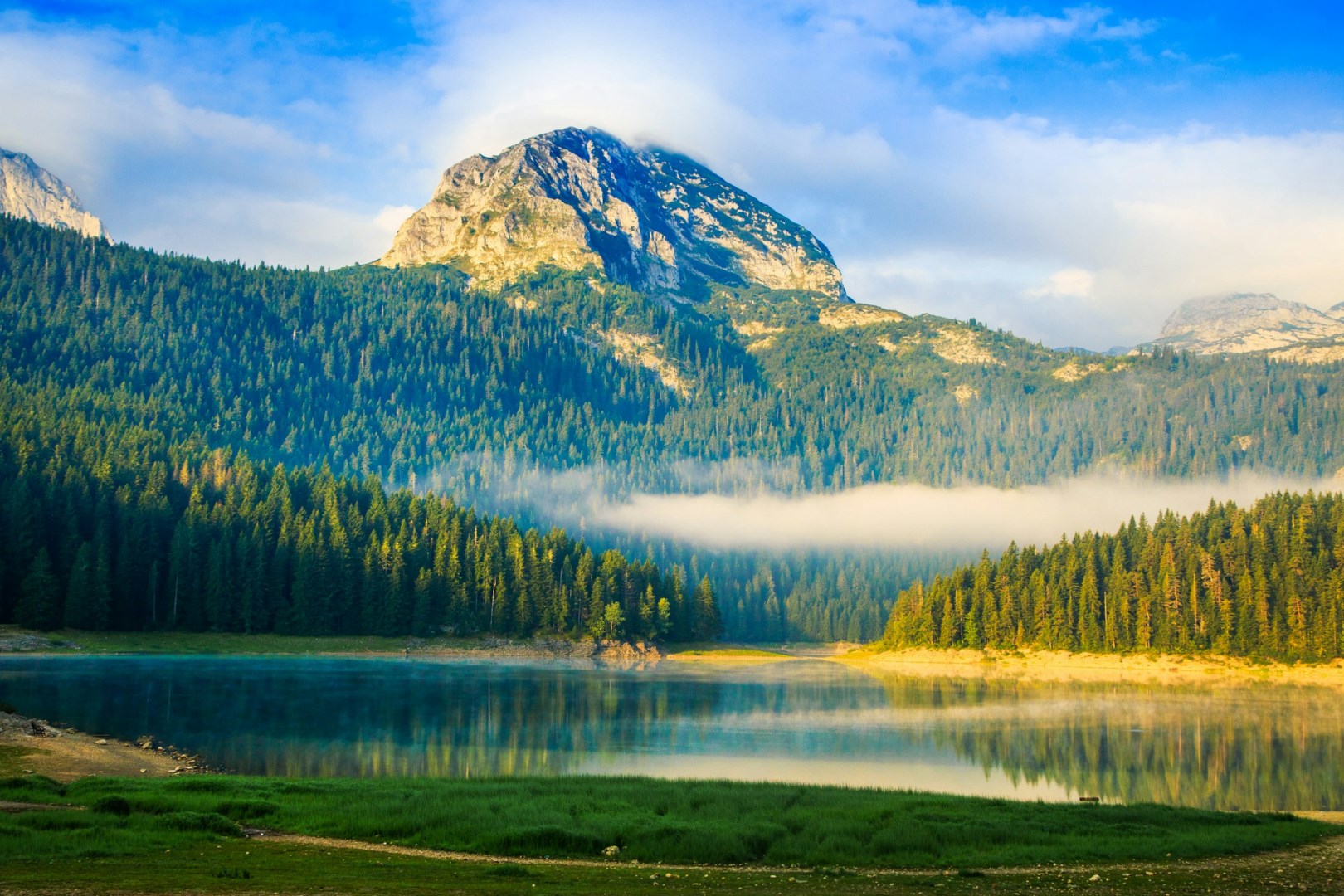
Durmitor National Park
Durmitor National Park is found in the Dinaric Alps, located in northwestern Montenegro. Along the Tara River Canyon, one of the deepest in Europe, Durmitor features nearly 50 limestone peaks interspersed with clear glacial lakes and deep pine forests.
