

Rhode Island
Rhode Island may be the smallest state in the U.S., but it offers an outsized variety of experiences, from colonial history to coastline escapes. Founded in 1636 by Roger Williams as a haven for religious freedom, the state still reflects its independent spirit. In Providence, travelers can visit the John Brown House Museum to explore the city’s role in early American commerce, or walk Benefit Street, lined with preserved 18th- and 19th-century homes.
Surat Thani
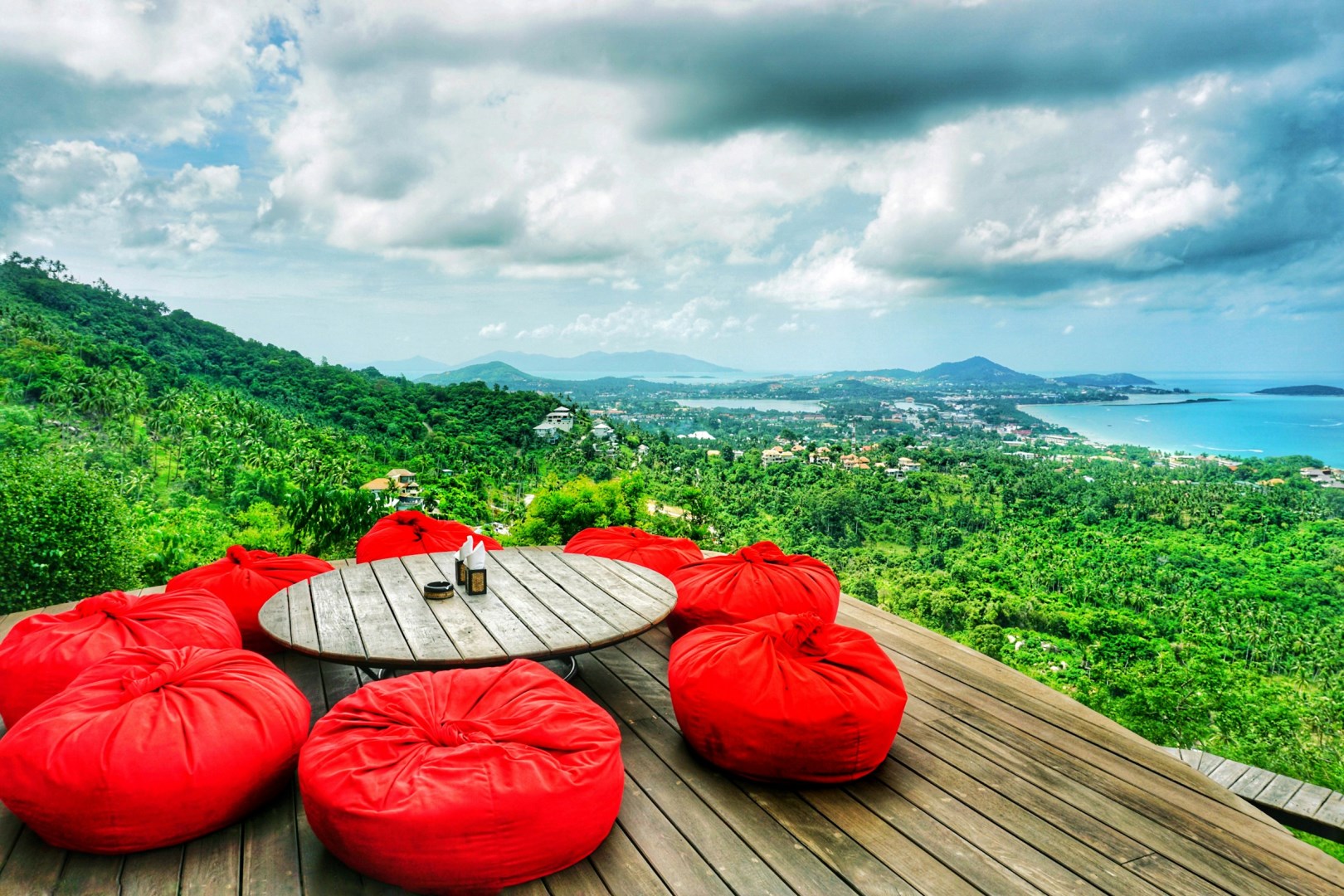
Surat Thani is a city in southern Thailand situated near the mouth of the Tapi River, where the river meets the Gulf of Thailand. It serves as an important commercial and transport center for the surrounding province and is a common starting point for journeys to the islands of the Gulf. The city itself has a more local character than Thailand's major resort destinations, with markets, temples, riverfront areas, and busy streets forming its urban landscape.
Mykines
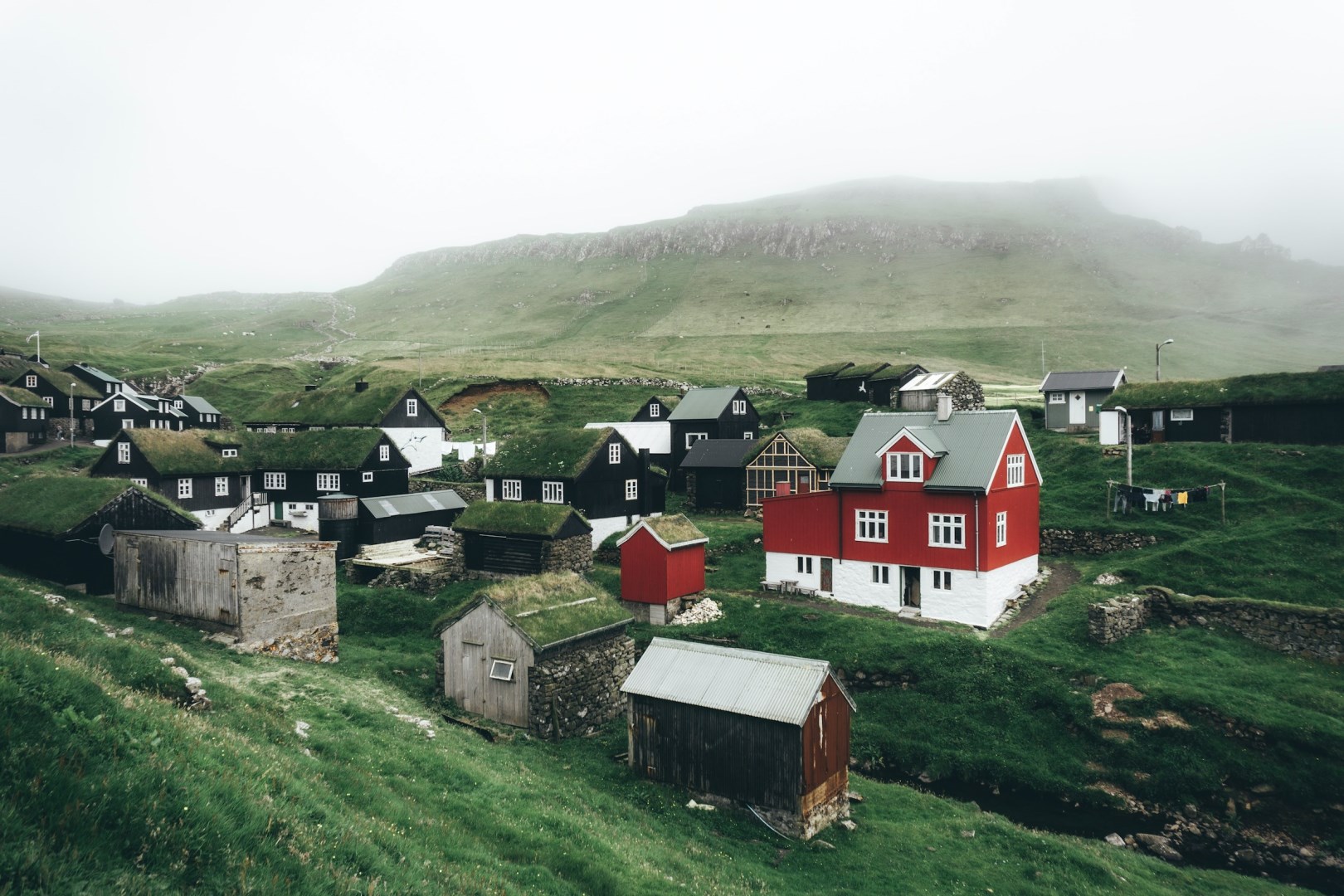
Mykines is the westernmost of the main islands of the Faroe Islands, separated from Vágar by the narrow Mykinesfjørður strait. The island is known for steep mountains, grassy slopes, sea cliffs, and a small settlement of the same name on its southern side. Mykines village consists of traditional houses clustered around narrow lanes, with sheep grazing on the surrounding hillsides.
McMurdo Station
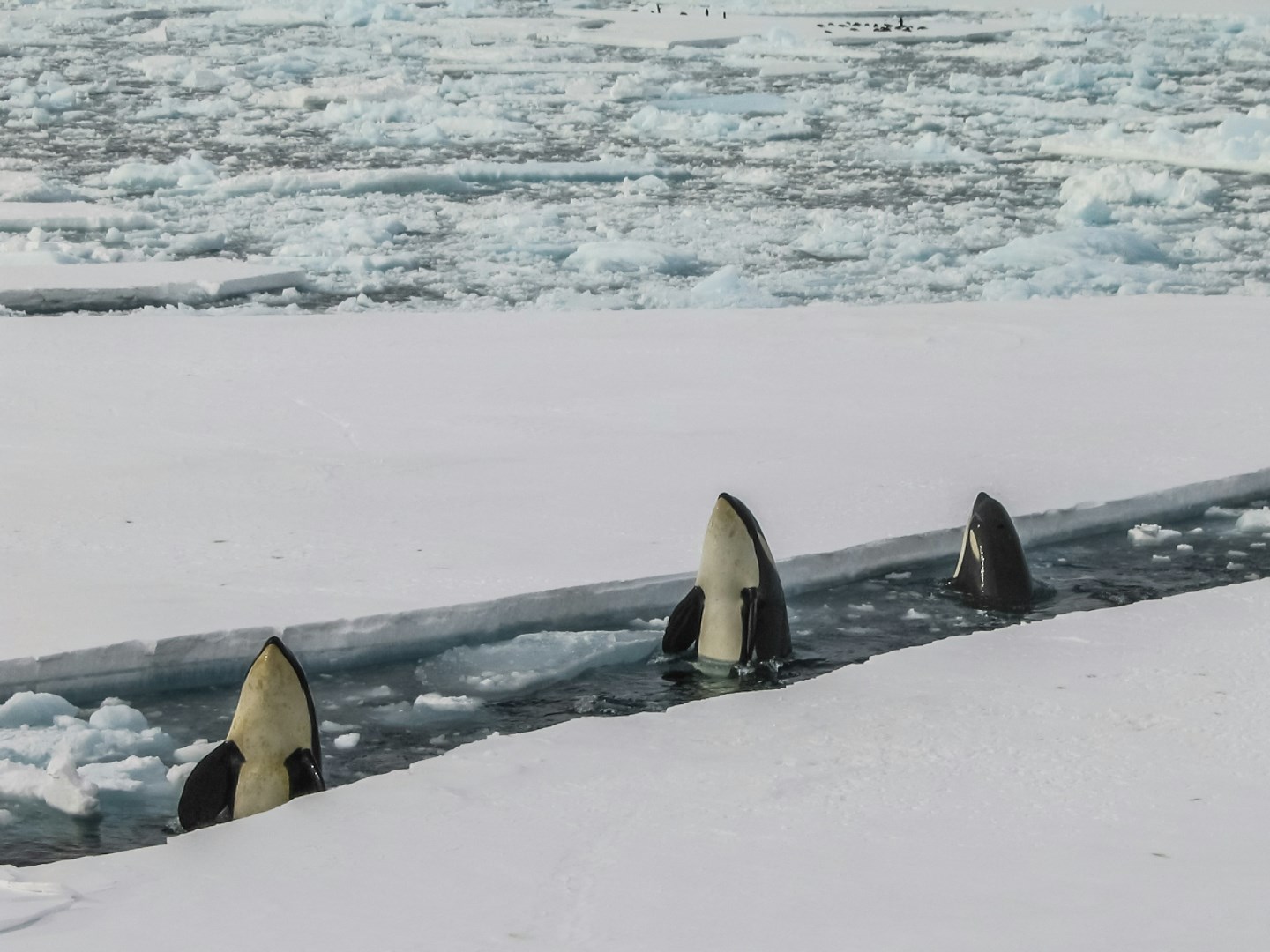
McMurdo is distinctive not only for its scientific role but also for the unusual scale of daily life in Antarctica. The station has a power plant, medical facilities, dining services, workshops, communications systems, and specialized vehicles used to support research in extreme conditions. Nearby Scott Base, operated by New Zealand, provides another important Antarctic research presence on Ross Island. McMurdo also supports flights and overland journeys to remote parts of the continent.
Jurassic Coast
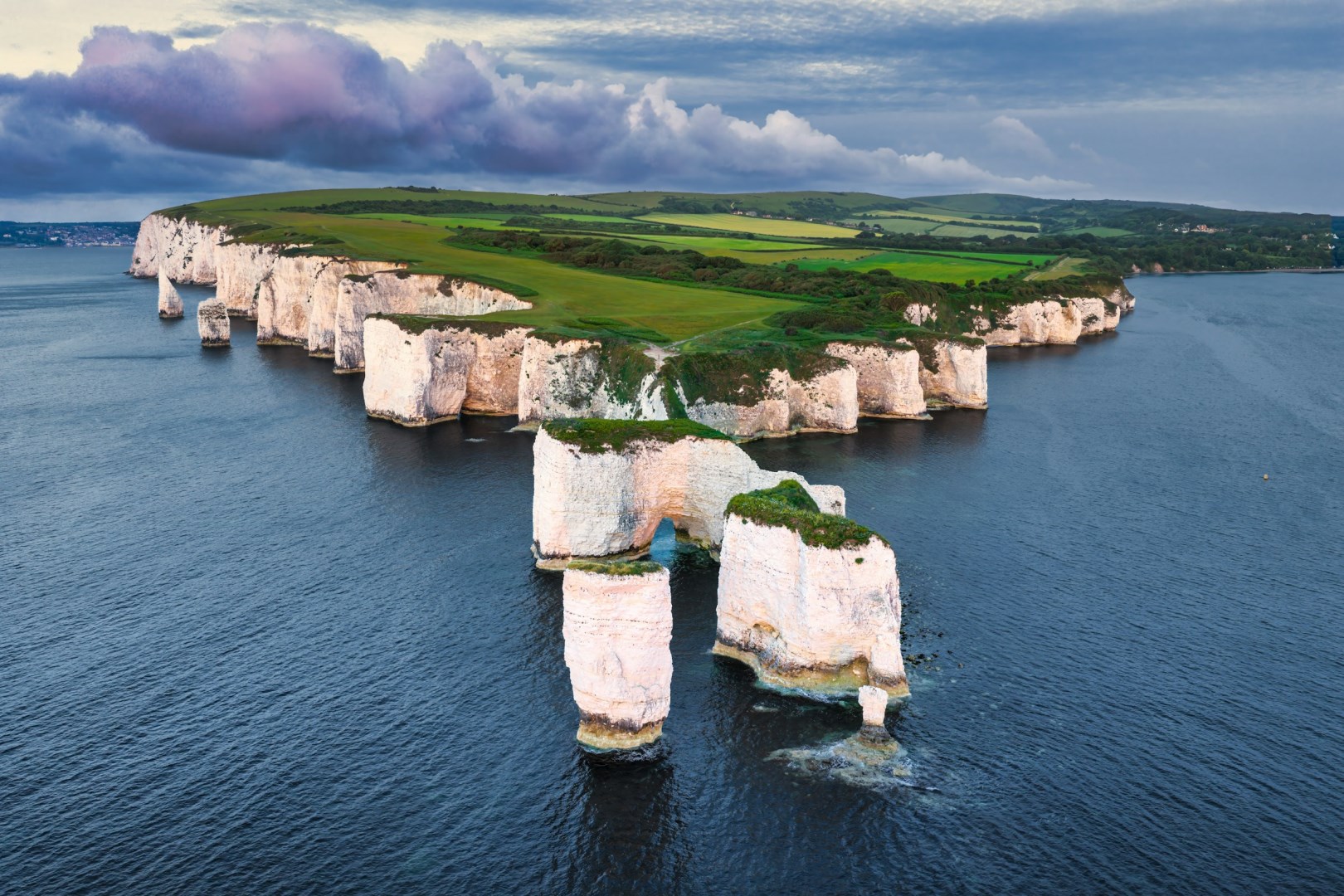
The Jurassic Coast, a UNESCO World Heritage Site, is a breathtaking stretch of England’s southern coastline that spans 95 miles from Exmouth in Devon to Studland Bay in Dorset. It is renowned for its dramatic cliffs, stunning beaches, and incredible geological history, offering visitors the chance to explore 185 million years of Earth’s evolution.
