
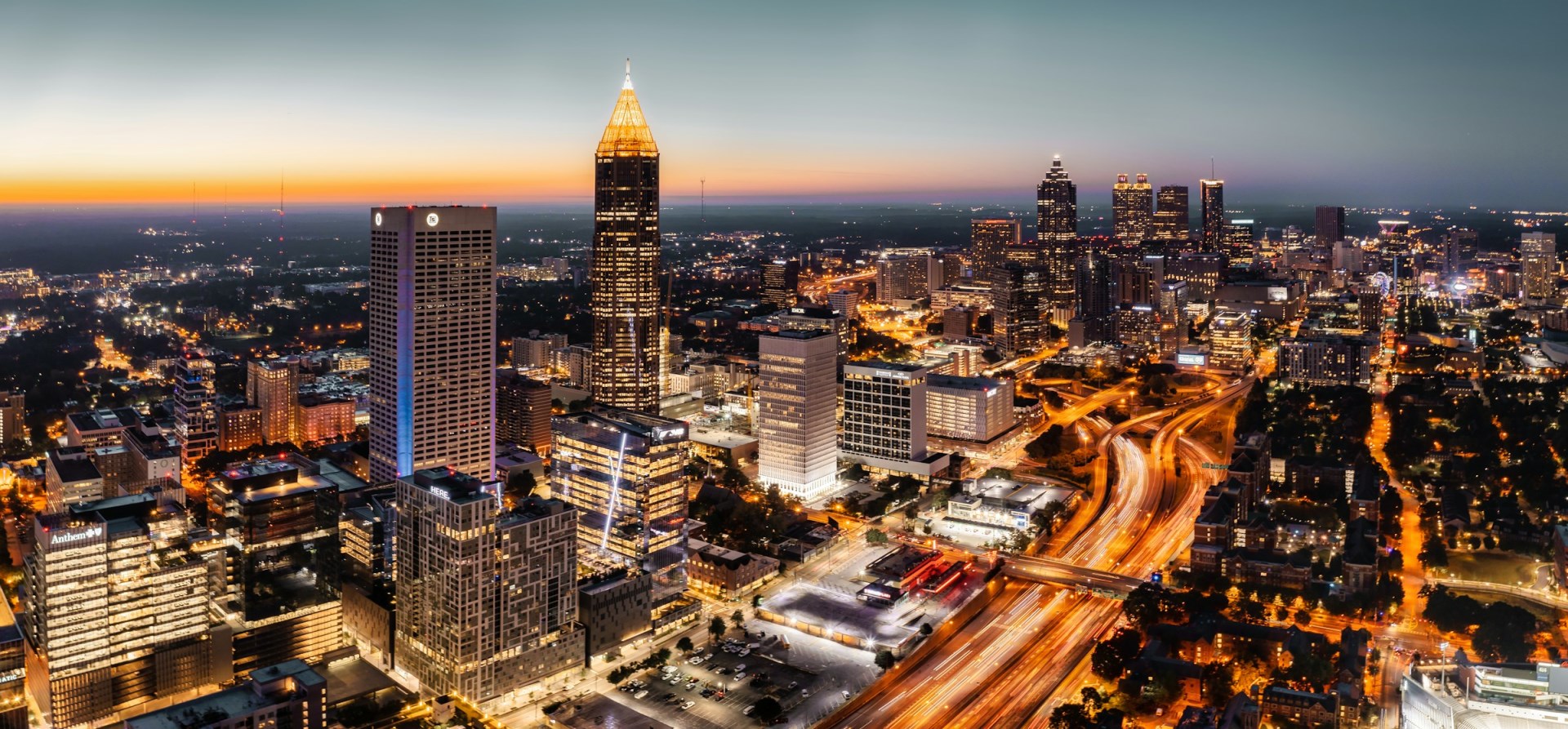
Atlanta
Atlanta, Georgia, is a city where Southern charm meets modern sophistication, making it a must-visit destination for travelers. Known as the "City in a Forest" due to its lush tree canopy, Atlanta boasts a vibrant blend of history, culture, and innovation. Explore the iconic Martin Luther King Jr. National Historical Park, where you can walk in the footsteps of the Civil Rights leader, visiting his childhood home and the church where he preached.
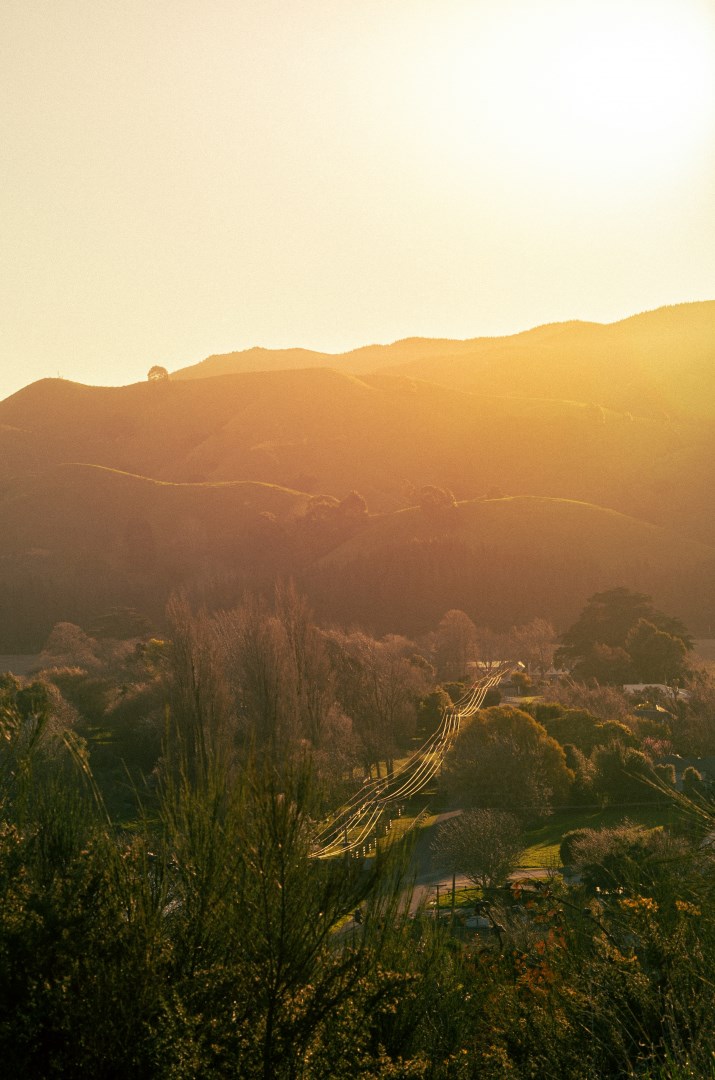
Blenheim
Blenheim, known as Te Waiharakeke in te reo Māori, is the main town of Marlborough on New Zealand’s South Island, set among the Wairau Valley’s vineyards, rivers, and mountain ranges. The town sits between the Taylor and Ōpaoa Rivers and serves as the regional centre for a landscape strongly associated with wine production.
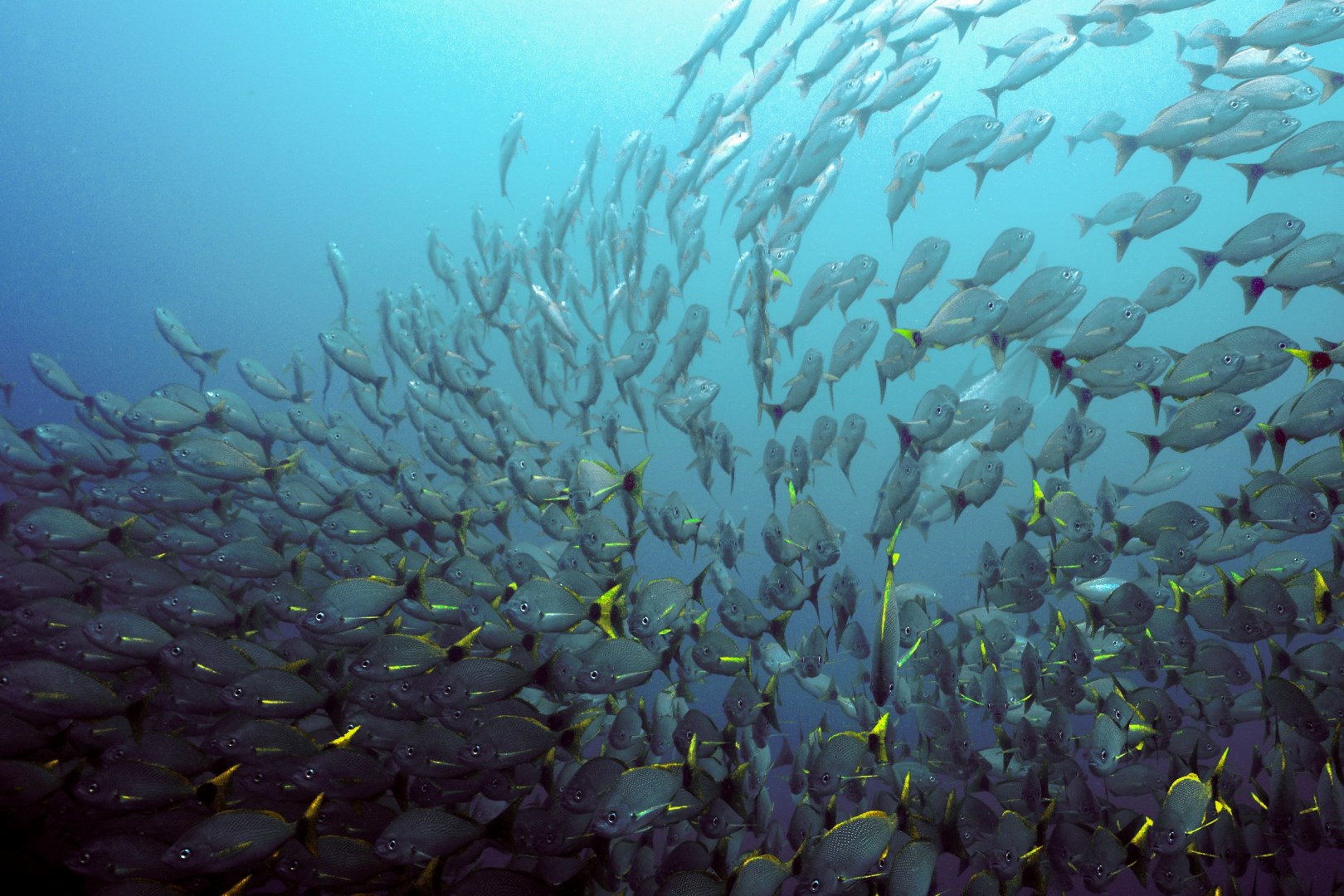
Caño Island
The snorkeling is extraordinary in the reefs of Cano Island. Cano has its roots in pre-Columbian trading and is also a former burial ground for coastal Indians.
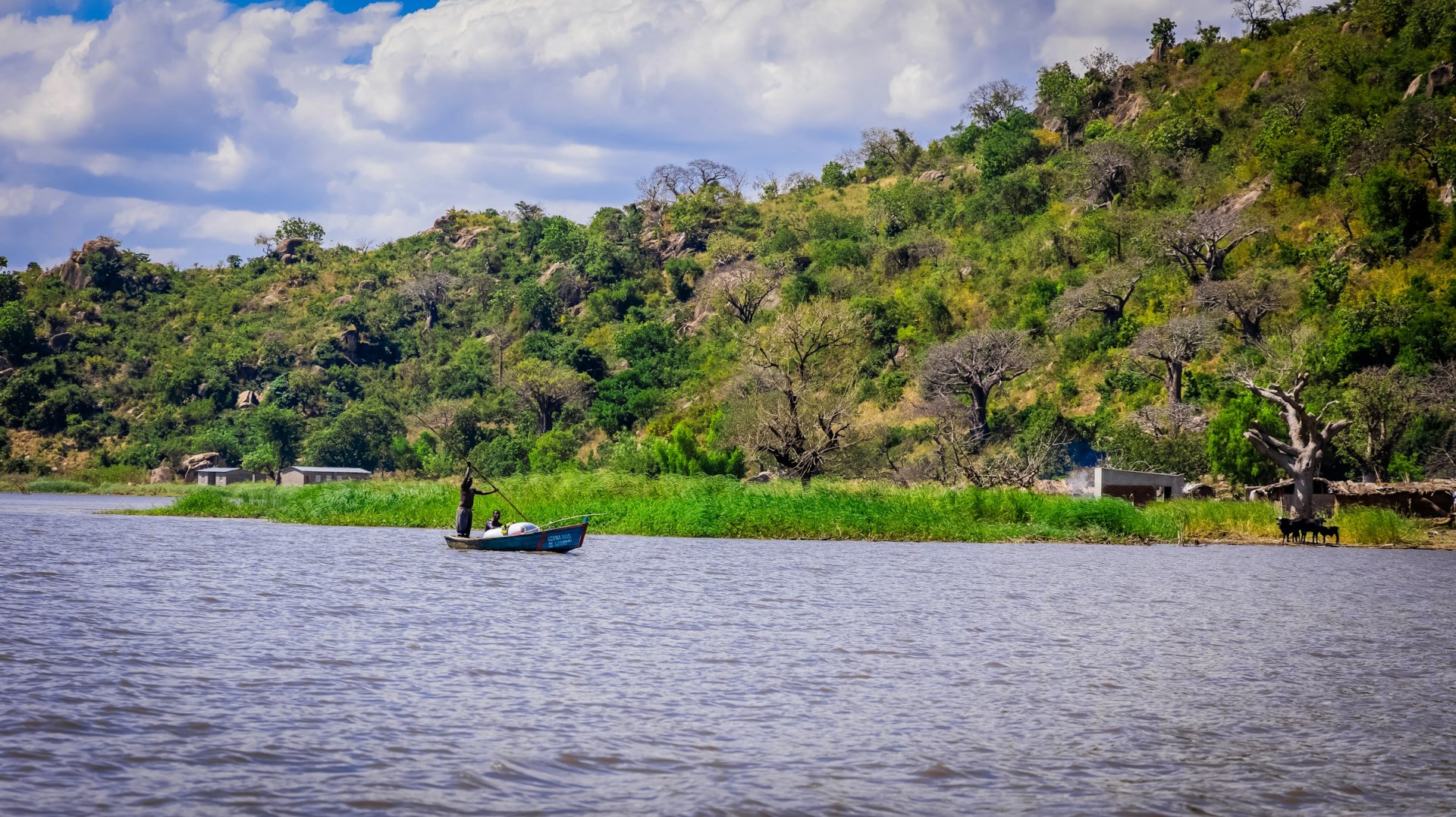
Njalo Island
Njalo Island is a small inhabited island in Lake Chilwa, in southern Malawi’s Phalombe District. Situated in the lake’s open waters, it is part of a wetland landscape shaped by changing water levels, shallow channels, marshes, and seasonal fishing activity. The island is home to a close-knit community whose daily life is closely connected to the lake. Fishing provides an important source of food and income, while boats are essential for transport between the island and mainland communities.

Nawiliwilli, Kauai
This is your passage into the sacred "Garden Isle," where the sweet smell of the mokihana berry permeates the air and the lush green landscapes intoxicate your senses. Visit Waimea Canyon and witness the union of water, sunshine, clouds and canyon walls as they create the most colorful rainbows imaginable.
