
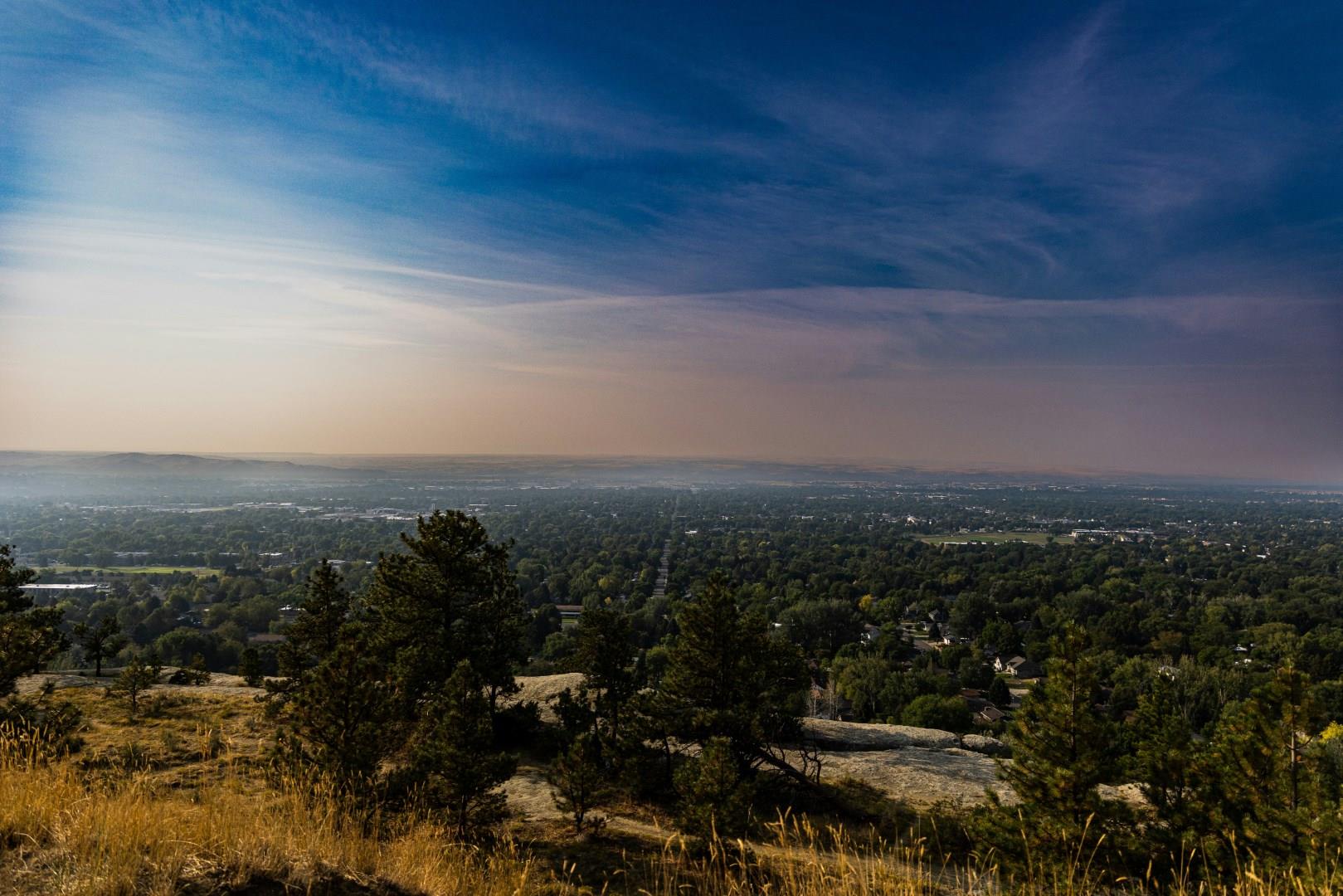
Billings
Billings, Montana sits on the edge of the vast plains and at the base of ancient sandstone cliffs known as the Rimrocks. These formations frame the city and provide miles of scenic overlooks, hiking trails, and even fossil beds. From Swords Park, visitors can walk or bike along the paved trail that follows the rim’s edge, offering sweeping views of downtown, the Yellowstone River, and distant snowcapped peaks.
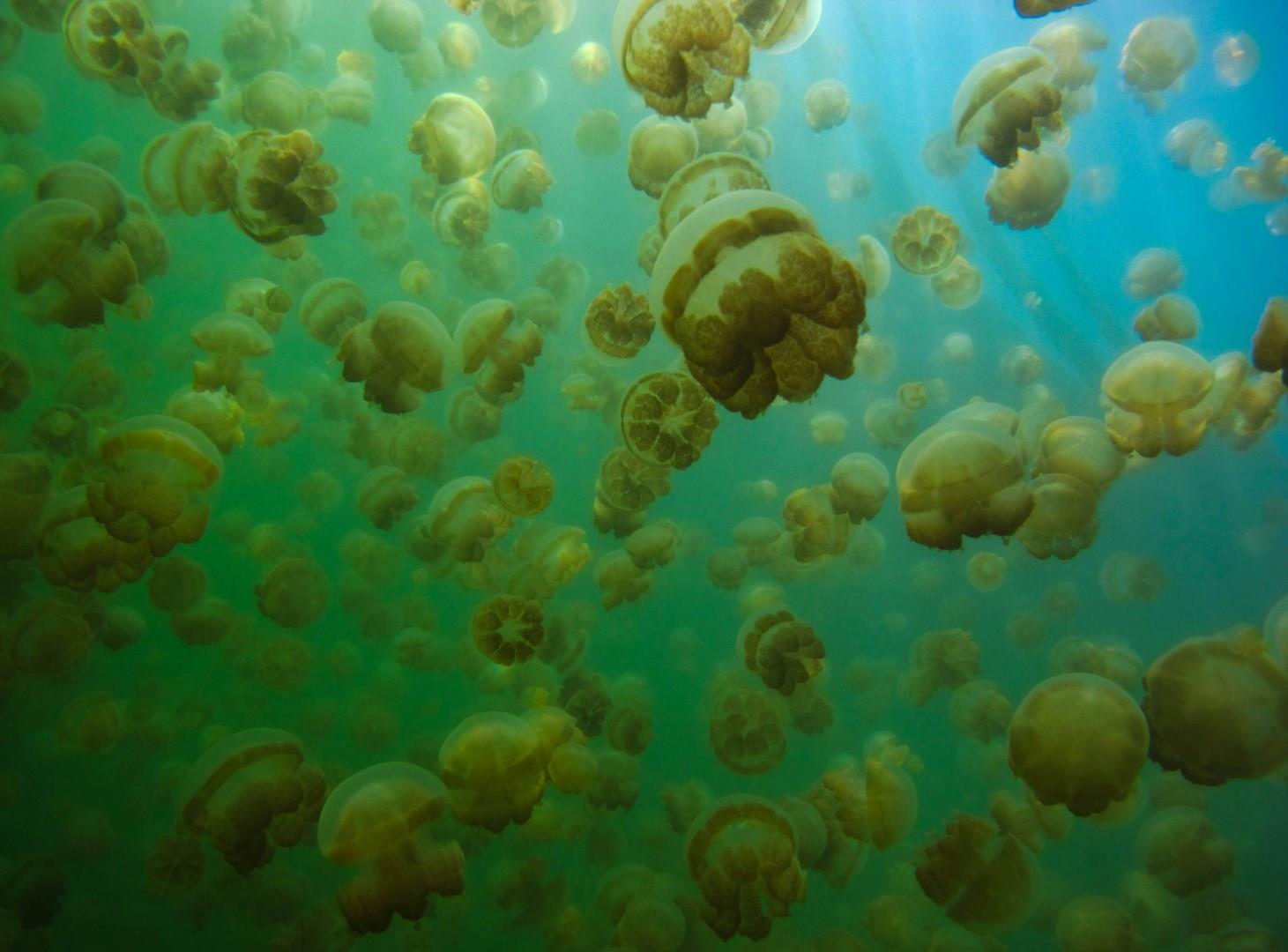
Jellyfish Lake
Jellyfish Lake is a shadowed oasis hidden among the mushroom-like Rock Islands of Palau. This forest‑fringed saltwater lake invites visitors to float with millions of gentle, stingless jellyfish that glow like drifting amber clouds under emerald light. The lake formed about 12,000 years ago, when rising seas flooded an ancient reef basin that was gradually cut off from the ocean. Over centuries, its jellyfish evolved in isolation, shedding their stings and multiplying without predators in sight.

Las Vegas
Las Vegas, Nevada, is an electrifying city where glitz and glamour meet entertainment and excitement. Known as "The Entertainment Capital of the World," Las Vegas offers an unparalleled array of attractions, from its iconic casinos and luxurious hotels to its world-class dining and live shows. The city's entertainment scene is second to none, featuring legendary headliners, cutting-edge performances, and an array of themed attractions.
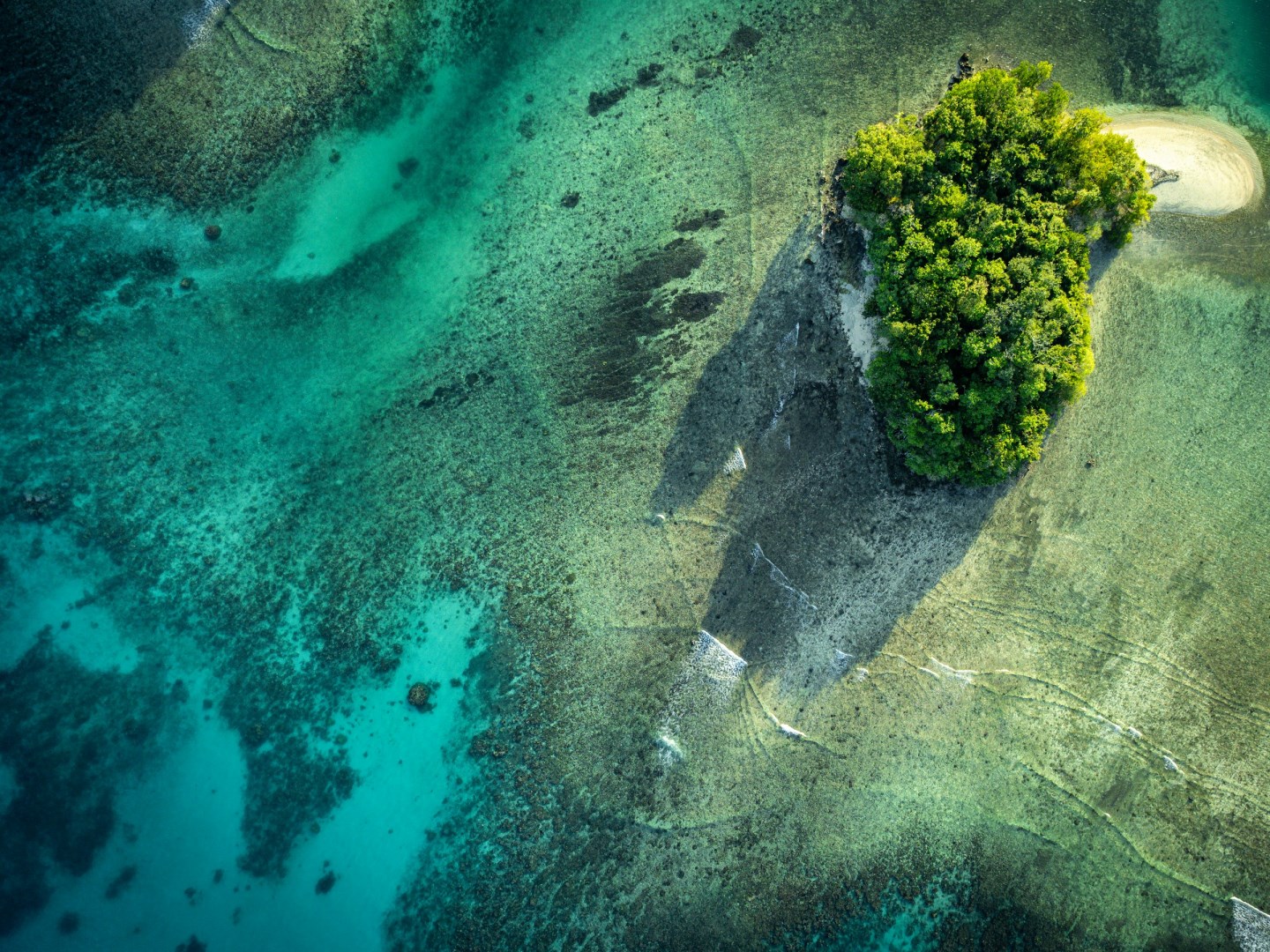
Espiritu Santo Island
Espiritu Santo, one of the largest islands of Vanuatu off the east coast of Australia, is a popular destination for divers. Famous Champagne Beach, as one might guess from the name, offers crystal clear waters and powdery white sands, while the western side of the island is dotted with caves to explore and reefs team with marine life just offshore.

Catalina Island
Catalina Island, just 22 miles off the Southern California coast, offers a perfect blend of adventure, relaxation, and natural beauty. Known for its crystal-clear waters and Mediterranean-like climate, Catalina is a haven for outdoor enthusiasts and leisure seekers alike. Avalon, the island’s primary town, charms visitors with its colorful architecture, boutique shops, and vibrant waterfront.
