

Nairobi
Nairobi, the capital of Kenya, is a vibrant city where modern energy meets untamed nature. Known as the “Green City in the Sun,” it blends bustling urban life with remarkable wildlife experiences.

Suez
Suez, Egypt, is a city of historical significance and strategic importance, making it an intriguing destination for travelers. Located at the southern end of the Suez Canal, this city has been a key player in global trade and naval history for over a century. Suez is not only a gateway to the world-renowned canal but also a place rich in history and culture.
Alpharetta
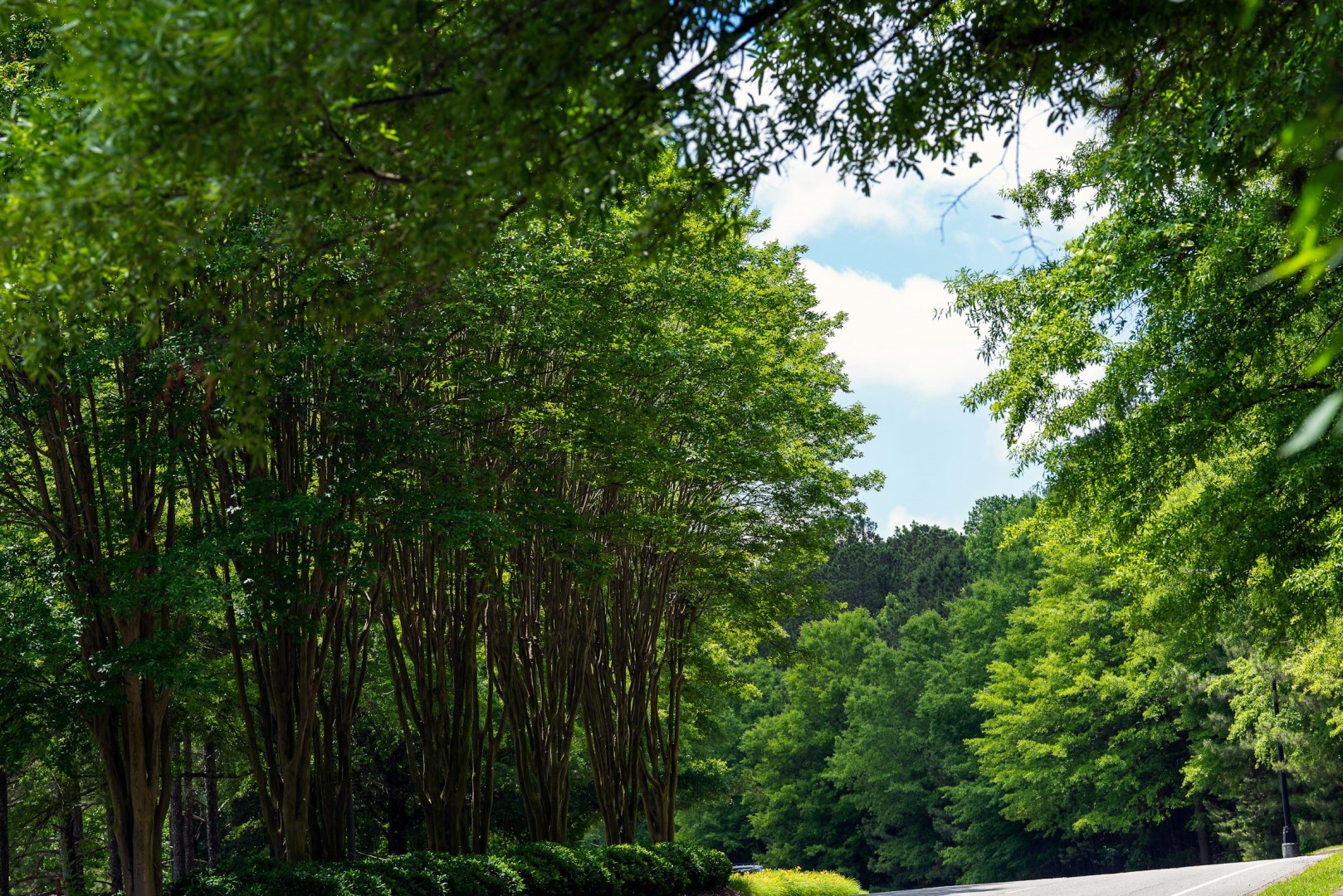
Although Alpharetta is not a particularly big city now, experts predict that in about 25 years, Alpharetta will be the geographical center of metro Atlanta, as the area continues to expand North. After driving past many empty fields, or wooded areas, you might find it hard to believe that Alpharetta will really become such a major city. What you probably don't know is that much of Alpharetta's empty land is owned by some of the biggest names in the nation.

Lahaina, Maui
Listed on the National Register of Historic Places, Lahaina, Maui is the former capital of the Hawaiian Kingdom and was once the site of a whaling village. This popular tourist destination is now a cultural center perfect for fine dining, visiting Hawaiian art galleries, whale watching, and immersing yourself in this region's rich history.

Montréal
Montréal is a city shaped by layers of French and British history, with modern flair built into every corner. Founded in 1642 as Ville-Marie, it’s one of the oldest cities in North America. Visitors walking through Old Montréal will find cobblestone streets, 18th-century buildings, and landmarks like the Notre-Dame Basilica, known for its deep blue interior and grand organ with over 7,000 pipes.
