
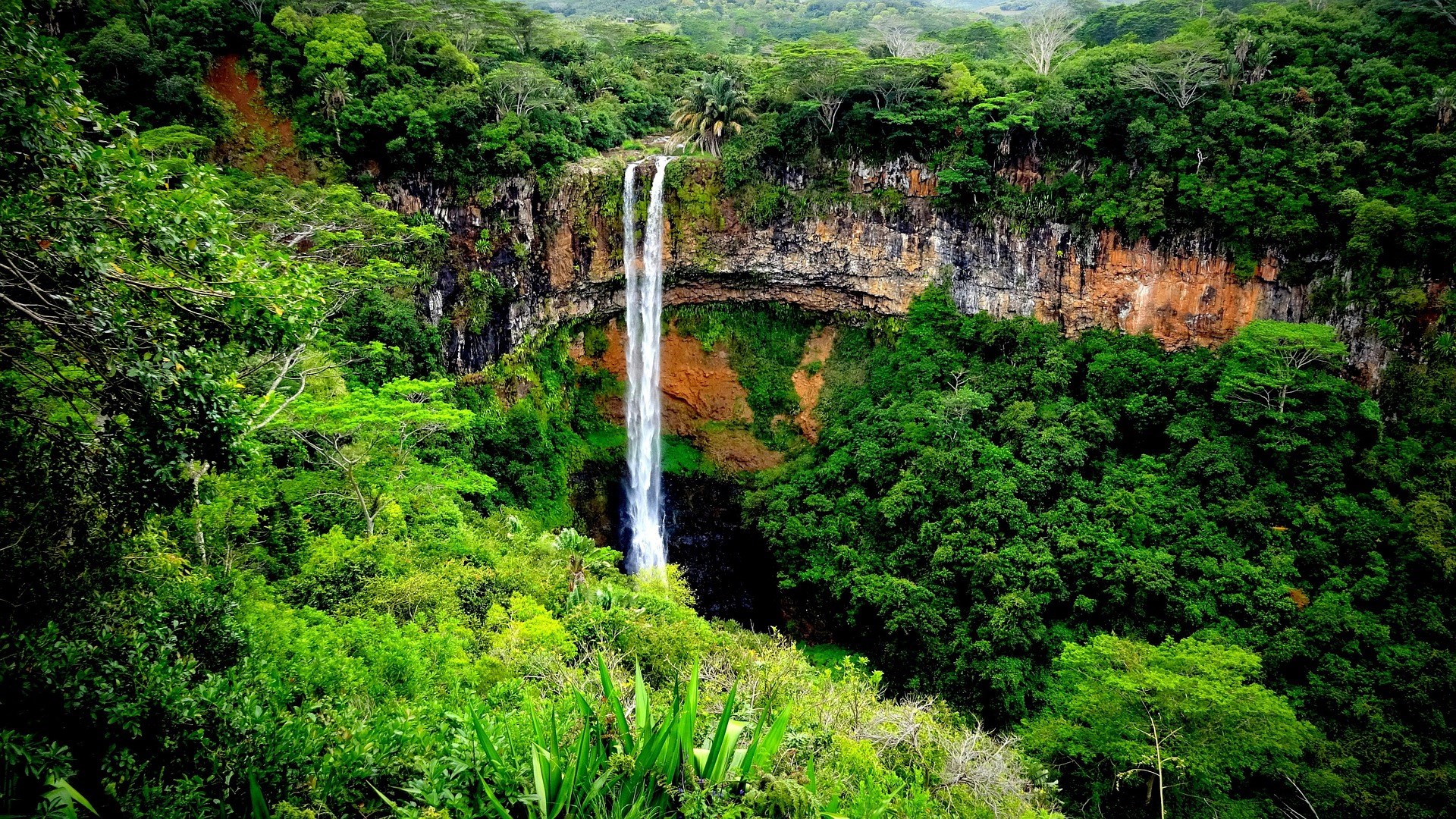
Chamarel
Chamarel is a mountain village in southwestern Mauritius, surrounded by forested slopes, volcanic terrain, and agricultural land. Its elevated position gives the area a cooler, wetter setting than much of the coast, while its location near Black River Gorges National Park places it within one of the island’s main protected landscapes.
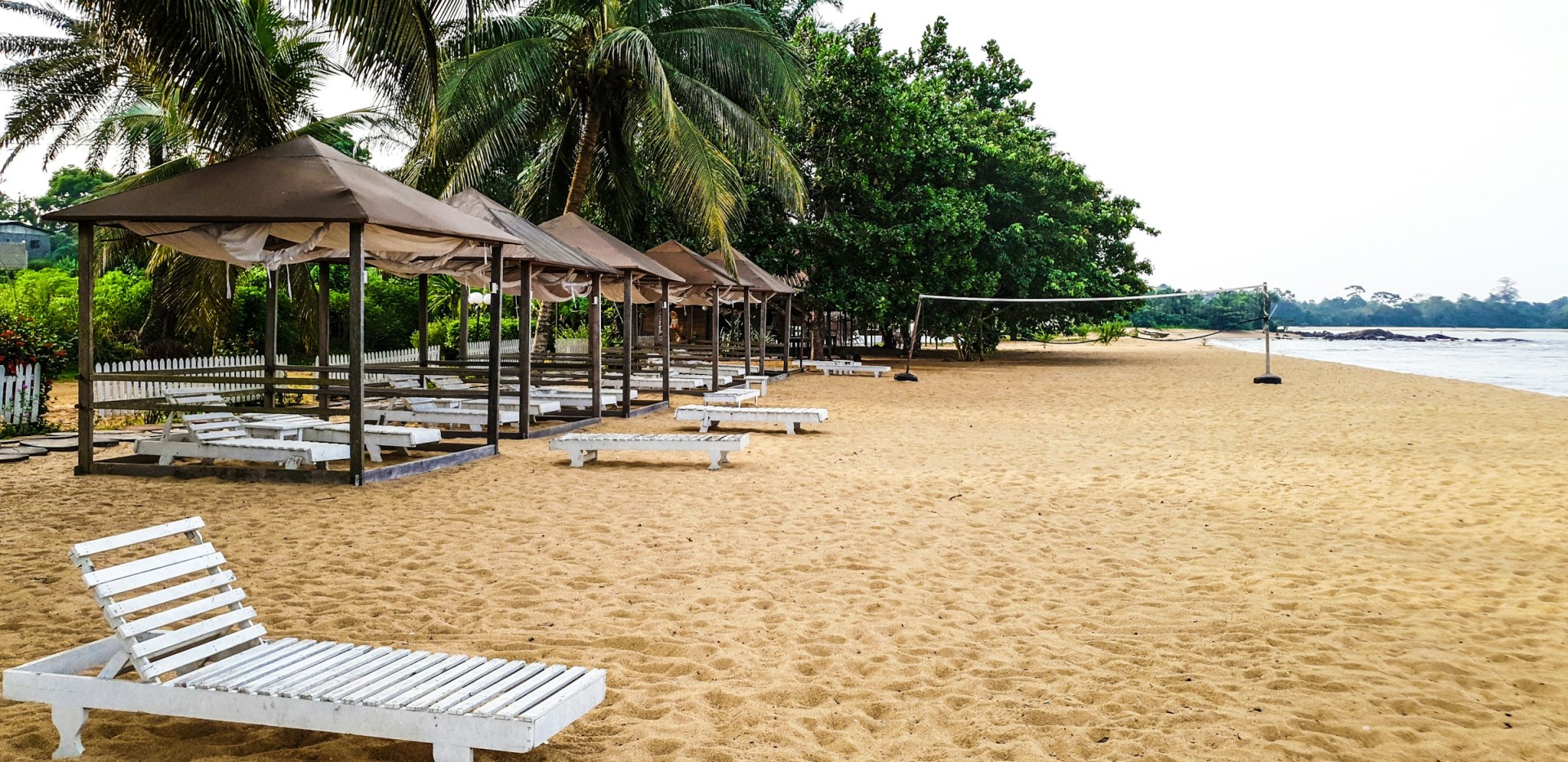
Kribi
Kribi is a coastal town in southern Cameroon, facing the Gulf of Guinea in the country’s South Region. It is known for long Atlantic beaches, a fishing port and a setting where dense equatorial forest reaches close to the sea.
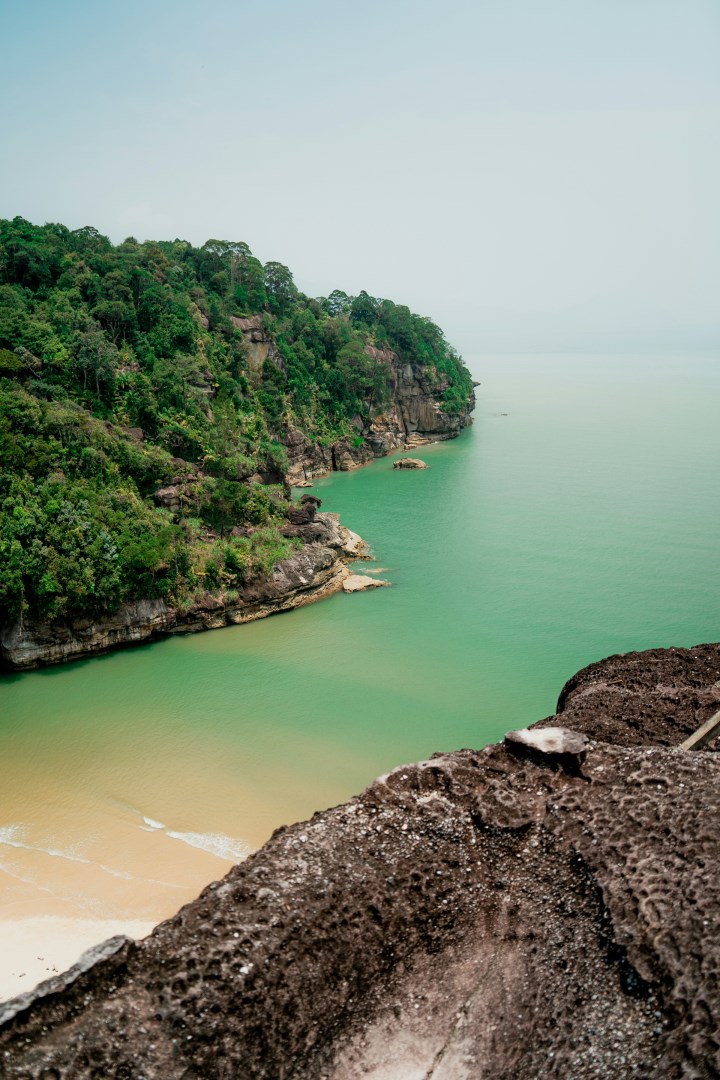
Bako National Park
Bako National Park is a treasure for nature lovers. Just off the coast of Borneo, it’s one of the top places to experience Malaysia’s incredible wildlife up close. Hike through dense jungle trails and winding mangrove forests, where you might spot rare proboscis monkeys, bearded pigs, and flashes of color from tropical birds
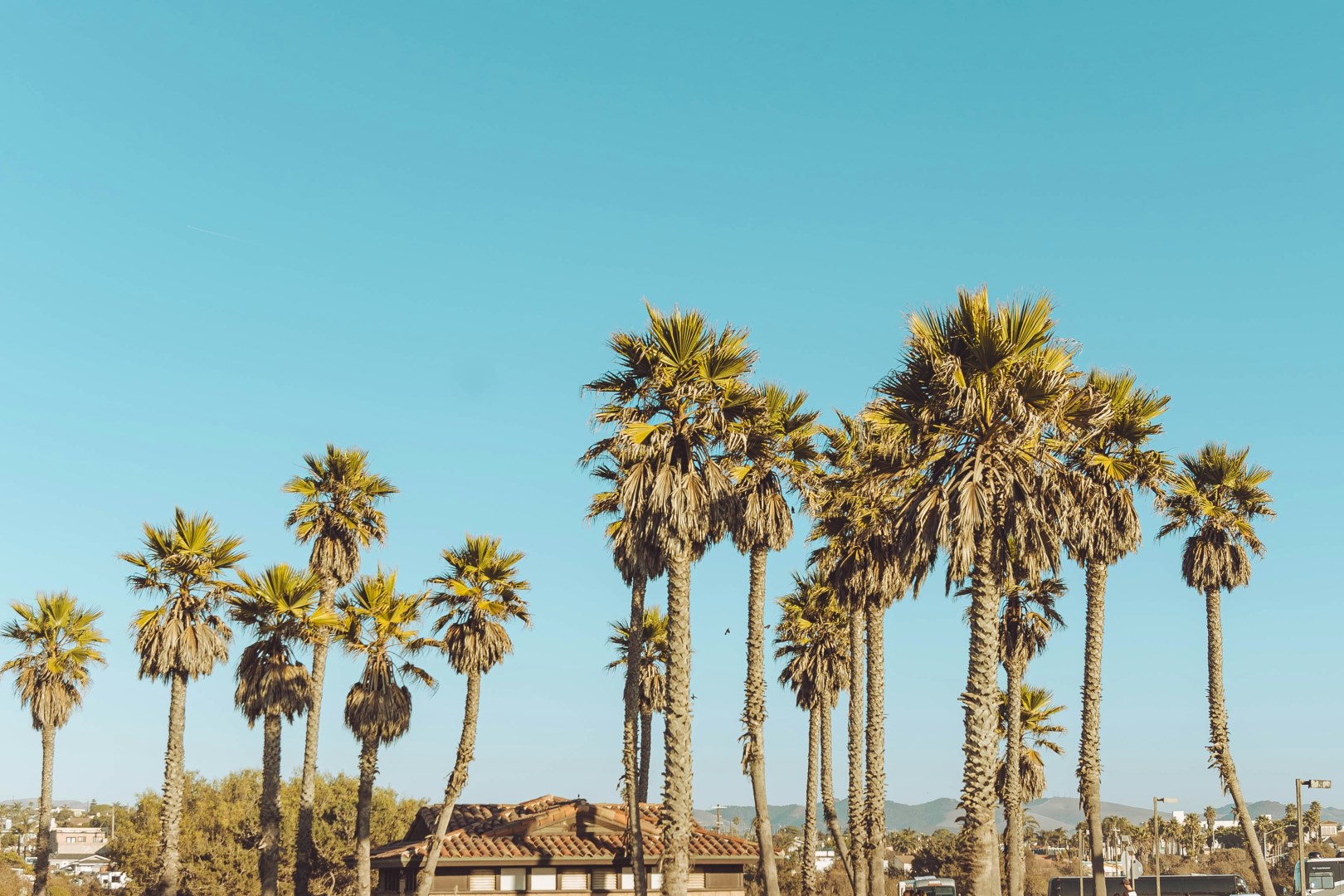
Santa Maria
Santa Maria is a city on California’s Central Coast, located between San Luis Obispo and Santa Barbara. The area is known for its agricultural industry, coastal access, and long connection to ranching culture.

Xi'an
Xi’an, located in central China’s Shaanxi Province, served as the starting point of the ancient Silk Road and was the capital of 13 imperial dynasties. Its long history is most famously represented by the Terracotta Army, an underground army of life-sized warriors discovered in 1974. Each figure has distinct facial features, hairstyles, and armor, designed to protect Emperor Qin Shi Huang in the afterlife.
