

Genoa
This thriving port city has so much to offer, including several museums, the beautiful historic quarter Porto Antico and La Lanterna. This lighthouse is Genoa's best known landmark and provides stunning views over the port and bay.
Bakersfield
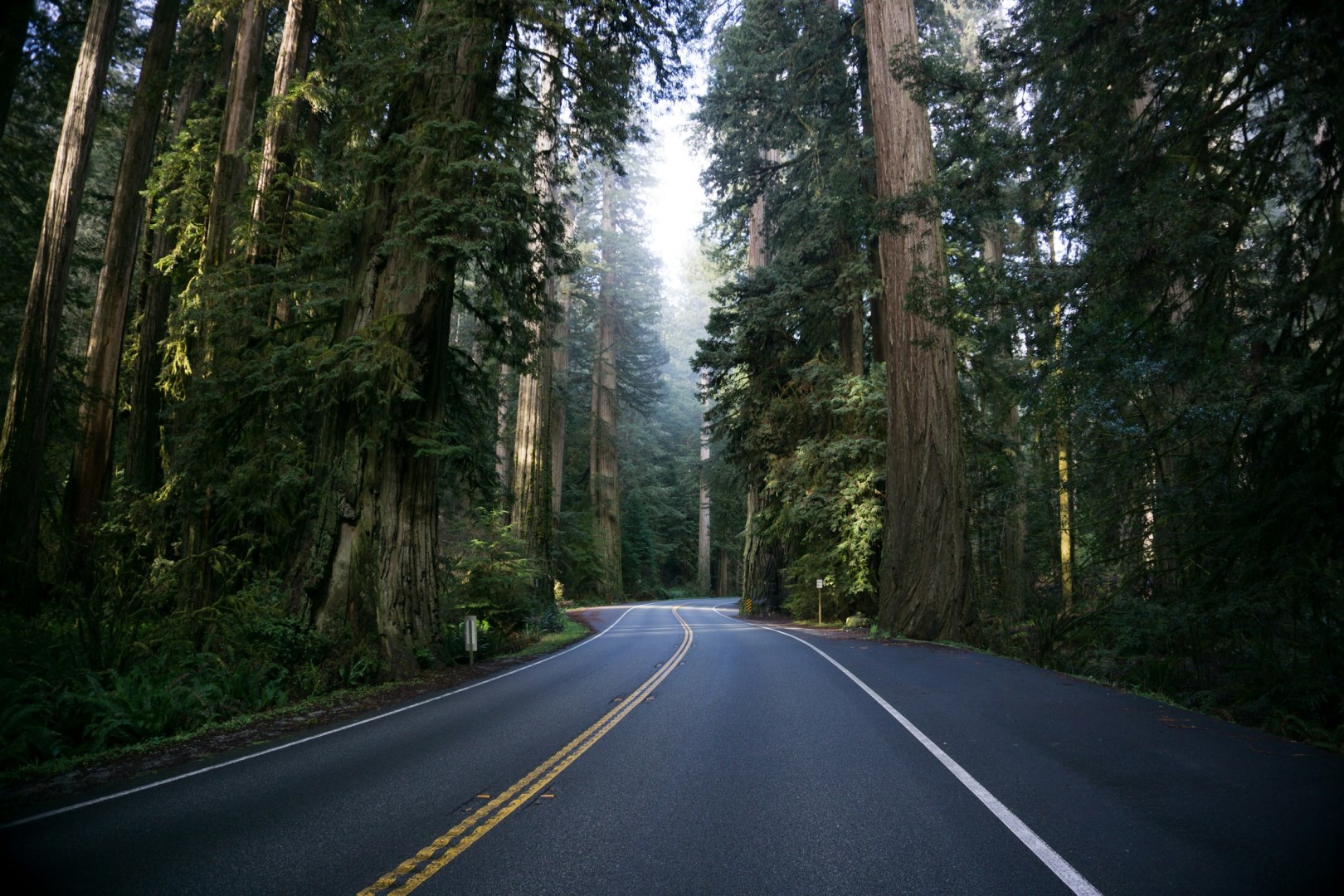
Bakersfield, located in the southern part of California’s Central Valley, is a city known for its agricultural significance, oil industry heritage, and vibrant cultural scene. Positioned at the junction of the Sierra Nevada and the San Joaquin Valley, Bakersfield offers a mix of urban amenities and easy access to California’s diverse landscapes.
Homer
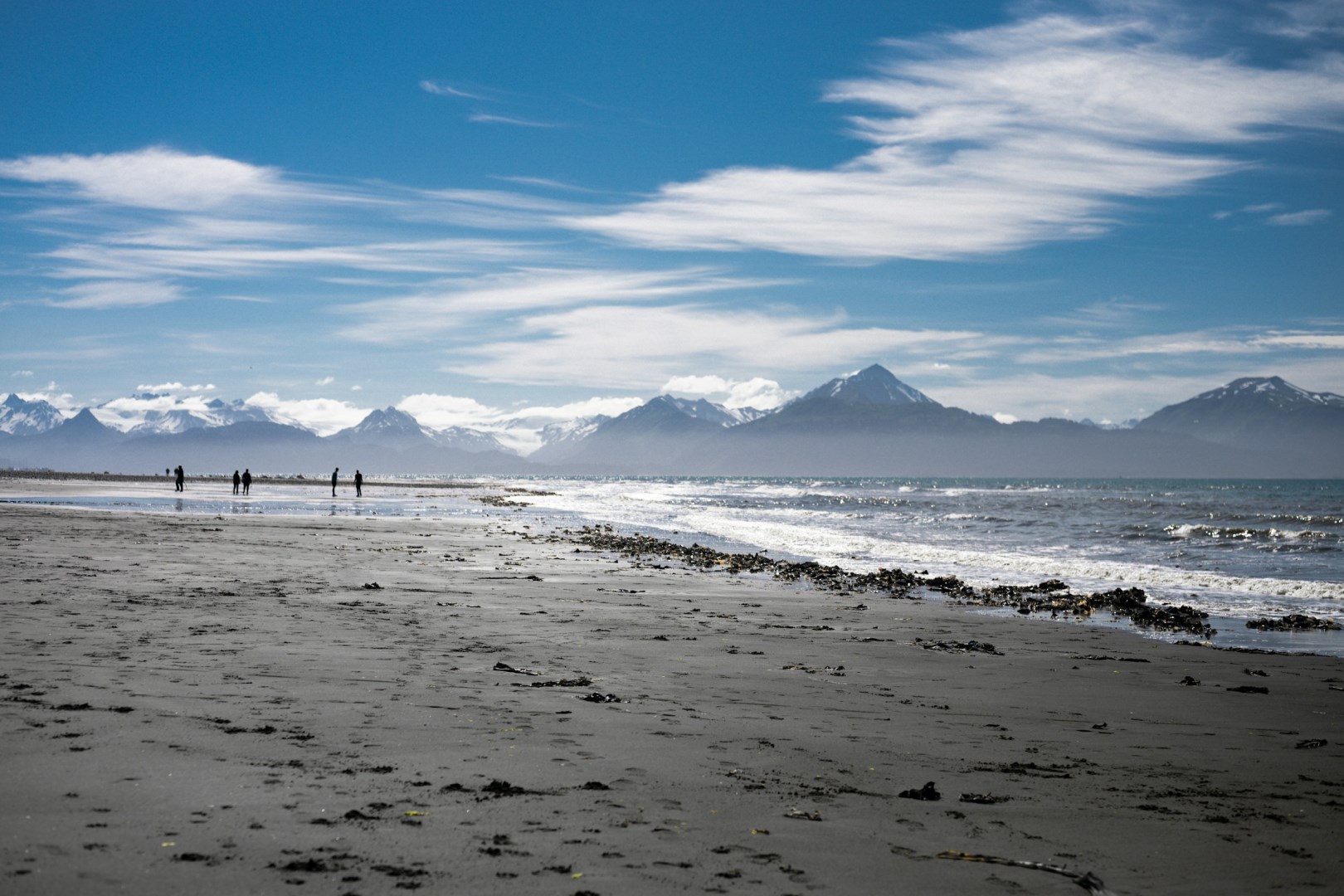
Homer, Alaska, sits at the end of the Kenai Peninsula and is often called the “end of the road,” where dramatic landscapes meet a vibrant small-town spirit. Overlooking Kachemak Bay, the town is framed by snowcapped mountains, glaciers, and a striking spit of land that juts four miles into the sea.
Paihia
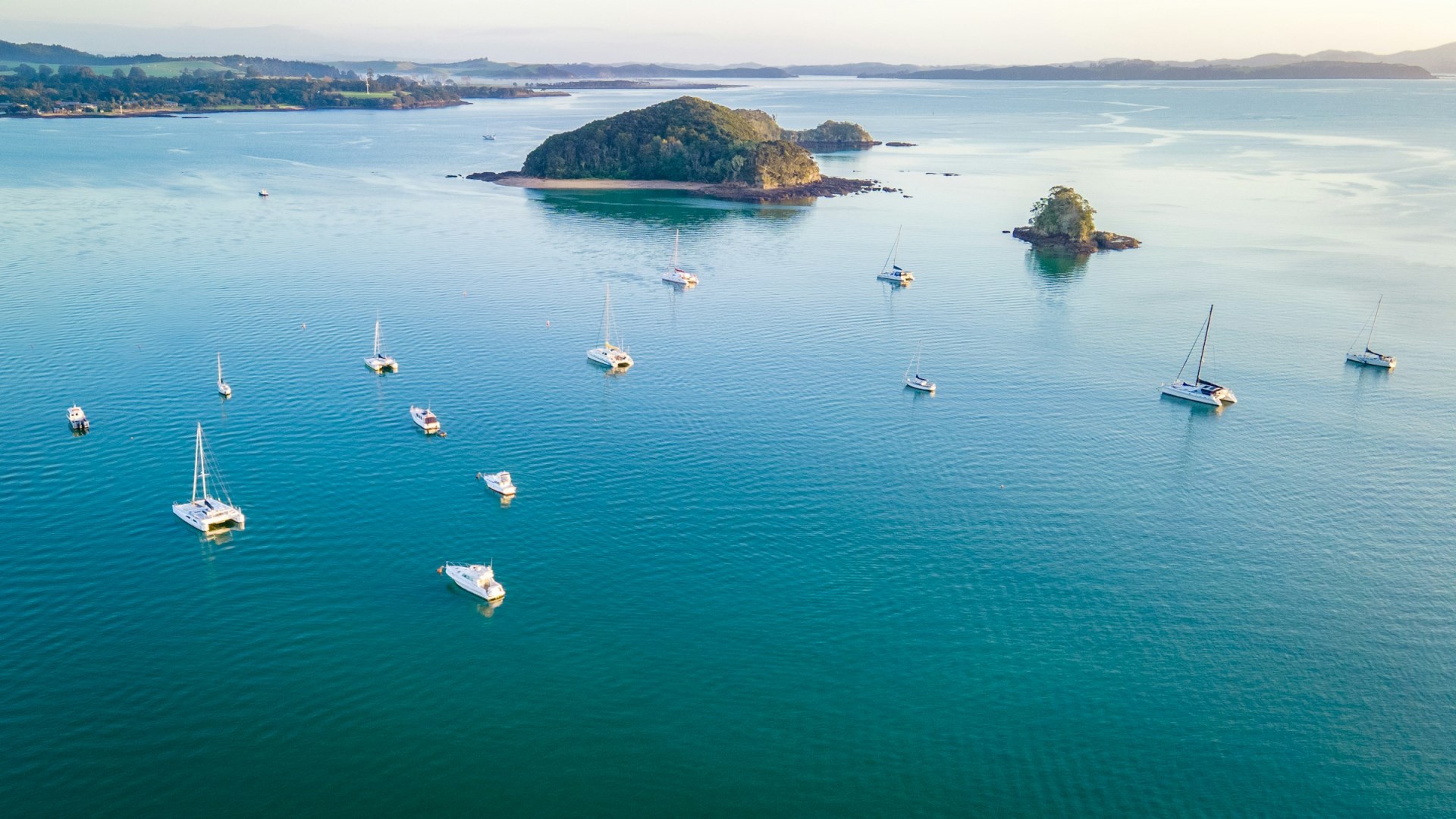
This charming town is the gateway to exploring the dive sites and sandy beaches of the Bay of Islands. There are endless activities to do here, such as fishing, kayaking, swimming with dolphins and discovering authentic Maori culture.
Birmingham
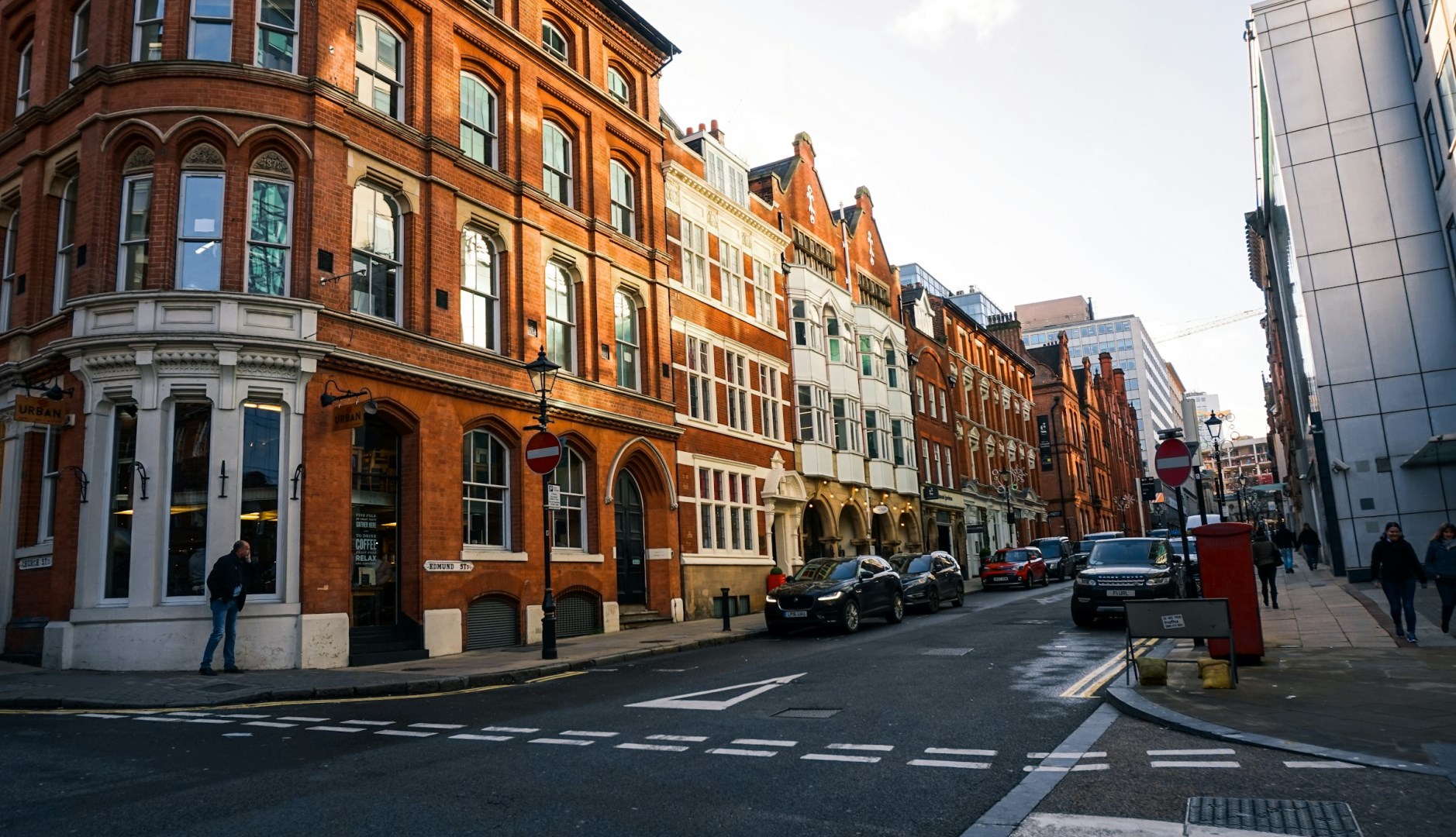
Located in northwest England, Birmingham has a tremendous history as an industrial city. Close to coal and iron ore supplies, it was here that Bouton and Watt harnessed steam power to run machinery. The Museum of Science and Industry resides here and provides an excellent look at England's history.
