
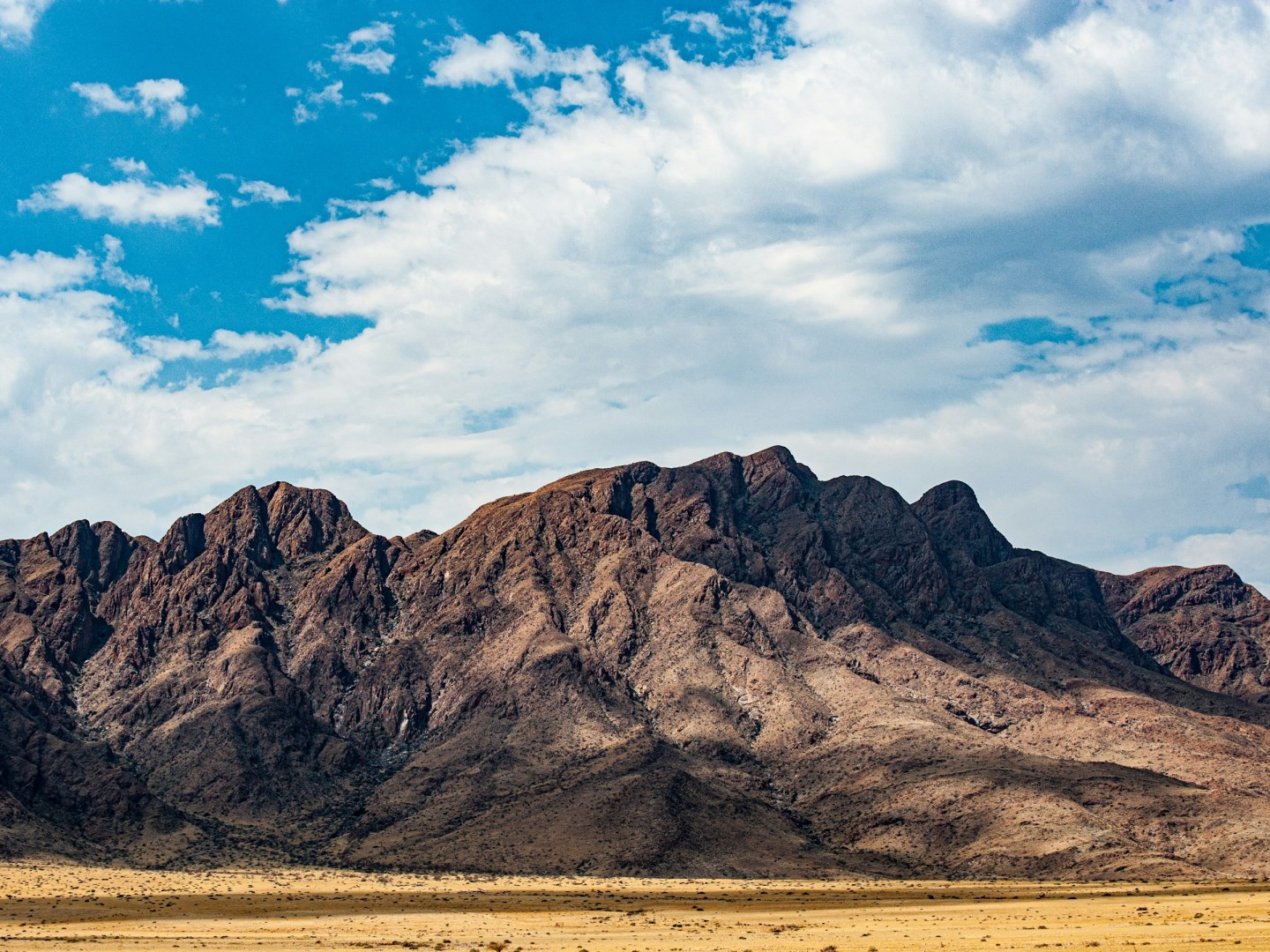
Namib-Naukluft National Park
Namib-Naukluft National Park is Namibia’s largest protected area, covering a vast stretch of desert from the central plateau toward the Atlantic coast. Its landscape includes rolling gravel plains, isolated rocky mountains, dry river valleys, and some of the country’s most recognizable sand dunes. The park contains the Namib Sand Sea, a UNESCO World Heritage property known for extensive dune fields shaped by wind and coastal fog.
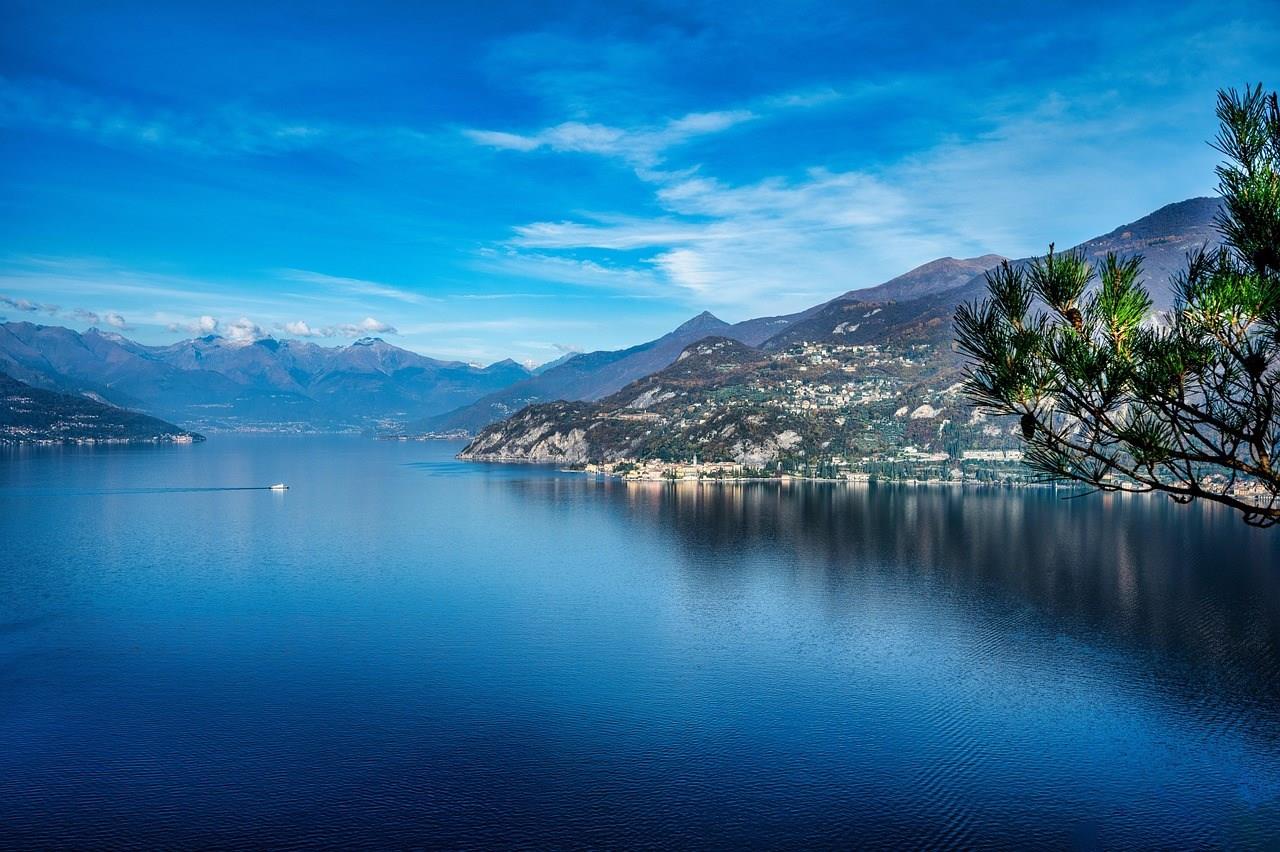
Como
A visit to Como is like looking through a manual on the history of architecture. Its ancient walls, the Duomo with its rich Gothic-Renaissance façade, the Broletto, the Castel Baradello, the Romanesque basilicas of Sant'Abbondio and S. Fedele, the myriad of monuments created by the Comacini Masters, and the modern architectural lines, all represent foundations of the urban and tourist fabric, interwoven with unforgettable splendor.
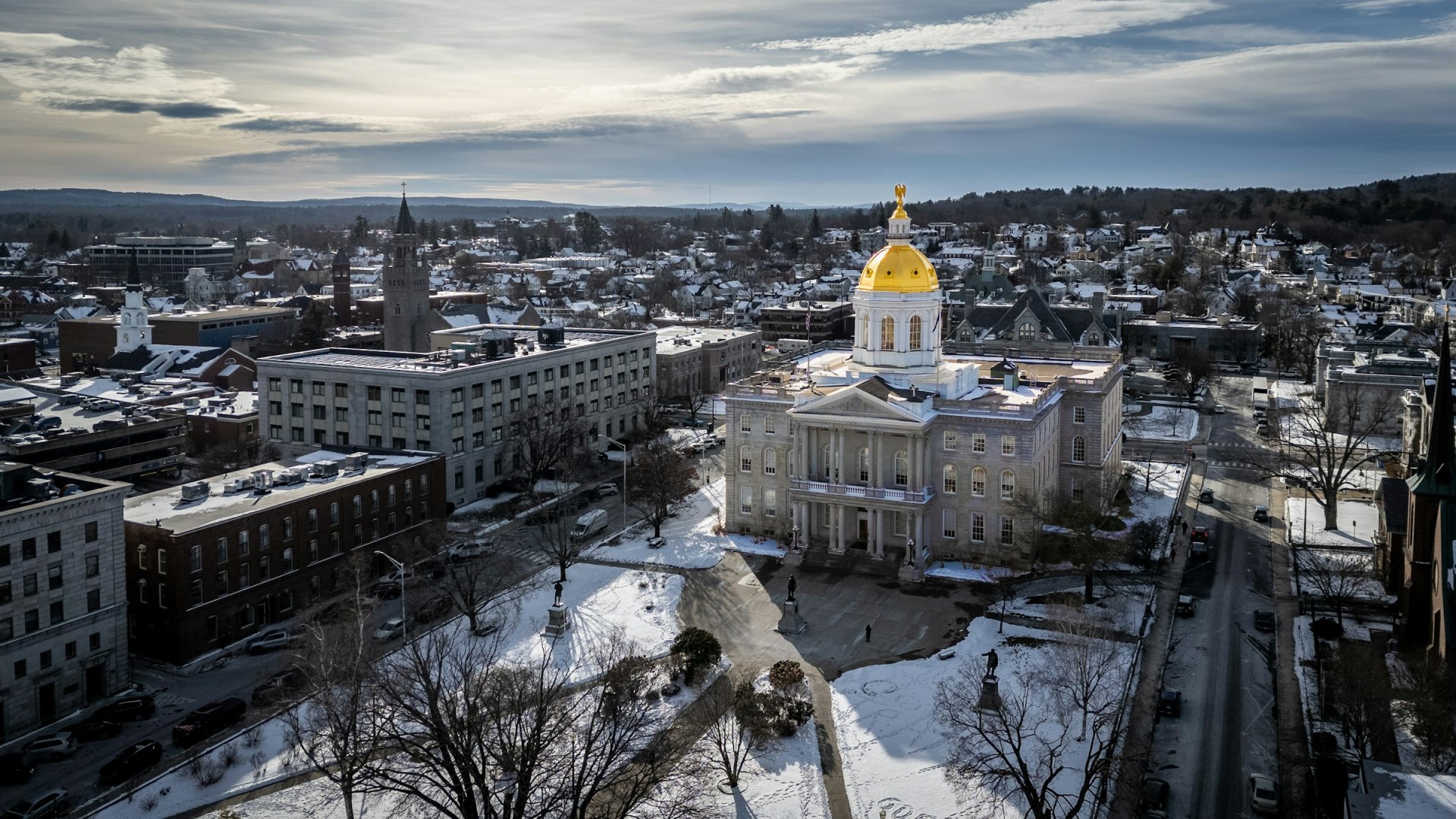
Concord
Concord is the capital of New Hampshire, situated along the Merrimack River in the central part of the state. The city combines a compact downtown with historic neighborhoods, wooded conservation areas, and a strong civic identity. Main Street serves as the heart of the centre, lined with independent shops, restaurants, galleries, and public spaces. The New Hampshire State House, with its distinctive golden dome, stands nearby and remains a major landmark.
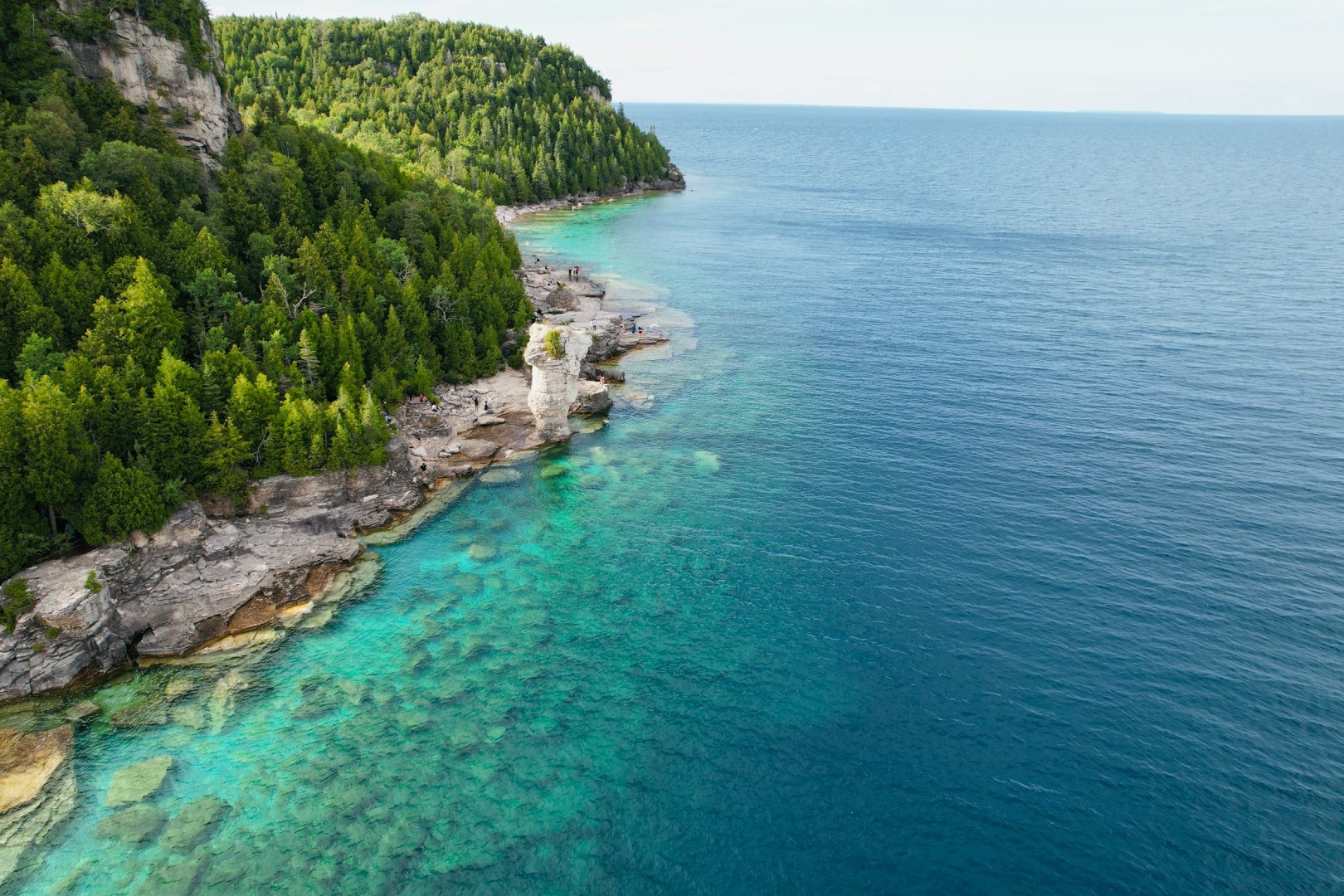
Tobermory
Tobermory is a small harbour community at the northern tip of the Bruce Peninsula in Ontario, where Georgian Bay meets Lake Huron. Its location is surrounded by clear freshwater, rugged limestone shoreline, forests, and numerous offshore islands. Tobermory is closely associated with Fathom Five National Marine Park and Bruce Peninsula National Park, which protect distinctive terrestrial and underwater environments around the peninsula.
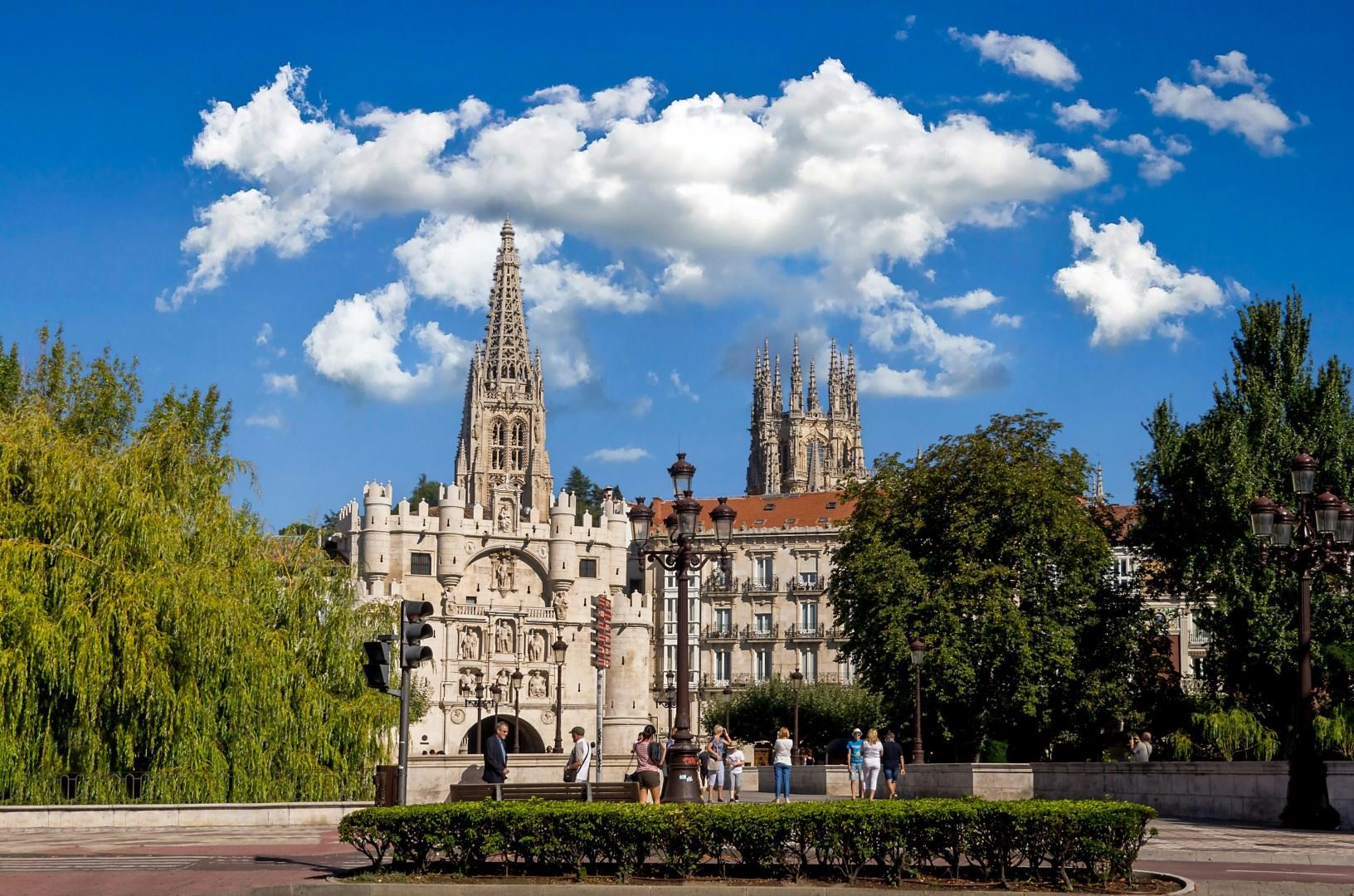
Burgos
Burgos, located in northern Spain, is a city where medieval heritage is still part of daily life. At its heart stands the Burgos Cathedral, a UNESCO World Heritage Site and one of the most striking examples of Gothic architecture in Europe. Construction began in 1221 and continued for over 300 years, resulting in a cathedral that features elaborate spires, stained glass, and the tomb of El Cid, Spain’s legendary military leader.
