
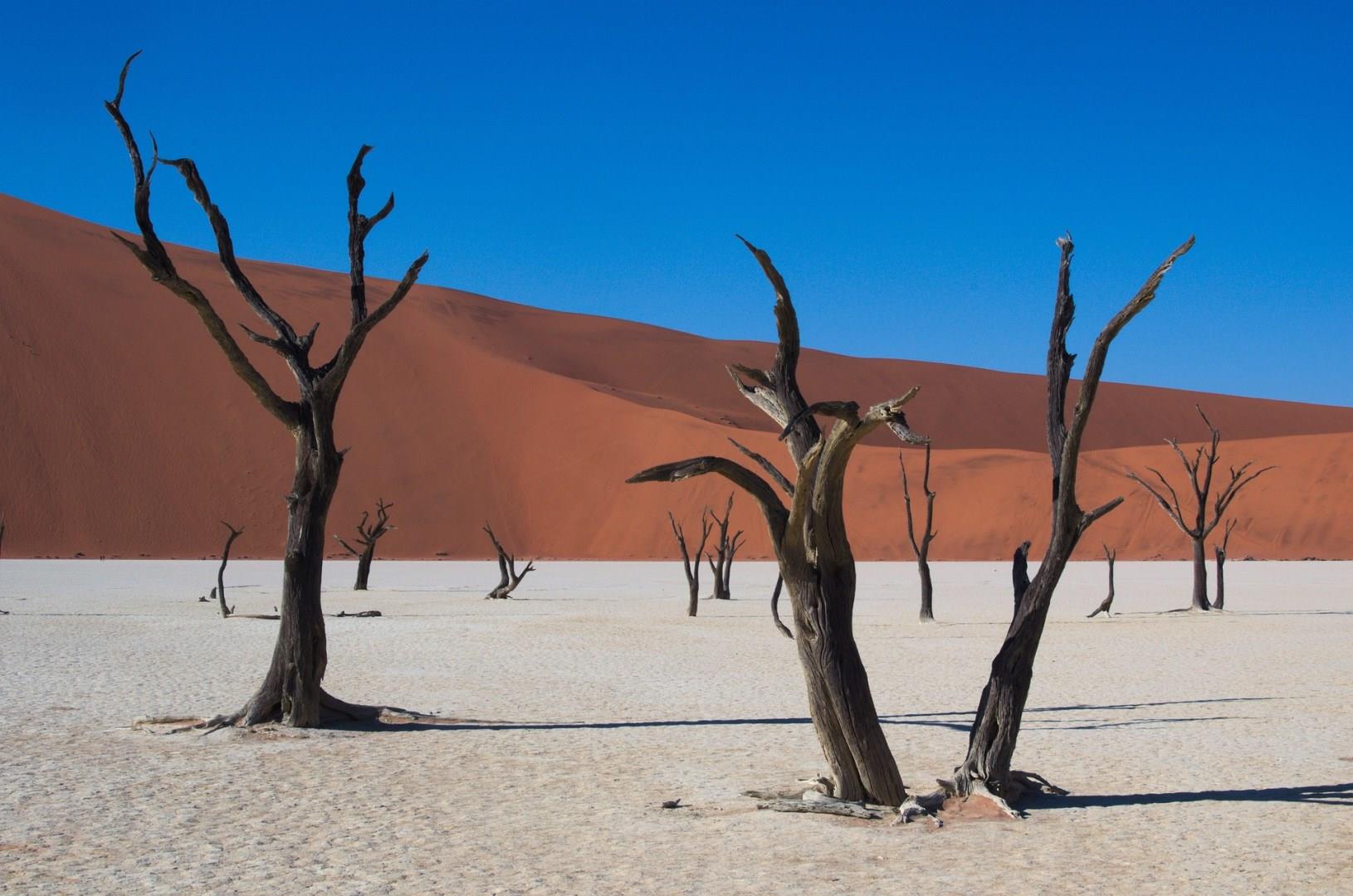
Deadvlei
Dramatic and otherworldly, Deadvlei in Namibia is one of the most surreal landscapes on the planet. Located within the Namib-Naukluft National Park, Deadvlei is a white clay pan that was once an oasis filled with acacia trees. Over 900 years ago, a shift in climate and the encroachment of the towering red sand dunes cut off the river that fed the pan, leaving behind a hauntingly beautiful scene of dead trees that have been perfectly preserved in the arid environment.
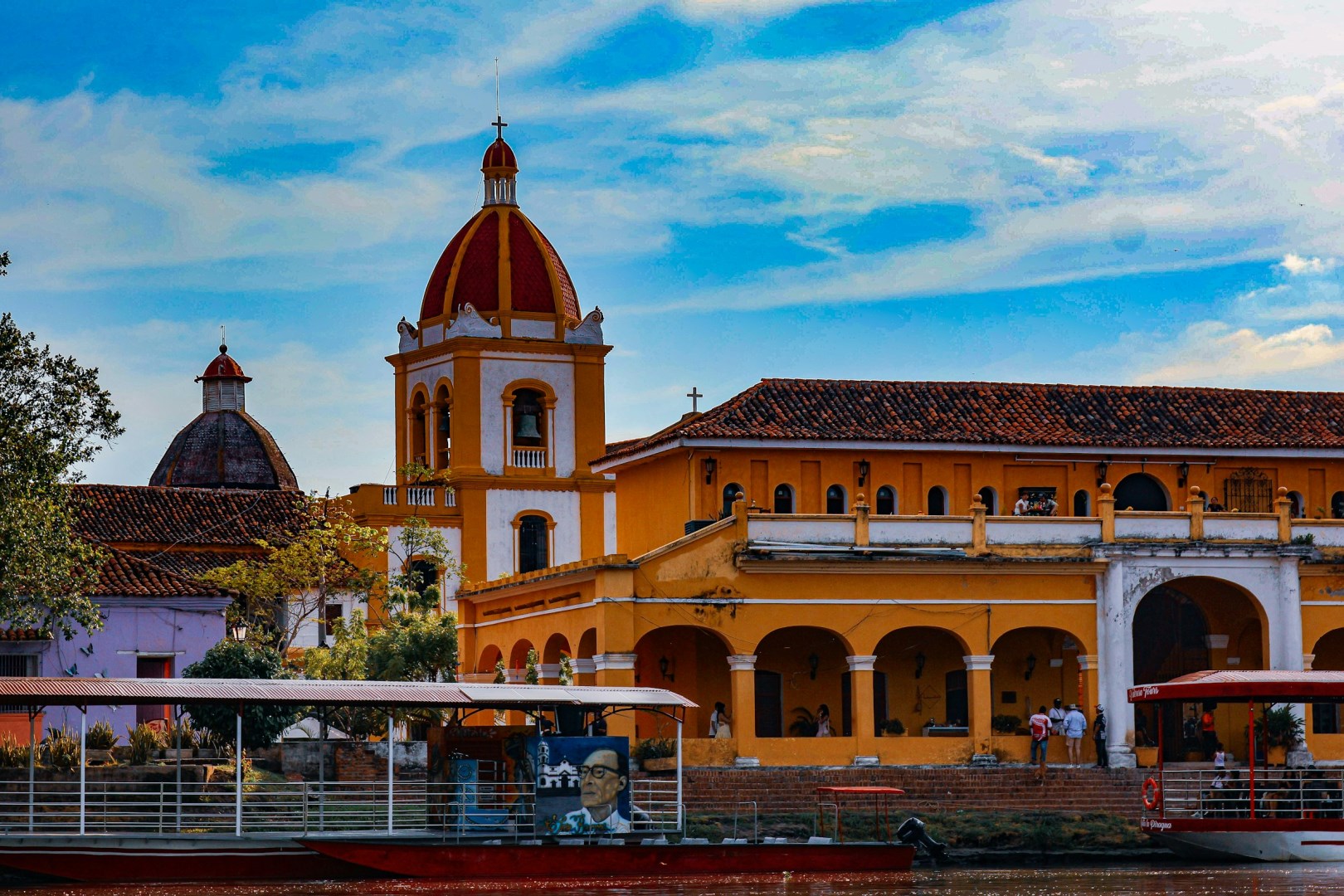
Santa Cruz de Mompox
Santa Cruz de Mompox, better known as simply Mompox (or Mompós), draws many visitors to northern Colombia with its rich history, well-preserved colonial architecture, and several annual events including its Holy Week celebrations and the Mompox Jazz Festival.
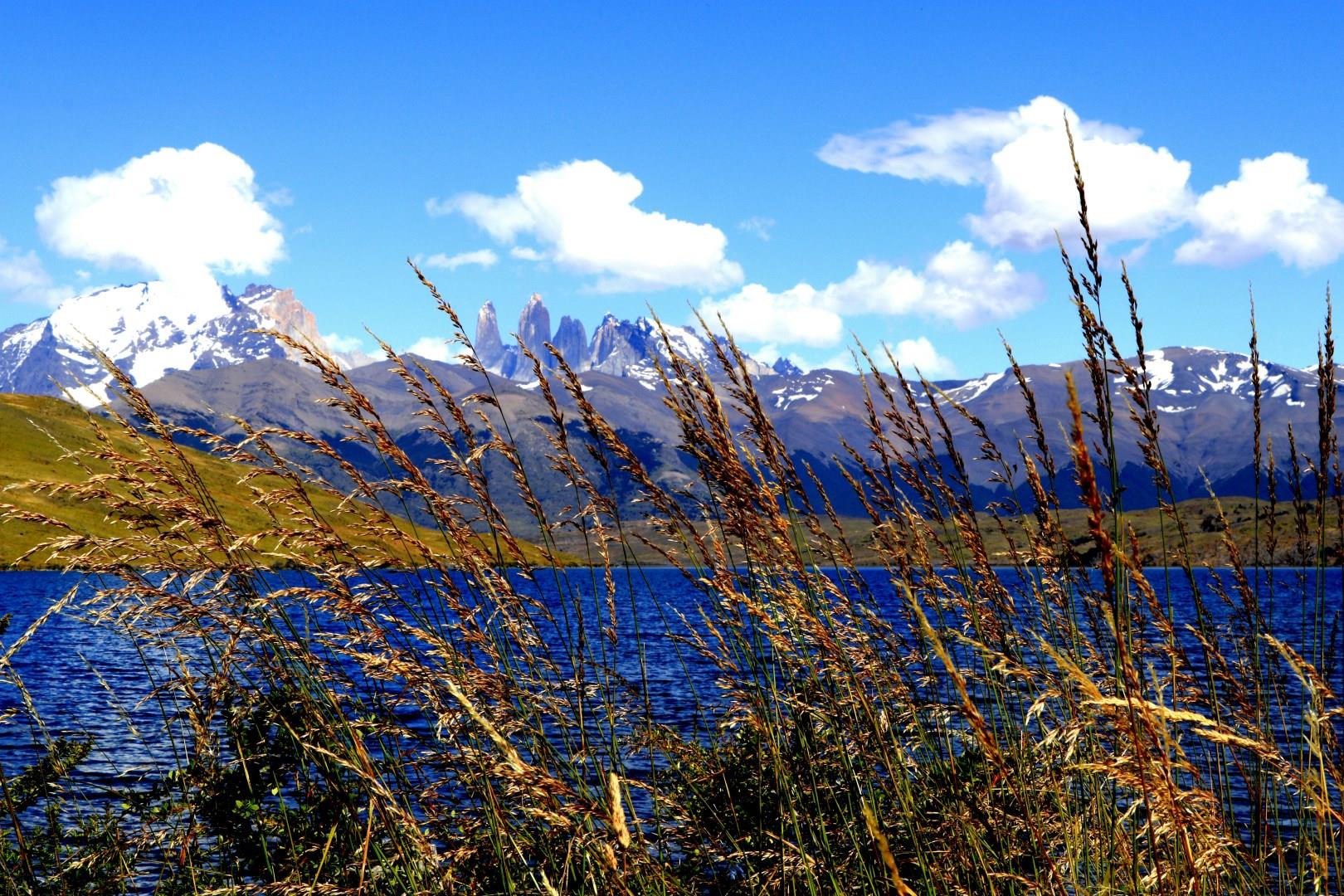
Puerto Natales
Puerto Natales sits at the head of the Ultima Esperanza Sound in southern Chile, serving as the gateway to Patagonia’s dramatic landscapes.
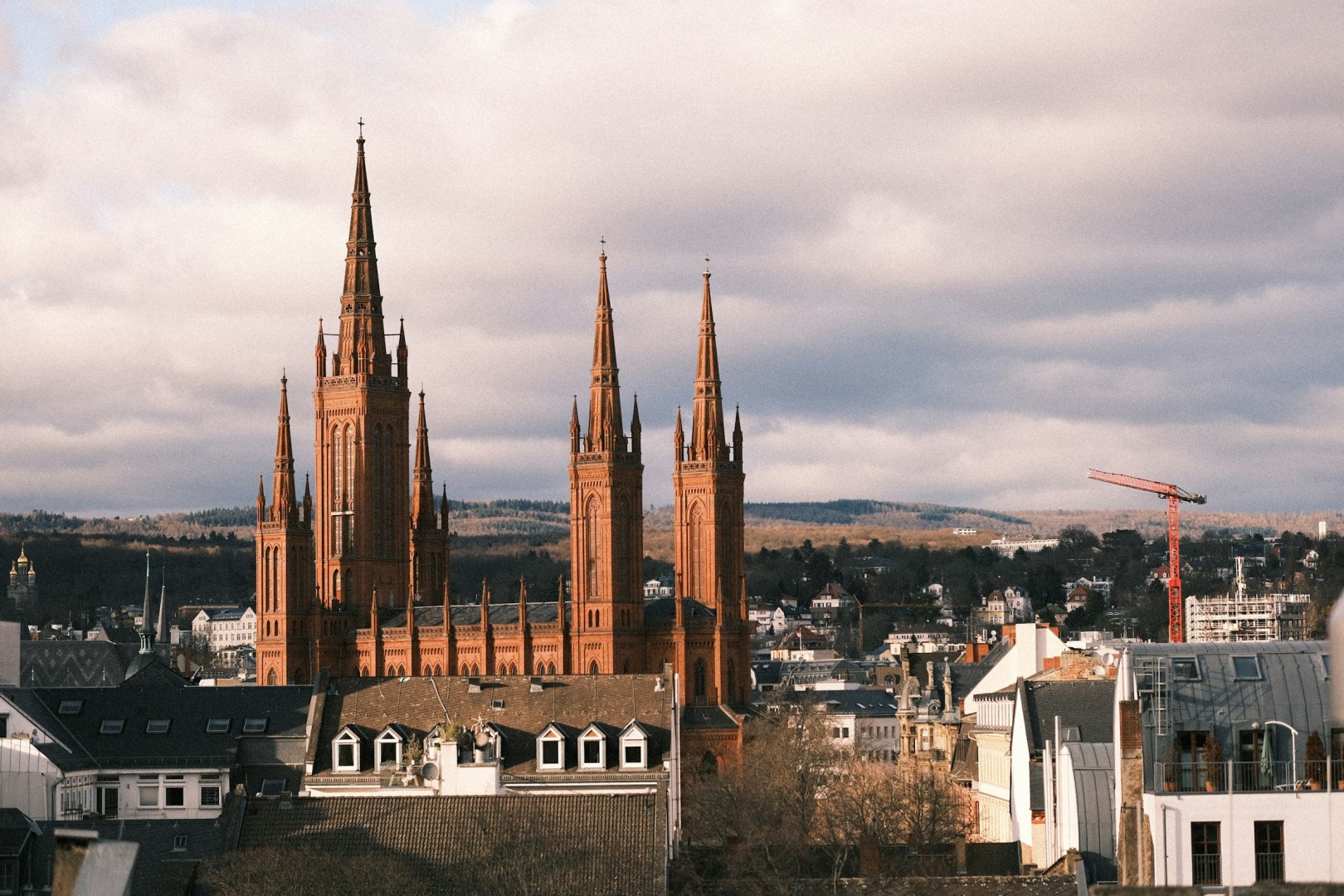
Wiesbaden
Wiesbaden is located in west central Germany at the southern foot of the Taunus Mountains, on the Rhine River, near Frankfurt. It is popular for its 26 hot mineral springs and mild climate and tourism is vital to the local economy. Wiesbaden is a cultural center; places of interest are the former royal and ducal residences; the Kurhaus with its casino and its concert halls; the Colonnade, remnants of a Roman wall known as the Heidenmauer ("heathens' wall"); and the Hessian State Theater.
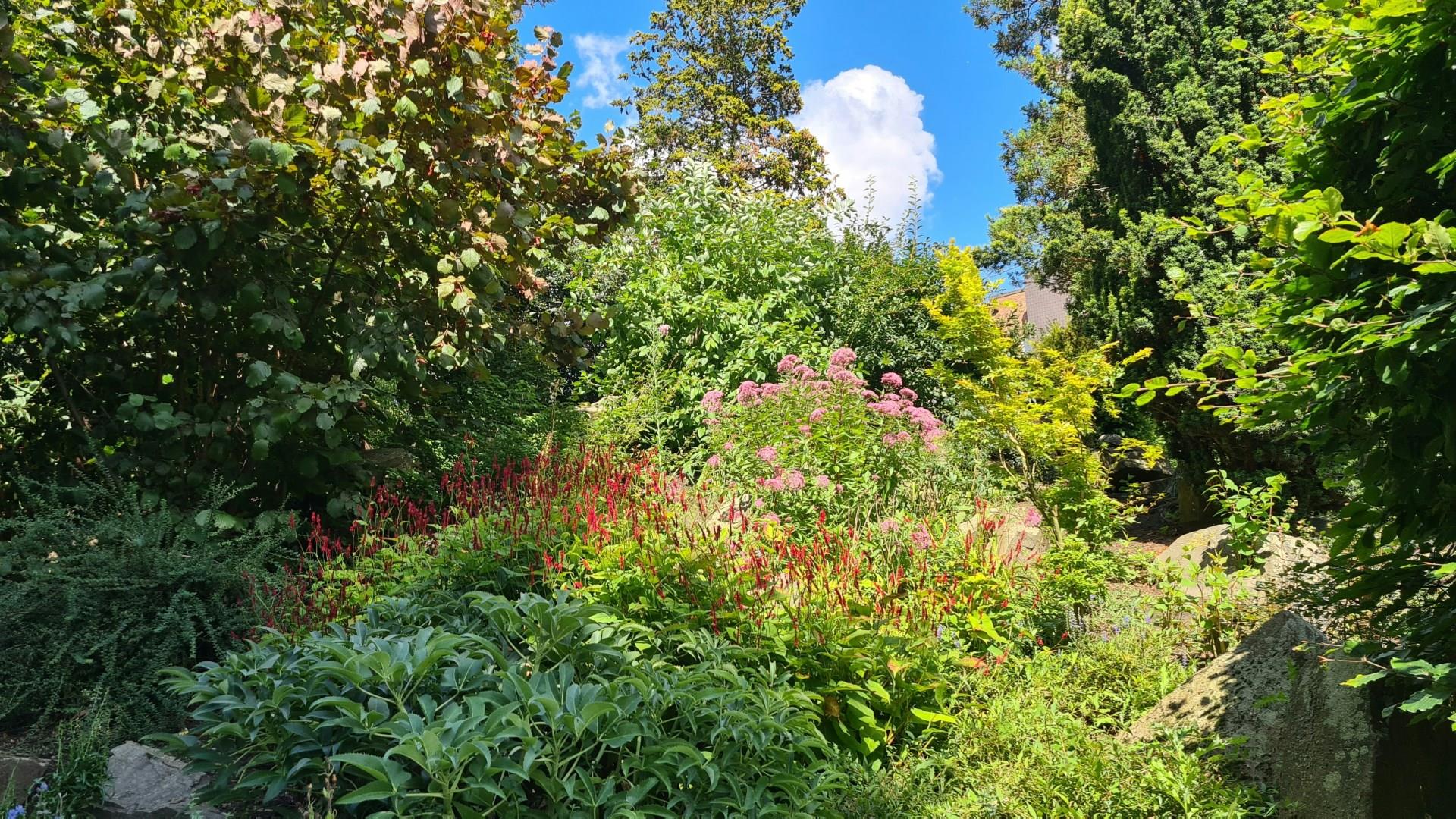
Liège
Liège, located along the Meuse River in eastern Belgium, is a city shaped by industry, resilience, and an independent spirit that dates back centuries. Once the capital of a powerful prince-bishopric, Liège has always done things its own way and is lived-in and layered with working neighborhoods, student cafés, and markets that tell the city’s real story. Every Sunday, locals gather at La Batte, one of the oldest and largest outdoor markets in Belgium.
