
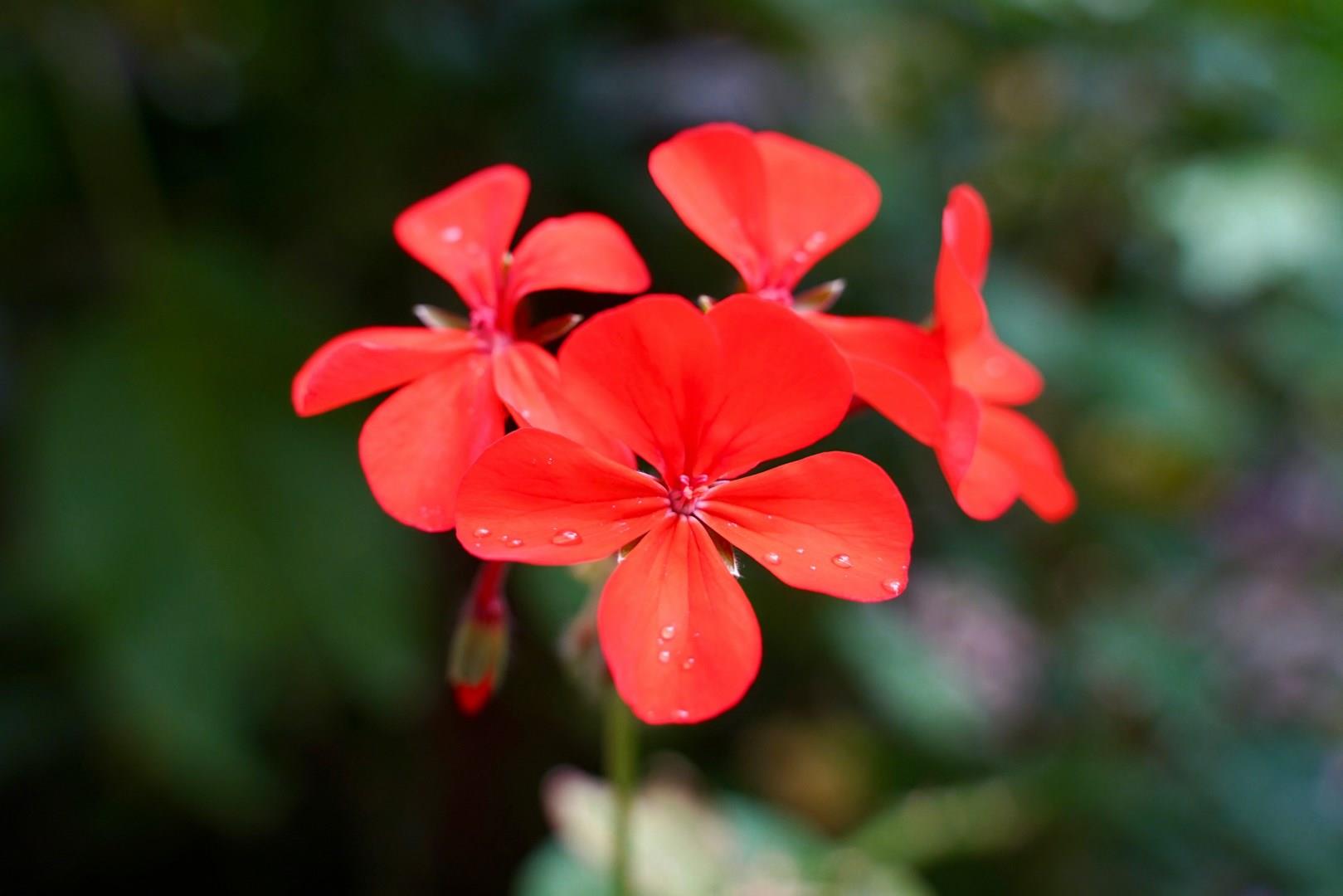
Aguas Calientes
Aguas Calientes, officially called Machupicchu Pueblo, sits in a narrow valley below the ruins of Machu Picchu, shaped almost entirely by geography and access. The town grew around the railway and hot springs that give it its name, becoming a necessary stopping point rather than a destination planned in advance. Its identity is closely tied to movement, with most people arriving on foot or by train and staying briefly before heading uphill.
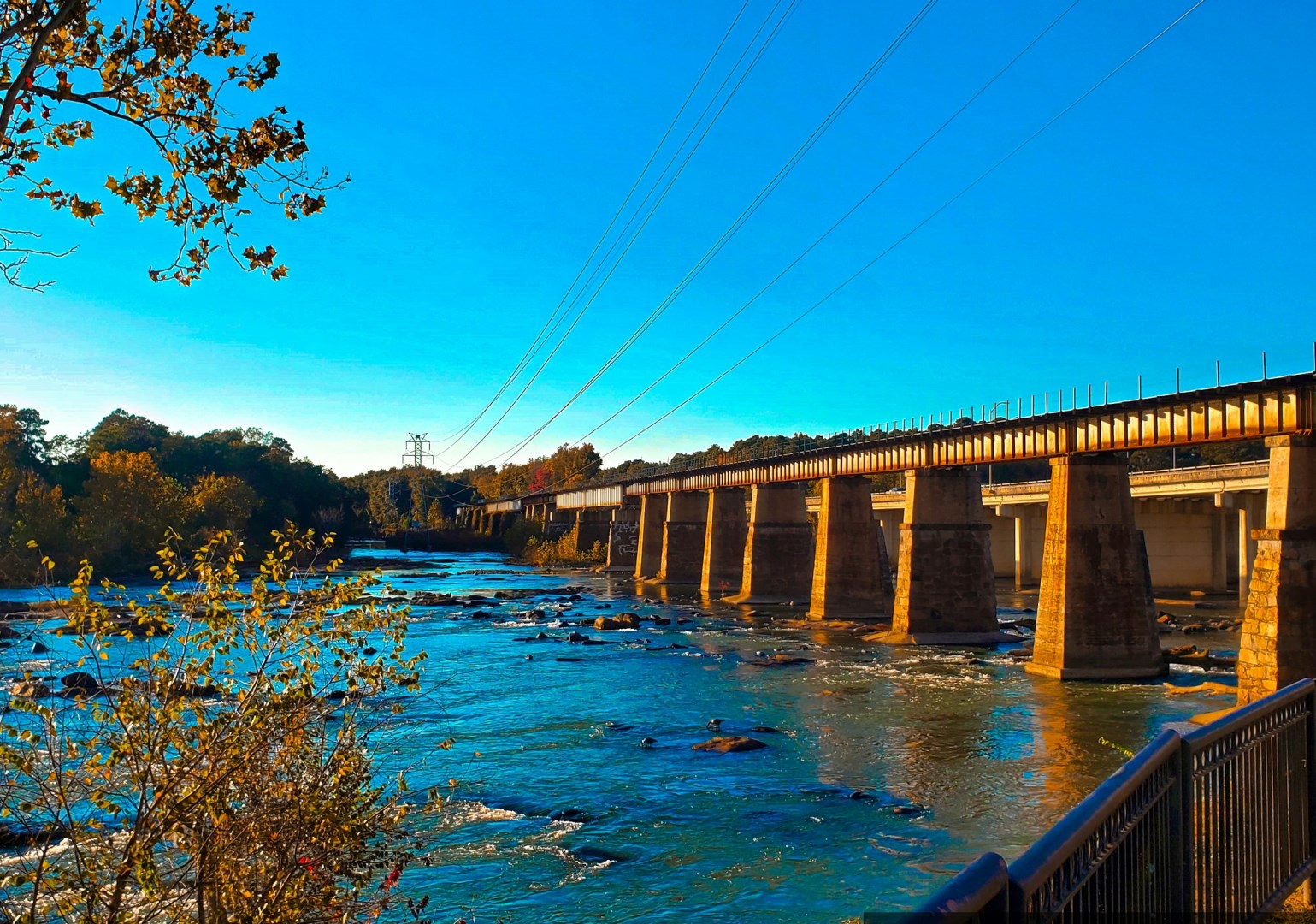
Columbia
Capital city of the state of South Carolina in the southeastern United States.
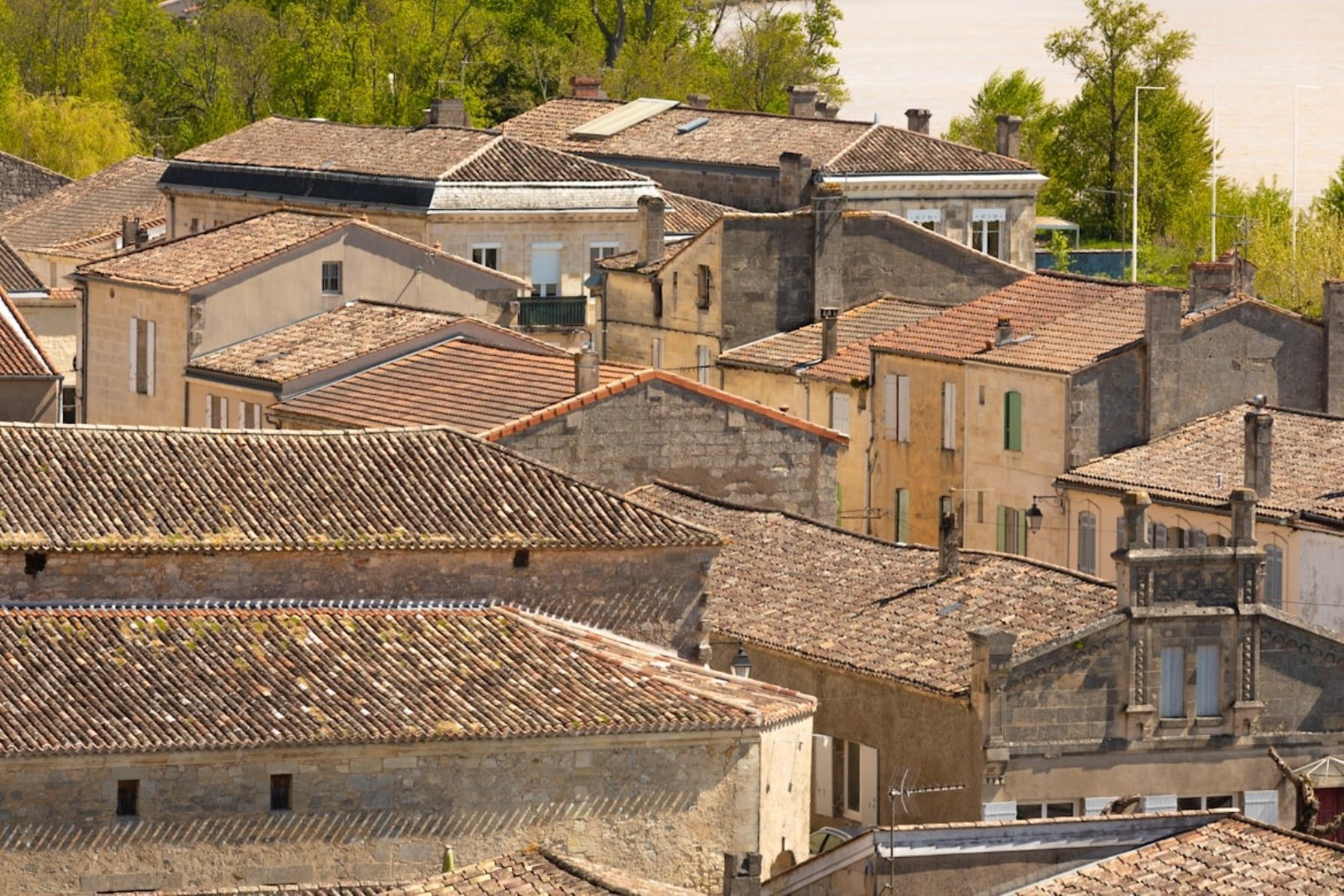
Bourg
Bourg is a small riverside town set along the Dordogne estuary in southwestern France. Its position above the water gives it a quiet but strategic presence, with stone houses rising along narrow lanes that lead toward the harbor. One of Bourg’s most intriguing features lies beneath its streets. Guided visits reveal hidden staircases, carved stone rooms, and cool corridors that offer a completely different perspective from the sunlit streets above.
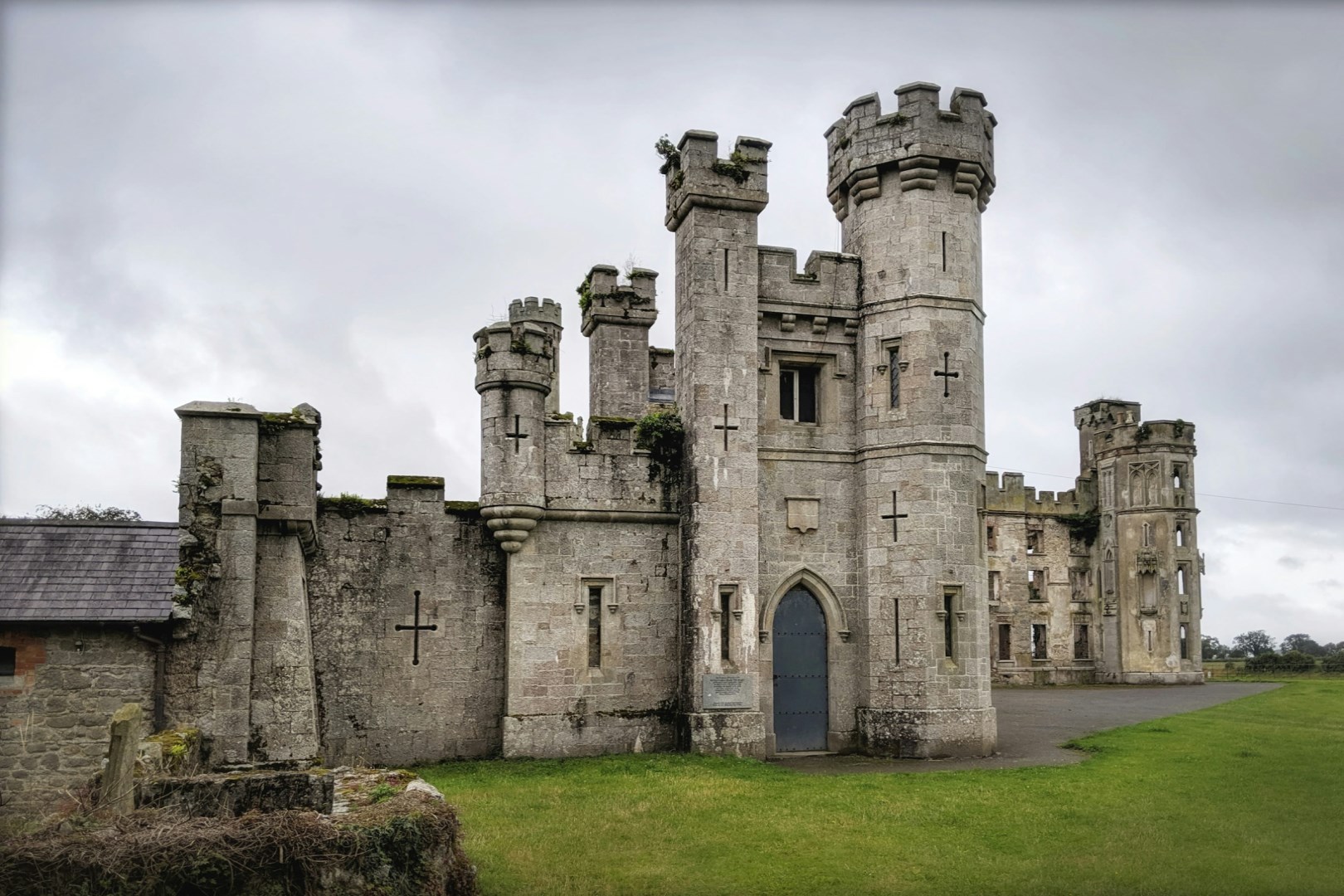
County Carlow
A most pleasant and picturesque county, famed for its scenic beauty. Bordered by the Blackstairs Mountains and Mount Leinster, the county is divided by the rivers Barrow and Slaney. There are many historical monuments and castles. Recreations include Golf, Tennis, Fishing, Shooting, Rowing, River Cruising, Swimming, Hunting and Climbing.

Qatar
Qatar invites discovery through both its modern ambition and traces of its desert heritage. In Doha, the Museum of Islamic Art, designed by I. M. Pei, rises over the waterfront to display centuries of calligraphy, ceramics, textiles, and metalwork. Nearby, the National Museum of Qatar presents the nation's story through exhibits and architecture shaped like the desert rose. Each space offers both insight and reflection.
