
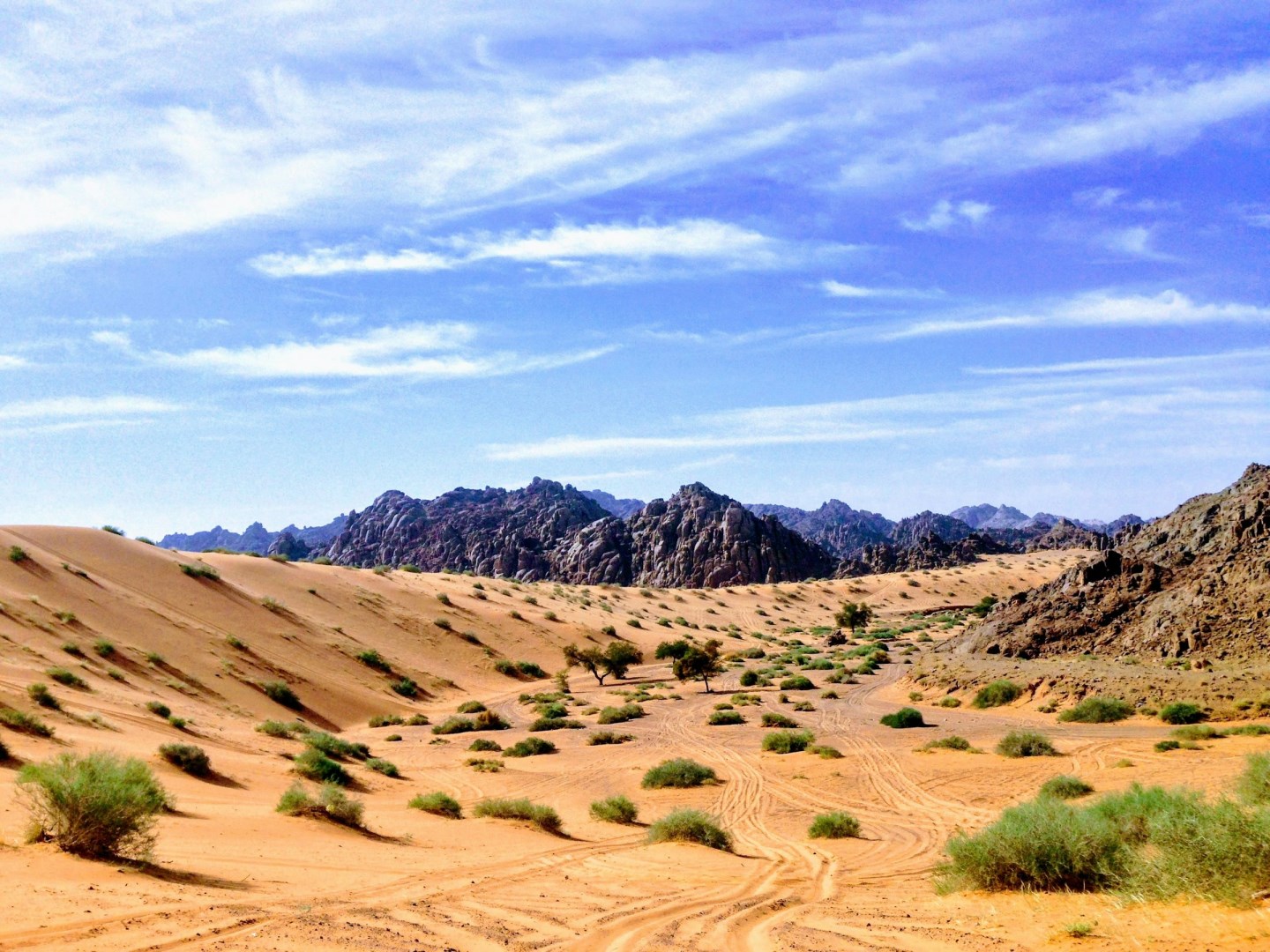
Ha’il
Ha'il is a city in north-central Saudi Arabia and the capital of Ha'il Province, located near the western edge of the vast An Nafud desert. The city lies in an oasis region where groundwater supports palm groves and agriculture, creating a cultivated landscape between surrounding desert and mountains.
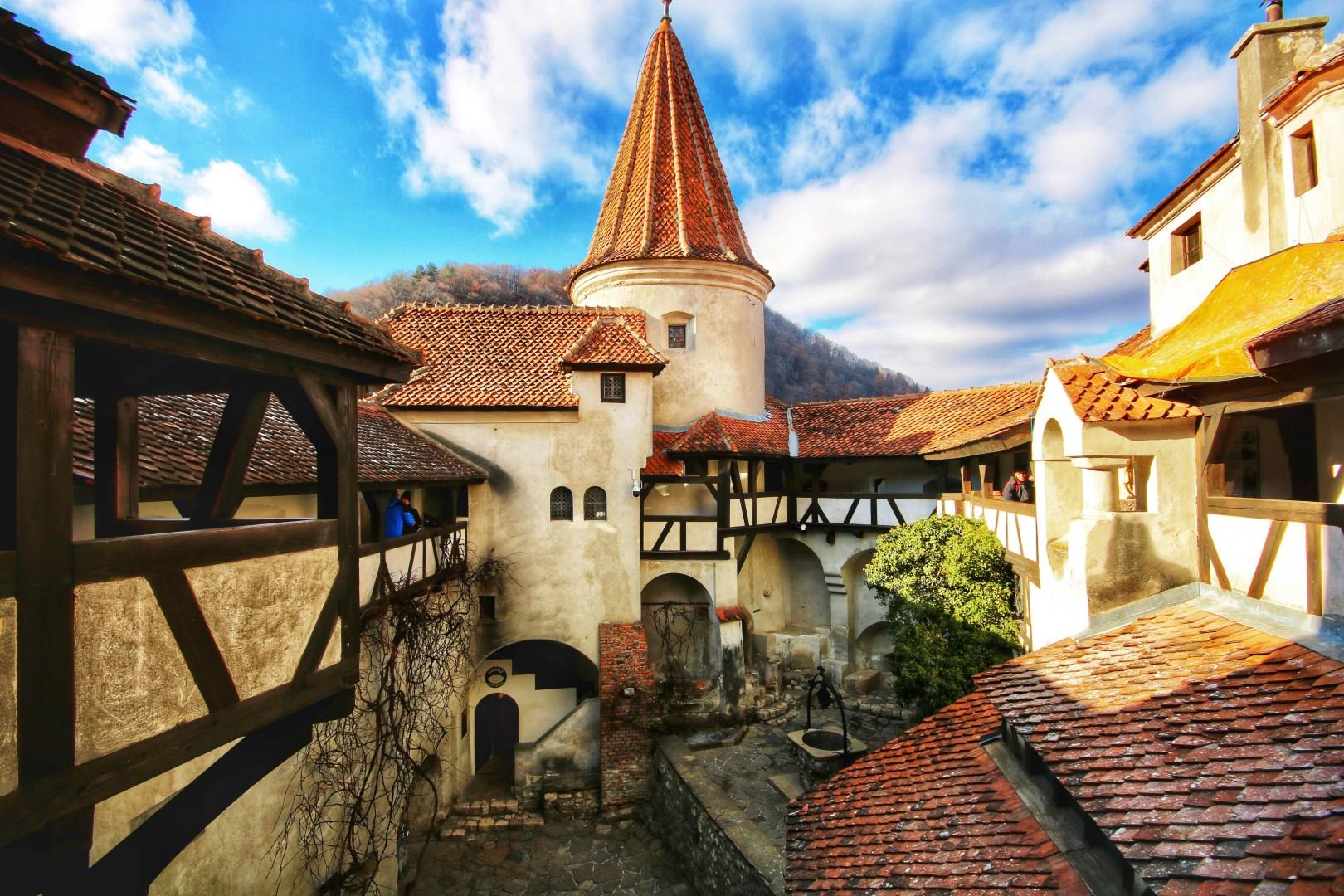
Bran
Bran, a small village nestled in the Carpathian Mountains of central Romania, is best known for its medieval fortress commonly referred to as “Dracula’s Castle.” While the connection to Bram Stoker’s fictional character is loose at best, Bran Castle continues to draw travelers with its striking towers, stone walls, and position on a rocky cliff. Originally built in the 14th century to defend against invading forces, the castle has passed through royal hands, most notably Queen Marie of Romania.

Georgetown
Georgetown, the vibrant capital of the Cayman Islands, offers an alluring blend of Caribbean charm and modern sophistication. As the bustling heart of the Grand Caymans, it is renowned for its picturesque harbor, duty-free shopping, and a rich tapestry of cultural experiences.

Cortina D'Ampezzo
Nestled in the heart of the Dolomites, Cortina d'Ampezzo is Italy's premier alpine destination, renowned for its breathtaking natural beauty and world-class ski resorts. Known as the "Queen of the Dolomites," this charming town has long been a magnet for outdoor enthusiasts and luxury travelers alike. Cortina offers some of the best skiing in Europe, all set against the dramatic backdrop of UNESCO World Heritage-listed mountains .

Coffee Axis
Nestled in the heart of the Andean mountains, Colombia's Coffee Region, or “Eje Cafetero,” is a lush tapestry of rolling hills, fertile valleys, and towering wax palms. This UNESCO World Heritage-listed landscape is more than just the epicenter of Colombia's coffee production—it is an invitation to explore a culture steeped in tradition, warmth, and a deep appreciation for the natural world.
