
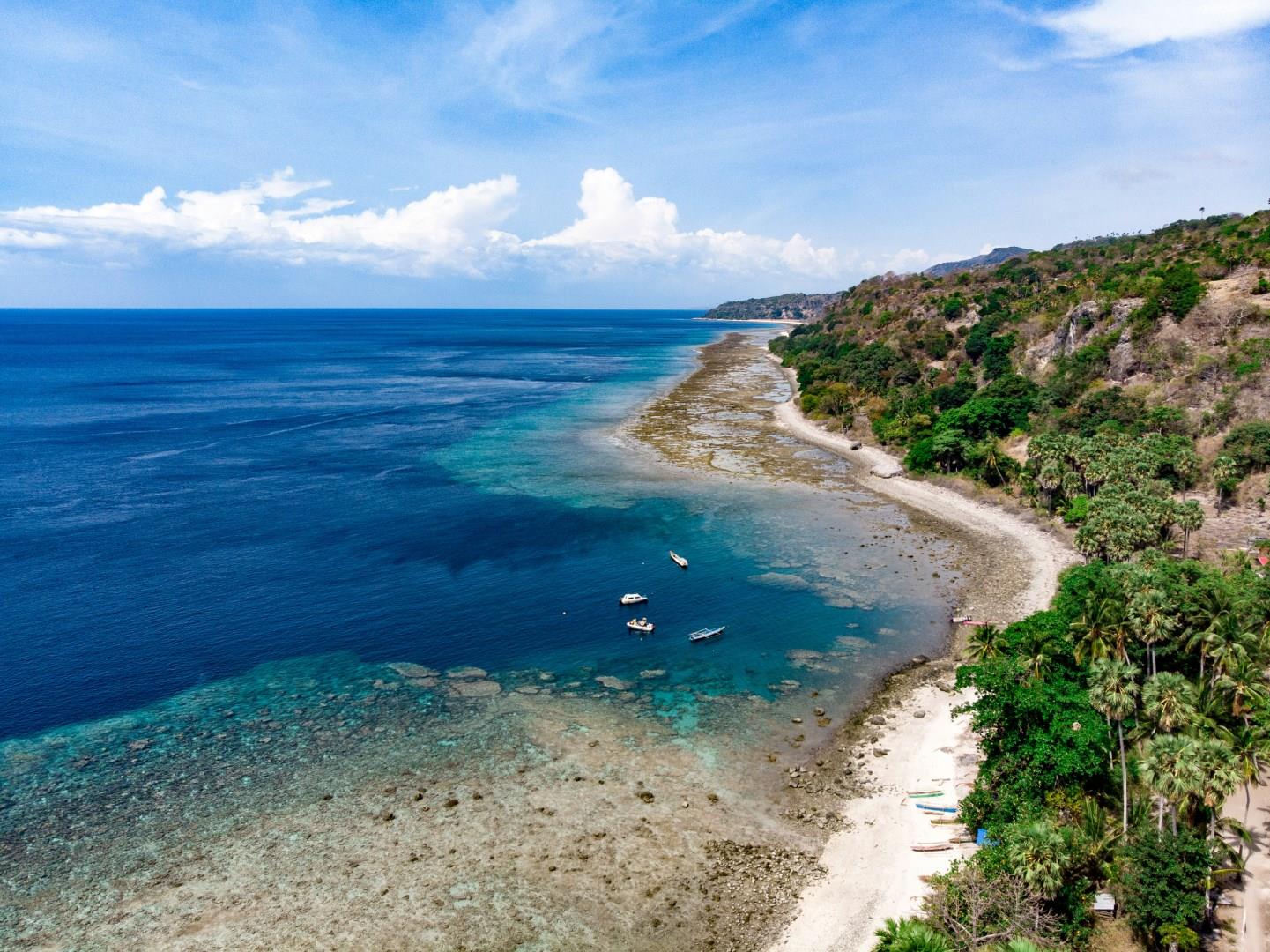
Adara
Adara is a small, remote village on Atauro Island in Timor-Leste, known for its quiet charm and deep connection to the sea. Nestled between steep mountain slopes and the turquoise waters of the Wetar Strait, the community lives largely from fishing and small-scale agriculture.
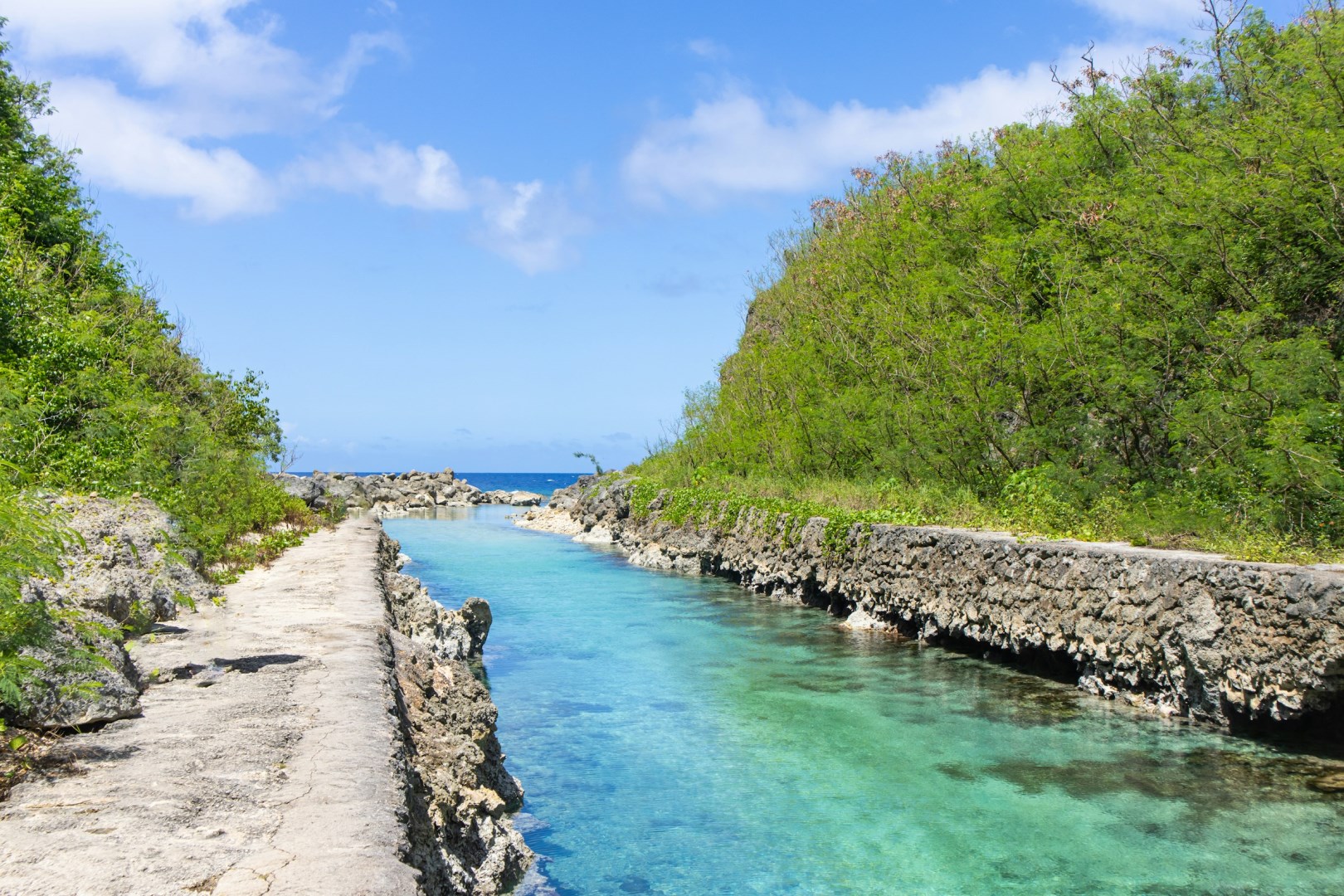
Guam
Guam, a vibrant island territory in the Western Pacific, offers travelers more than just sandy beaches and turquoise water. As the largest island in Micronesia, Guam has a dynamic past that’s shaped its present. Evidence of ancient Chamorro settlements can be found at sites like Latte Stone Park, where limestone pillars dating back over a thousand years stand tall.

Kailua-Kona
Kailua-Kona, a picturesque seaside town on the west coast of Hawaii's Big Island, is a haven for travelers seeking both adventure and tranquility. Known simply as "Kona" to locals, this vibrant destination is celebrated for its rich history, volcanic landscapes, and inviting beaches. Kailua-Kona's iconic oceanfront Ali'i Drive is the heartbeat of the town, lined with charming shops, art galleries, and a plethora of dining options that range from fresh seafood to authentic Hawaiian cuisine.
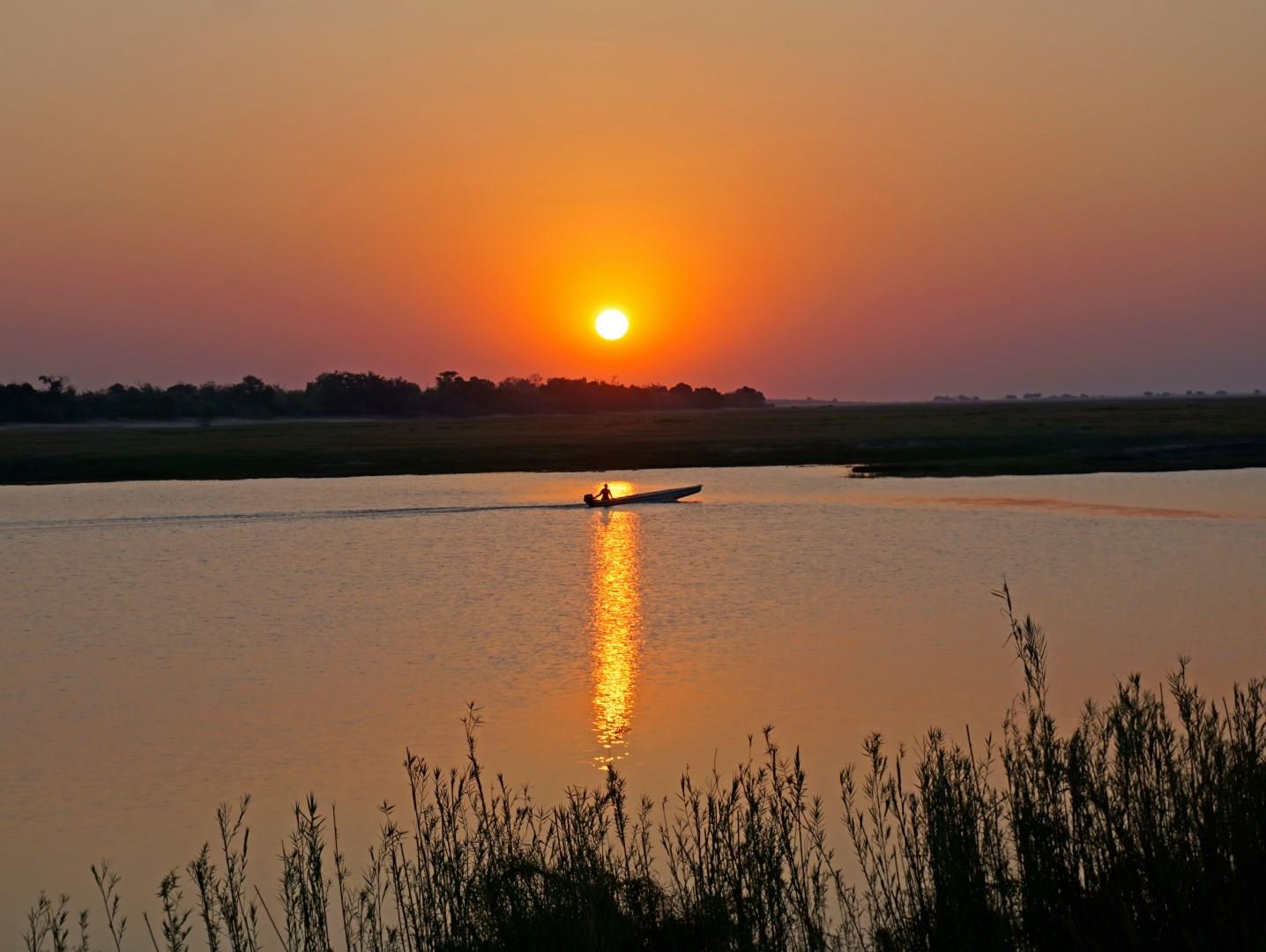
Chobe River
The Chobe River forms the northern boundary of the Chobe National Park. Animal lovers and safari enthusiasts know it as the place where the elephants congregate during winter's dry season and migrant birds are in full color during the wet summer months. The river itself is actually a section of the Cuando River, known as the Chobe from the seasonal lake Liambesi to its outflow at the Zambezi River.
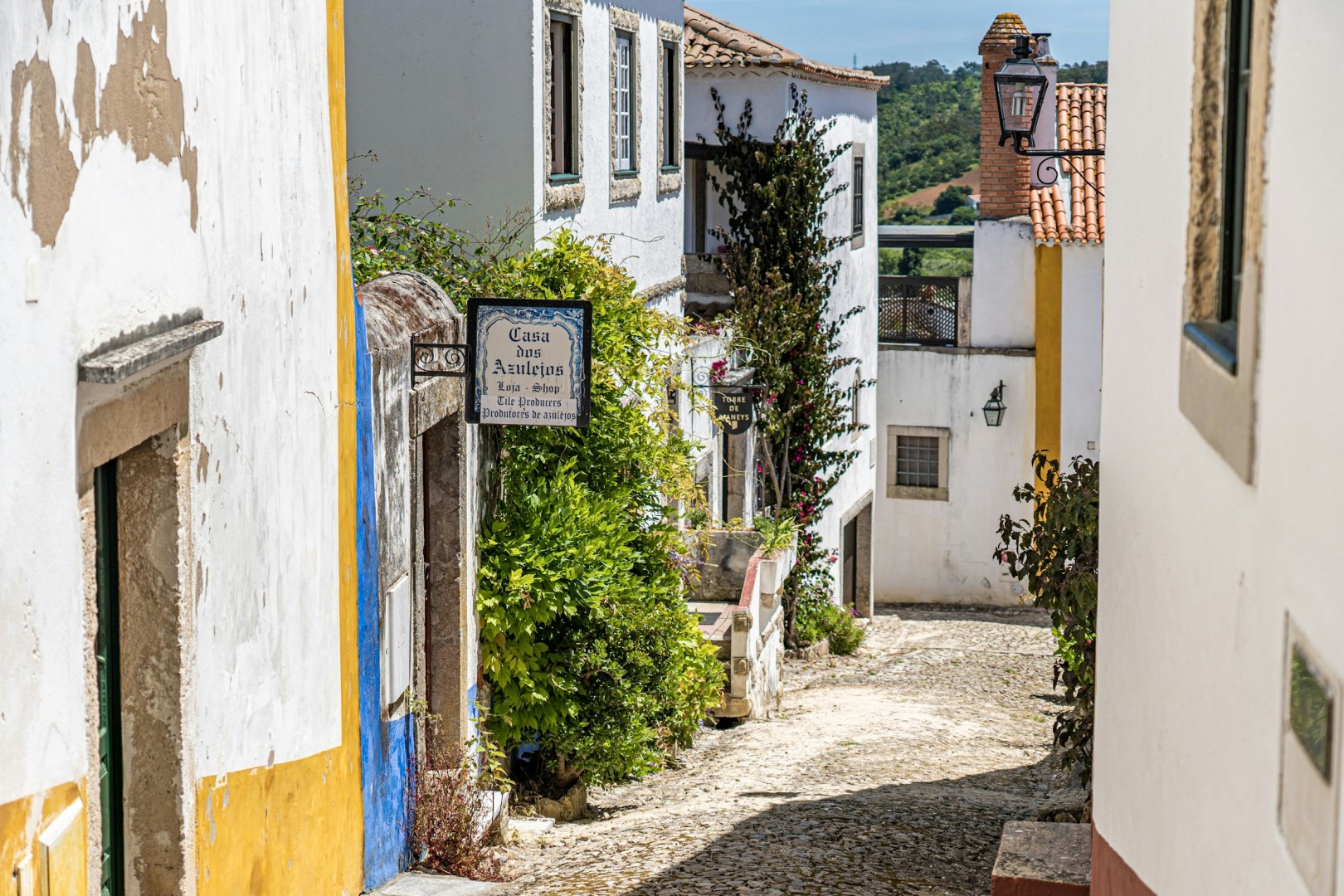
Óbidos
An enchanting, medieval walled town with tiny whitewashed houses and balconies brimming with flowers.
