
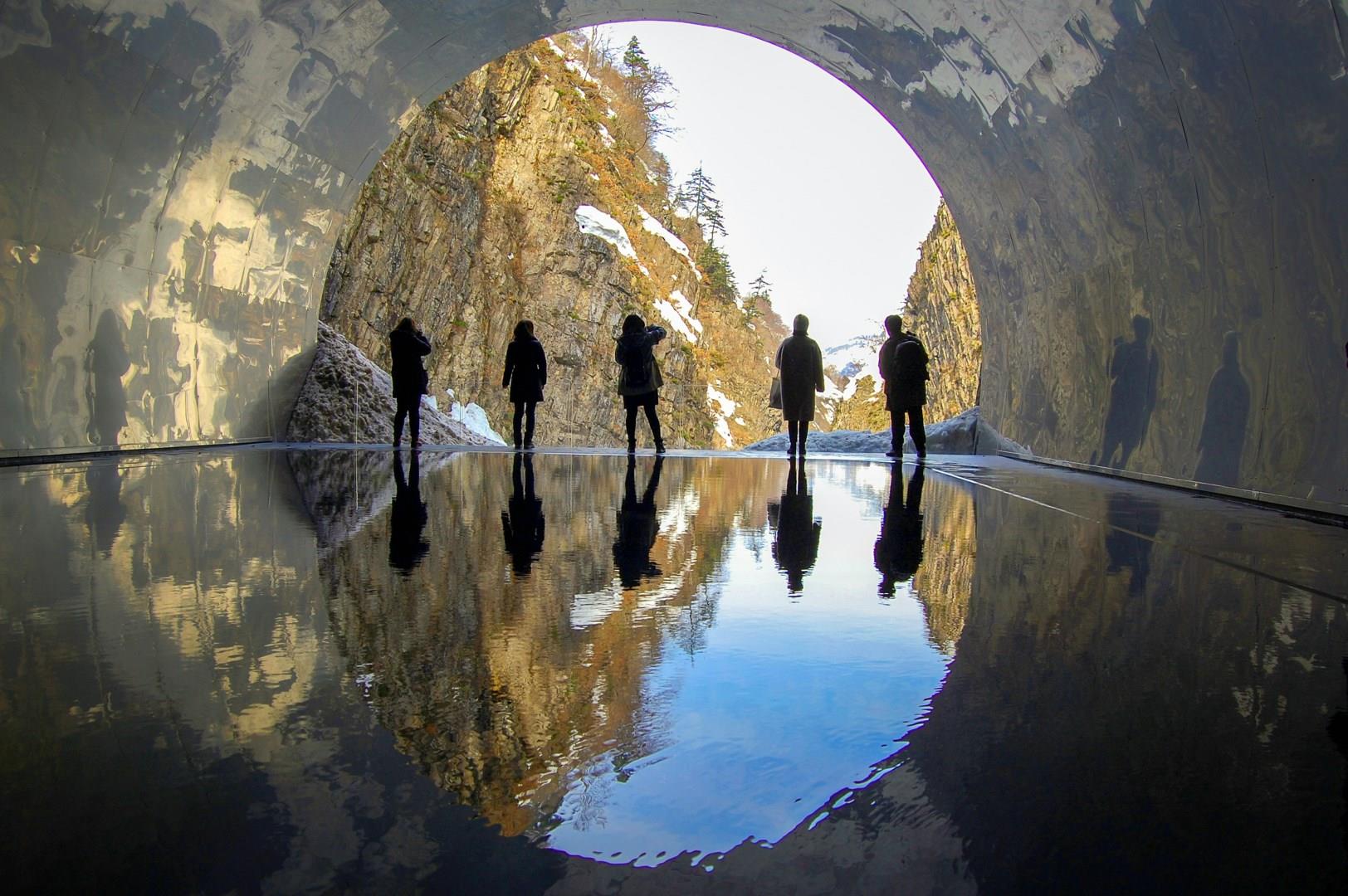
Niigata
Niigata sits along the Sea of Japan on Honshu’s west coast, a place where long winters and bright summers shape its traditions and flavors. For centuries this region has produced some of Japan’s finest rice, especially the Uonuma Koshihikari variety known for its rich taste and texture. That quality rice helps make Niigata sake famous across the country, and visitors can sample more than 90 local brews at tasting spots such as Ponshukan inside Niigata Station.
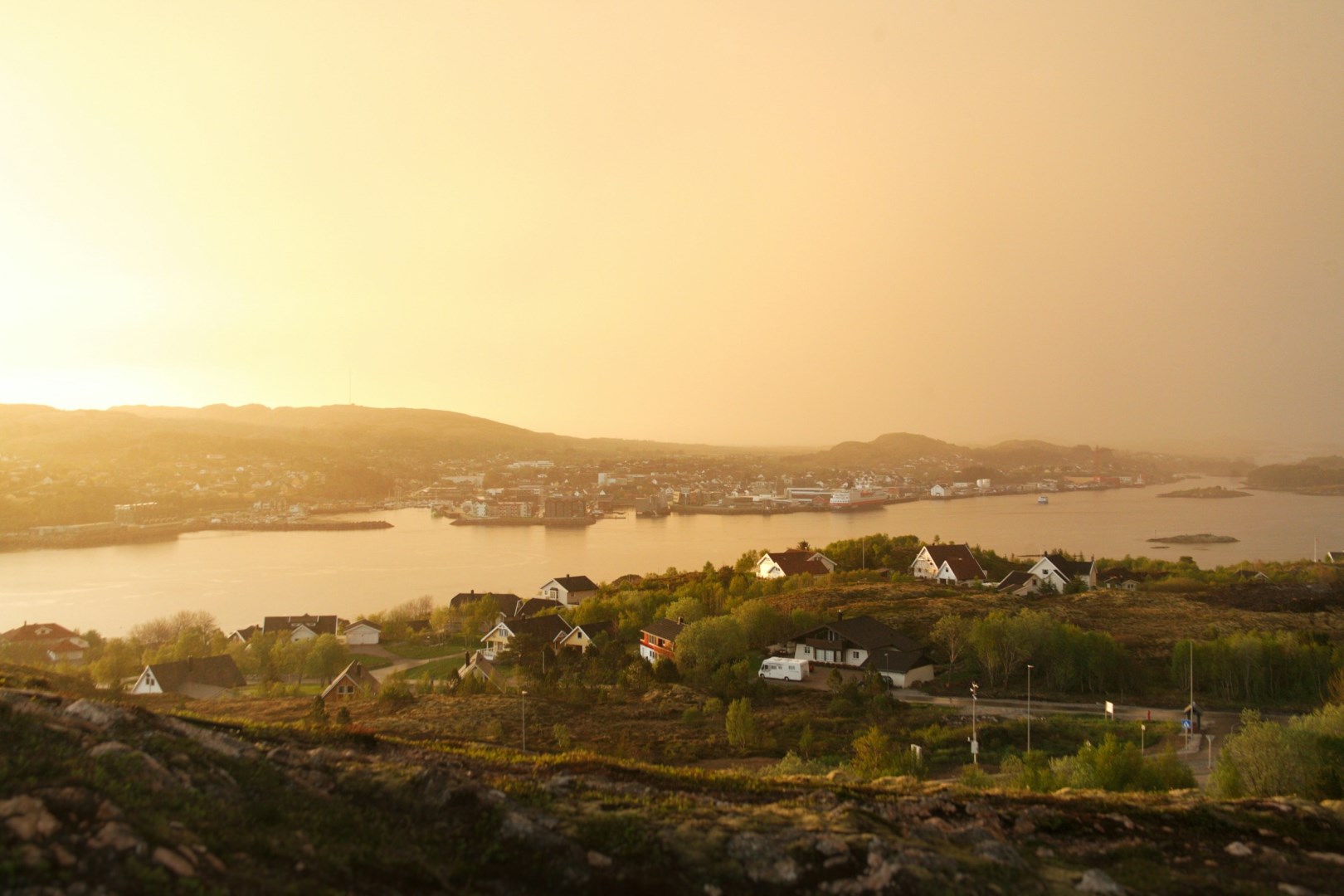
Rørvik
Rorvik is a busy fishing community on the eastern side of the Vikna archipelago. Outdoor activities abound in this maritime region, including kayaking, canoeing, fishing and diving. Several museums offer a look at Rorvik's culture and history, and wildlife enthusiasts will find a myriad of bird and fish species to observe.
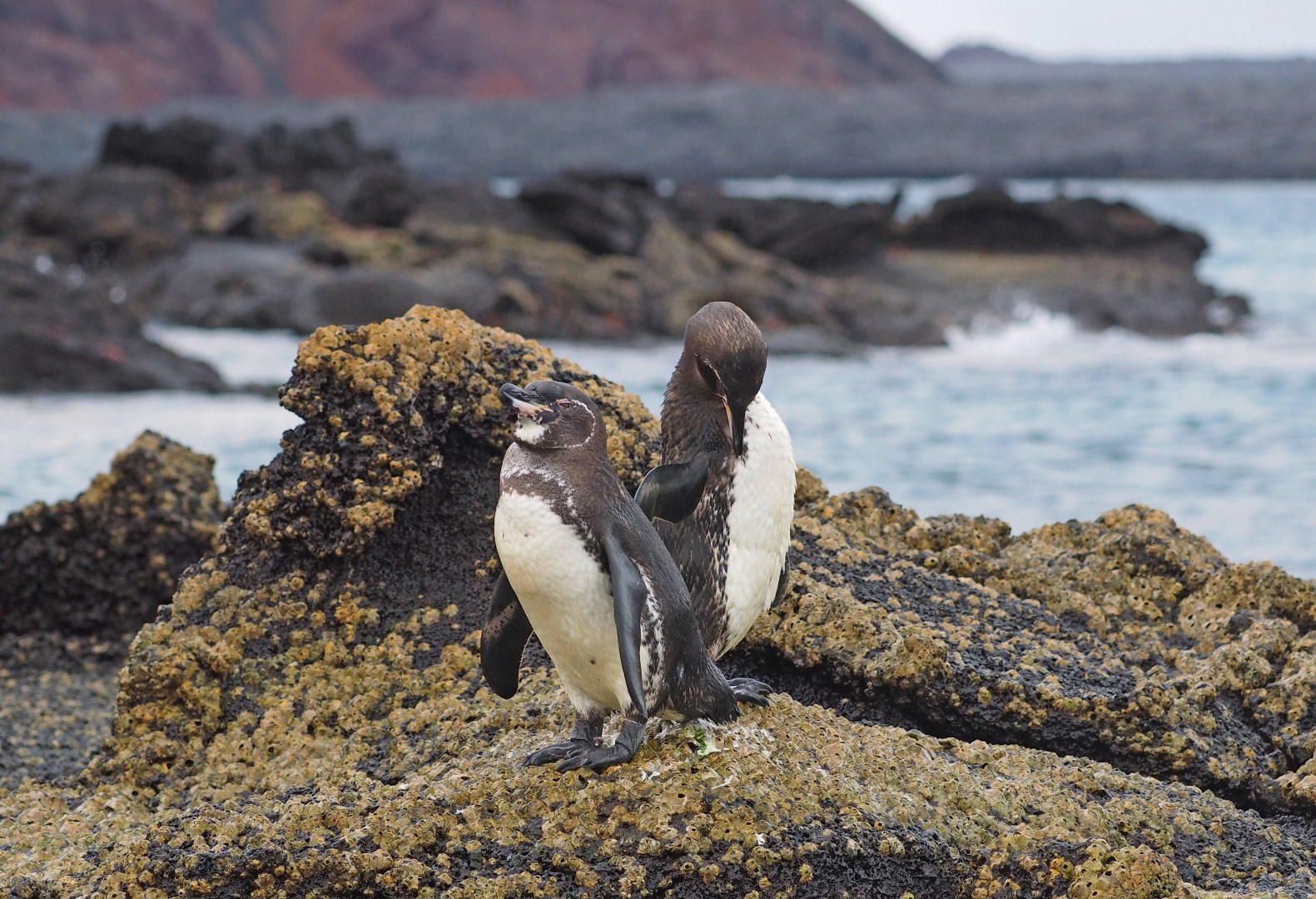
Fernandina Island
Besides being one of the largest and most remote of the Galapagos Islands, Fernandina Island is home to the area's most active volcano. It also boasts the most pristine ecosystem; unlike other islands in the Galapagos, Fernandina has thus far avoided the introduction of any non-native mammal species.
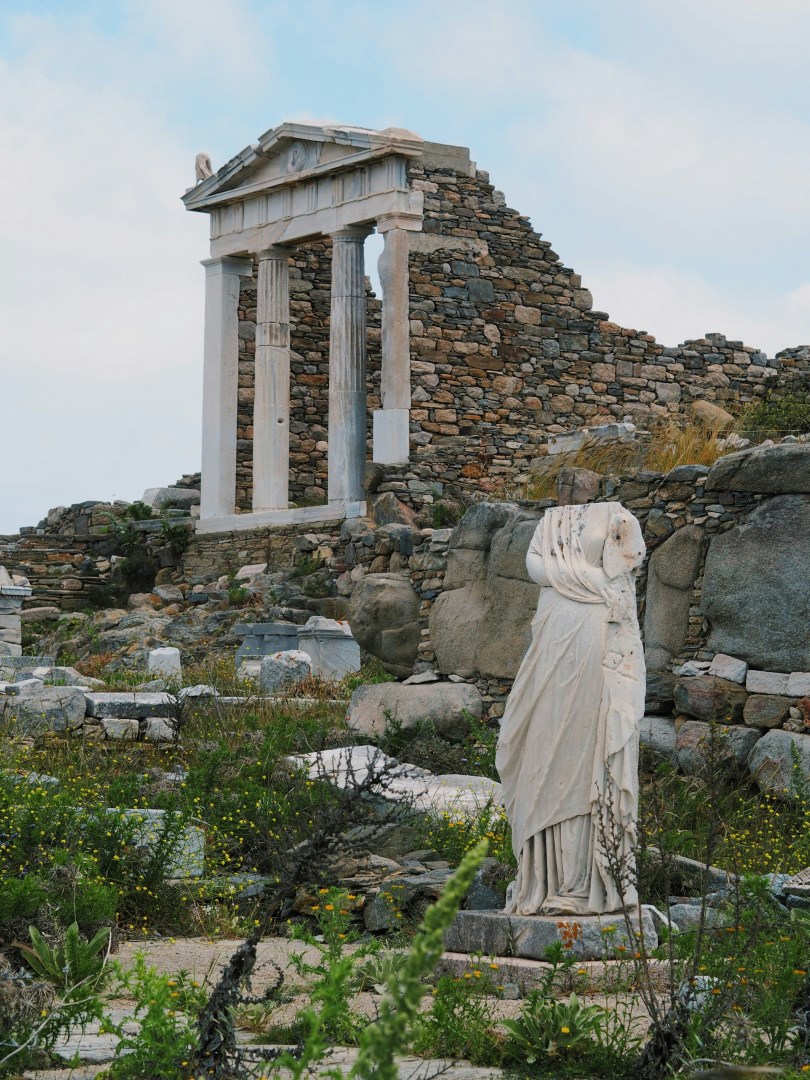
Delos
This uninhabited island is one of the finest archaeological sites in Greece. Considered a sacred island since the 7th century BC, the famous Terrace of the Lions stands guard over the "sacred lake" and the remains of the temple of Apollo.

Puno
Situated on the shore of Lake Titicaca, Puno is referred to as the folkloric capital of Peru due to its artistic and cultural expressions, particularly dance. Notable landmarks include the Andean baroque-style Puno Cathedral and the Yavari, a 19th-century steamship. Products created from alpaca, llama, or sheep wool are a signature of the area, as well as musical instruments like the siku.
