

Hallstatt
Nestled between the serene waters of Lake Hallstatt and the towering Dachstein mountains, Hallstatt, Austria, is a picturesque gem that seems almost too perfect to be real. This UNESCO World Heritage site is renowned for its stunning alpine scenery and charming architecture. Wander through the narrow streets lined with 16th-century houses and experience the timeless beauty that has captivated visitors for centuries.
Williamsburg
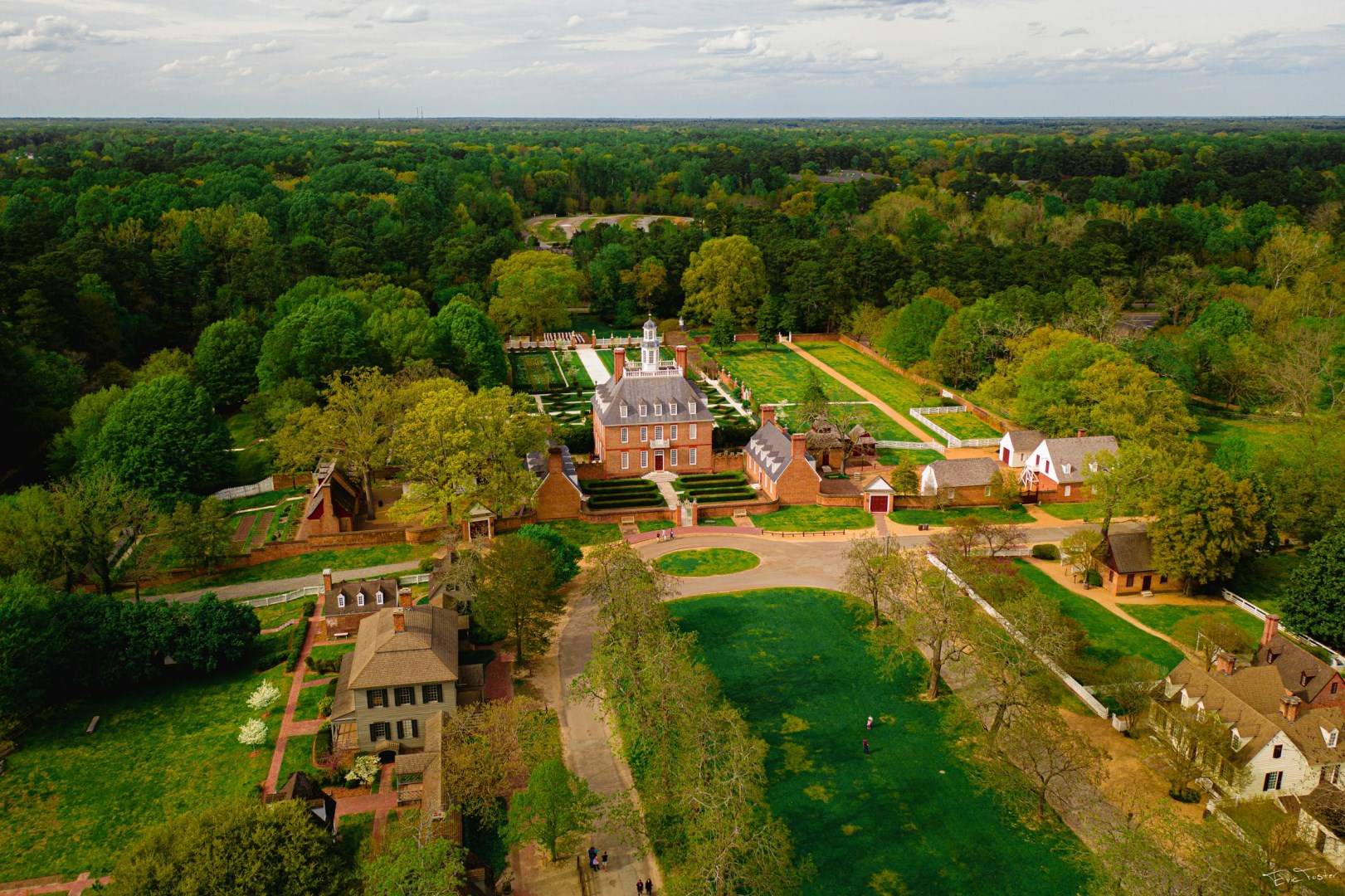
Williamsburg, Virginia offers visitors the unusual opportunity to walk through a fully reconstructed 18th-century city. As the capital of the Virginia Colony from 1699 to 1780, Williamsburg played a key role in early American politics and daily life. Today, Colonial Williamsburg spans over 300 acres and includes historic buildings, working tradespeople, and costumed interpreters who bring the Revolutionary era to life.
Florence
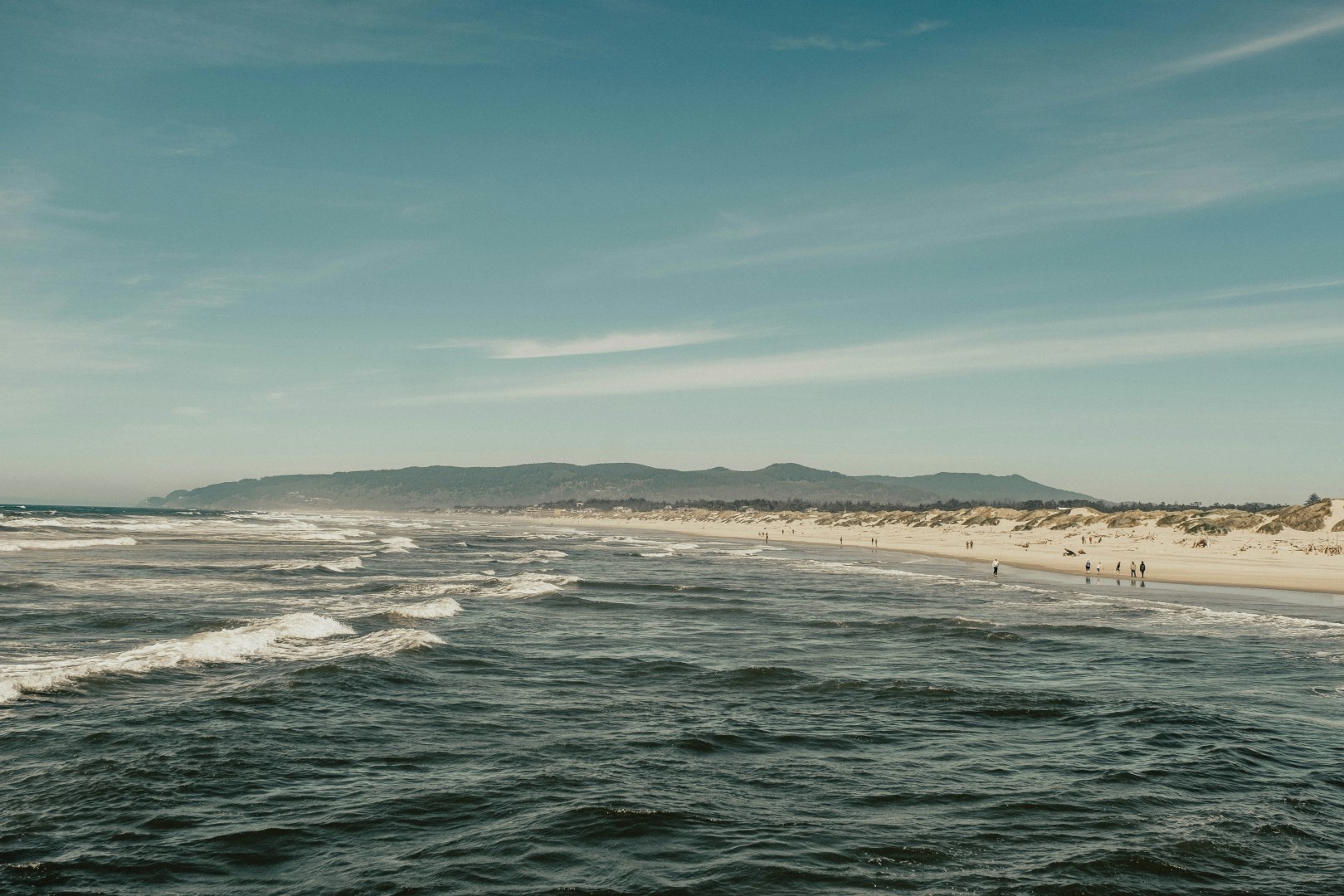
Florence is a coastal city in Oregon located where the Siuslaw River meets the Pacific Ocean. It is known for its dramatic coastal scenery, extensive sand dunes, and working waterfront.
Bacalar
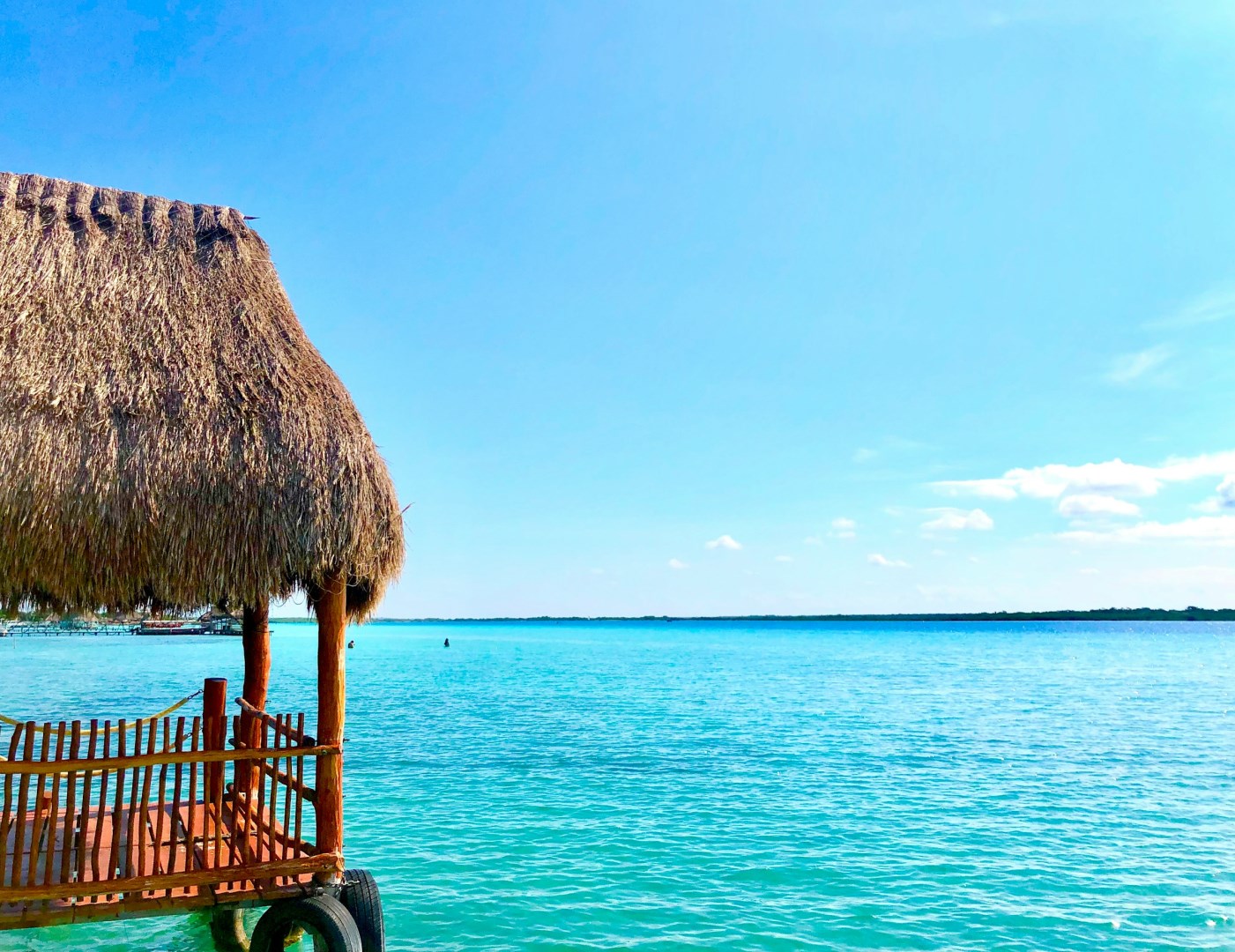
Bacalar sits on the tranquil shores of Laguna de Bacalar in southern Quintana Roo, Mexico, and has been a meeting place for people and cultures for centuries. Its name comes from the ancient Maya phrase Sian Ka’an Bakhalal, meaning “where the sky is born,” a reminder of how deeply this place figures in regional history and identity.
Tucson
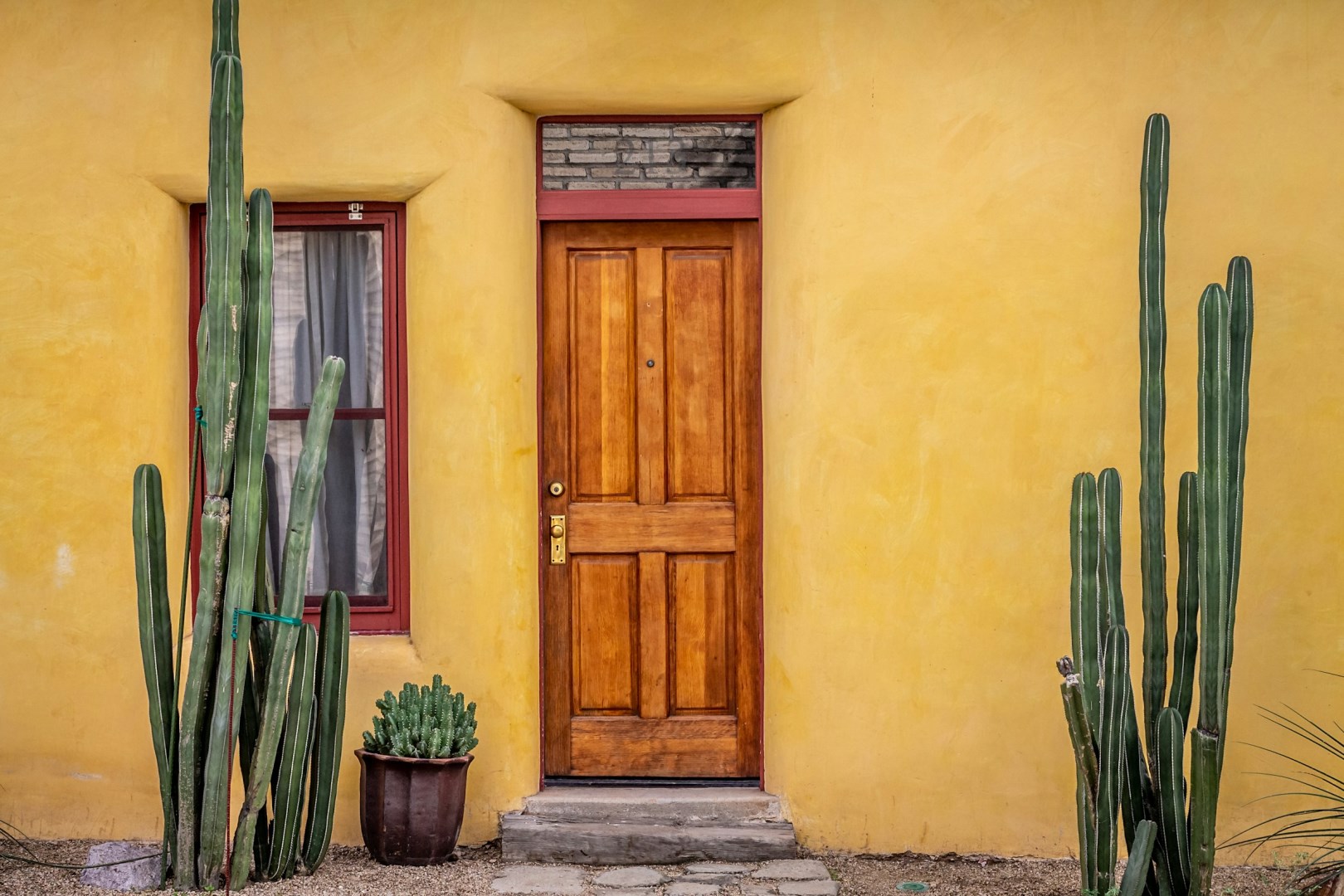
Tucson is a city in southern Arizona surrounded by the Sonoran Desert and framed by several mountain ranges, including the Santa Catalina Mountains to the north. Its desert setting is defined by towering saguaro cacti, rugged hills, dry washes, and broad mountain views. Tucson combines a historic downtown with distinctive neighborhoods, museums, gardens, and outdoor spaces. The city is also part of a larger desert region where urban areas meet protected landscapes, giving Tucson a close connecti
