
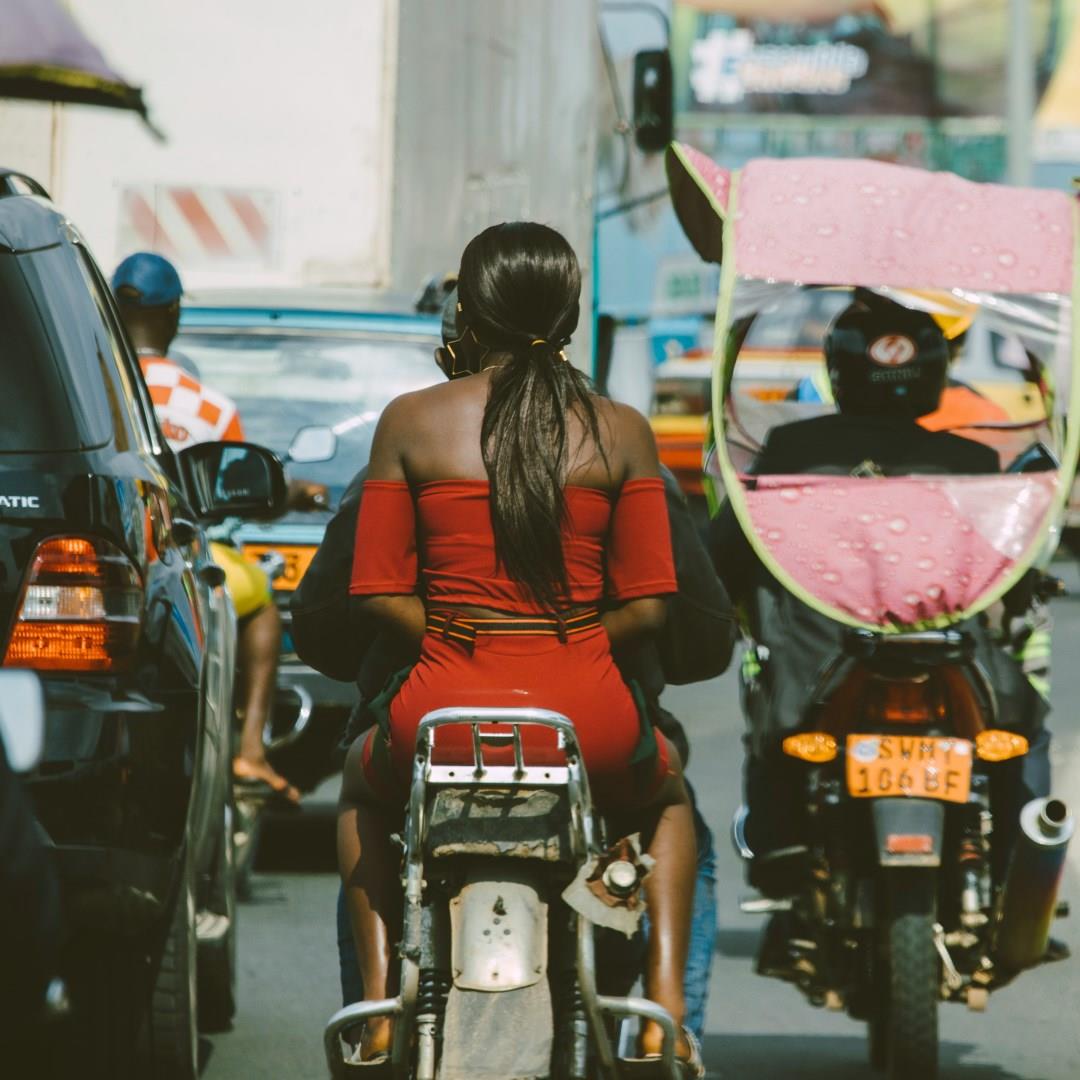
Douala
Douala is Cameroon’s largest city and its economic powerhouse, but beyond the busy ports and bustling streets lies a city full of creativity, flavor, and unexpected charm. Located on the Atlantic coast, Douala has long served as a crossroads of cultures. The city's waterfront, especially along the Wouri River, is a great place to watch the movement of boats, local fishermen, and floating markets while soaking in the tropical coastal air.
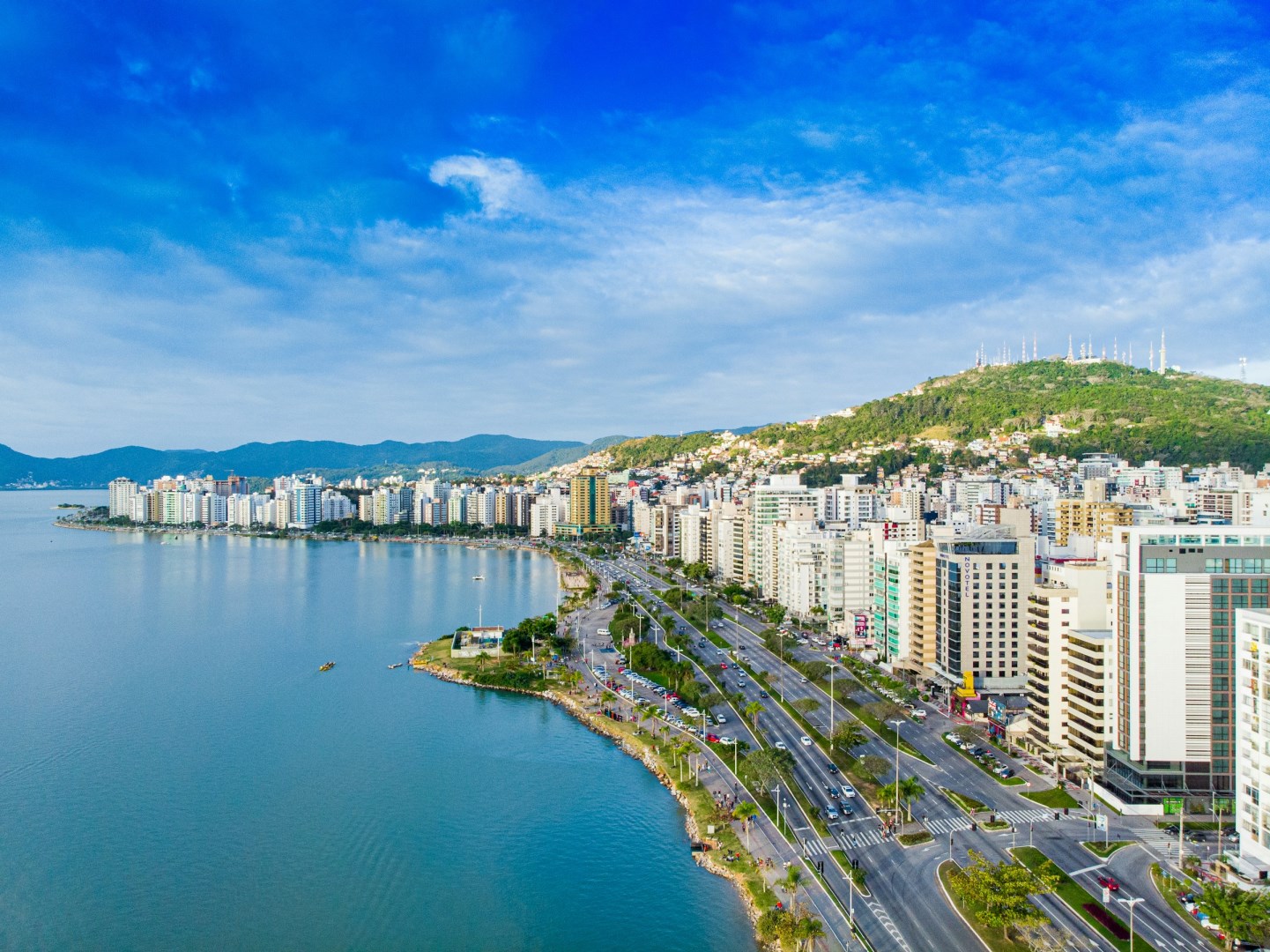
Florianópolis
Florianópolis is the capital of Santa Catarina and occupies most of Santa Catarina Island, with another part of the city on the mainland. Known locally as Floripa, it is shaped by a long coastline of beaches, lagoons, dunes, forests, and rocky hills. The island has more than 40 beaches, ranging from open Atlantic shores to sheltered bays and calm waters. Lagoa da Conceição lies near the center of the island and connects several distinct areas of the city.
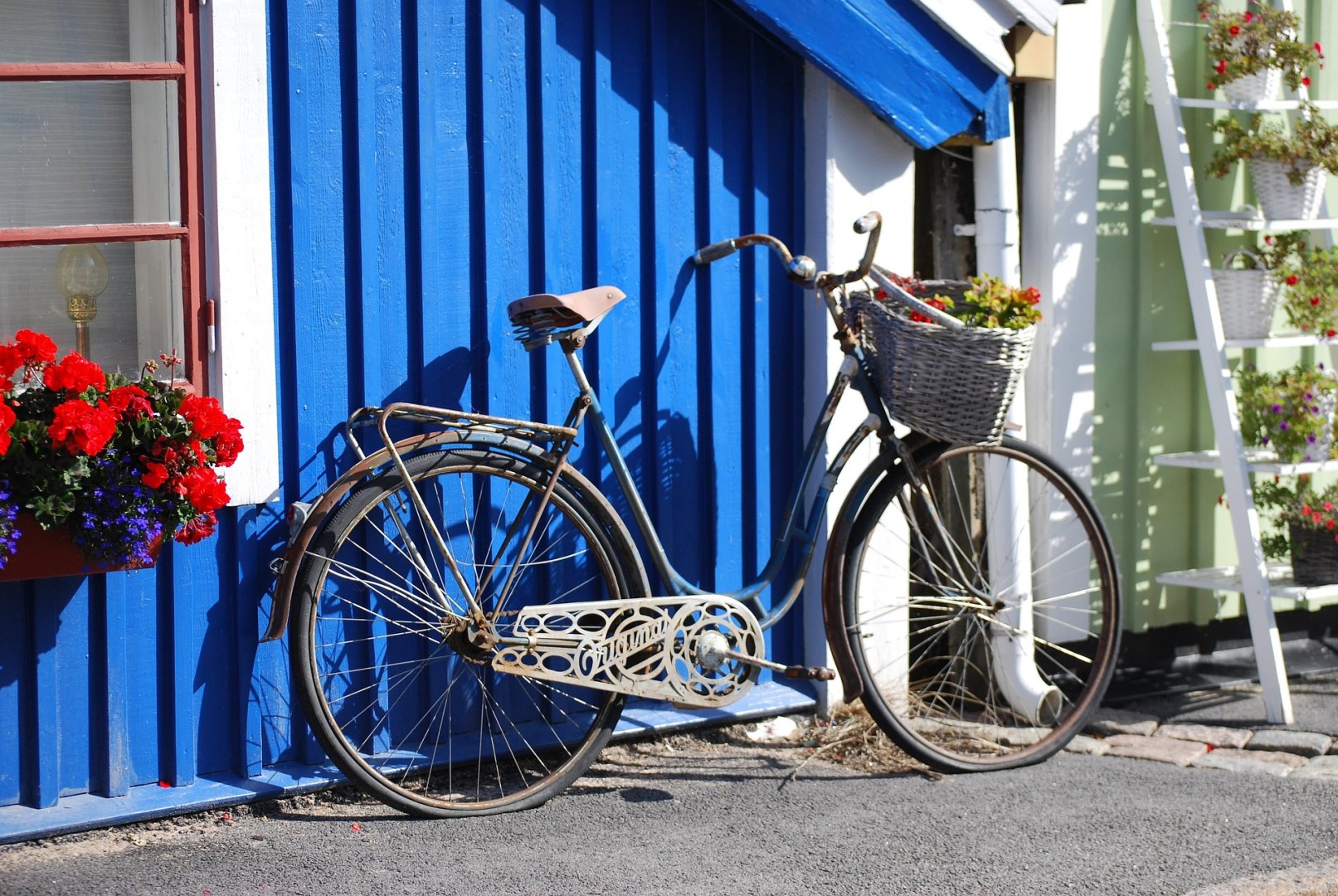
Karlskrona
Karlskrona is a coastal city in southeastern Sweden, spread across islands and peninsulas in the Blekinge archipelago. Founded as a naval base, it was carefully planned around the needs of Sweden’s fleet, and its historic naval environment remains central to the city’s identity. The central island of Trossö contains the main urban district, while nearby islands and waterfronts provide a close connection to the Baltic Sea.
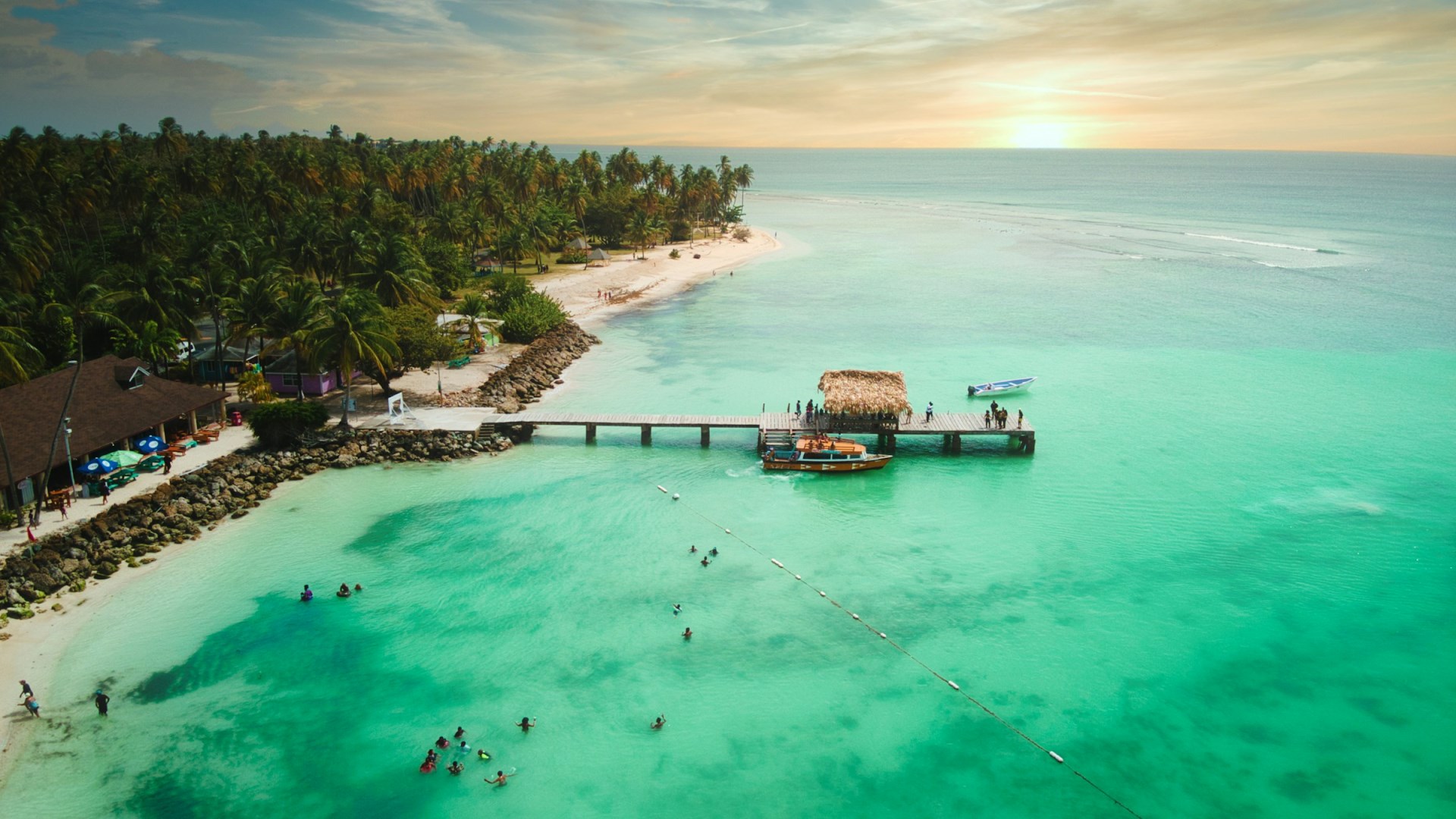
Pigeon Point Beach
Pigeon Point Beach is on the southwestern coast of Tobago, within Pigeon Point Heritage Park near Crown Point. The beach faces the Caribbean Sea and is known for its pale sand, shallow clear water, coconut palms, and the distinctive thatched-roof jetty extending into the bay. The surrounding park contains landscaped areas, walking paths, food stalls, craft vendors, and facilities for visitors.
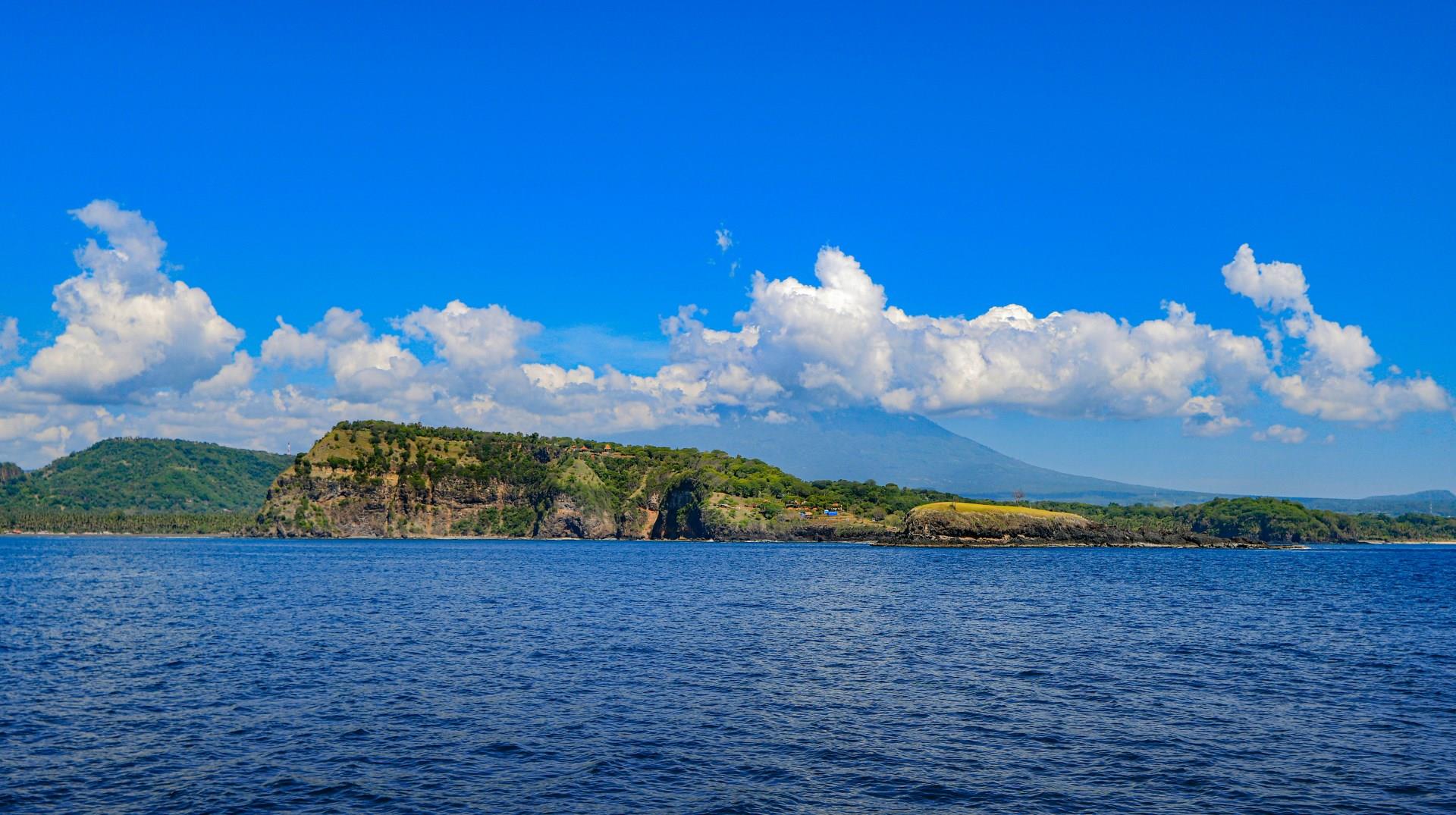
Candi Dasa
Candi Dasa lies along Bali’s quieter east coast, where the village grew around a coastal lagoon once used for ritual and fishing life. Its development has remained low-key compared to southern Bali, and local temples and daily offerings reflect a rhythm shaped more by tradition than tourism.
