
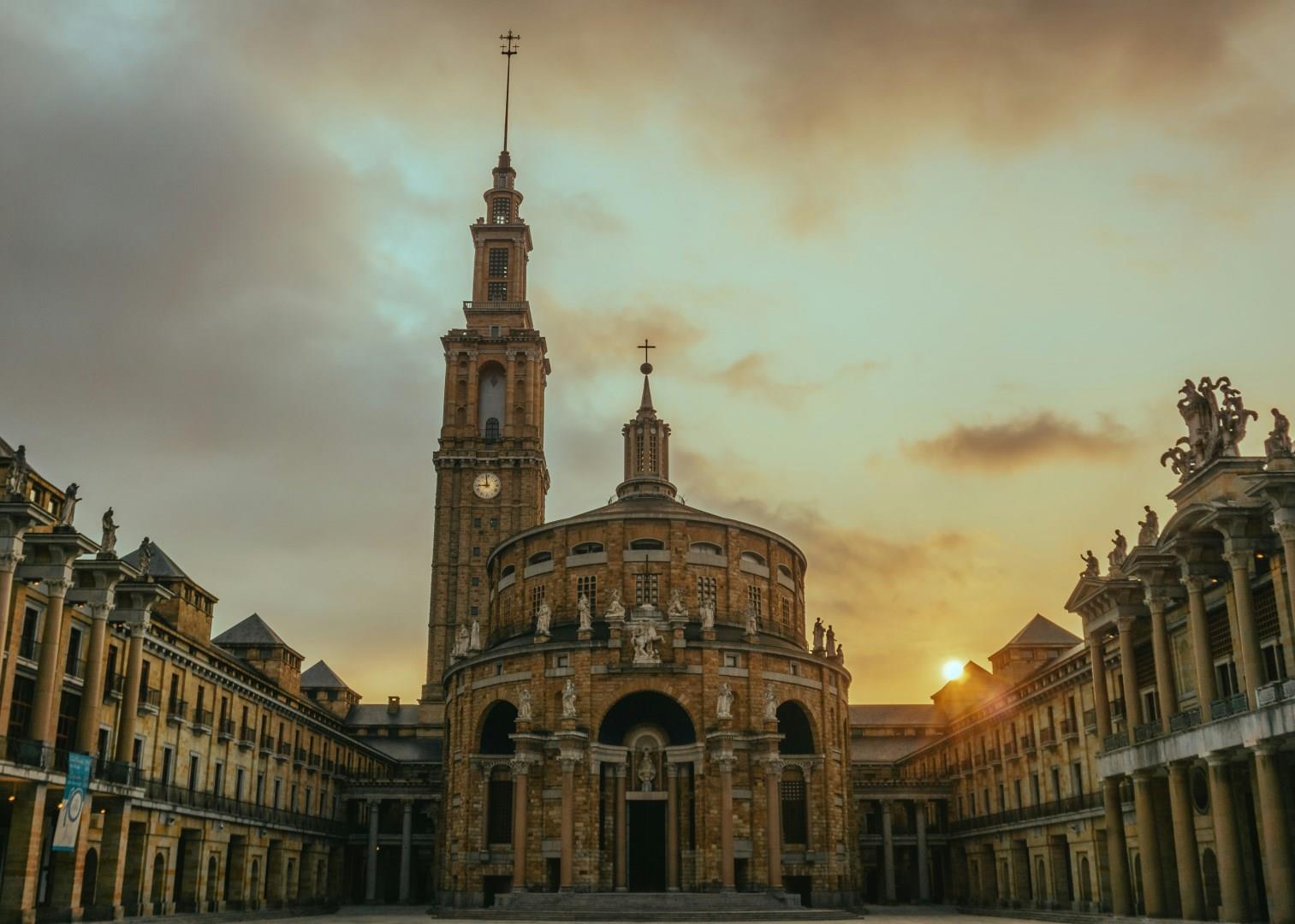
Gijon
Gijón sits on Spain’s northern coast in Asturias, shaped by its long relationship with the Cantabrian Sea. From its origins as a Roman settlement to its later growth as an industrial and port city, Gijón has balanced maritime work with civic life.

Taormina
Taormina, with its hilltop location above the Ionian Sea, is easily one of Italy's most beautiful places. As it's packed with people in the summertime, recommended months to visit include April and September.
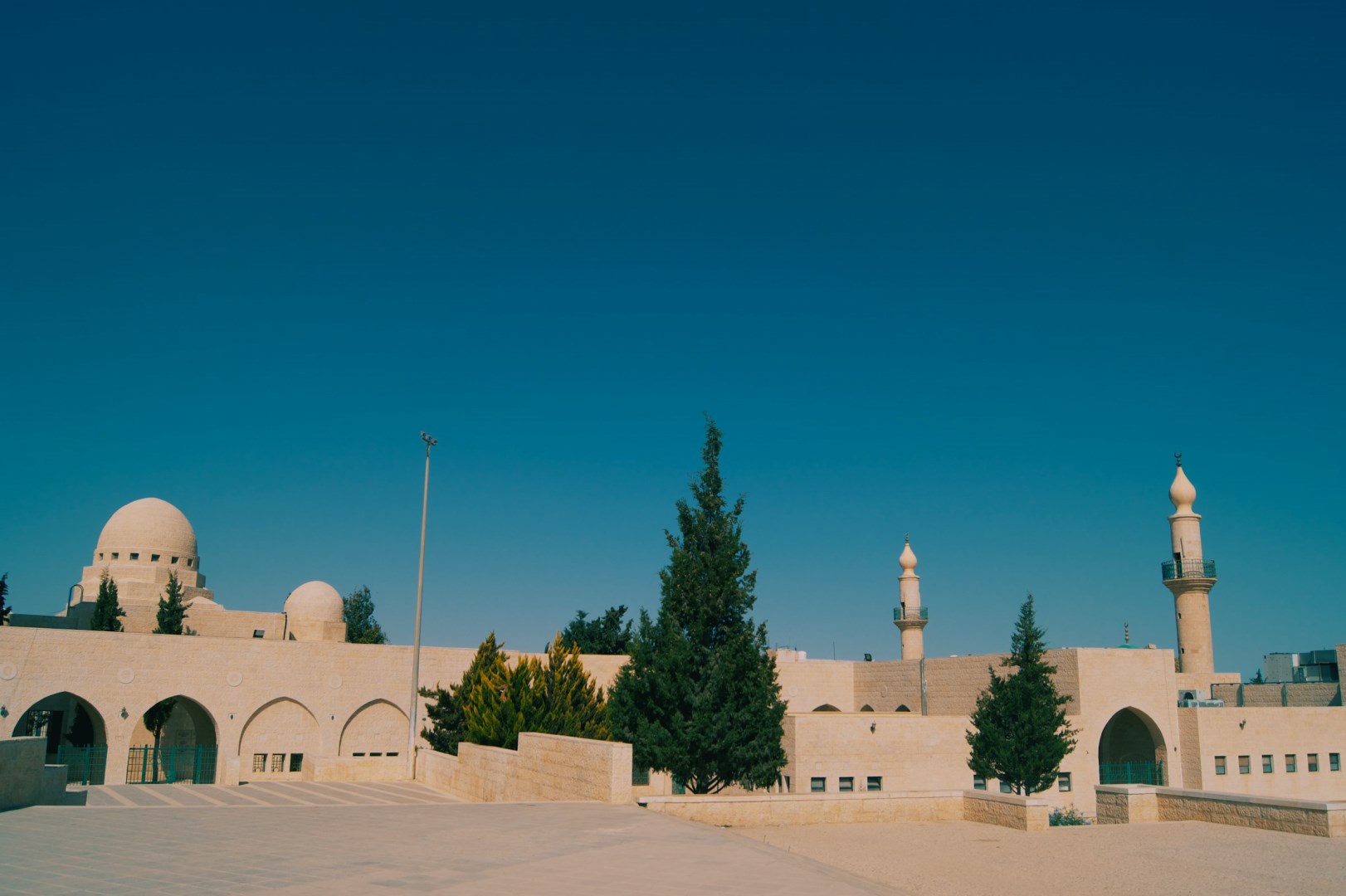
Kerak
Kerak is a fortress town 75 miles (120km) from Amman, and contains one of the two major Crusader castles in the Kingdom. The castle, built to protect the approach to Jerusalem, stands on a craggy plateau 4,300ft above sea level. It was built in the early part of the 12th century and held for 50 years by the Crusaders until they were defeated by Salah al Din (Saladin) in 1189.

Istanbul
Istanbul is a city built on layers of empire. Spanning two continents, it was once the capital of three major empires: Roman, Byzantine, and Ottoman. Visitors walking through the Sultanahmet district can witness this timeline firsthand, from the Roman-era Hippodrome to the Byzantine mosaics of Hagia Sophia, and the towering minarets of the Blue Mosque. At nearby Topkapi Palace, rooms still display the jeweled swords, ceremonial robes, and handwritten Qurans once used by Ottoman sultans.

Manila
Manila is the capital of the Philippines and a densely built city on the eastern shore of Manila Bay. It serves as a major center for government, commerce, education, and the arts, while its neighborhoods reveal different layers of Filipino life. The Pasig River connects the city to the wider metropolitan area, and the waterfront remains an important part of its setting. Manila is especially known for Intramuros, the walled historic district at the heart of the city.
