

Mâcon
Mâcon is a riverside town in the Saône et Loire department of southern Burgundy, set where the Saône River curves gently through the countryside. Walking through the town naturally leads visitors from the riverfront toward its historic streets, where the past seems to linger in every corner. In the heart of Mâcon’s historic district, pedestrians find streets lined with notable sites.
County Kerry
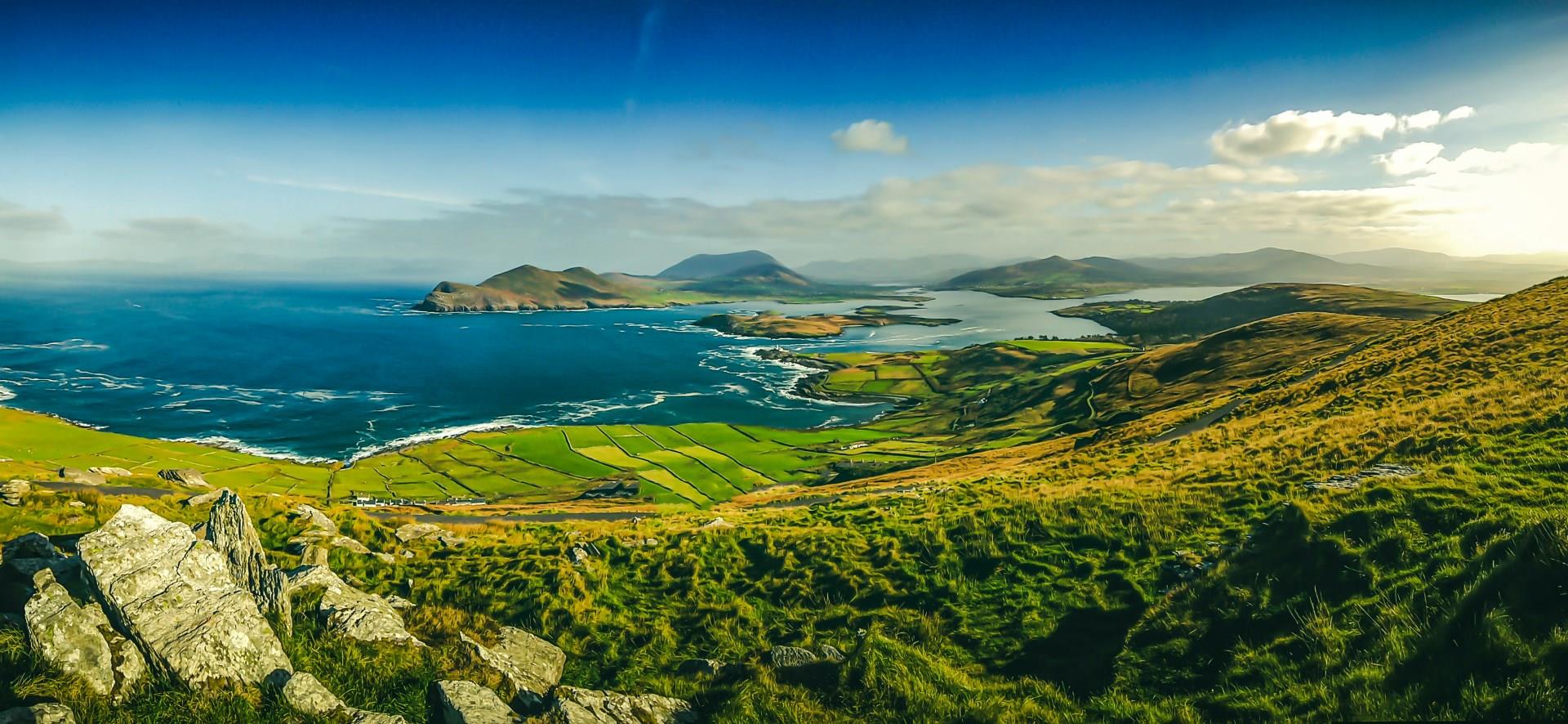
County Kerry, located in Ireland’s southwest corner, is a landscape of dramatic contrasts, where rugged mountains meet serene lakes and Atlantic waves crash against wild peninsulas. Known as “The Kingdom,” Kerry holds deep cultural and historical significance, with ancient ring forts, medieval monasteries, and Gaelic traditions that endure in everyday life.
Kaohsiung
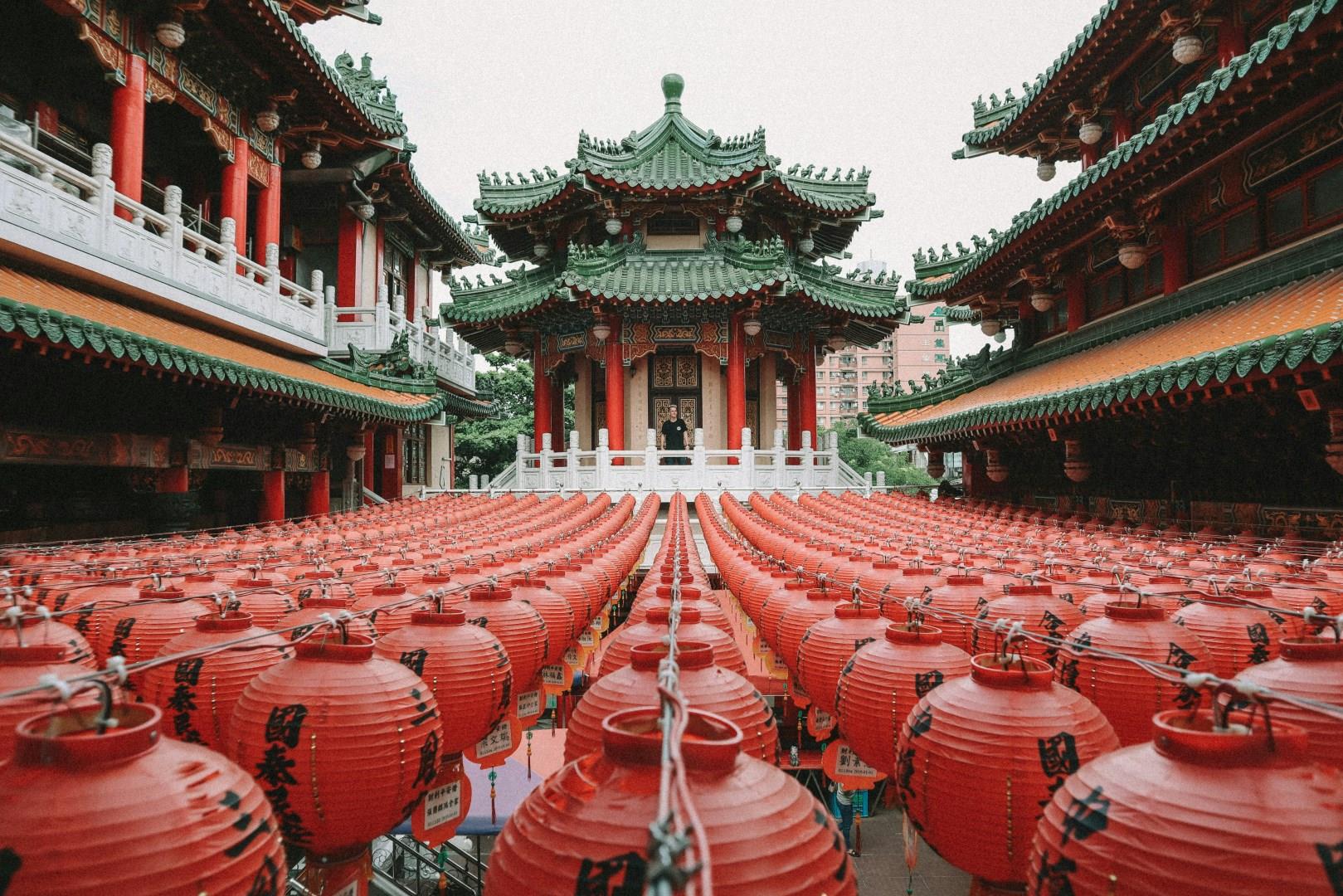
Kaohsiung sits on Taiwan’s southern coast and rises from one of the island’s busiest harbors into a city that rewards slow exploration and lively discovery. History and local belief surface at the Dragon and Tiger Pagodas beside Lotus Pond in Zuoying District. These twin pagodas that are connected to the shore by a zigzag bridge, invite visitors to walk through the dragon’s mouth and out the tiger’s, a practice locals associate with turning bad luck into good fortune.
Aarhus
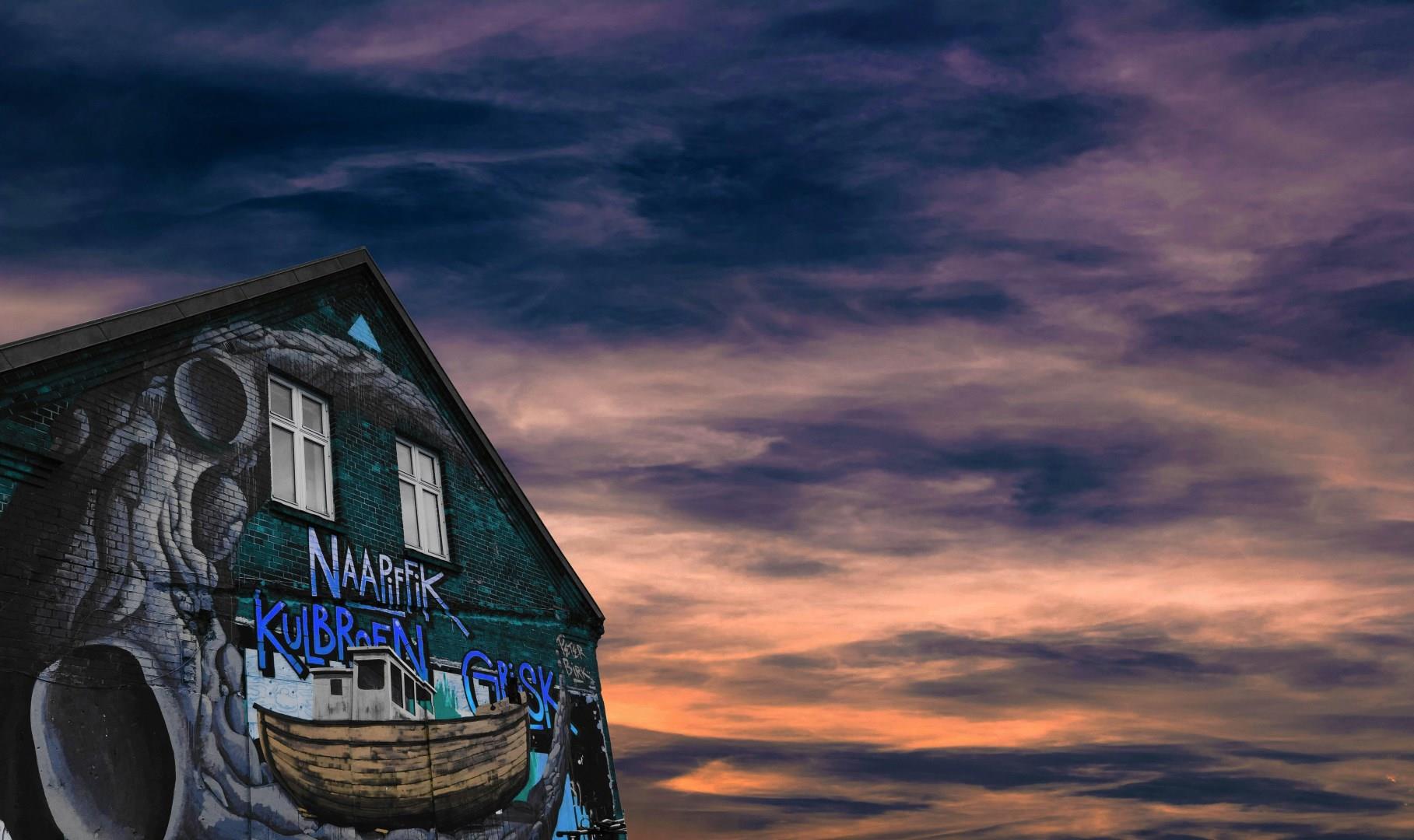
Aarhus, Denmark's second-largest city, offers a captivating blend of historical charm and modern vibrancy. Founded in the 8th century, Aarhus boasts a rich history that visitors can explore at the Old Town Museum, an open-air museum that recreates Danish life through the ages with its historical buildings and interactive exhibits. The city's medieval roots are also visible in the well-preserved Aarhus Cathedral.

Costa Rica
Costa Rica is a country that has built its identity around both natural preservation and cultural vibrancy. Known for its stable democracy and emphasis on sustainability, it has become a global leader in eco-tourism.
