
Erfurt
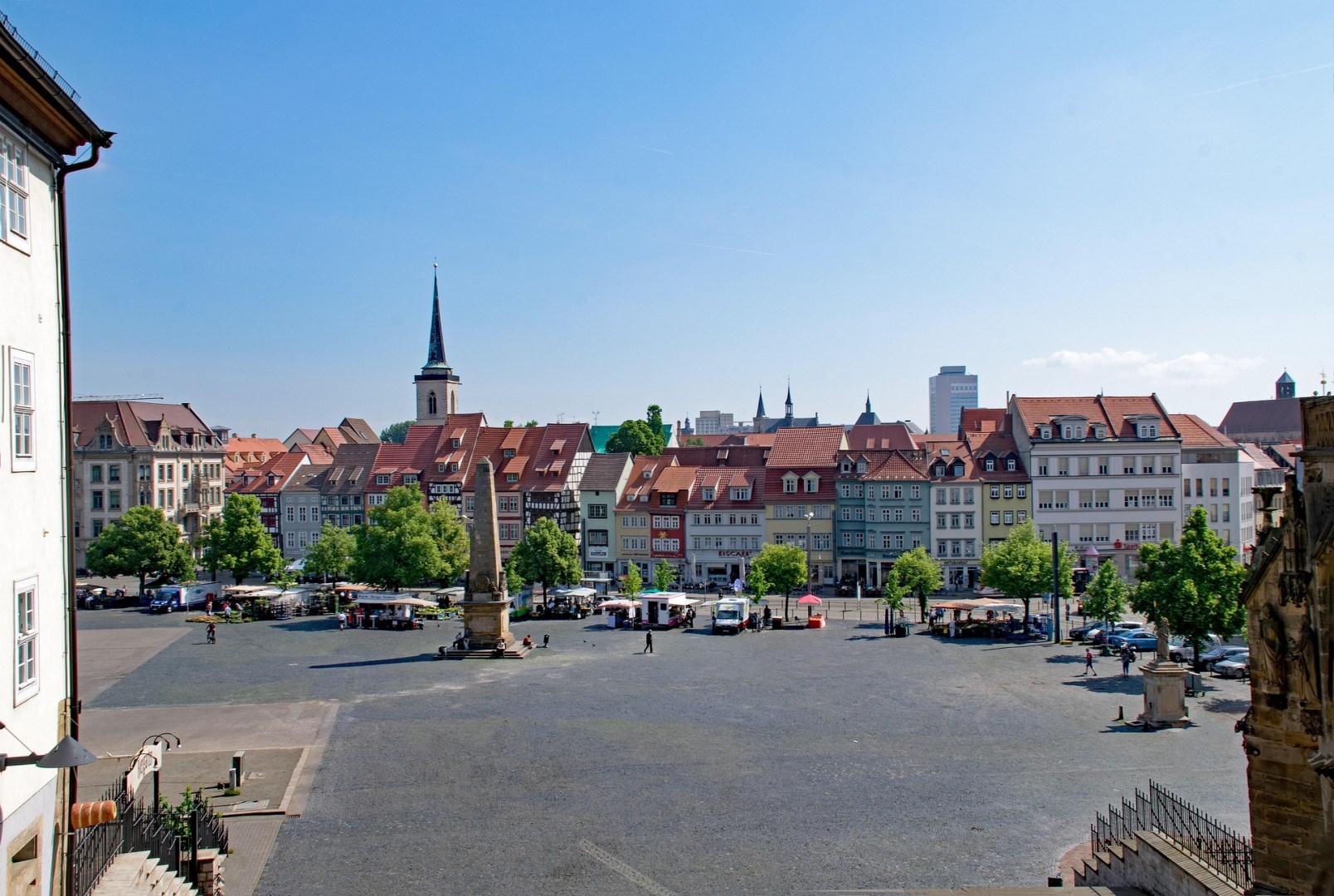
The skyline of Erfurt is shaped by dozens of churches, monasteries, and convents thrusting their pointed steeples upward to the sky. In the Middle Ages, Erfurt was known as "Thuringian Rome" because of its religious orders. The impressive twin churches on the Domberg (Cathedral Hill), the Roman Catholic St. Mary's Cathedral (14th century) and the Roman Catholic Parish church St. Severus with a flight of 70 outdoor steps leading from the Cathedral Square up the hill to the churches.
Congaree National Park
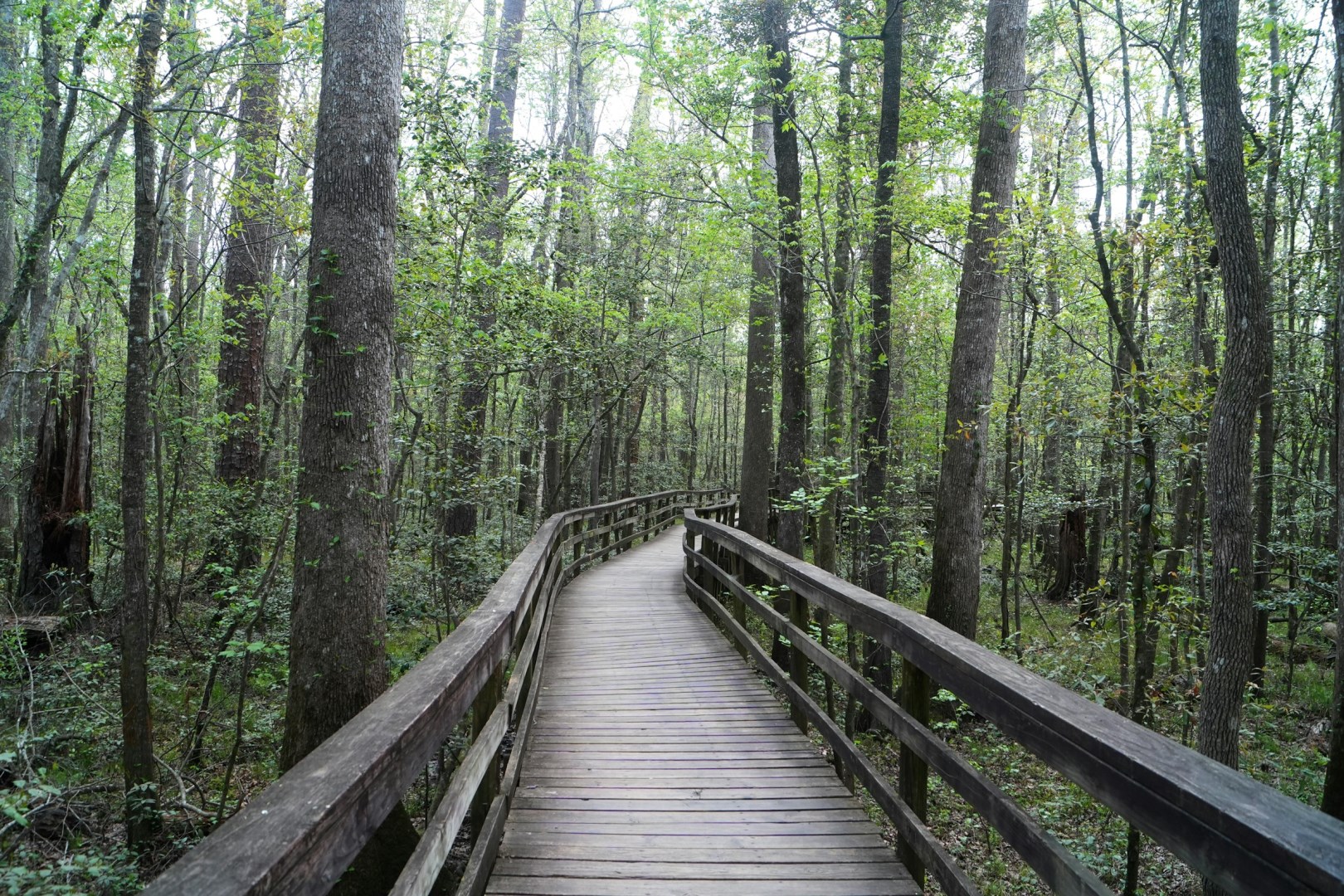
Imagine standing in complete stillness as thousands of tiny lights blink in perfect harmony around you. Every spring in Congaree National Park, this bioluminescent ballet plays out under the forest canopy. This is nature’s very own light show, and it lasts only two magical weeks. Time your visit right, and you’ll be part of a glowing experience few ever witness.

Newport
Newport, Rhode Island, is a charming coastal city steeped in history and elegance. Often referred to as the "Sailing Capital of the World," Newport offers stunning seaside views, rich colonial heritage, and Gilded Age grandeur. Stroll along the famous Cliff Walk, a 3.5-mile path that weaves between the crashing waves of the Atlantic Ocean on one side and the opulent Newport mansions on the other.
Portugal
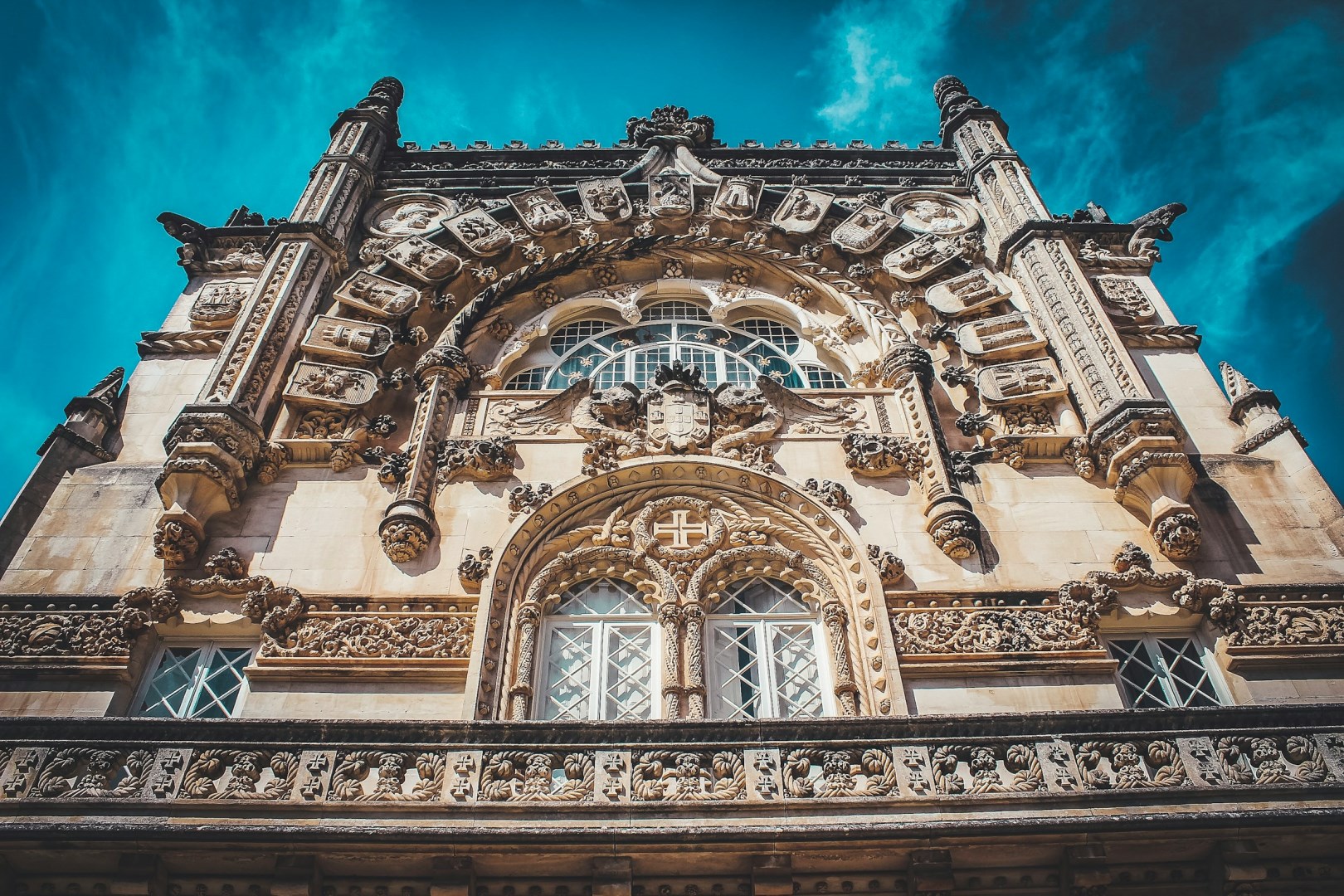
Portugal offers a layered experience shaped by maritime history, deep-rooted traditions, and a coastline that stretches for nearly 1,800 kilometers. In Lisbon, the streets of Alfama wind uphill toward São Jorge Castle, where views of red-tiled rooftops and the Tagus River reveal how the city was rebuilt after the 1755 earthquake. Trams still clatter through narrow streets, and fado music, often performed in candlelit taverns, tells stories of longing and the sea.
Te Anau
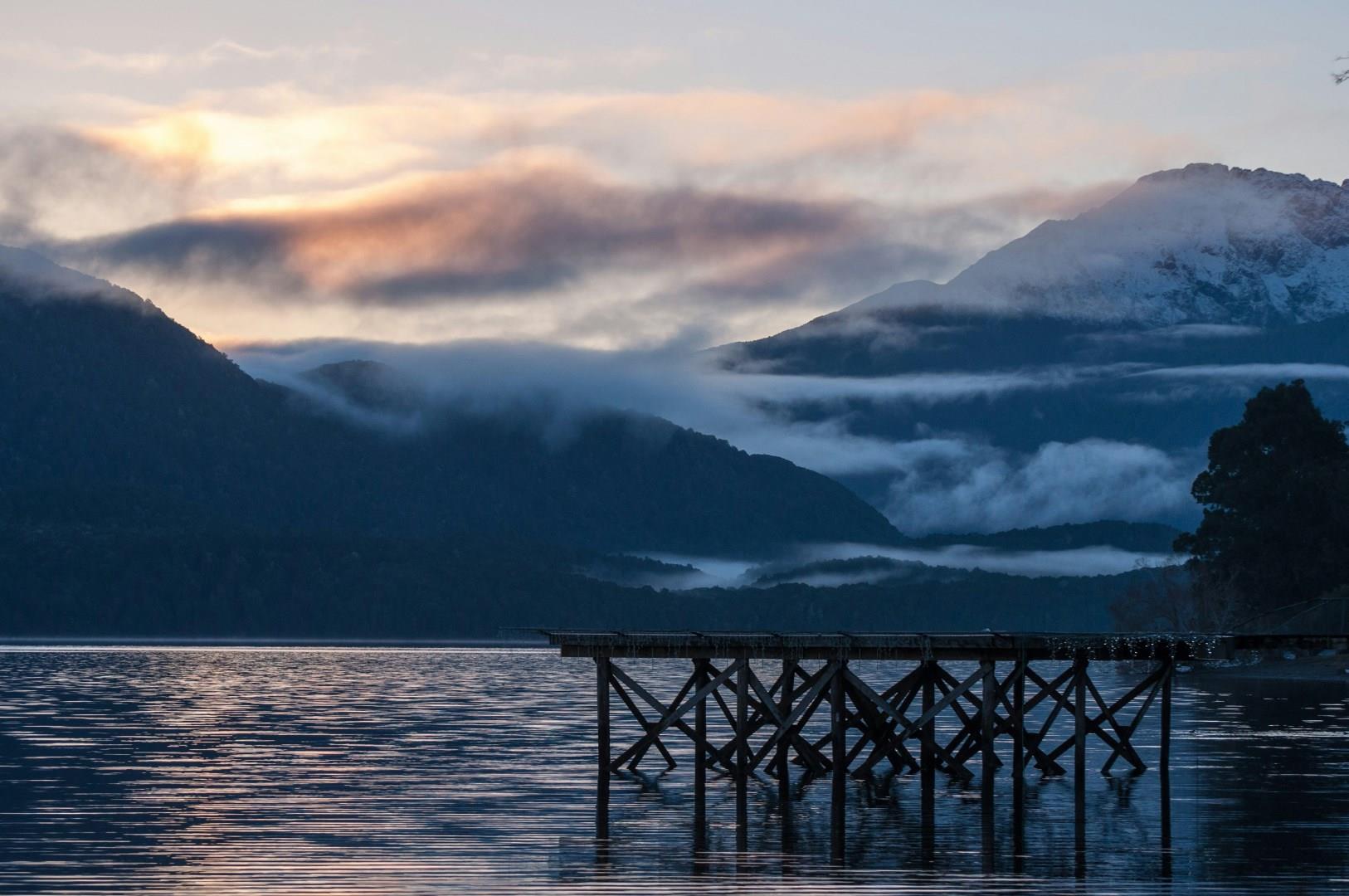
Te Anau sits on the edge of New Zealand’s second-largest lake, acting as the unofficial gateway to Fiordland National Park. While it’s often viewed as a starting point for trips to Milford Sound, the town itself offers a slower, more scenic way to experience the South Island’s dramatic landscapes. Te Anau’s lakefront is a mix of walking paths, local birdlife, and wide-open views across snow-dusted peaks.
