

Annecy
Nestled between the pristine waters of Lake Annecy and the towering French Alps, Annecy is a charming gem in southeastern France that offers visitors a unique blend of history, natural beauty, and alpine allure. Often referred to as the "Venice of the Alps" due to its network of canals that wind through the old town, Annecy captivates with its cobbled streets, pastel-colored houses, and flower-adorned bridges.

Capri
Capri, a jewel of the Tyrrhenian Sea, has long been a favorite retreat for emperors, artists, and writers. This enchanting island off Italy's Amalfi Coast captivates with its dramatic cliffs, turquoise waters, and timeless elegance. The most iconic sight on Capri is the Blue Grotto, a sea cave illuminated by a magical blue light created by sunlight passing through an underwater cavity.
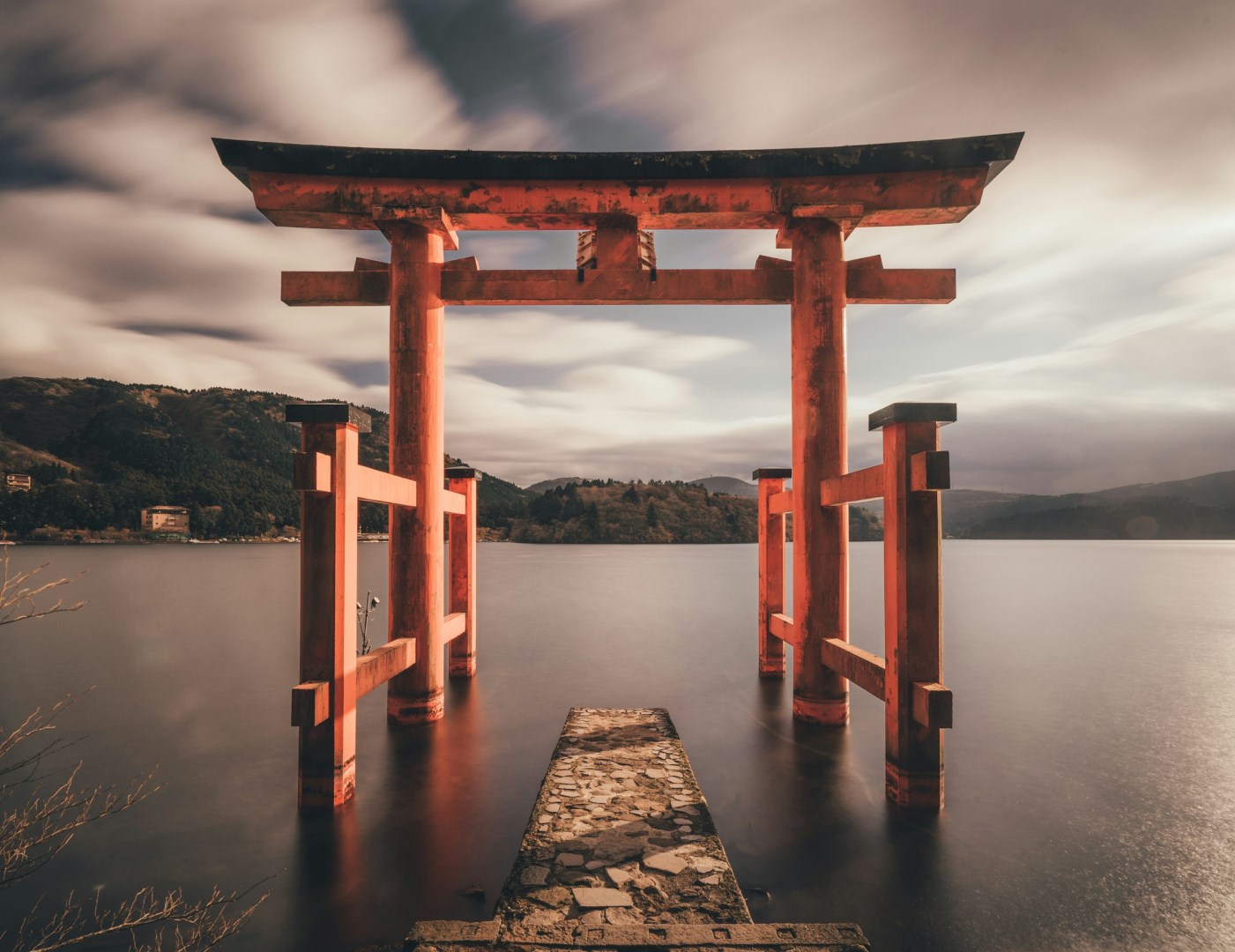
Hakone
Nestled in the mountains just 90 minutes from Tokyo, Hakone has long been a retreat for travelers seeking both quiet and culture. Once a crucial checkpoint on the historic Tōkaidō road between Edo and Kyoto, Hakone is still shaped by centuries of history. The reconstructed Hakone Sekisho (Hakone Checkpoint) offers a glimpse into the Edo Period, when travelers were inspected by samurai guards before continuing on their journey.

Ghana
Ghana, located along West Africa’s Gulf of Guinea, offers a rich blend of cultural heritage and history.

Melbourne
A vibrant cultural center in the land “Down Under,” Melbourne, Australia will entice you with its aromatic cafés, lush nature parks, immersive museums, and dedication to the arts.
