
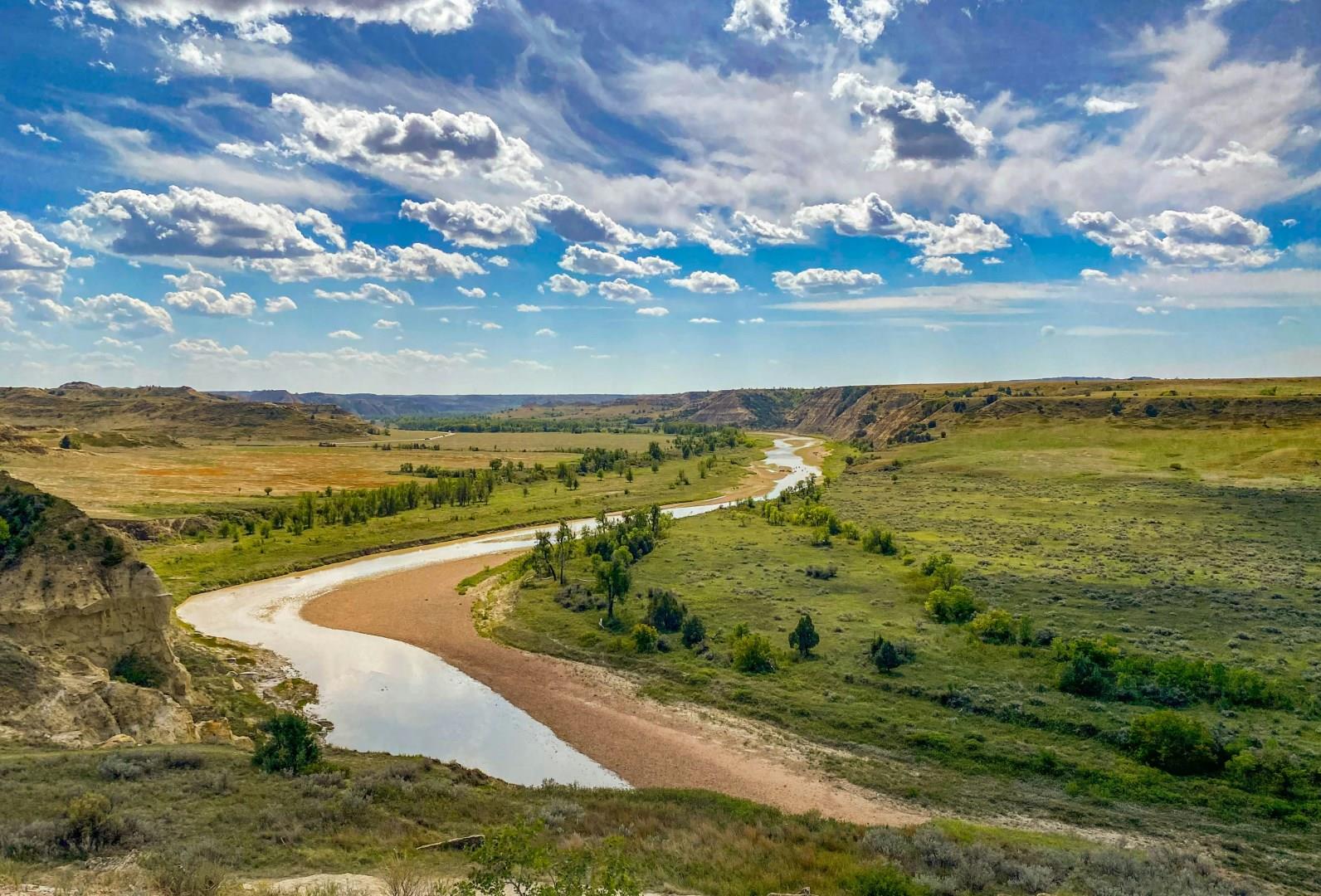
Theodore Roosevelt National Park
Theodore Roosevelt National Park, tucked into the rugged badlands of western North Dakota is where a young Theodore Roosevelt came to recover after the loss of his wife and mother in the same day. He bought a ranch, rode the open plains, and found the resolve that would later define his presidency. Today, the park named in his honor preserves that same wild spirit. Visitors can still see Roosevelt’s original Maltese Cross Cabin near the park's entrance and walk trails he once rode on horseback.
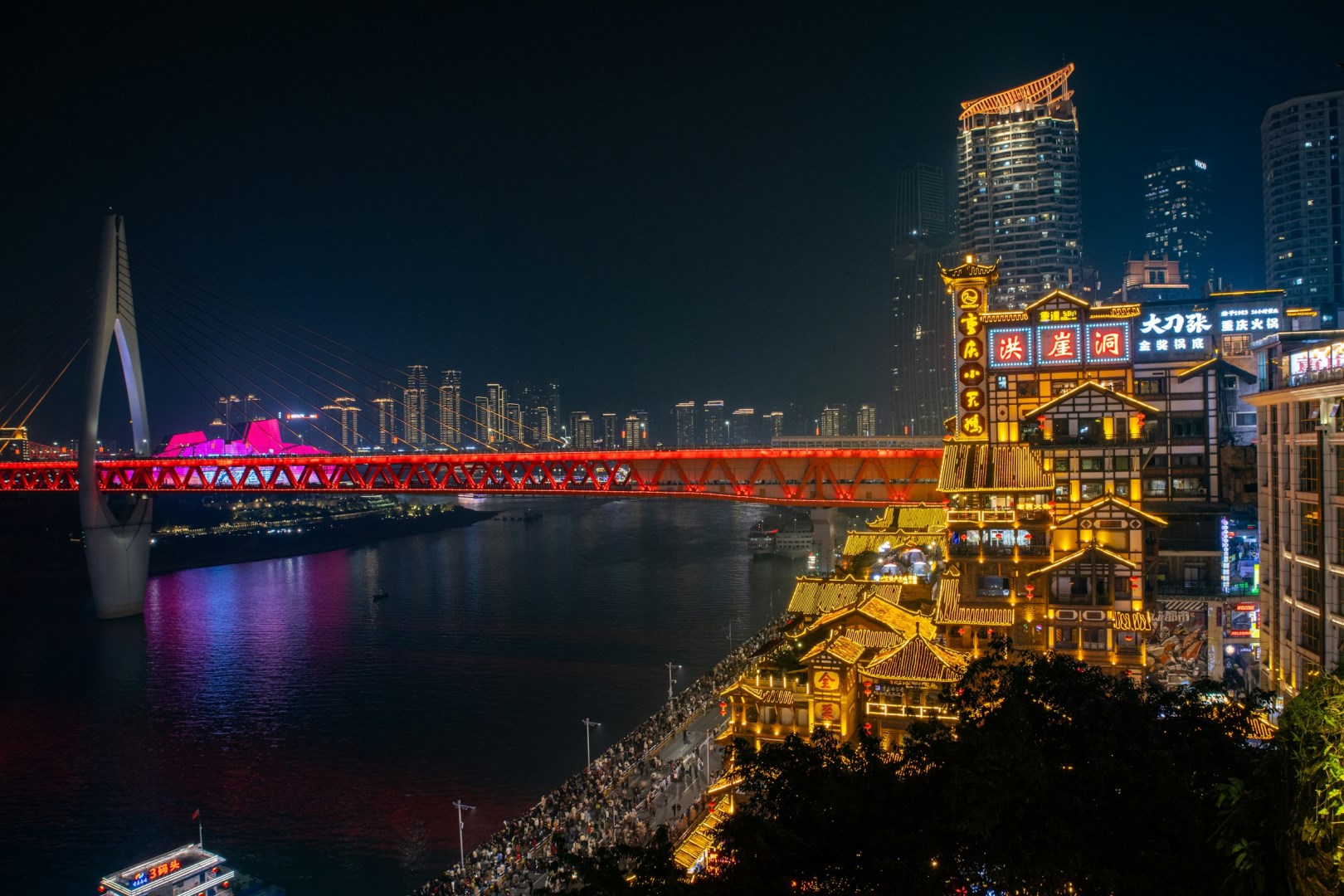
Chongqing
The largest city in Sichuan Province and a port-of-call on the Yangtze River. Located at the heart of where the Jialing and Yangtze Rivers meet, this beautiful combination of ancient and modern will take your breath away.
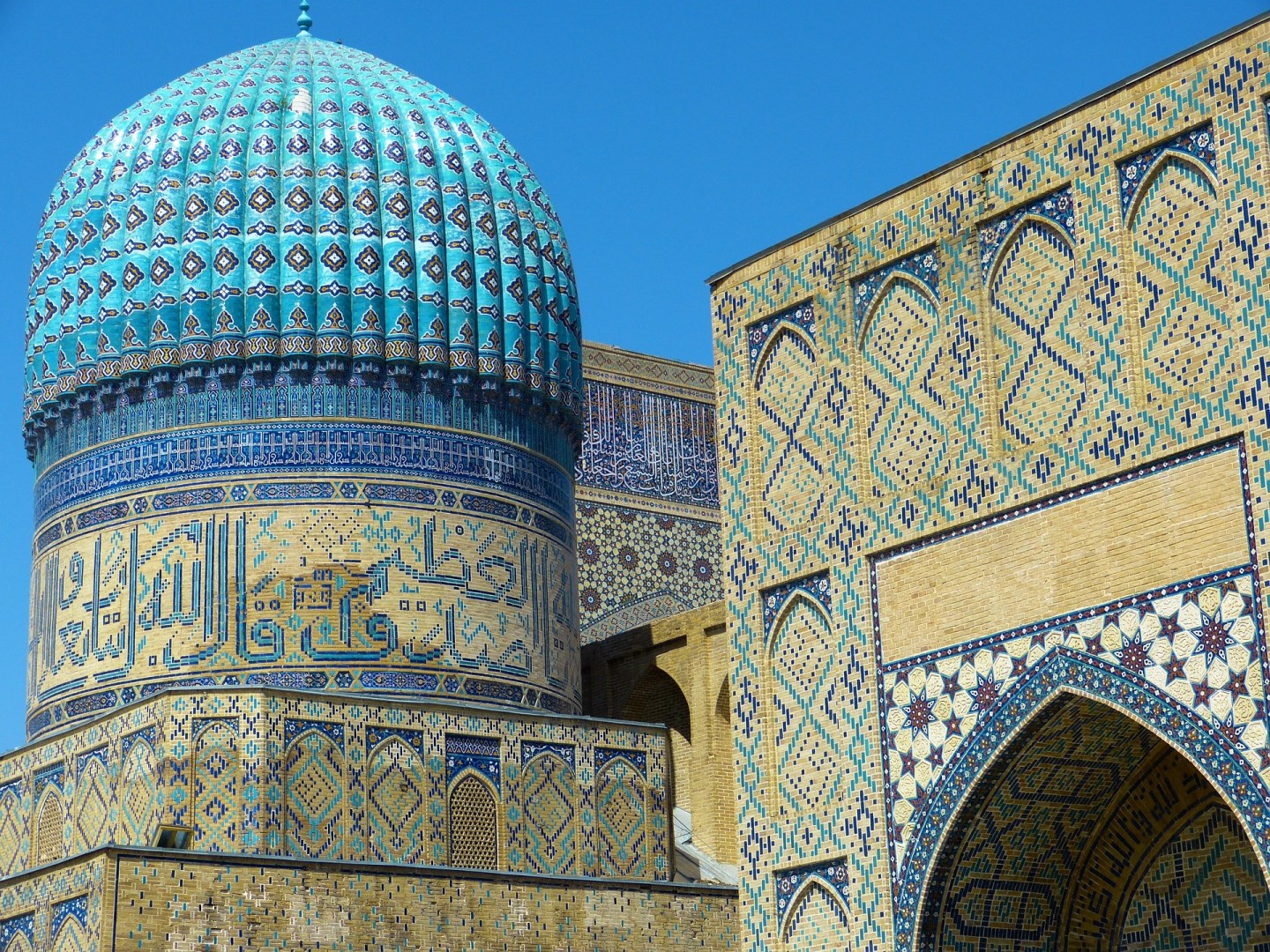
Samarkand
Samarkand is one of Central Asia’s most storied cities, famed for its role as a crossroads of culture, science, and trade along the Silk Road. The heart of the city is the Registan, a grand square framed by three ornate madrasas decorated with vivid mosaics, intricate tilework, and soaring arches.
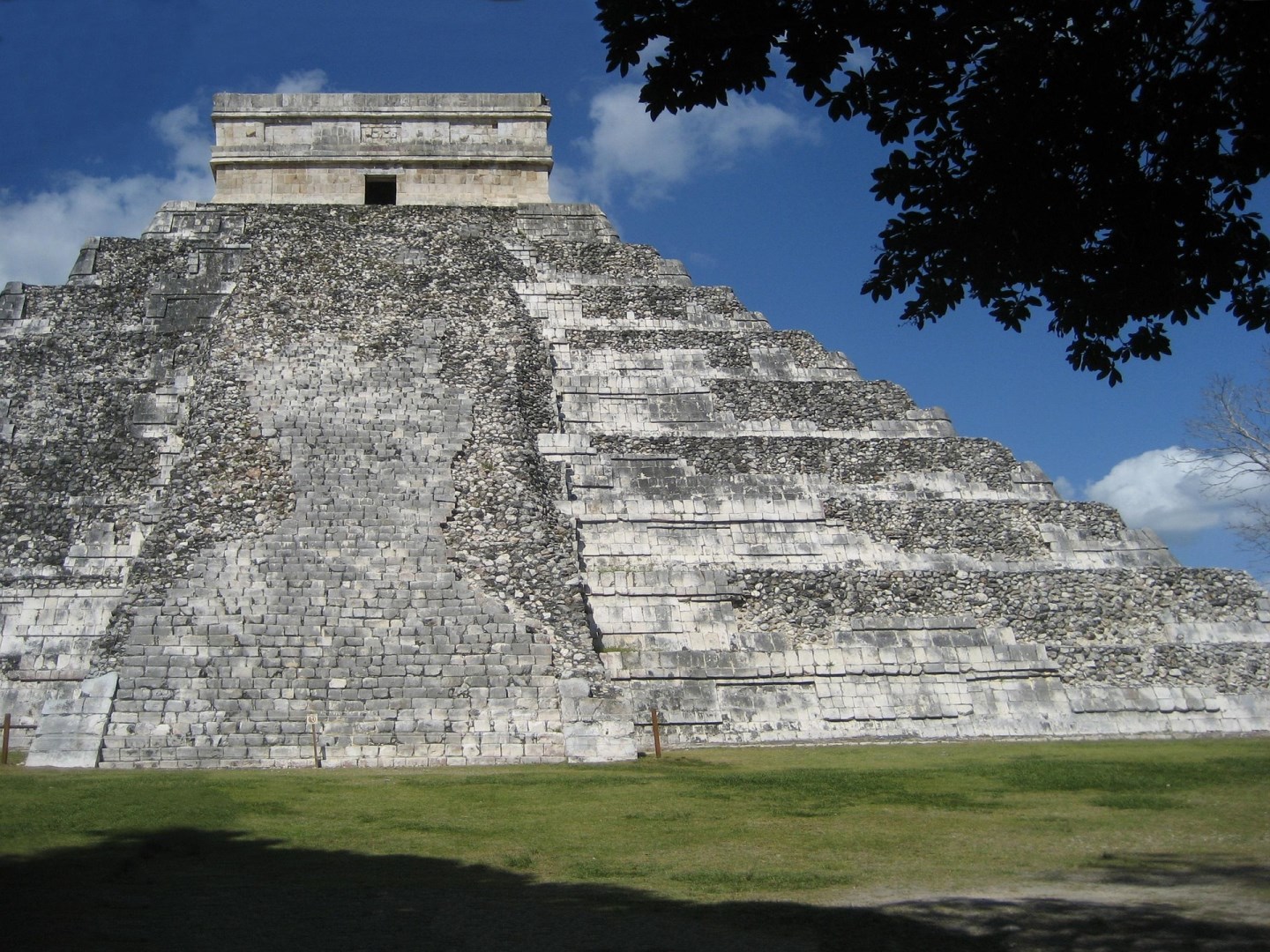
Chichén Itzá
Located on the Yucatan Peninsula of Mexico, Chichen Itza is the site a well preserved Mayan ruins, including several large pyramid structures and more.
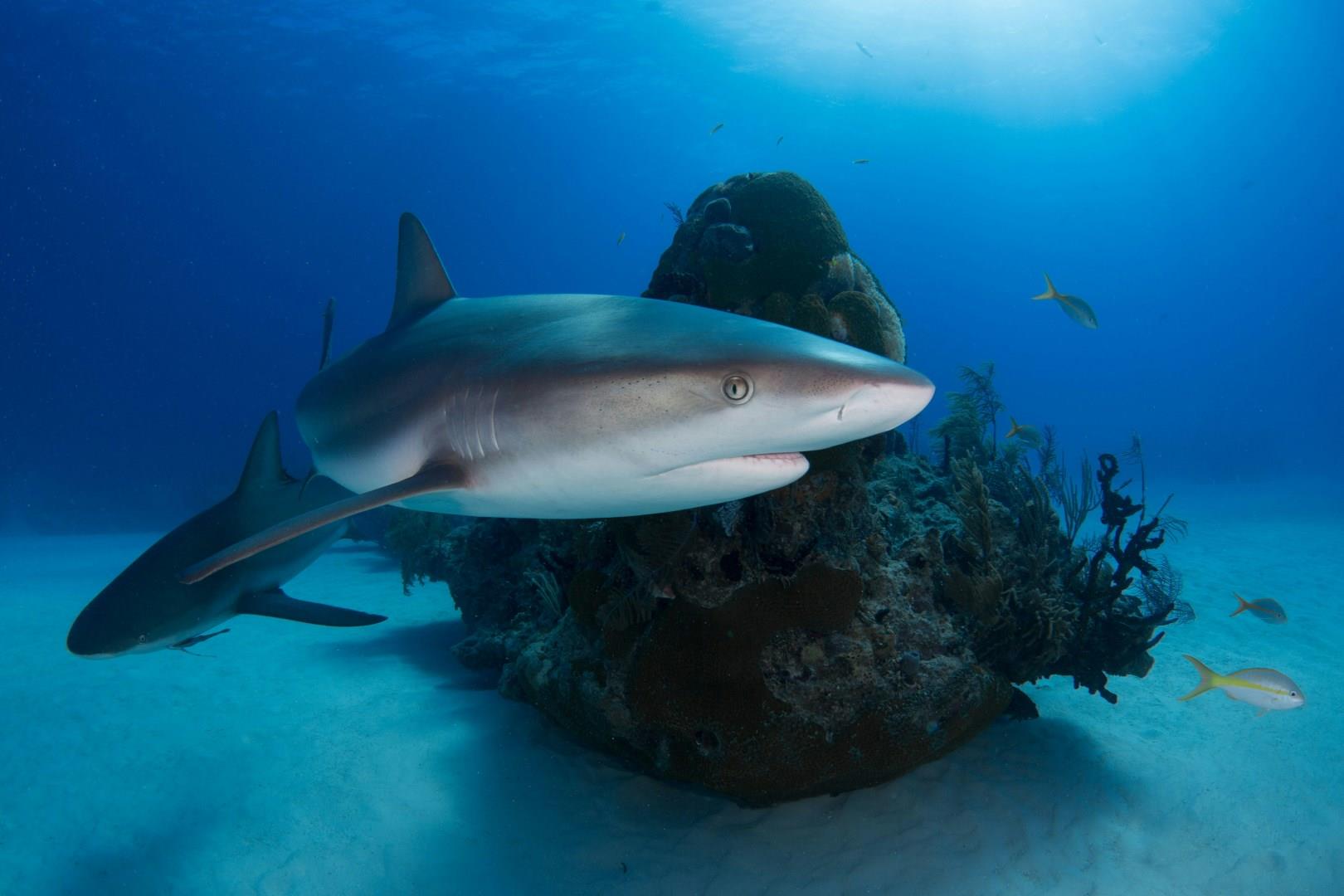
Grand Bahama Island
One of the most beautiful islands in the Bahamas, Grand Bahama Island is home to the renowned capitol city of Freeport/Lucaya. Grand Bahama Island offers lovely beaches, three national parks, a variety of natural wonders including an extensive system of underwater caves, and a vast array of marine life. The towns on the island range from the small and peaceful to the resort-filled city with its casinos and Bahamas entertainments.
