

Dominica
Dominica, known as the “Nature Island of the Caribbean,” is a haven for eco-tourists and adventure seekers. Nestled between the French islands of Guadeloupe and Martinique, this lush island boasts a remarkable landscape of volcanic mountains, dense rainforests, and stunning waterfalls. Dominica’s most iconic natural wonder is the Boiling Lake, the second-largest hot spring in the world.
Khartoum
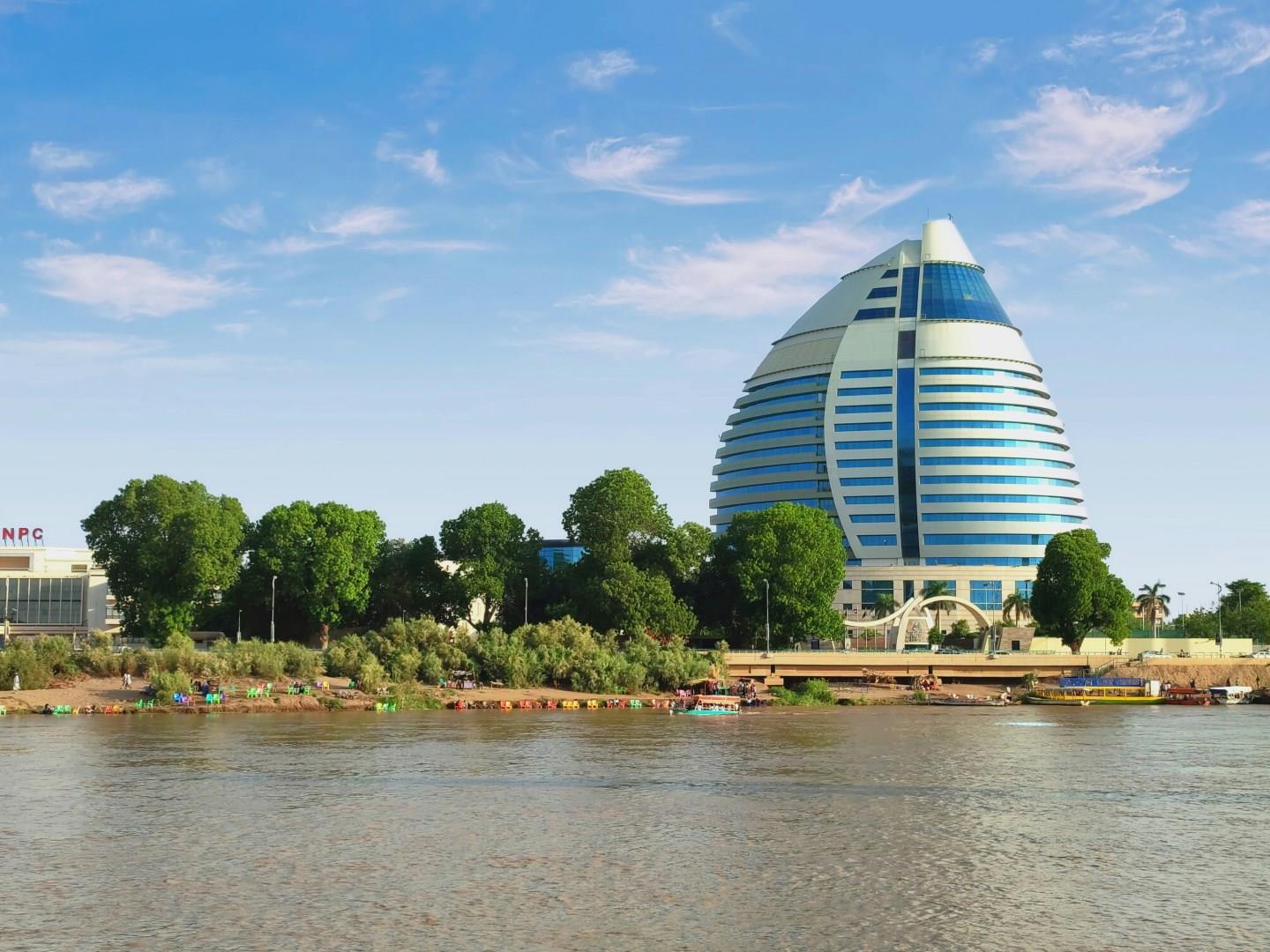
Khartoum, the capital of Sudan, sits where the Blue and White Nile rivers meet, creating a unique landscape of waterways, islands, and riverbanks.
Salalah
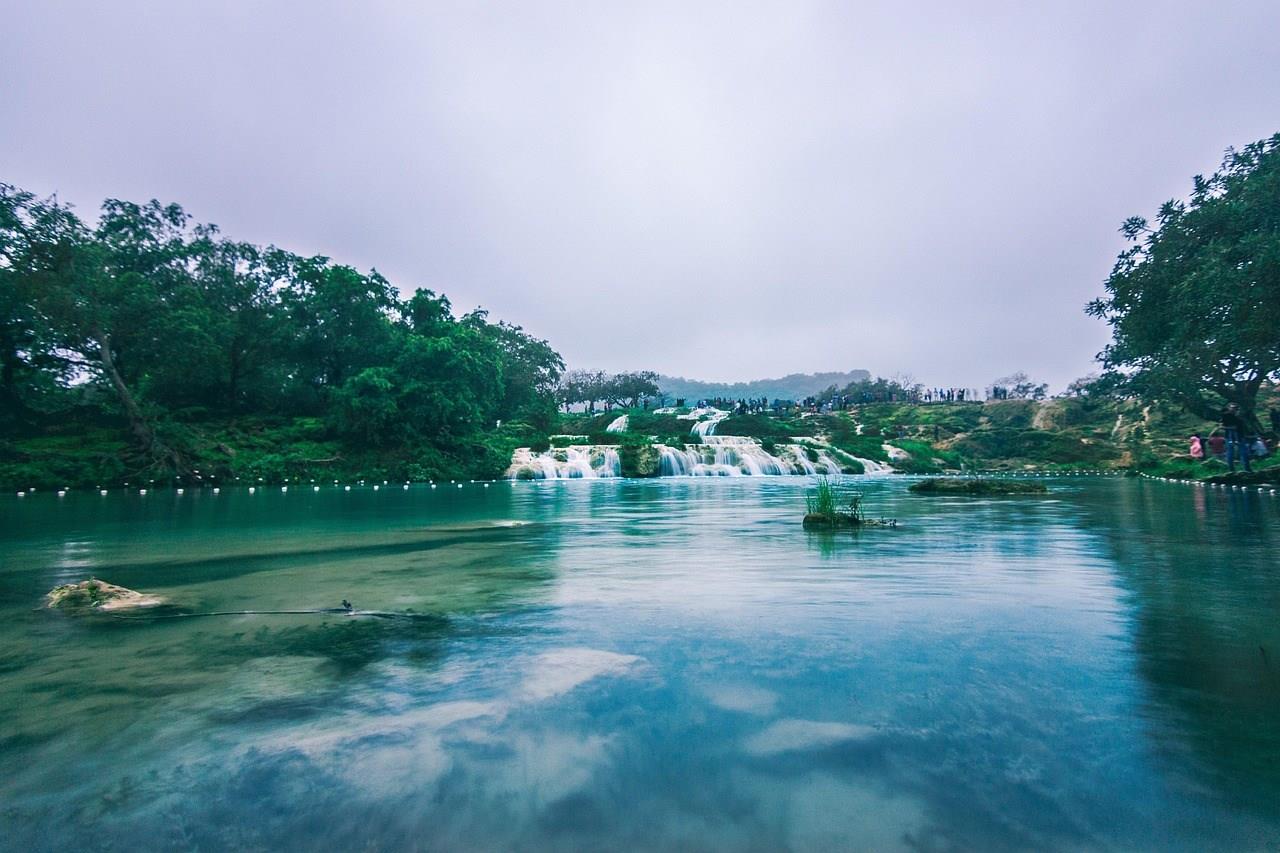
Salalah stands out with its rare blend of desert and tropical appeal. Unlike much of the Arabian Peninsula, this coastal city is transformed by the seasonal Khareef (monsoon), turning the landscape lush and green between June and September.
Telluride
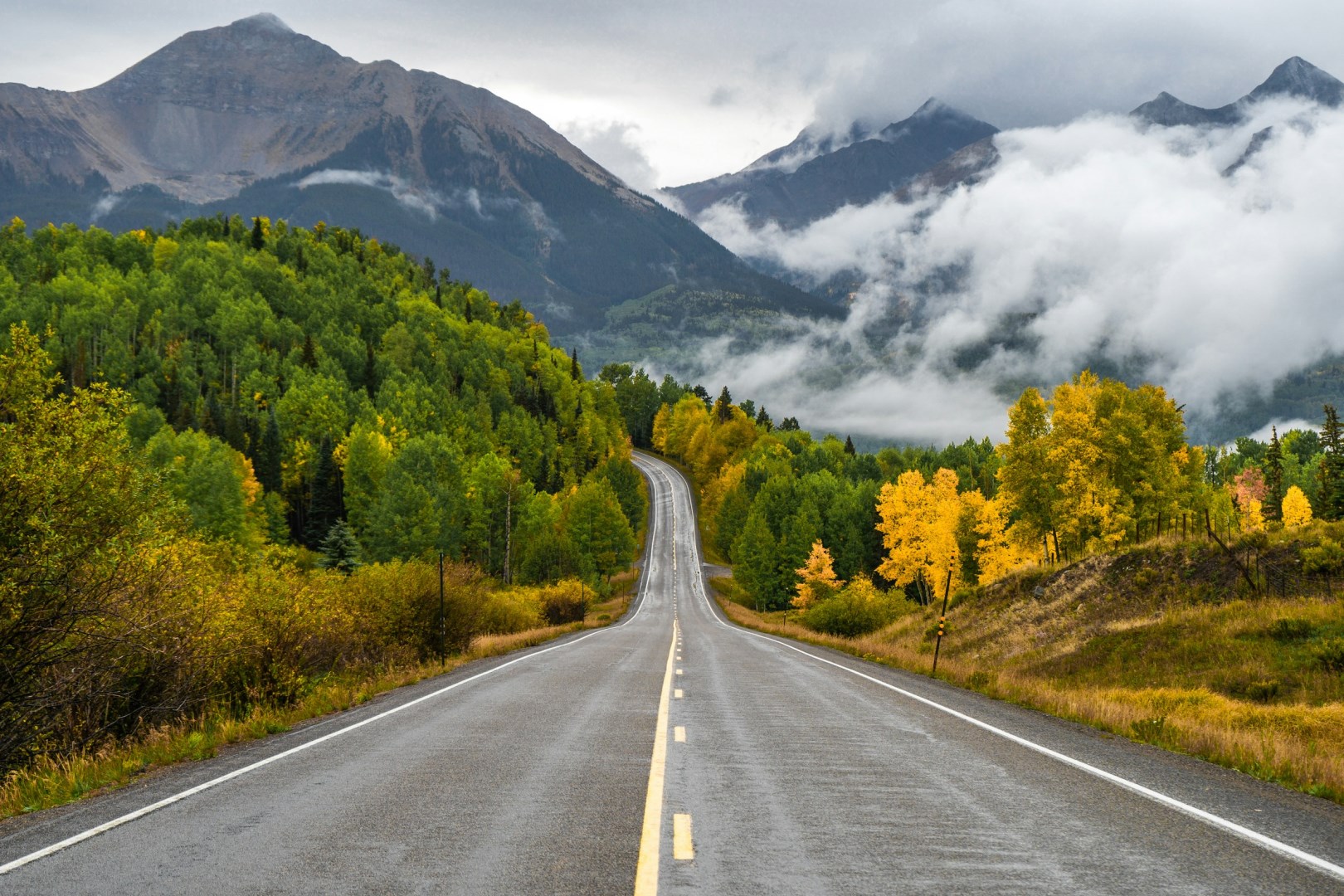
"The prettiest place you'll ever ski!" Telluride's historic charm vies with its dramatic backdrop to provide that perfect combination of excellent skiing plus the flavor and hospitality of an Old West town. With partially groomed slopes, Telluride pleases both black diamond and blue square skiers on the same run!

Dijon
Dijon is the capital of the Burgundy region in eastern France and a city renowned for its rich history, architectural beauty, and, of course, its world-famous mustard. With the city's origins dating back to Roman times, Dijon boasts an impressive array of historical sites, including the Église Notre-Dame and Palais des Ducs, one of France's most outstanding museums of fine arts.
