

Çanakkale
The city of Canakkale lies at the narrow, 1,200 meter entrance to the Canakkale Strait that connects the Sea of Marmara and the Aegean. To honor the 500,000 soldiers who lost their lives at Gelibolu (Gallipoli), the peninsula was made into Gelibou Historical National Park.
Manitoba
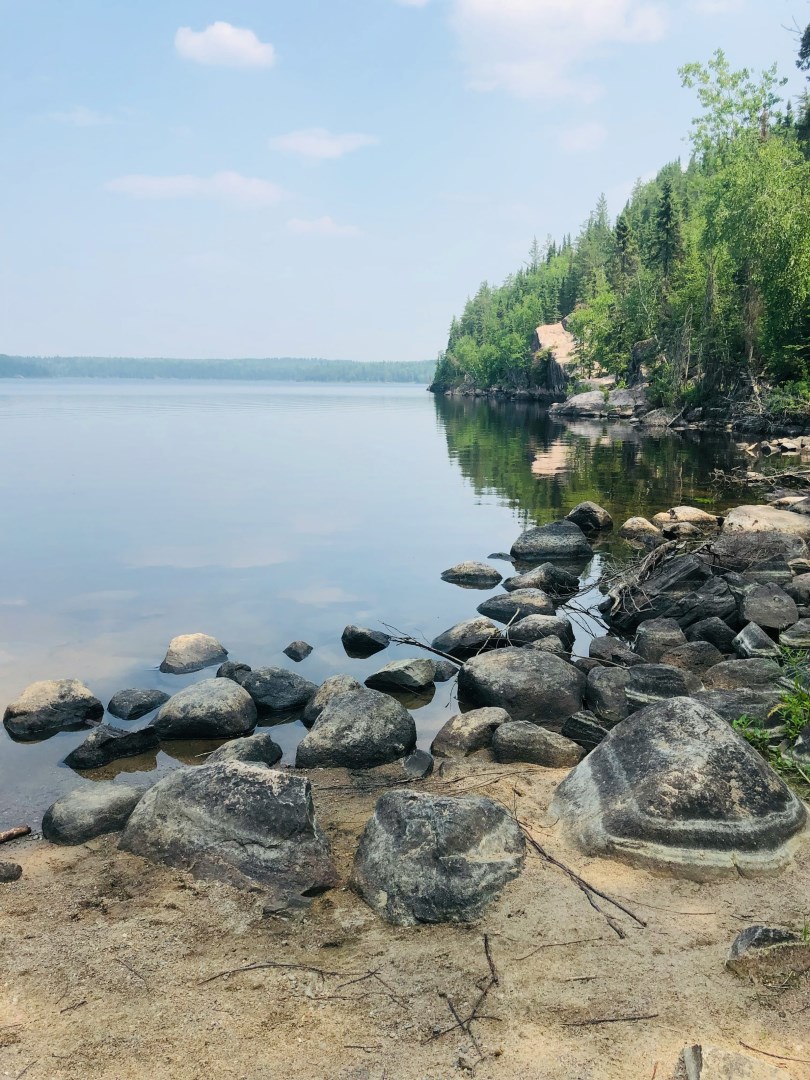
Winnipeg is Manitoba's capital, and its total area equals 250,999 sq. miles. The northern half of the province has dense forests, and mineral-rich soil, while the southern half produces wheat.
Plovdiv
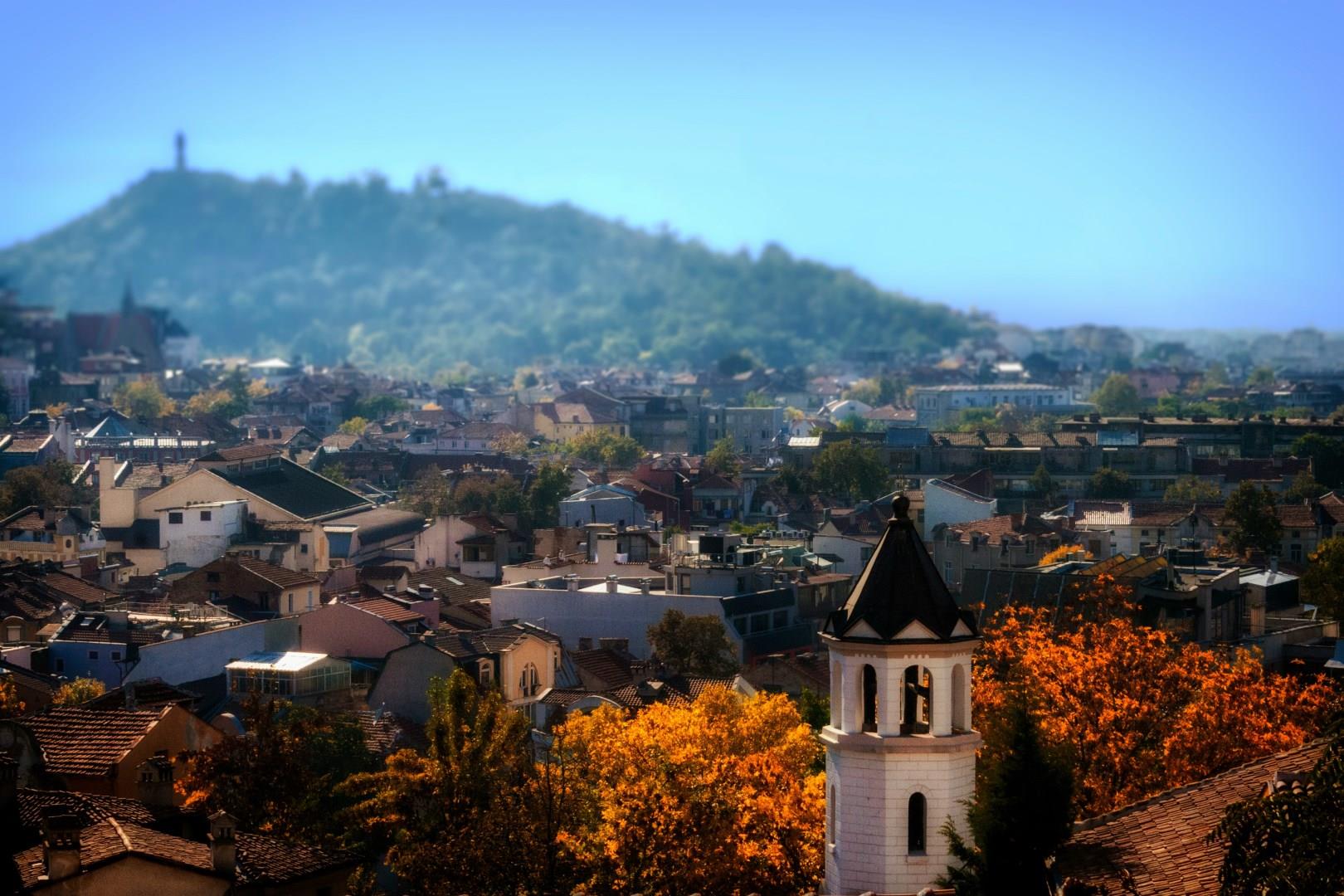
Plovdiv, one of the oldest continuously inhabited cities in Europe, carries over 8,000 years of history layered into its streets. The Roman Theater, still in use today, was discovered by accident in the 1970s and now hosts operas and concerts overlooking the Rhodope Mountains. Nearby, visitors can walk the remains of a Roman stadium buried beneath the main pedestrian street, where modern shops and cafés stand above ancient foundations.
Kristiansand
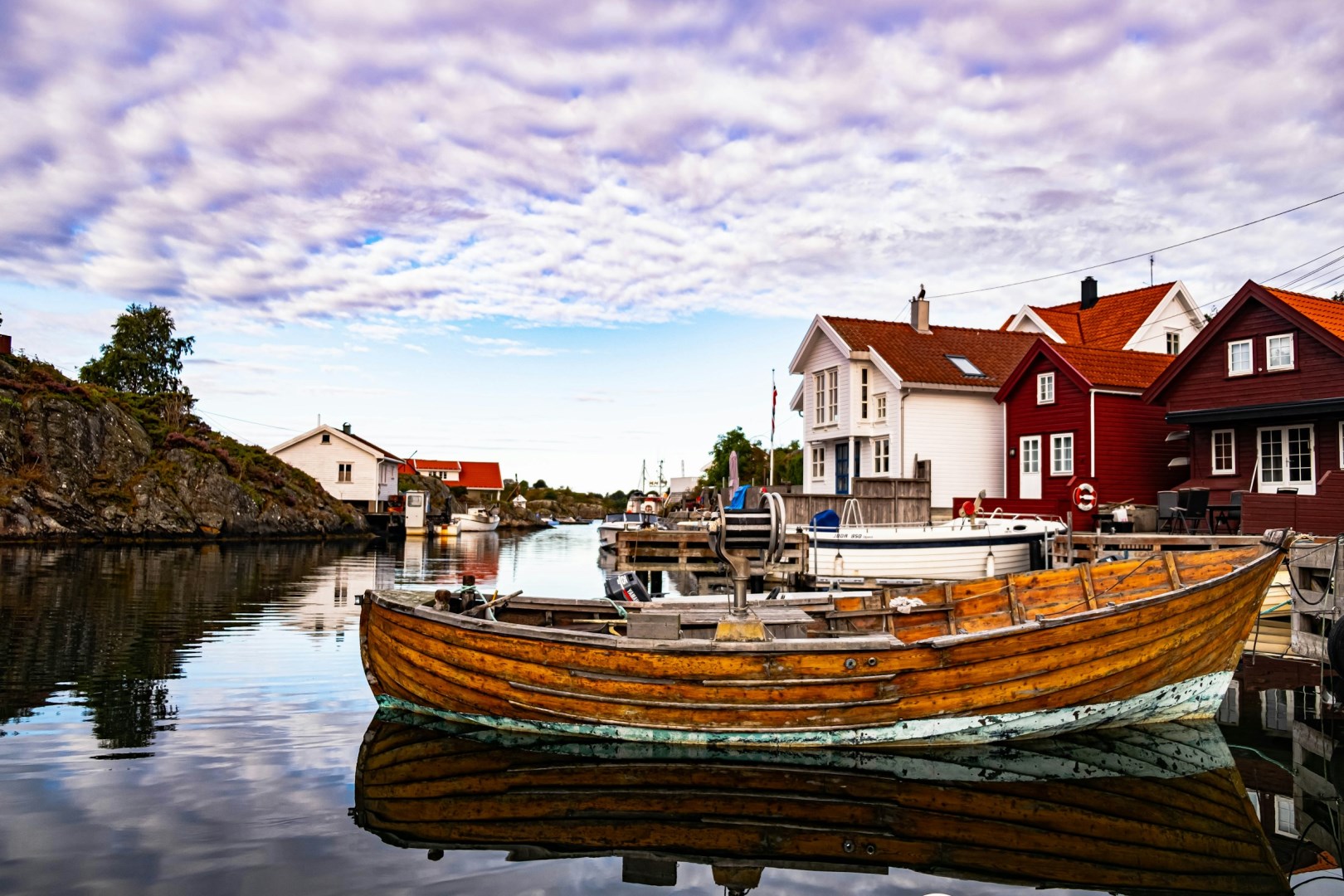
Located on the southern coast of Norway, Kristiansand is a charming port city and a favorite summer destination for locals and tourists alike. Highlights of this coastal gem include the Christiansholm Fortress, the Kristiansand Zoo, the Kristiansand Cathedral, Gimle Gård, and the Fiskebrygga wharf.

Zambia
Zambia, a landlocked country in southern Africa, is celebrated for its dramatic landscapes, diverse wildlife, and warm hospitality. Known as the “real Africa” by many travelers, it is home to some of the continent’s most famous natural wonders and national parks.
