
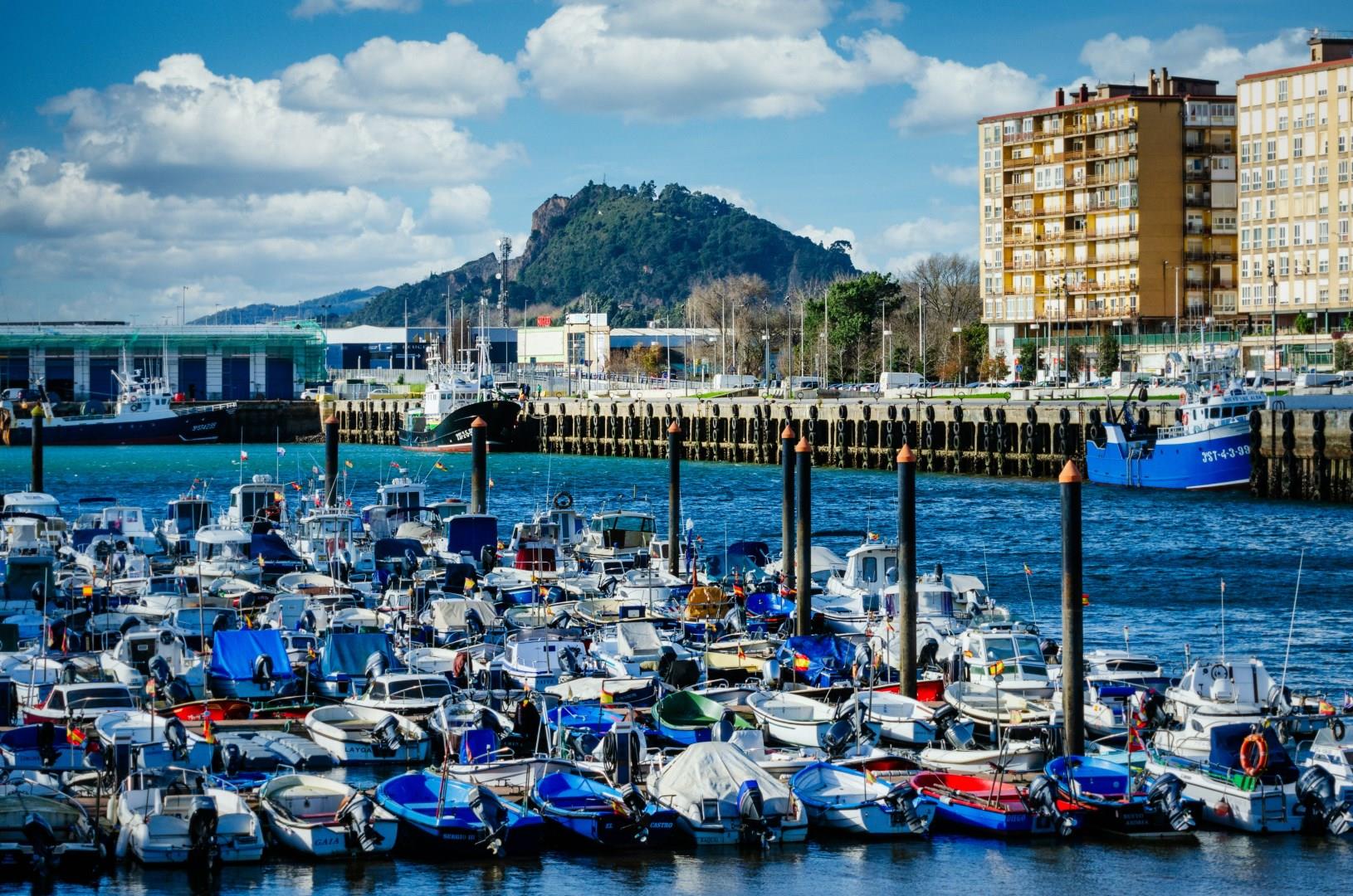
Santander
Santander, the capital of Spain’s Cantabria region, sits along the Bay of Biscay and offers travelers a mix of coastline, culture, and history shaped by centuries of maritime life. Once a bustling port for Castilian exports, Santander saw its golden age in the 19th century when Spanish royalty turned it into a summer retreat. The legacy of that era remains visible at the Palacio de la Magdalena, perched on a peninsula with views of the sea and home to royal stables, a mini zoo, and guided tours.
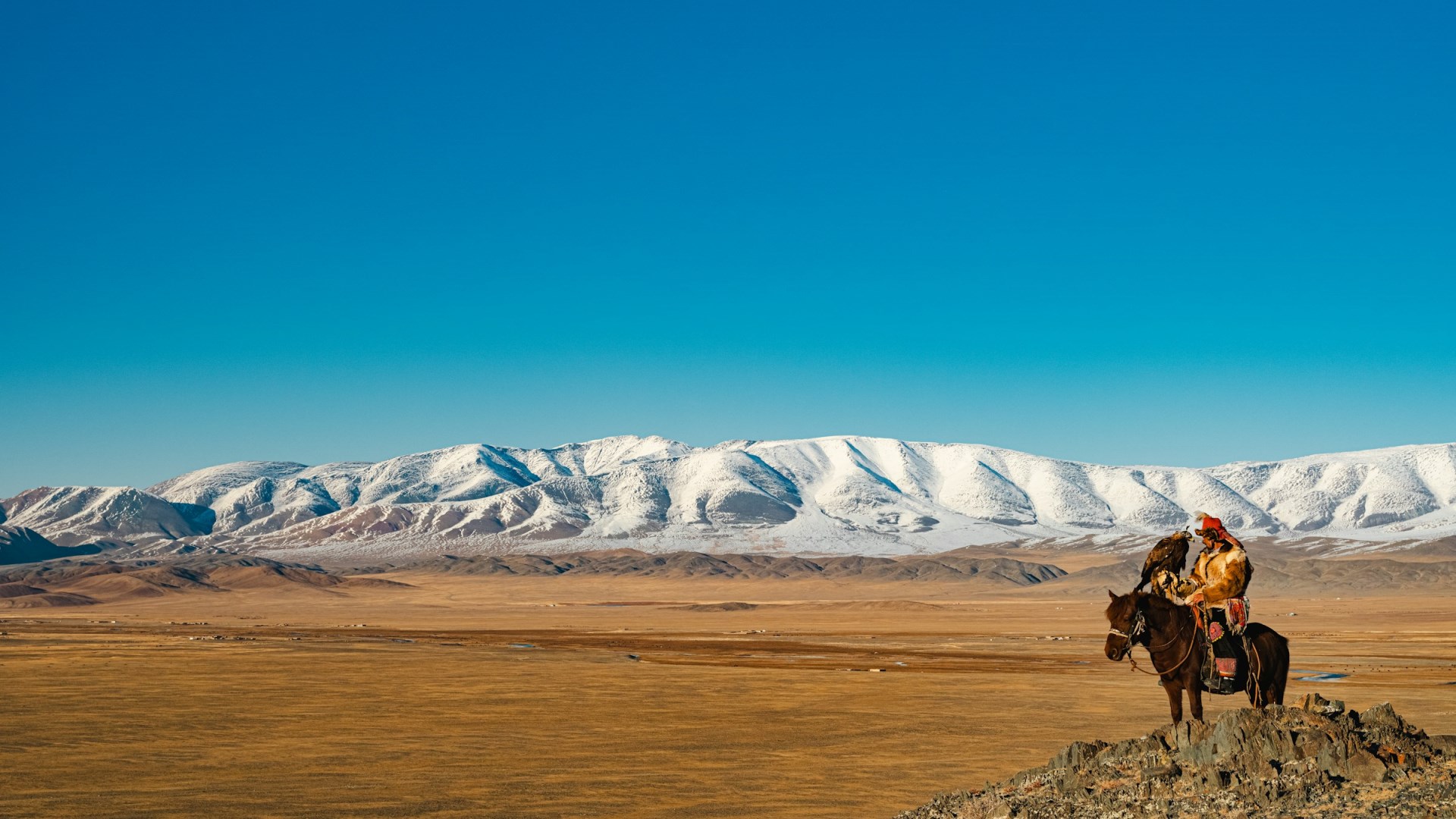
Mongolia
Mongolia, a landlocked nation between Russia and China, is defined by vast steppes, dramatic mountain ranges, and the sweeping expanse of the Gobi Desert. Known for its nomadic traditions, the country preserves a way of life that has endured for centuries.

Dominica
Dominica, known as the “Nature Island of the Caribbean,” is a haven for eco-tourists and adventure seekers. Nestled between the French islands of Guadeloupe and Martinique, this lush island boasts a remarkable landscape of volcanic mountains, dense rainforests, and stunning waterfalls. Dominica’s most iconic natural wonder is the Boiling Lake, the second-largest hot spring in the world.
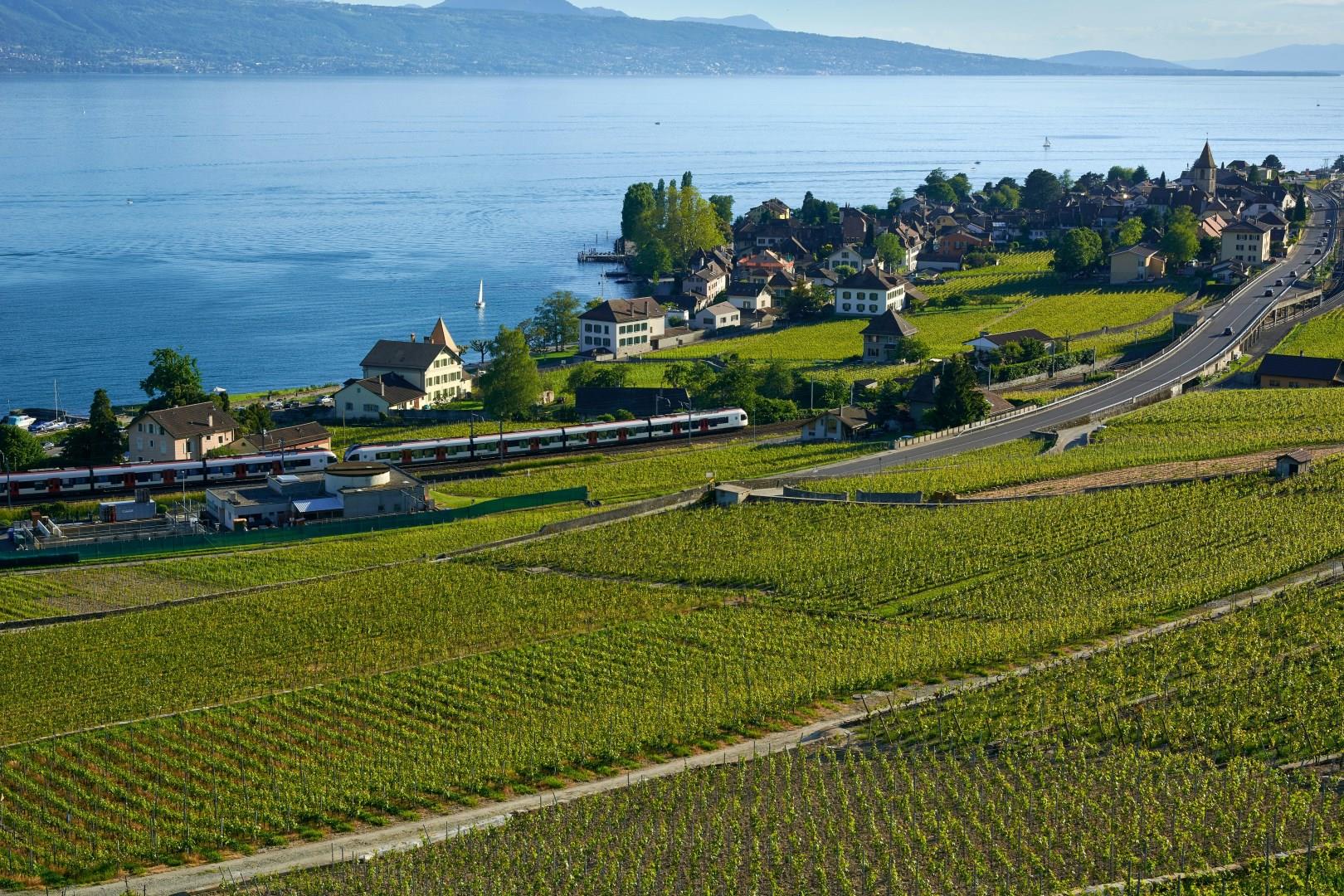
Lausanne
Perched on the northern shore of Lake Geneva, Lausanne is a city that blends centuries of history with a strong cultural identity. It served as a Roman military camp called Lousanna before evolving into a key medieval settlement. Today, visitors can still climb the tower of Lausanne Cathedral, widely regarded as the most impressive Gothic structure in Switzerland. From the top, the view stretches over the rooftops of the Old Town to the vineyards of Lavaux and across the lake to the French Alps.
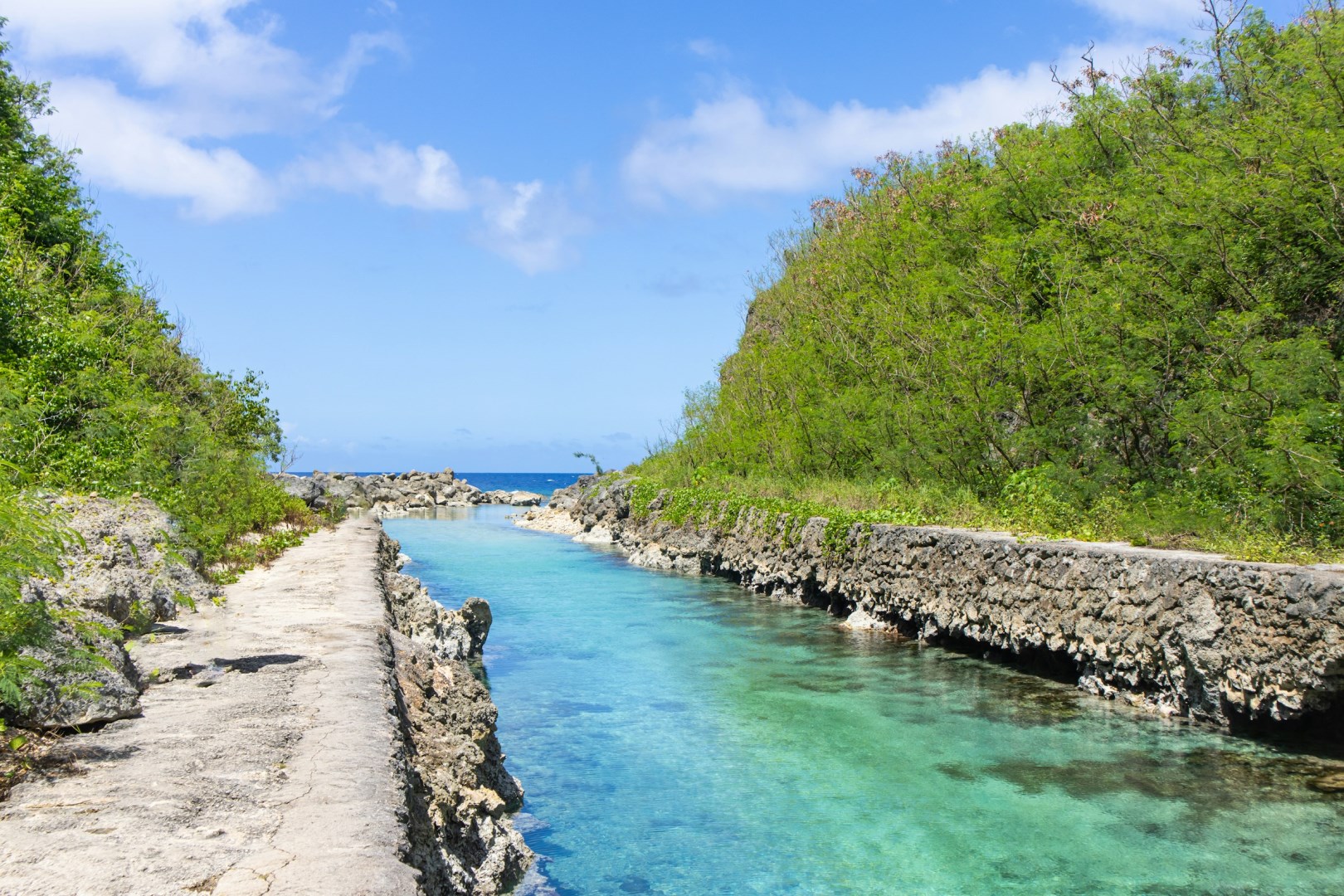
Guam
Guam, a vibrant island territory in the Western Pacific, offers travelers more than just sandy beaches and turquoise water. As the largest island in Micronesia, Guam has a dynamic past that’s shaped its present. Evidence of ancient Chamorro settlements can be found at sites like Latte Stone Park, where limestone pillars dating back over a thousand years stand tall.
