
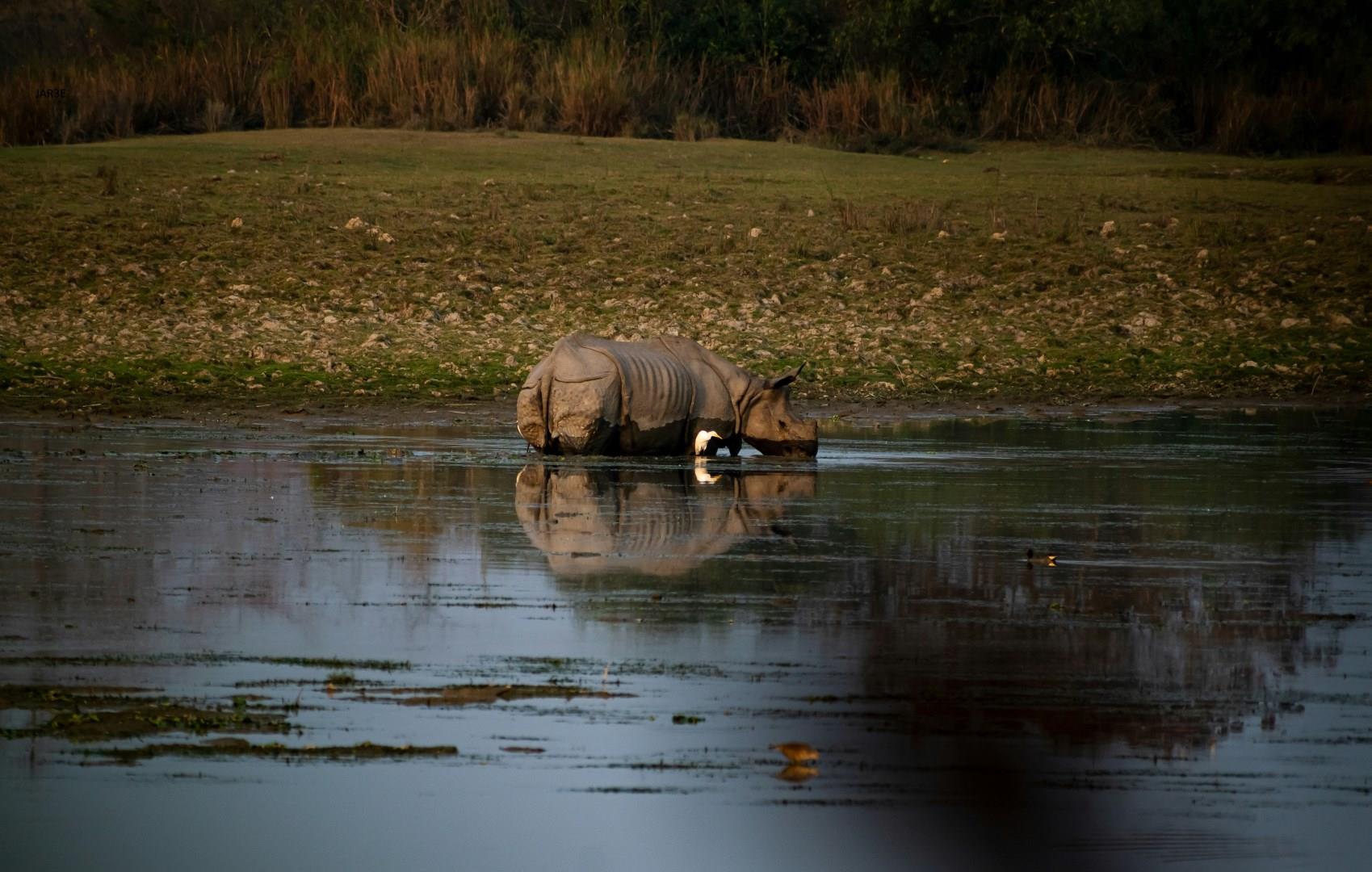
Kaziranga National Park
Kaziranga National Park stretches across the floodplains of the Brahmaputra River in Assam, shaped as much by water as by wildlife. Established in the early 20th century, it became central to conservation efforts in India, most notably for the greater one-horned rhinoceros. The park’s history reflects a long negotiation between protection, seasonal flooding, and the human communities that live around its edges.
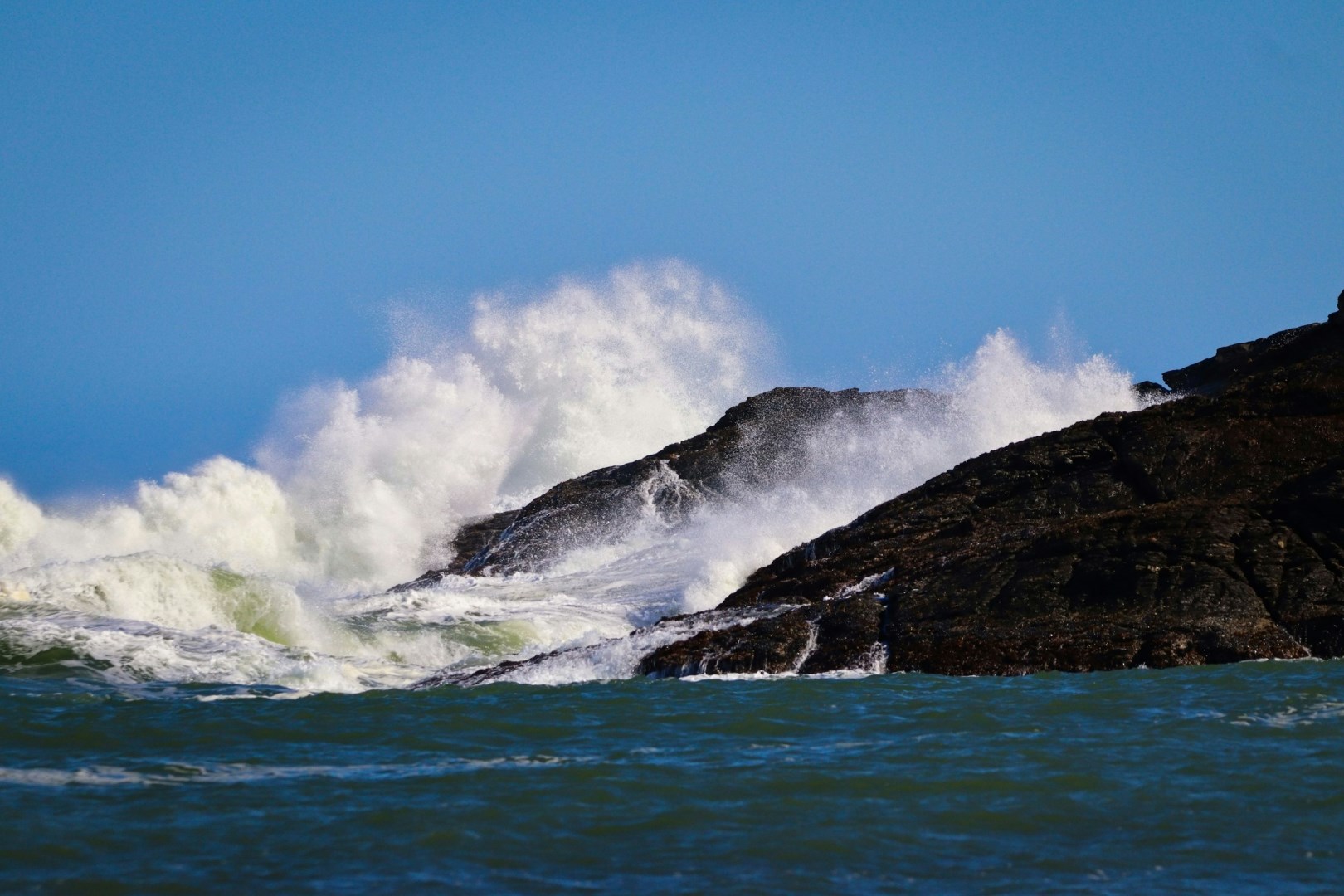
Luderitz
This coastal town in southwestern Namibia is known for its German colonial buildings, including the art nouveau Goerke Haus, built into the rock face on Diamond Hill. Nearby, Felsenkirche is a hilltop church with panoramic bay views stretching around to Robert Harbor. The Lüderitz Museum has displays about the town’s diamond mining past as well as local and natural history.

Buenos Aires
Buenos Aires, the vibrant political and cultural capital of Argentina, has become an enticing destination for many travelers and a must-see destination in South America. Founded in the sixteenth century by Spanish explorers, Buenos Aires has since developed its own unique flair.
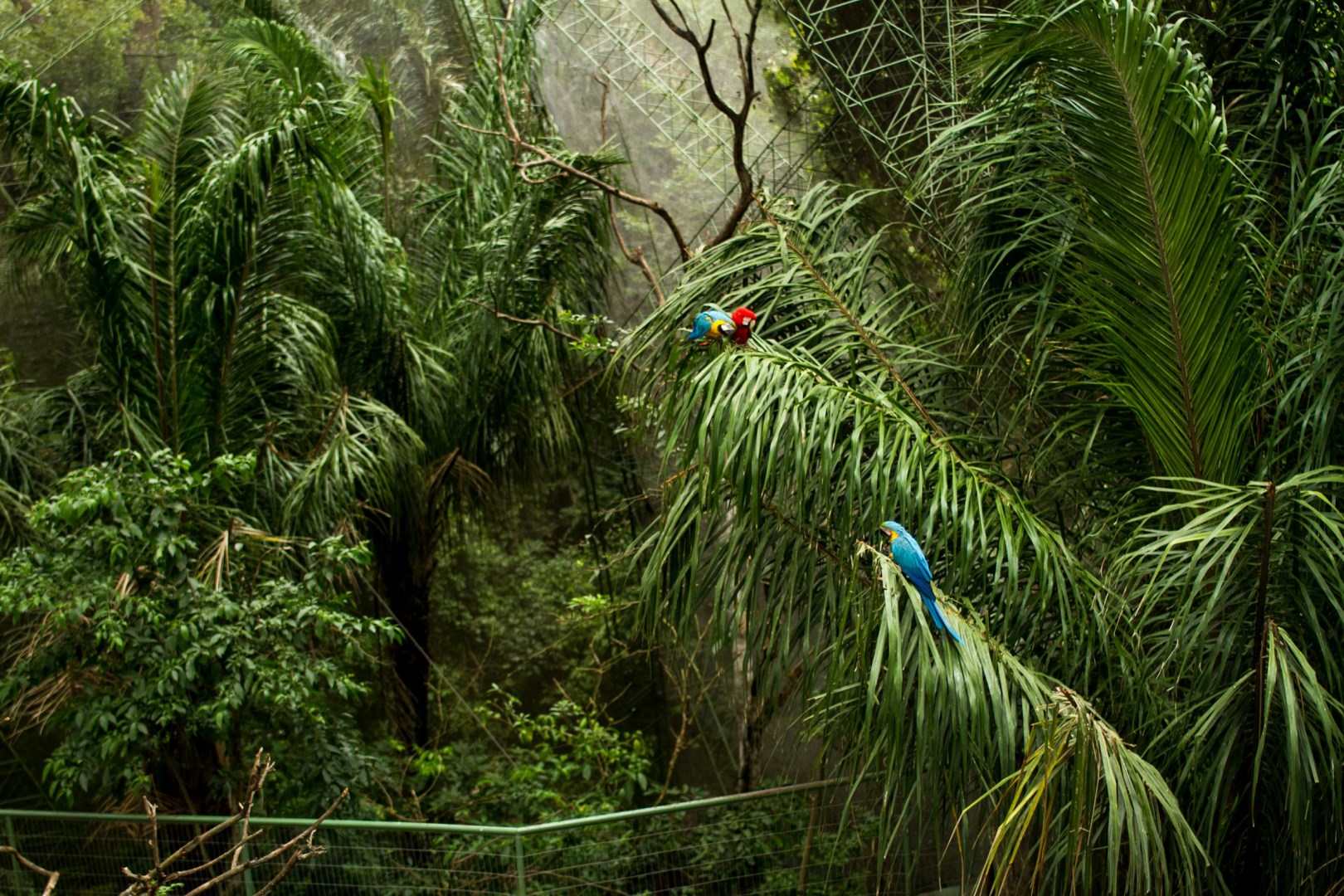
Santa Cruz de la Sierra
Santa Cruz is in stark contrast to La Paz. Climate is tropical and altitude is only 1,250 feet. It is on the eastern lowland side of the Andes mountain range and one of the gateways to Bolivia's jungle area. Trinidad is the other. Much of Bolivia's natural resources, including agricultural products, are found in this area. Although Santa Cruz has grown tremendously some parts of downtown still retain a look of an Old West frontier town. Carnival is an especially happy time to be in Santa C
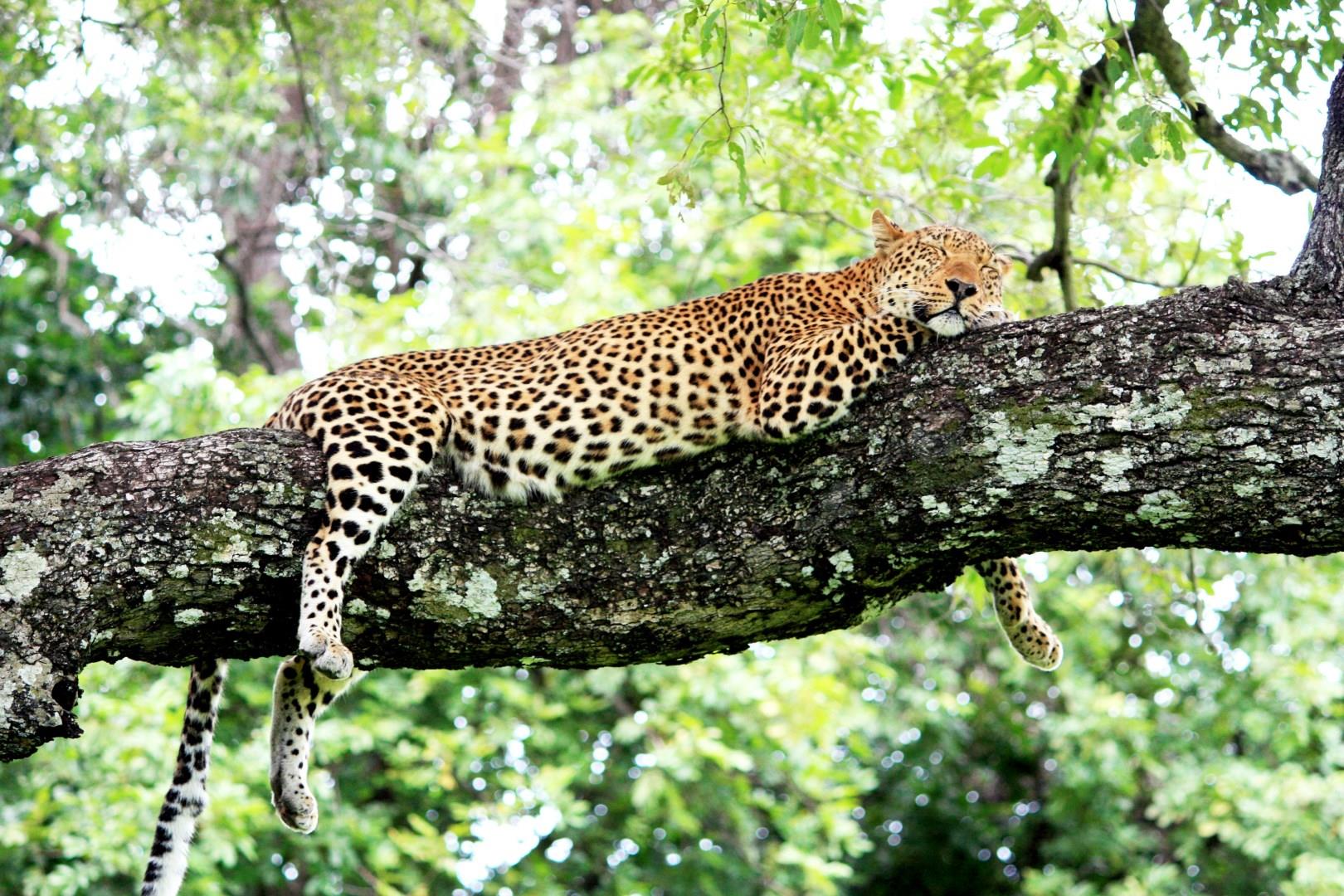
South Luangwa National Park
South Luangwa National Park in eastern Zambia is one of Africa’s most treasured wildlife areas, lying along the lush bends of the Luangwa River. Designated as a protected area in the 1970s, it stands out for its consistently high wildlife densities and landscapes that shift with the seasons. Dry grasslands, shaded woodlands, and green floodplains all unfold beneath wide skies, shaping the canvas for memorable animal sightings.
