
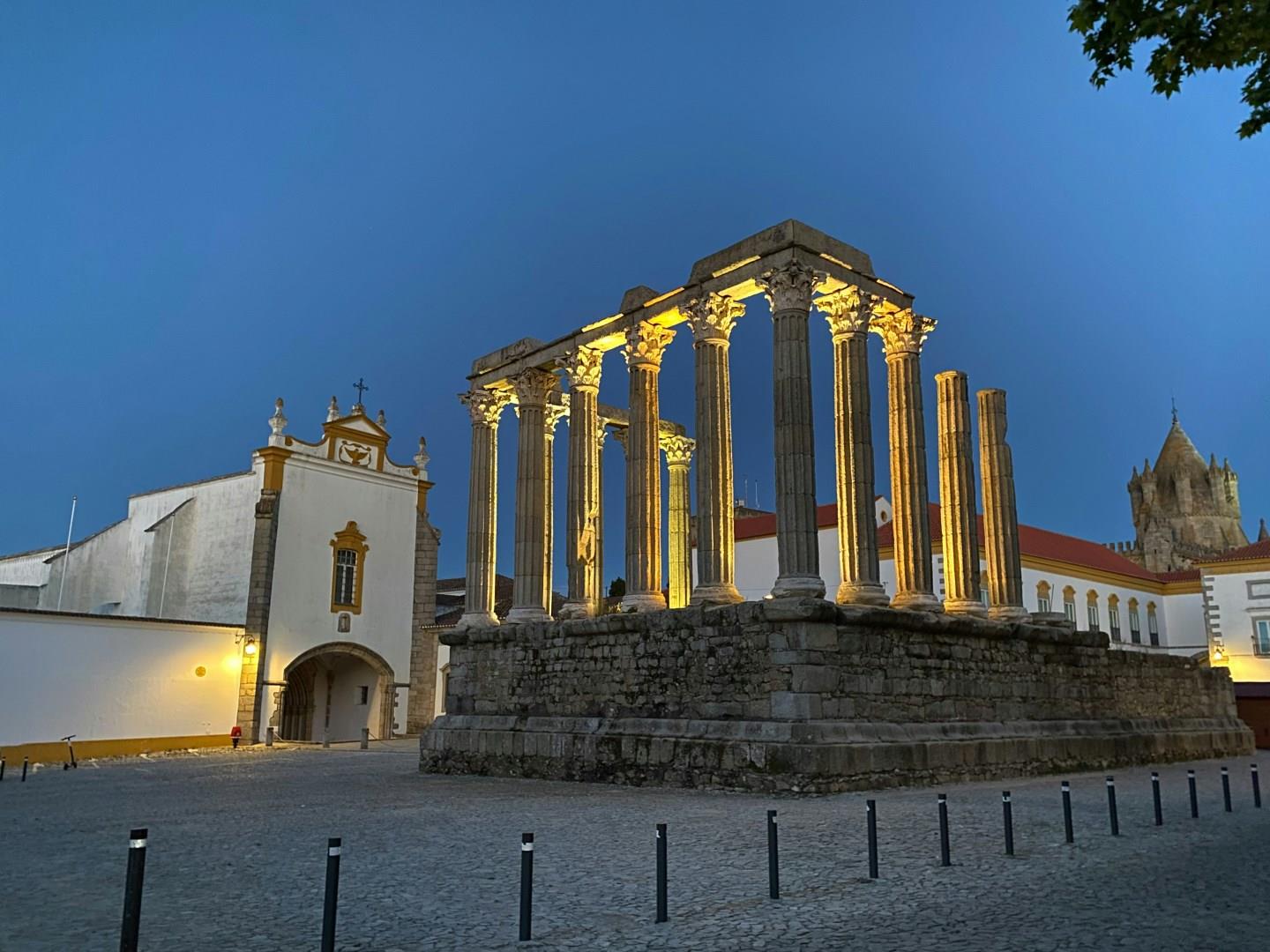
Evora
Évora, in Portugal’s Alentejo region, feels like stepping into a story that spans more than two thousand years. Its Historic Centre was named a UNESCO World Heritage Site for good reason with its ancient walls, homes with wrought-iron balconies, and narrow streets quietly preserve traces of Roman, Moorish, and medieval life. Beyond architecture and monuments, Évora reveals lesser-known treasures that reward exploration.
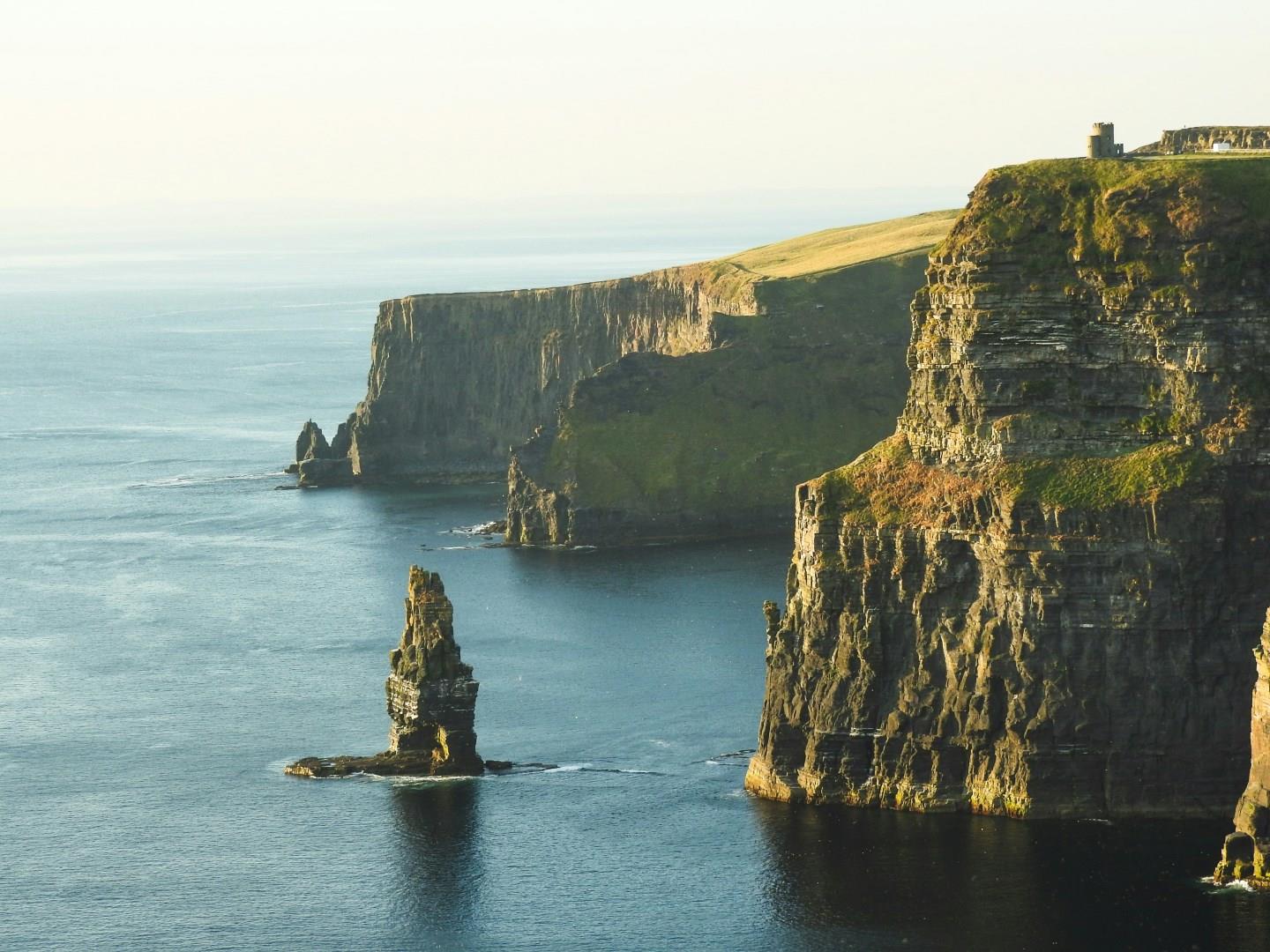
Cliffs of Moher
The Cliffs of Moher rise dramatically from the Atlantic Ocean, stretching for about 8 kilometers along Ireland’s western coast in County Clare. At their highest point near O'Brien's Tower, the cliffs reach 214 meters, offering uninterrupted views of the Aran Islands, Galway Bay, and the craggy peaks of Connemara on a clear day. These ancient sea cliffs have stood for over 300 million years and remain one of the most visited and photographed sites in Ireland.
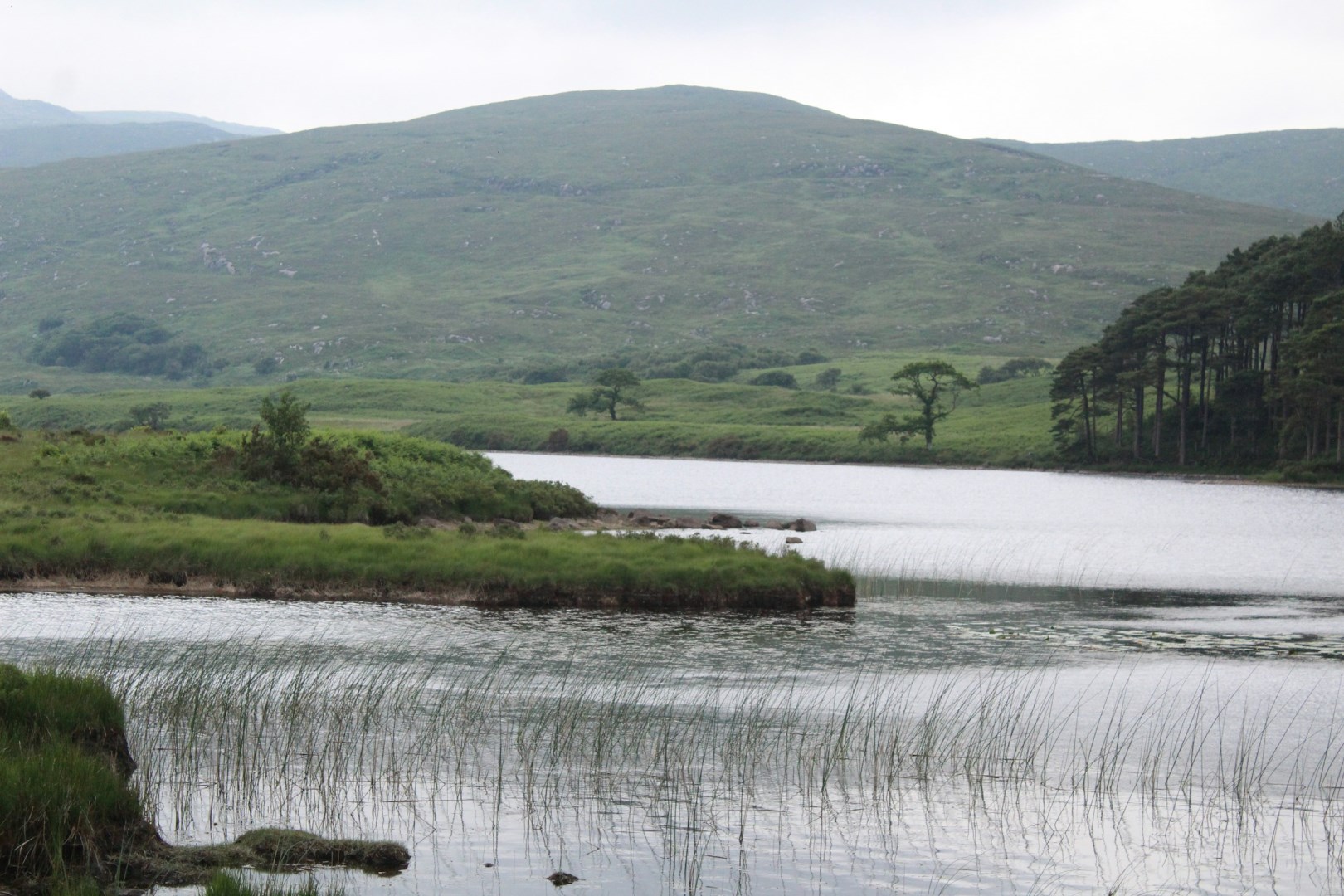
Letterkenny
Letterkenny, the largest town in County Donegal, Ireland, is a vibrant hub where traditional charm meets modern amenities. Set amidst the picturesque landscapes of Donegal, Letterkenny serves as a gateway to the rugged beauty of the Wild Atlantic Way. This bustling town offers a mix of cultural attractions, outdoor activities, and local charm that will captivate any traveler.
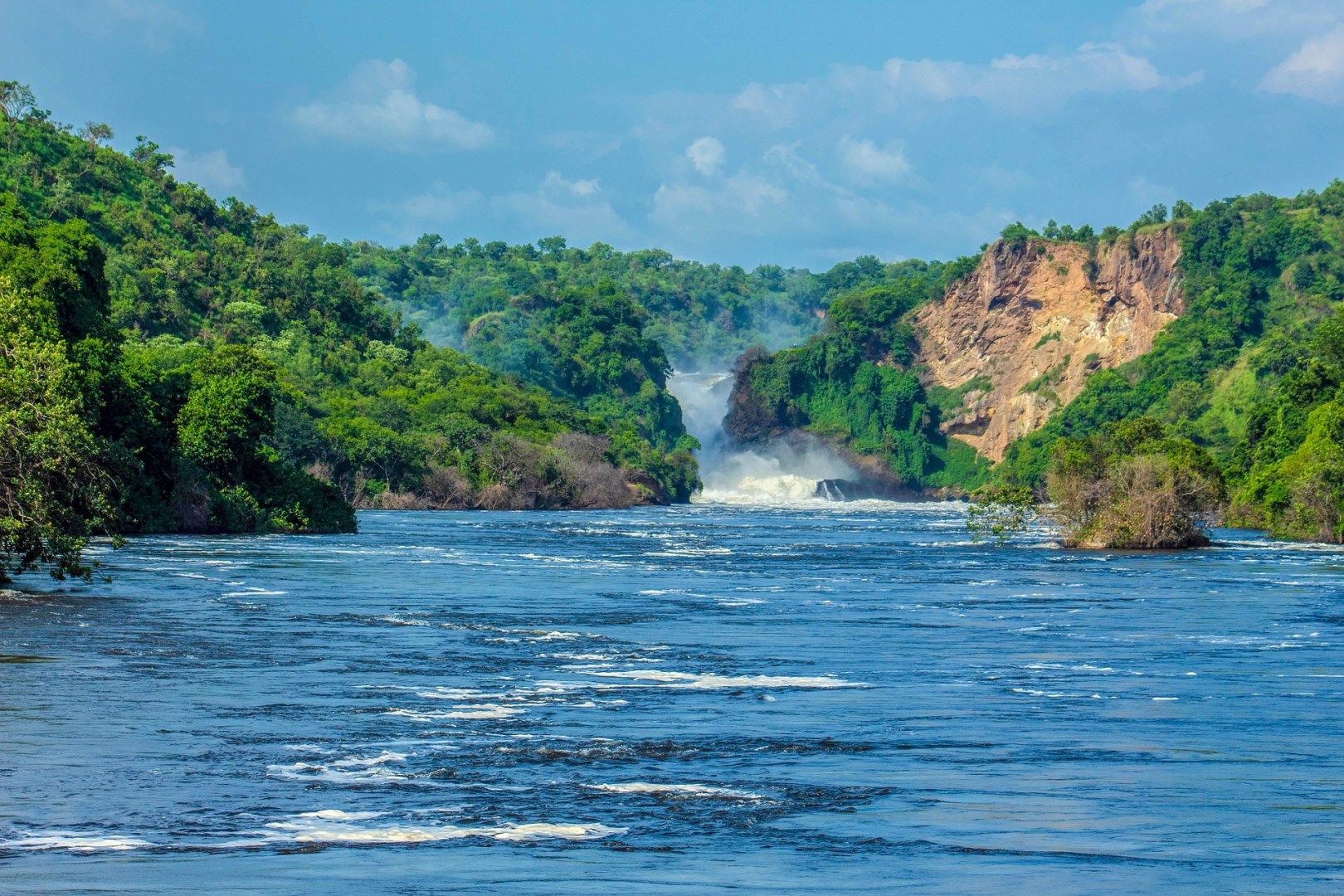
Murchison Falls
Murchison Falls is one of Uganda’s best-known natural landmarks, located within Murchison Falls National Park in the northwestern part of the country. The waterfall forms where the Victoria Nile is forced through a narrow gorge before dropping over the rocks and continuing toward Lake Albert.

Portovenere
Portovenere, in the region of Cinque Terre, is a characteristic medieval village situated at the far west of the gulf. With its colored, narrow high houses, the Genoese Castle, the St. Pietro Church on the steep cliff, it unites history with charm.
